

Hanuman Mandir, Sector 4
General information
-
Ideal Duration:
1 to 2 hours for a peaceful visit and attending Aarti ceremonies:Place Type:
Religious, Hindu Temple, Landmark:Entry Fees:
Regular Entry Fees: There is absolutely no entry fee for visiting the Hanuman Mandir, Sector 4. Like the vast majority of Hindu temples in India, it is a place of worship open to all devotees and visitors free of charge. The core philosophy of a temple is to be accessible ...Regular Entry Fees: There is absolutely no entry fee for visiting the Hanuman Mandir, Sector 4. Like the vast majority of Hindu temples in India, it is a place of worship open to all devotees and visitors free of charge. The core philosophy of a temple is to be accessible to everyone for spiritual solace, making paid entry contrary to its purpose. Visitors can simply walk in and offer their prayers during the official opening hours.
Donations and Voluntary Contributions: While there are no compulsory fees, the temple relies entirely on the voluntary donations (Dakshina) made by devotees for its maintenance, daily rituals, and community service initiatives like running Bhandaras (community kitchens). Visitors wishing to contribute can do so by placing money in the donation boxes or contributing to specific funds for temple renovation or special events. This donation is entirely voluntary and is a personal act of religious giving.
Fees for Special Rituals and Offerings: There are no fees for a basic visit. However, if a devotee wishes to perform a special Puja (worship) or Abhishek (ritualistic bathing of the idol) in their name or for their family, the priest may ask for a small, customary contribution towards the materials used (like milk, flowers, Prasad, etc. ) and a Dakshina (honorarium) for the priest's service. The cost of a Puja is nominal and varies based on the type and complexity of the ritual. For a general visit, the experience remains completely free:Timing:
Regular Temple Timings: The temple is generally open throughout the day, often with a brief closure in the mid-afternoon. A typical schedule is from 06:00 AM to 12:30 PM in the morning and reopens from 04:00 PM to 09:00 PM in the evening. These timings ensure that both mor...Regular Temple Timings: The temple is generally open throughout the day, often with a brief closure in the mid-afternoon. A typical schedule is from 06:00 AM to 12:30 PM in the morning and reopens from 04:00 PM to 09:00 PM in the evening. These timings ensure that both morning and evening commuters and residents can conveniently offer their daily prayers. It is advisable to check with local sources upon arrival, as festival timings can differ, and some temples may open earlier or close later. The temple is open on all days of the week.
Ideal Visit Time: The ideal time to visit for a tourist or someone seeking a quiet spiritual experience is during the early morning (around 07:00 AM to 08:30 AM) or the late afternoon (around 04:00 PM to 05:30 PM). The crowd is usually manageable during these hours. The most spiritually vibrant, though often crowded, time is during the evening Aarti (around 07:00 PM), which is a spectacular visual and auditory experience. Weekdays are generally less crowded than Tuesdays and Saturdays (the dedicated days for Lord Hanuman), and any major Hindu festival will draw the largest crowds. October to March is the best time of year due to the pleasant weather.
Best Time to Avoid: Avoid visiting between 12:30 PM and 04:00 PM as the temple is often closed for the midday rest of the deity and the priests. Also, if you dislike large crowds, try to avoid Tuesday and Saturday evenings, as well as the main hours of major festivals like Hanuman Jayanti:Special Events:
Hanuman Jayanti Celebration: The most significant annual event is Hanuman Jayanti, the celebration of Lord Hanuman's birth, which typically falls in the Hindu lunar month of Chaitra (March or April). The temple is elaborately decorated with flowers and lights, and the festi...Hanuman Jayanti Celebration: The most significant annual event is Hanuman Jayanti, the celebration of Lord Hanuman's birth, which typically falls in the Hindu lunar month of Chaitra (March or April). The temple is elaborately decorated with flowers and lights, and the festivities are grand. A massive congregation of devotees gathers for special Pujas (worship rituals), Aartis, and the reading of the Ramayana and Hanuman Chalisa. Often, a procession (Shobha Yatra) carrying a large idol or picture of Lord Hanuman moves through the sector, accompanied by devotional songs and music. The atmosphere is highly energetic and devotional. Shaniwar (Saturday) and Mangalwar (Tuesday) Special Gatherings: Every Saturday and Tuesday are considered particularly auspicious days to worship Lord Hanuman. On these days, the temple hosts special evening Kirtans (group devotional singing) and Aartis that draw larger-than-usual crowds. Devotees visit to offer oil (Tel Abhishek) and black sesame seeds (Til) to ward off the ill effects of the planet Shani (Saturn) or to gain courage and strength. These weekly events showcase the temple’s continuous spiritual pulse and community participation.
Ram Navami Celebrations: While dedicated to Lord Hanuman, the temple actively participates in the Ram Navami festivities, celebrating the birth of Lord Rama, whom Hanuman worshipped. The temple is decorated, and special prayers are offered. This event connects the temple with the larger narrative of the Ramayana and highlights Lord Hanuman's role as the ultimate devotee. The celebrations reflect the broader religious calendar of the region. :Best Photo Spots:
The Temple Entrance and Shikhar: The main entrance gate, often beautifully decorated and featuring images of Hindu deities, is a great spot for a wide-angle shot. The most striking element is the Shikhar (tower) over the main sanctum. Capture the spire, especially against ...The Temple Entrance and Shikhar: The main entrance gate, often beautifully decorated and featuring images of Hindu deities, is a great spot for a wide-angle shot. The most striking element is the Shikhar (tower) over the main sanctum. Capture the spire, especially against the backdrop of a blue sky or during the golden hour of sunrise or sunset, when the light dramatically enhances the structure's colors and design. This shot is excellent for framing the religious and architectural essence of the place.
The Deity's Idol during Aarti: Capturing the idol of Lord Hanuman during the Aarti ceremony is challenging but rewarding. The flickering lamps, the smoke from the incense, and the intense focus of the priest and devotees create a dramatic and spiritually charged scene. While photography is often allowed, always seek permission or observe local customs to avoid causing disruption. A low-light photograph focusing on the Aarti tray and the glowing idol can be a powerful devotional image.
Quiet Contemplation in the Courtyard: The temple courtyard or the area around any sacred tree (like a Peepal tree) is a wonderful spot to capture candid moments. Photographs of devotees engaged in silent prayer, performing Parikrama, or simply sitting in quiet contemplation capture the human and spiritual aspects of the temple visit. The contrast of the natural surroundings with the temple structure also makes for interesting compositions.
The Festival Crowd and Decorations: During festivals like Hanuman Jayanti or Ram Navami, the entire temple is a photogenic paradise. Capture the vibrant colors of the decorations, the sheer scale of the crowd, the religious processions, and the joyful expressions of the devotees. Shots focusing on the floral arrangements, colorful banners, and the collective energy of the worship are great for documenting the festive spirit and cultural richness of Bokaro:Photo Gallery
Things To Do
-
Offer Prayers and Perform Rituals: The primary activity is offering prayers to Lord Hanuman. Devotees often light Diyas (oil lamps), offer Prasad (sweets, typically Laddoo or Boondi), and chant the Hanuman Chalisa—a set of forty verses dedicated to the deity. Circumbulating the main sanctum (Parikrama) is a common ritual believed to bring good fortune. You can seek the priest's blessing and apply Tilak (a religious mark) on your forehead. This is a chance to participate directly in Hindu devotional practices. Ensure to remove your footwear before entering the temple premises as a mark of respect.
Attend the Grand Aarti Ceremonies: The morning and evening Aarti are must-attend events. The synchronization of ringing bells, the sound of the Shankh (conch shell), the rhythmic chanting of mantras, and the movement of the Aarti...Offer Prayers and Perform Rituals: The primary activity is offering prayers to Lord Hanuman. Devotees often light Diyas (oil lamps), offer Prasad (sweets, typically Laddoo or Boondi), and chant the Hanuman Chalisa—a set of forty verses dedicated to the deity. Circumbulating the main sanctum (Parikrama) is a common ritual believed to bring good fortune. You can seek the priest's blessing and apply Tilak (a religious mark) on your forehead. This is a chance to participate directly in Hindu devotional practices. Ensure to remove your footwear before entering the temple premises as a mark of respect.
Attend the Grand Aarti Ceremonies: The morning and evening Aarti are must-attend events. The synchronization of ringing bells, the sound of the Shankh (conch shell), the rhythmic chanting of mantras, and the movement of the Aarti lamps create a powerful, immersive spiritual experience. The evening Aarti is generally more crowded and vibrant, while the morning one is quieter and more peaceful. Plan your visit to coincide with either the sunrise or sunset Aarti for a truly memorable experience. This collective act of worship is an excellent way to absorb the local culture and religious fervor.
Observe and Appreciate the Temple Architecture: Take time to walk around the temple and appreciate the architecture. Look closely at the Shikhar, the carvings of deities on the exterior, and the details in the main doorway. The colorful murals and wall paintings inside, which often depict scenes from the Ramayana and the life of Lord Hanuman, are particularly noteworthy. Observing the different postures and representations of the Vanara deity offers insight into the regional artistic style and the local interpretation of the scripture.
Partake in the Community Seva (Service): On special occasions or any given day, visitors can participate in Seva or voluntary service, which might include helping with the temple cleanup, organizing Prasad, or assisting in managing the crowd. This is a very fulfilling activity that goes beyond mere tourism and connects you with the local community and the spirit of selfless service central to Lord Hanuman's worship. If a community feast (Bhandara) is organized, you can help in serving food.
Quiet Contemplation and Meditation: The temple premises, especially the quieter corners or the area near a sacred tree in the compound, offer a perfect place for quiet meditation. The calm, spiritual energy of the temple is ideal for a few moments of introspection and silence. After offering your prayers, spending some time in quiet contemplation can be a deeply rejuvenating experience, away from the typical noise of city life.
Engage with Local Devotees and Priests: Engaging in respectful conversation with the temple priest (Pujari) can be very informative. They can often share the history of the temple, the significance of particular rituals, or stories related to Lord Hanuman. Similarly, interacting with local devotees can provide a personal perspective on the temple's importance in their daily lives and the culture of Bokaro Steel City.
Visit Nearby Local Market and Eateries: Since the temple is in Sector 4, which is close to the City Center, a visit can be combined with exploring the nearby local market. You can shop for religious items, local handicrafts, or simply enjoy the street food and local eateries around the temple. Trying the local Prasad shops is also a delightful experience:
Information
-
Why Famous:
The Embodiment of Devotion: The Hanuman Mandir is primarily famous as a key religious institution in the sector, dedicated to Lord Hanuman, who is worshipped for strength, protection, and devotion. This temple is a spiritual anchor for the local residents, who visit regular...The Embodiment of Devotion: The Hanuman Mandir is primarily famous as a key religious institution in the sector, dedicated to Lord Hanuman, who is worshipped for strength, protection, and devotion. This temple is a spiritual anchor for the local residents, who visit regularly before starting their day or in the evening to offer prayers. The deep faith and belief in the power of Lord Hanuman to ward off evil and grant courage are the main reasons for its continuous popularity. On Tuesday and Saturday, which are considered sacred days for Lord Hanuman, the temple witnesses a massive influx of devotees, making it a vibrant center of religious activity.
Community and Festival Centrality: Its fame also stems from its central role in the social and cultural life of Sector 4 and surrounding areas. The temple serves as a focal point for celebrating major Hindu festivals. The celebration of Hanuman Jayanti (the birth of Lord Hanuman) is particularly spectacular, with elaborate decorations, religious processions, and Bhandaras (community feasts). Similarly, the temple becomes a hub of activity during Ram Navami and Dussehra. The communal participation in these events strengthens the social fabric of the city.
Central Location and Accessibility: The temple's location in Sector 4 near the main market/city center area contributes significantly to its fame, making it highly accessible to commuters and shoppers. Its recognizable structure and spiritual importance have made it a prominent local landmark, often used as a reference point for directions in Bokaro Steel City: -
Architecture:
Temple Style and Materials: The architecture of the Hanuman Mandir, Sector 4 is a blend of traditional Hindu temple design and modern construction, reflecting its establishment in the planned city of Bokaro Steel City. It typically features a brightly painted Shikhar (spire...Temple Style and Materials: The architecture of the Hanuman Mandir, Sector 4 is a blend of traditional Hindu temple design and modern construction, reflecting its establishment in the planned city of Bokaro Steel City. It typically features a brightly painted Shikhar (spire or tower) over the main sanctum (Garbhagriha). The structure is predominantly built using reinforced concrete, brick, and cement, which are common materials in contemporary Indian temple construction, but the exterior is often decorated with colorful tiles, marble, or carved stone-like finishes to give it a classical look. Lord Hanuman's statue is usually placed in the center, and the inner walls may feature murals depicting scenes from the Ramayana. The architectural style aims for both spiritual reverence and functional robustness to accommodate a steady flow of devotees. :
The Main Sanctum and Dimensions: The central area houses the main deity, Lord Hanuman. While exact, specific architectural blueprints are unavailable, a typical medium-sized community temple like this may have a main hall (Mandapa) leading to the Garbhagriha (sanctum sanctorum). The total covered area of the temple complex might span approximately 1000 to 2000 square feet, including the main hall and surrounding courtyard. The height of the central Shikhar could range from 30 to 50 feet, making it a visible landmark in the sector. The sanctum where the main idol is placed is often rectangular or square, perhaps 10×10 feet. The design focuses on creating an open, welcoming space for congregational prayer, with dedicated space for devotees to sit and pray, especially during Kirtans (devotional songs) and Aartis: -
How To Reach:
By Air (Nearest Airport): The nearest major airport is Birsa Munda Airport (Ranchi) (Code: IXR), located approximately 120 KMS from Bokaro Steel City. From Ranchi airport, you can hire a prepaid taxi or cab directly to the Hanuman Mandir, Sector 4 in Bokaro Steel City. The...By Air (Nearest Airport): The nearest major airport is Birsa Munda Airport (Ranchi) (Code: IXR), located approximately 120 KMS from Bokaro Steel City. From Ranchi airport, you can hire a prepaid taxi or cab directly to the Hanuman Mandir, Sector 4 in Bokaro Steel City. The drive takes about 3 to 4 hours. A closer but smaller and less connected airport is Dhanbad Airport (Dhanbad), which is roughly 45 KMS away but has limited commercial flight operations. Another option is Kazi Nazrul Islam Airport (Durgapur, West Bengal) (Code: RDP), which is about 140 KMS away.
By Train (Nearest Railway Station): The primary railway station is Bokaro Steel City Railway Station (BKSC), which is very well connected to major cities across India like Delhi, Kolkata, Mumbai, and Chennai. The Hanuman Mandir, Sector 4 is conveniently located close to the railway station, approximately 4 to 5 KMS away. From the railway station, you can easily hire an auto-rickshaw or a taxi to reach the temple. The short distance makes it a quick and inexpensive journey.
By Road (Bus and Private Vehicle): Bokaro is well-connected by road networks via National and State Highways. National Highway NH 18 (formerly NH 32) passes close to the city. Regular bus services (Government and Private) connect Bokaro to nearby cities like Ranchi, Dhanbad, Jamshedpur, and Kolkata. If traveling by bus, you can alight at the Naya More Bus Stop or City Center Bus Stop in Bokaro Steel City, both of which are close to Sector 4. From there, the temple is a short walk or auto-rickshaw ride. For private vehicles, the temple is easily locatable on GPS, and there is usually space for parking in the vicinity.
By Local Transport (Within Bokaro): Within Bokaro Steel City, local transport is plentiful. The most common and convenient options are auto-rickshaws (both shared and reserved) and cycle-rickshaws for shorter distances. You can hire an auto-rickshaw from any part of the city, and mentioning "Hanuman Mandir, Sector 4" will be sufficient as it's a well-known landmark. App-based taxi services are also available but less common than in larger metros. For a local living in another sector, the City Bus service might also be an economical option, alighting at a stop near the City Center: -
Weather and Best Time to Visit:
Seasonal Best Time to Visit (October to March): The overall best time to visit the Hanuman Mandir and Bokaro city is during the Winter Season, which runs from October to March. During this period, the weather is most pleasant, with cool and comfortable temperatures ranging ...Seasonal Best Time to Visit (October to March): The overall best time to visit the Hanuman Mandir and Bokaro city is during the Winter Season, which runs from October to March. During this period, the weather is most pleasant, with cool and comfortable temperatures ranging from 10Rs.C to 25Rs.C. This weather is ideal for walking around the temple complex, attending the long Aarti ceremonies, and combining the visit with other city sightseeing without the discomfort of extreme heat or humidity. The transitional months of October and March are particularly charming. The Summer Season (April to June) is extremely hot, with temperatures soaring up to 45Rs.C, making daytime visits very uncomfortable. The Monsoon Season (July to September) brings heavy rainfall, which, while making the city green, can disrupt travel and mobility. Best Part of the Day for Tourists (Early Morning and Late Afternoon): For a serene and photogenic experience, the Early Morning (between 6:00 AM and 8:00 AM) is the best time. The air is fresh, the crowd is minimal, and the soft, golden light is perfect for photography and quiet prayer. Attending the morning Aarti is highly recommended for a spiritual start. The Late Afternoon (between 4:00 PM and 6:00 PM) is also a good choice as the temperature starts to drop, and you can comfortably spend time until the main evening Aarti begins. The evening Aarti (around 7:00 PM to 8:00 PM) offers a vibrant spiritual atmosphere, but be prepared for a larger crowd. Avoid the Mid-day (12:30 PM to 4:00 PM) hours as the temple may be closed, and the heat can be intense: -
Near Tourist Places:
Ram Mandir, Sector 1 (Rs.3 KMS); Jagannath Temple, Sector 4 (Rs.1.
5 KMS - Note: there are multiple temples in Sector 4, including the famous Jagannath Temple); City Park Bokaro Steel City (Rs.4 KMS); Jawaharlal Nehru Biological Park (Rs.5 KMS); Garga Dam (Rs.10 KMS); Mohan Kumar Mangalam Stadium (Rs.4 KMS); Bokaro Steel Plant (View from outside - Rs.8 KMS); Aaiyappa Mandir, Sector 5 (Rs.5 KMS); ISKCON Temple, Sector 1 (Rs.3. 5 KMS);
The Great Anand Water Park (Rs.12 KMS):
Tourism Tips
-
Health & Safety: Always carry a small first-aid kit with basic medications for headaches, stomach upsets, and any personal prescriptions. Drink only bottled water or water from reliable sources to avoid water-borne illnesses. Be mindful of your belongings, especially in cr...Health & Safety: Always carry a small first-aid kit with basic medications for headaches, stomach upsets, and any personal prescriptions. Drink only bottled water or water from reliable sources to avoid water-borne illnesses. Be mindful of your belongings, especially in crowded areas like during festival celebrations. Women are advised to dress modestly—covering shoulders and knees—as a mark of respect when visiting the temple. It is best to avoid carrying large sums of cash. Keep a photocopy of your ID and hotel details handy.
Packing Essentials: Pack comfortable cotton clothing for most of the year, especially if visiting outside of the peak winter months. For the winter season (November to February), carry light to heavy woolen clothes as the night and morning temperatures can drop significantly. Always carry an umbrella or raincoat during the monsoon season. Since you will be removing your shoes at the temple, wear footwear that is easy to slip on and off. Carry a power bank for your phone as you may spend significant time outside.
Accommodation Options: Bokaro Steel City offers a range of accommodation. For proximity to the temple, look for hotels near the City Center or in Sector 4 itself. Options range from budget-friendly guesthouses and Dharmshalas to mid-range hotels. It is highly advisable to book your accommodation in advance, especially if your visit coincides with major festivals like Hanuman Jayanti or the New Year period, as good places fill up quickly. Chas, a nearby town, also offers alternative accommodation options.
Respect Local Customs and Etiquette: Show respect for the religious environment. Photography inside the main sanctum might be restricted—always look for signs or ask the priest first. Maintain silence or speak softly while inside the temple. Do not touch the idol or any religious artifacts without permission. When receiving Prasad or a blessing, use your right hand. Always remove your shoes before entering the temple premises. Be patient and join the queue for Darshan (viewing of the deity).
Local Currency and Communication: The currency used is the Indian Rupee (INR). Most small shops and auto-rickshaws will prefer cash, so always keep small denominations handy. Hindi is the main language spoken, and some people may understand basic English, especially in the City Center area. Learning a few basic Hindi phrases like Namaste (Hello) and Dhanyawad (Thank you) will be helpful:
Reviews
FAQs
Bokaro Itineray And Cost:-
Hanuman Mandir, Sector 4 Tourism:-
Other Places In Bokaro :-
Other States In India :-
Information about New and Updated Locations() of Jharkhand Has Been Added :-
Card subtitle
Note:-
Information provided here in good Faith and for reference only.
Near Places

Aaiyappa Mandir
Some quick example text to build on the card title and make up the bulk of the card's content.
Go somewhere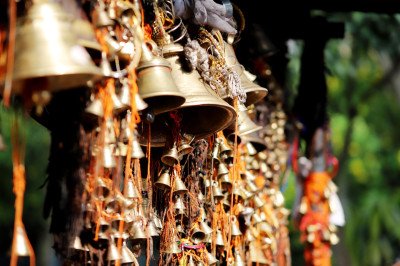
Banaso Temple
Some quick example text to build on the card title and make up the bulk of the card's content.
Go somewhere
Barwa Ghaat
Some quick example text to build on the card title and make up the bulk of the card's content.
Go somewhere
Bokaro Mall
Some quick example text to build on the card title and make up the bulk of the card's content.
Go somewhere
Bokaro Steel Plant
Some quick example text to build on the card title and make up the bulk of the card's content.
Go somewhere
Bokaro Thermal Power Station
Some quick example text to build on the card title and make up the bulk of the card's content.
Go somewhere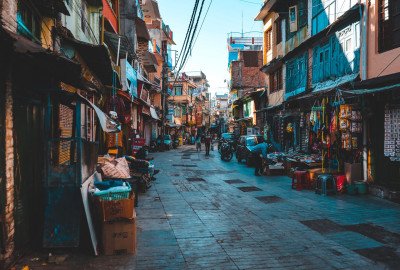
Chas Bazaar
Some quick example text to build on the card title and make up the bulk of the card's content.
Go somewhere
Chechaka Dham
Some quick example text to build on the card title and make up the bulk of the card's content.
Go somewhere
City Park and Lake
Some quick example text to build on the card title and make up the bulk of the card's content.
Go somewhere
City Park
Some quick example text to build on the card title and make up the bulk of the card's content.
Go somewhere
Durga Hills
Some quick example text to build on the card title and make up the bulk of the card's content.
Go somewhere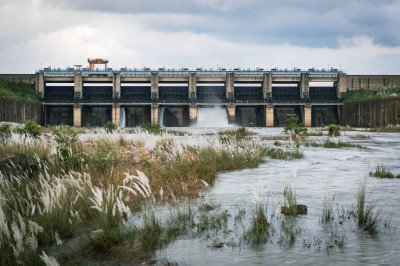
Garga Dam
Some quick example text to build on the card title and make up the bulk of the card's content.
Go somewhere
Gawai Barrage
Some quick example text to build on the card title and make up the bulk of the card's content.
Go somewhere
Gayatri Mandir
Some quick example text to build on the card title and make up the bulk of the card's content.
Go somewhere
Hanuman Mandir, Sector 4
Some quick example text to build on the card title and make up the bulk of the card's content.
Go somewhere
Jagannath Temple
Some quick example text to build on the card title and make up the bulk of the card's content.
Go somewherein Other Cities