

Bokaro Steel Plant
General information
-
Ideal Duration:
2-3 hours for an authorized view/tour of external/peripheral areas, and potentially a quick photo stop from a distance. :Place Type:
Industrial Landmark & Infrastructure:Entry Fees:
General Public Entry: For the general public viewing the Bokaro Steel Plant from the outside, the entry fee is typically Free. Visitors are allowed to access the main administrative building's peripheral areas and the general approach roads without any charge. This is cons...General Public Entry: For the general public viewing the Bokaro Steel Plant from the outside, the entry fee is typically Free. Visitors are allowed to access the main administrative building's peripheral areas and the general approach roads without any charge. This is consistent with most large, government-owned industrial complexes where the view from the outside is considered a public right of way, though the interior is highly restricted. This Free Entry is a significant factor in promoting the plant as a landmark of the city.
Authorized/Official Tours: If a visitor manages to secure pre-approved, special permission for an official tour (which is rare and requires extensive correspondence and high-level approval), there may be a nominal administrative or processing fee, though the core entry is generally Free for official guests. The primary "Fee" is the investment of time and effort required to secure this permission. Visitors must be aware that unauthorized entry is strictly prohibited and can result in legal action, as this is a strategic national asset.
Photography Fees and Restrictions: While taking photographs of the plant from a distant, external public area is generally permitted and Free, any commercial photography, videography, or use of professional drone equipment without explicit, written permission from the SAIL/BSL Public Relations department is strictly prohibited and would require a substantial commercial fee. Visitors are cautioned to be discreet and use personal cameras only. Security is extremely high, and the main constraint is not a monetary fee, but strict compliance with photographic restrictions in designated sensitive areas, which must be respected at all times to avoid confrontation with security personnel.
Fees for Nearby Attractions: Visitors should budget for entry fees for nearby attractions they might combine with the external view of the plant. For instance, the adjacent Jawaharlal Nehru Biological Park or the City Park maTiming:
Regular Timings (External View/Admin Area): The main administrative area and the public approach roads surrounding the Bokaro Steel Plant are generally accessible 24 hours a day for external viewing. However, the official working hours for the administrative block, where on...Regular Timings (External View/Admin Area): The main administrative area and the public approach roads surrounding the Bokaro Steel Plant are generally accessible 24 hours a day for external viewing. However, the official working hours for the administrative block, where one might inquire or view the main entrance, are typically 9:00 AM to 5:00 PM, Monday to Friday, and sometimes until 2:00 PM on Saturdays. The plant itself operates 24/7. Visitors should note that on Sundays and public holidays, the administrative presence will be minimal, making it less ideal for a formal visit, but still accessible for a quick external photo stop.
Ideal Visit Time (Best Viewing Hours): The Ideal Visit Time for capturing the best visual impression of the plant is either Early Morning (around 6:00 AM to 8:00 AM) or Late Evening/Night (after 6:00 PM). The Morning hours offer the best light for architectural and panoramic shots, often with the added bonus of early morning mist, creating a dramatic effect. The Night hours are ideal for witnessing the industrial glow of the furnaces and the extensive, dynamic lighting of the complex, which provides a striking contrast against the dark sky. A quick daytime stop for a formal picture can be made around 11:00 AM.
Seasonal Timing Considerations: The best time of year, or Seasonal Timings, for a visit to the Bokaro Steel Plant is the cooler dry season, spanning from October to March. During the peak summer months (April to June), the daytime heat can be intense, making a prolonged stay outside the complex highly uncomfortable. The monsoon season (July to September) brings heavy rains, which can obstruct the view and make traveling difficult, though the air is often cleaner. October and November, just after the monsoon, and February and March, before the heat sets in, offer the most pleasant weather for a visit. :Special Events:
Republic Day/Independence Day Industrial Parade: The Bokaro Steel Plant, as a vital national asset, often plays a significant role in national celebrations like Republic Day (January 26th) and Independence Day (August 15th). While the public cannot enter the core industrial...Republic Day/Independence Day Industrial Parade: The Bokaro Steel Plant, as a vital national asset, often plays a significant role in national celebrations like Republic Day (January 26th) and Independence Day (August 15th). While the public cannot enter the core industrial area, major events are sometimes held in the spacious grounds of the Mohan Kumar Mangalam Stadium or the main administrative area grounds, which are adjacent to the plant. These events can include industrial parades, cultural programs, and tableaux showcasing the plant's achievements, attended by SAIL dignitaries and city officials. Viewing these external events, which highlight the plant's contribution to the nation, provides a unique celebratory perspective.
Viswakarma Puja: Viswakarma Puja is an extremely important annual festival, typically held in September, dedicated to Lord Viswakarma, the Hindu divine architect. This festival is celebrated with immense fervor across all workshops, production units, and administrative areas of the Bokaro Steel Plant. Although the internal celebrations are restricted, the entire city, and the plant's main gates and external areas, are illuminated with colorful lights. The atmosphere in the city is festive, and viewing the spectacularly lit gates and peripheral structures during this time is a unique and significant Special Event-related activity, showcasing the cultural importance of machinery and industry to the workforce.
CSR & Community Outreach Events: SAIL/BSL frequently organizes community and corporate social responsibility (CSR) events in the city, often using the plant's prestige to draw attention. These events might include health camps, educational drives, or rural sports meets held in the planned township areas. While not directly at the plant, they are by the plant and offer a chance to witness the organization's community engagement, reflecting its broader social role beyond steel production. Attending one of these public events provides an important insight into the plant's role as a benevolent corporate citizen. :Best Photo Spots:
The Main Administrative Building Frontage: The most accessible and formal photo spot is the area directly in front of the main administrative building. This location allows photographers to capture the official Bokaro Steel Plant (BSL) sign, often flanked by manicured garde...The Main Administrative Building Frontage: The most accessible and formal photo spot is the area directly in front of the main administrative building. This location allows photographers to capture the official Bokaro Steel Plant (BSL) sign, often flanked by manicured gardens or symbolic installations like large-scale steel sculptures or equipment models. This provides a clear, official shot that instantly identifies the location. The architecture of the admin building itself, often a blend of classic administrative and industrial modern design, makes for a strong visual anchor. The lighting is typically well-managed here, making it ideal for a clear, documentary-style photograph, especially between 10:00 AM and 12:00 PM when the sun is high.
Panoramic View from Elevated Roads: For a more dramatic, overarching view of the massive complex, the elevated sections of the road leading to the plant or specific flyovers that bypass the main industrial area offer the best Panoramic View. From this height, one can appreciate the sprawling scale of the entire campus—the long sheds of the rolling mills, the cluster of towering chimneys, and the massive cooling tanks. The best time for this type of shot is just before sunset (4:30 PM - 6:00 PM) or immediately after sunrise, when the rising sun casts a warm glow over the metal structures and the distant smoke plumes. This angle emphasizes the sheer scale of the operation.
The Industrial Silhouette at Night: The steel plant truly comes alive as a photographic subject at night. The vast complex is illuminated by numerous floodlights and safety lighting, and the active areas, especially the blast furnaces, emit a bright, orange-red glow. Capturing this industrial Silhouette and the fiery glow from a safe, distant, external viewpoint is perhaps the most impressive photographic opportunity. The contrast between the dark night sky and the brightly lit, humming industrial giant creates a powerful, memorable image that symbolizes energy and production. This is best done after 7:00 PM from a secure, well-lit peripheral spot. Gate No.
1 and Peripheral Security Points: The various gates and security check-points, while functional, often have distinct architectural features, guard towers, and large lettering. Photographing the immense Gate No. 1 (or the primary entry point) captures the sense of scale and the heavily guarded nature of the vital infrastructure. These spots often include large, well-designed signboards that make for excellent context-setting photographs, best captured during midday when shadows are minimal and the signage is clearly visible. :Photo Gallery
Things To Do
-
Photography and Industrial Vistas: The primary activity for visitors viewing the plant from the outside is Photography. The sheer scale of the plant, with its towering chimneys, interconnected pipes, and colossal structures, provides a dramatic backdrop for industrial photography. Visitors should focus on capturing the contrast between the vast, powerful machinery and the surrounding planned green belts of Bokaro Steel City. Early morning or late evening shots can utilize the golden hour or the spectacular night lights, respectively, to add dramatic flair. The best views are often obtained from the main entrance gate or designated peripheral viewpoints along the access roads, ensuring you stay outside the restricted security zone. This requires careful planning of the viewing spot for the best composition. Understanding the Industrial Process (External Stud...Photography and Industrial Vistas: The primary activity for visitors viewing the plant from the outside is Photography. The sheer scale of the plant, with its towering chimneys, interconnected pipes, and colossal structures, provides a dramatic backdrop for industrial photography. Visitors should focus on capturing the contrast between the vast, powerful machinery and the surrounding planned green belts of Bokaro Steel City. Early morning or late evening shots can utilize the golden hour or the spectacular night lights, respectively, to add dramatic flair. The best views are often obtained from the main entrance gate or designated peripheral viewpoints along the access roads, ensuring you stay outside the restricted security zone. This requires careful planning of the viewing spot for the best composition. Understanding the Industrial Process (External Study): Though one cannot enter without authorization, a key activity involves an external educational study. Visitors should research the steel-making process (Raw Materials, Sintering, Coking, Blast Furnaces, Steel Melting, Rolling) beforehand. Observing the different external components of the plant—the coal handling yard, the water cooling system, the railroad infrastructure for transport, and the sheer volume of the complex—allows one to appreciate the massive, integrated logistics required to produce steel. This can be done by reviewing informational boards (if available outside) or reading relevant material on the spot to better understand the visible external infrastructure.
Morning/Evening Walks near the Periphery: The roads surrounding the main gate and the administrative buildings are often well-maintained and lined with trees as part of the township's planning. Taking a tranquil Morning Walk or Evening Stroll along the access road perimeter provides a unique sense of scale. The contrast of the peaceful, green surroundings with the colossal, humming industrial giant nearby is a unique experience. This activity is excellent for reflection and appreciating the urban planning and environmental efforts made to integrate this large industry into a residential area.
Engaging with Local History/Community: Directly outside the plant, visitors can engage with local residents and employees (respectfully) to gather anecdotal histories and personal stories about the plant’s construction and its impact on the city. This qualitative interaction offers a rich, human-centric understanding of the steel plant's legacy that no official tour can provide. The nearby sectors, built specifically for the plant’s workforce, are good places for a quiet meal or a stop at a local tea stall to hear firsthand accounts of the "Steel City's" early days.
Exploring Nearby Planned City Amenities: As the plant is the nucleus of Bokaro Steel City, a day trip can be extended to explore the immediate vicinity and planned city structures funded by SAIL. This includes visiting the nearby City Park, Jawaharlal Nehru Biological Park, and the Mohan Kumar Mangalam Stadium. These amenities were built to support the plant's massive workforce and offer recreational opportunities in stark contrast to the heavy industry. This comprehensive exploration of the steel plant's wider socio-economic footprint makes for a very rich travel experience, showing the development of a complete industrial ecosystem.
Seeking Authorized Visitor Access: For serious enthusiasts and researchers, the crucial "thing to do" is to make advance arrangements through the SAIL/BSL Public Relations Department. While general public entry is highly restricted, specialized technical tours or academic visits are sometimes arranged for groups. Attempting to secure official, authorized access, even if only to the main administrative area or a specialized external viewing gallery, is the ultimate goal for a full appreciation of the site. This involves following stringent protocols and submitting applications well in advance of any planned t
Information
-
Why Famous:
Pillar of National Self-Reliance: The most significant reason for the Bokaro Steel Plant's fame is its pivotal role in India's industrial independence. Established with the goal of achieving self-sufficiency in steel production, it was famously termed India's first 'Swadesh...Pillar of National Self-Reliance: The most significant reason for the Bokaro Steel Plant's fame is its pivotal role in India's industrial independence. Established with the goal of achieving self-sufficiency in steel production, it was famously termed India's first 'Swadeshi' steel plant, even though it had substantial Soviet collaboration. It stands as a powerful symbol of the nation's push toward heavy industrialization in the Nehruvian era, dramatically reducing the country’s reliance on imported steel and laying the foundation for modern manufacturing, including the automotive and infrastructure sectors. The sheer volume of over 150 million tonnes of crude steel produced to date attests to its unparalleled contribution to the country's growth, making it a proud beacon of Indian engineering capability.
Scale and Technological Modernity: The plant is renowned for being one of the largest integrated steel complexes in Asia, covering a massive area and having a production capacity that places it among the top steel producers in the world. Its fame rests on the continuous modernization it undergoes, incorporating cutting-edge technologies like advanced automation systems, Continuous Casting Machines, and efficient pollution control mechanisms. It specializes in high-quality flat products, such as Hot Rolled and Cold Rolled sheets and coils, which are the backbone of many downstream industries. The plant's ability to consistently meet demanding quality standards and its continuous striving for technological advancement in a competitive global market ensure its sustained prominence in the steel industry.
A City Built on Steel: Bokaro Steel Plant is famous because it is not just an industry, but the very genesis of the entire Bokaro Steel City. The success of the plant led to the meticulous planning and growth of a modern, cosmopolitan city, complete with housing, hospitals, schools, and parks. The name Bokaro itself is synonymous with 'Steel City,' highlighting the plant's indelible cultural and social impact on the region. The plant's existence is the primary reason for the city's cosmopolitan nature, drawing talent and workers from across India. : -
Architecture:
Grand Industrial Scale and Layout: The Bokaro Steel Plant complex is an outstanding example of large-scale industrial architecture typical of major public sector projects in the mid-20th century, particularly influenced by Soviet engineering and design philosophy. The plant...Grand Industrial Scale and Layout: The Bokaro Steel Plant complex is an outstanding example of large-scale industrial architecture typical of major public sector projects in the mid-20th century, particularly influenced by Soviet engineering and design philosophy. The plant covers a massive area of approximately 50 square KMS (10 KMS x 5 KMS) and features a highly functional, linear layout designed for efficient material flow. The overall Dimension involves various specialized units clustered together, starting from the Raw Material Handling Plant and progressing through Coke Ovens, Sinter Plant, Blast Furnaces, Steel Melting Shops, and finally the Rolling Mills.
The Blast Furnaces: The heart of the iron-making process, the plant houses five massive Blast Furnaces, with four having a useful volume of 2000 cubic meters and one with 2500 cubic meters. These colossal, towering structures of reinforced concrete and steel dominate the industrial skyline, symbolizing the scale of production. Their architecture is purely functional, designed for high-temperature and high-pressure operations, featuring technologies like Bell-less Top Charging and Coal Dust Injection. The visual impact of the smoke stacks and the colossal storage bunkers for raw materials is immense, representing heavy industry at its peak.
Rolling Mills and Fabrication: The rolling mill sheds, which process the steel into flat products like coils and sheets, are vast, enclosed structures with long, clear spans to accommodate the continuous casting and rolling machinery. These buildings are characterized by high roofs and robust steel trusses, facilitating crane movement and ventilation. The overall architecture is one of imposing functionality, with no purely aesthetic elements; every structure, from the massive water-cooling towers to the sprawling oxygen plants, is integrated into the efficient 'mine-to-metal' process, showcasing a monumental display of industrial engineering prowess. The entire complex is secured by high perimeter walls and gates, with specific viewing areas for authorized visitors. : -
How To Reach:
By Air: The primary air gateway to Bokaro Steel City is the Birsa Munda Airport (IXR) in Ranchi, which is approximately 120 KMS away. Ranchi airport is well-connected with major metropolitan cities across India like Delhi, Mumbai, Kolkata, and Bangalore. From the airport, ...By Air: The primary air gateway to Bokaro Steel City is the Birsa Munda Airport (IXR) in Ranchi, which is approximately 120 KMS away. Ranchi airport is well-connected with major metropolitan cities across India like Delhi, Mumbai, Kolkata, and Bangalore. From the airport, a visitor can easily hire a pre-paid taxi, which is the most convenient option, or take a direct bus service to Bokaro Steel City. The journey by road takes approximately 3 to 4 hours, depending on traffic conditions, and is a scenic drive through parts of Jharkhand. An alternative, though slightly farther, option is the Netaji Subhas Chandra Bose International Airport (CCU) in Kolkata, which is about 330 KMS away.
By Train: Bokaro Steel City has its own major railway station, the Bokaro Steel City Railway Station (BKSC), which is one of the most convenient ways to arrive. The station is a significant junction on the Indian Railways network, falling under the South Eastern Railway Zone. It has excellent connectivity to major cities nationwide, with many long-distance express trains, including the prestigious Rajdhani Express and various Superfast Express trains, making scheduled stops here. The BKSC station is located very close to the plant and the main city center, making local transport readily available upon arrival. The train journey is highly recommended for its cost-effectiveness and comfort.
By Road: Bokaro is well-connected to major neighboring cities and state capitals via a network of National Highways. National Highway 18 (NH-18) and National Highway 23 (NH-23) pass close to the city, ensuring good road connectivity from places like Ranchi (120 KMS), Jamshedpur (130 KMS), Dhanbad (45 KMS), and Kolkata (330 KMS). Regular Government and private bus services, including comfortable AC sleeper buses, operate from these cities directly to the Bokaro Bus Stand. For a more personalized trip, hiring a private taxi or driving a personal vehicle is straightforward, given the generally well-maintained state and national highways.
By Local Transport: Once in Bokaro Steel City, reaching the plant's external viewing areas is very easy due to the city's organized road network. Local Transport options include auto-rickshaws (Tuk-Tuks), which are readily available and can be hired for a direct trip to the main gate. Taxi services, including app-based ride-sharing and local pre-paid cabs, are also available and provide the most comfortable option. The distance from the main city center to the plant is approximately 7-8 KMS, making any form of local transport a quick and affordable choice. It is advisable to negotiate auto-rickshaw fares or ensure the use of a meter before commencing the journey. : -
Weather and Best Time to Visit:
Seasonal Considerations for Viewing: The Best Time to Visit the Bokaro Steel Plant for external viewing is during the Winter Season, which runs from October to March. The temperature during these months is mild and pleasant, ranging from approximately 10°C to 25°C, making...Seasonal Considerations for Viewing: The Best Time to Visit the Bokaro Steel Plant for external viewing is during the Winter Season, which runs from October to March. The temperature during these months is mild and pleasant, ranging from approximately 10°C to 25°C, making external photography, walking around the perimeter, and general sightseeing very comfortable. The post-monsoon months of October and November are particularly beautiful, with clean air and lush greenery. The extreme heat of the Summer Season (April to June) should be avoided, as temperatures can soar above 40°C.
Different Parts of the Day for Photography: The Ideal Time of Day for a visit depends heavily on the photographic goal. For a clear, bright picture of the entire structure and the BSL sign, the late Morning (10:00 AM to 1:00 PM) is best. For capturing the plant's imposing Silhouette and the industrial glow of the operating units, the late Evening/Night (6:00 PM onwards) is spectacular. The Morning Golden Hour (just after sunrise, around 6:00 AM) is also excellent for soft light and dramatic mist. As the visit is generally a quick external stop, planning it around the most suitable time of day is more crucial than the time of year.
Avoiding Peak Industrial Activity Times: While the plant operates 24/7, for an external view, it's generally best to avoid the main shift change times (often around 7:00 AM or 3:00 PM) near the main gates, as the resultant traffic congestion can make stopping and photography difficult. A mid-day or late-evening visit avoids this operational traffic, ensuring a more peaceful external viewing experience. : -
Near Tourist Places:
Jawaharlal Nehru Biological Park (1-2 KMS) - Known as Bokaro Zoo, home to white tigers and other wildlife, ideal for an Afternoon visit. City Park (Jubilee Park, Bokaro) (4 KMS) - A large, beautifully maintained urban park with a lake, musical fountain, and artificial islands, perfect for an Evening visit. Garga Dam (8 KMS) - A picturesque reservoir and popular picnic spot, ideal for a peaceful Morning excursion. Mohan Kumar Mangalam Stadium (2 KMS) - The city's main sports complex, often hosting cultural events, good for a brief Daytime stop. Jagannath Temple (3 KMS) - A beautiful modern temple dedicated to Lord Jagannath, ideal for a tranquil Early Morning visit. Chas (10 KMS) - A large commercial and suburban town adjacent to Bokaro Steel City, good for Afternoon market exploration. Parasnath Hills (Approx. 60 KMS) - An important Jain pilgrimage site and the highest peak in Jharkhand, a full-day excursion is needed. Tenughat Dam (Approx. 45 KMS) - A major dam and reservoir on the Damodar River, a good destination for a Daytime picnic trip. Rajrappa Temple (Approx. 65 KMS) - Famous for the severed-head deity Maa Chhinnamasta, a significant religious site that requires a Full Day trip. Aaiyappa Mandir (2 KMS) - A prominent South Indian style temple in the heart of Bokaro, perfect for an Evening visit. :
Tourism Tips
-
Health & Safety: The primary safety concern is the high level of security. Never attempt to enter the plant premises without explicit, official permission. Respect all signage regarding restricted areas and photography. Do not take photos of security personnel or sensitiv...Health & Safety: The primary safety concern is the high level of security. Never attempt to enter the plant premises without explicit, official permission. Respect all signage regarding restricted areas and photography. Do not take photos of security personnel or sensitive security equipment. While viewing from the outside, be mindful of heavy industrial traffic, especially large trucks, on the access roads and wear comfortable, closed-toe shoes suitable for walking on roadside paths. Keep a safe distance from perimeter walls.
Packing Essentials: For a day trip, pack light but include essentials. Carry a high-quality camera (discreetly) for the external shots and a pair of binoculars for appreciating the detail of the massive structures from a distance. Sunscreen and a hat are essential year-round, especially if visiting between March and October. Always carry a government-issued photo ID for unexpected checks by security. A reusable water bottle is necessary to stay hydrated. A power bank for your mobile phone is advisable, especially for night photography.
Accommodation: Bokaro Steel City offers a range of quality accommodation. For convenience and proximity to the plant and city amenities, look for hotels in the Sector 4 or City Centre areas. Options range from budget hotels to mid-range executive hotels like Hotel Hans Regency or Hotel Blue Diamond. Booking well in advance, particularly during the peak winter tourist season (November to February), is highly recommended to secure the best rates and location.
Other Different Topics (Respect and Planning): The Bokaro Steel Plant is a source of great pride for the local community and the nation. Engage with locals and security staff with respect and courtesy. Plan your visit to the plant's exterior as part of a larger itinerary that includes the nearby attractions like the City Park and Garga Dam to make the most of your day. It is highly recommended to check local news or the official SAIL website for any temporary closures or special safety advisories before traveling to the area. Always have local currency (Indian Rupees) for local transport and small purchases, as not all vendors accept digital payments. :
Reviews
FAQs
Bokaro Itineray And Cost:-
Bokaro Steel Plant Tourism:-
Other Places In Bokaro :-
Other States In India :-
Information about New and Updated Locations() of Jharkhand Has Been Added :-
Card subtitle
Note:-
Information provided here in good Faith and for reference only.
Near Places

Aaiyappa Mandir
Some quick example text to build on the card title and make up the bulk of the card's content.
Go somewhere
Banaso Temple
Some quick example text to build on the card title and make up the bulk of the card's content.
Go somewhere
Barwa Ghaat
Some quick example text to build on the card title and make up the bulk of the card's content.
Go somewhere
Bokaro Mall
Some quick example text to build on the card title and make up the bulk of the card's content.
Go somewhere
Bokaro Steel Plant
Some quick example text to build on the card title and make up the bulk of the card's content.
Go somewhere
Bokaro Thermal Power Station
Some quick example text to build on the card title and make up the bulk of the card's content.
Go somewhere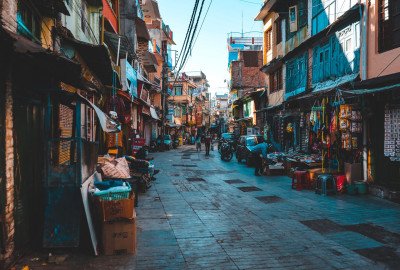
Chas Bazaar
Some quick example text to build on the card title and make up the bulk of the card's content.
Go somewhere
Chechaka Dham
Some quick example text to build on the card title and make up the bulk of the card's content.
Go somewhere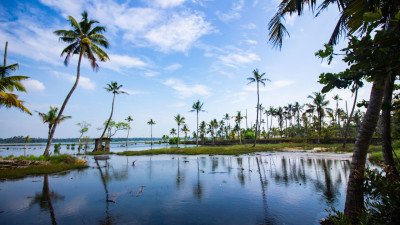
City Park and Lake
Some quick example text to build on the card title and make up the bulk of the card's content.
Go somewhere
City Park
Some quick example text to build on the card title and make up the bulk of the card's content.
Go somewhere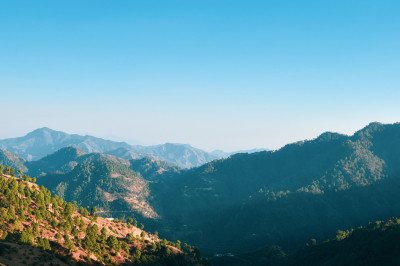
Durga Hills
Some quick example text to build on the card title and make up the bulk of the card's content.
Go somewhere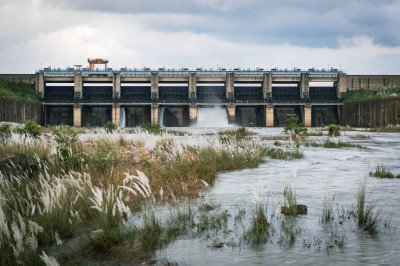
Garga Dam
Some quick example text to build on the card title and make up the bulk of the card's content.
Go somewhere
Gawai Barrage
Some quick example text to build on the card title and make up the bulk of the card's content.
Go somewhere
Gayatri Mandir
Some quick example text to build on the card title and make up the bulk of the card's content.
Go somewhere
Hanuman Mandir, Sector 4
Some quick example text to build on the card title and make up the bulk of the card's content.
Go somewhere
Jagannath Temple
Some quick example text to build on the card title and make up the bulk of the card's content.
Go somewherein Other Cities