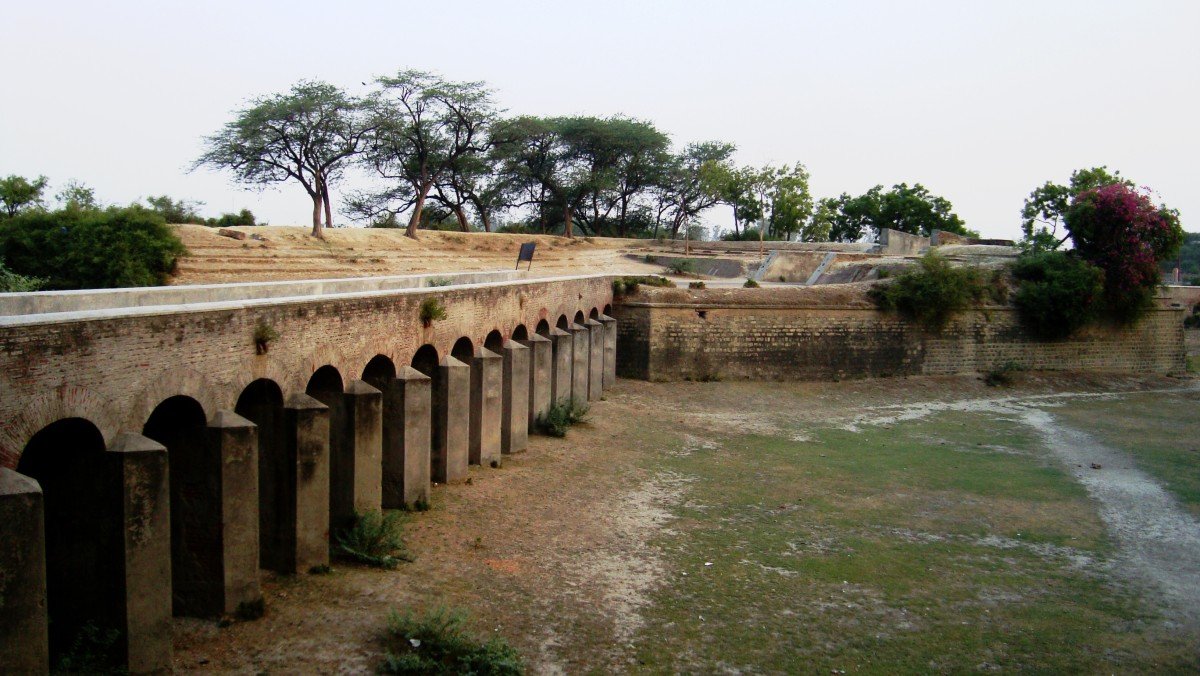
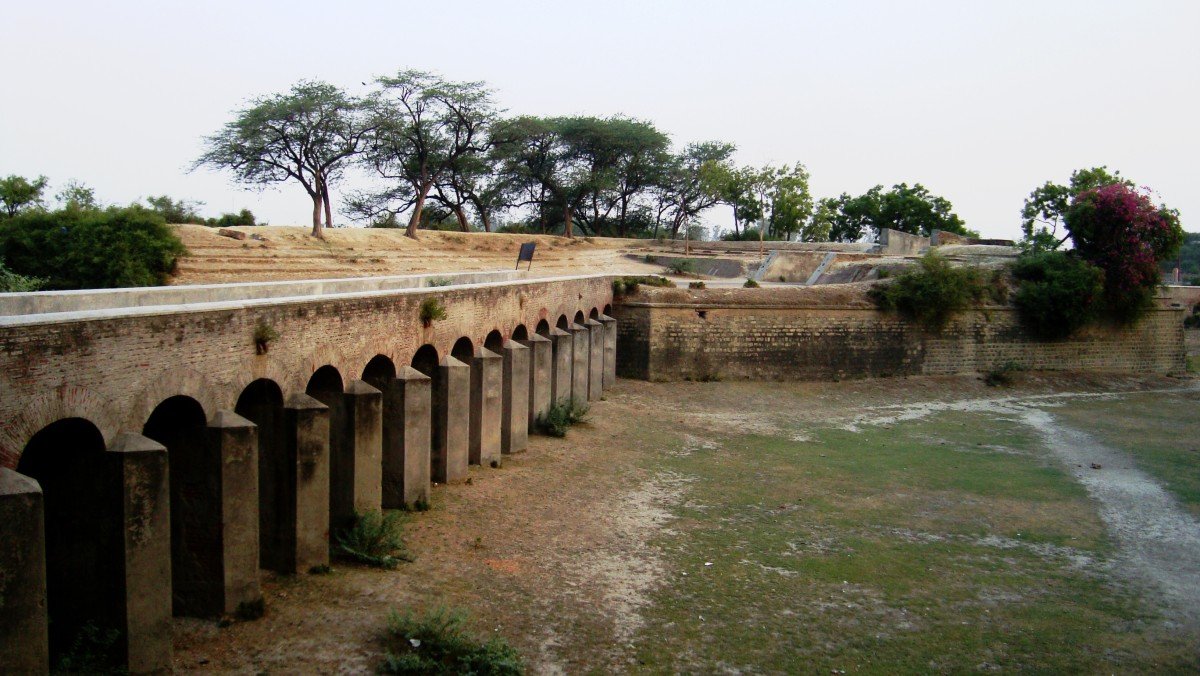
Aligarh Fort
General information
-
Ideal Duration:
Ideal Visit Time:
2 Hours:Place Type:
Fort/Historical LandmarkEntry Fees:
General Public Access: The core ruins and the periphery are generally accessible to the public with No Explicit Entry Fees.
AMU Botanical Garden: Access to the Botanical Garden within the fort premises is typically free for students and may ...General Public Access: The core ruins and the periphery are generally accessible to the public with No Explicit Entry Fees.
AMU Botanical Garden: Access to the Botanical Garden within the fort premises is typically free for students and may be nominal (less than Rs.50) or free for general visitors, but is subject to university rules.
Photography and Camera Fees: There are typically No Separate Camera Fees for general tourist photography.
Parking Fees: Small, nominal fees (around Rs.20-50) may apply for vehicle parking near the entrance.Timing:
Regular Timings: 6:00 AM - 6:00 PM (Generally daylight hours, especially for the open grounds/ruins).
Ideal Visit Time: Mornings (6:00 AM - 9:00 AM) for a cool walk and the best photographic light, or Late Afternoons (4:00 PM - 6:00 PM) for ...Regular Timings: 6:00 AM - 6:00 PM (Generally daylight hours, especially for the open grounds/ruins).
Ideal Visit Time: Mornings (6:00 AM - 9:00 AM) for a cool walk and the best photographic light, or Late Afternoons (4:00 PM - 6:00 PM) for sunset and cooler temperatures.Special Events:
Annual Urs Celebration: The area near the fort and the related tombs often hosts small, local religious gatherings, festivals, or annual fairs (Urs) related to local saints or historical figures.
University Academic Events: Being under the c...Annual Urs Celebration: The area near the fort and the related tombs often hosts small, local religious gatherings, festivals, or annual fairs (Urs) related to local saints or historical figures.
University Academic Events: Being under the control of AMU, the inner courtyard occasionally hosts educational, departmental, or botanical seminars and workshops.Best Photo Spots:
The Main Gate Entrance: The heavily weathered, historical main entrance provides an excellent backdrop for dramatic, high-contrast photos showcasing the fort’s scale and age.
View from the Moat Edge: Capture the entire polygonal structure ...The Main Gate Entrance: The heavily weathered, historical main entrance provides an excellent backdrop for dramatic, high-contrast photos showcasing the fort’s scale and age.
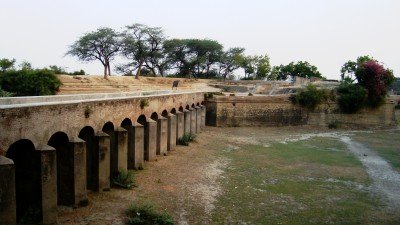
View from the Moat Edge: Capture the entire polygonal structure from a distance across the dried moat to emphasize its massive defensive engineering.
Rampart Corner Bastions: The corner bastions, especially the ones with cannons remnants, offer the best elevated vantage points for capturing the landscape and the fort walls.Photo Gallery
Things To Do
-
Historical Walk and Exploration: Dedicate time to walking the perimeter walls and exploring the remnants of the bastions to appreciate the sheer scale of the fortification.
Botanical Garden Visit: Spend an hour observing the diverse flora and academic activity within the AMU Botanical Garden located inside the fort premises.
History Study and Research: As an academic and historical site, it is a perfect place for students and historians to study the fusion of Mughal and European military architecture.
Picnicking and Leisure: The surrounding open grounds and green spaces, though part of the ruins, are often used by locals for quiet relaxation and leisurely picnics in the evenings.
Photography of Ruins: Capture the dramatic contras...Historical Walk and Exploration: Dedicate time to walking the perimeter walls and exploring the remnants of the bastions to appreciate the sheer scale of the fortification.
Botanical Garden Visit: Spend an hour observing the diverse flora and academic activity within the AMU Botanical Garden located inside the fort premises.
History Study and Research: As an academic and historical site, it is a perfect place for students and historians to study the fusion of Mughal and European military architecture.
Picnicking and Leisure: The surrounding open grounds and green spaces, though part of the ruins, are often used by locals for quiet relaxation and leisurely picnics in the evenings.
Photography of Ruins: Capture the dramatic contrast between the ancient red sandstone walls and the modern greenery of the university's contribution.
Sunset Viewing: Be present during the late afternoon to witness the sunlight bathing the rugged stones, offering a serene and beautiful end to the visit.
Local Food Exploration: Search for local vendors and street food around the Qila area to experience authentic Aligarh cuisine after the visit.
Information
-
Why Famous:
Strategic Location on GT Road: Famous for its pivotal location on the ancient Grand Trunk Road, which was crucial for controlling trade and movement in the Doab region.
Siege and Capture History: Renowned for the Battle of Ally Ghur in 1803,...Strategic Location on GT Road: Famous for its pivotal location on the ancient Grand Trunk Road, which was crucial for controlling trade and movement in the Doab region.
Siege and Capture History: Renowned for the Battle of Ally Ghur in 1803, where the British forces under Lord Gerard Lake successfully breached and captured the fort from the Marathas, marking a major turning point in regional power.
AMU's Botanical Garden: It is famous locally for housing the Botanical Garden of Aligarh Muslim University within its compound, blending history with academic research. -
Architecture:
Military Design Overview: The fort features a strong, regular polygonal structure typical of military forts. It is surrounded by a very broad and deep ditch (moat) for defense, with steep ravines plunging over 30 feet on every side.
French Infl...Military Design Overview: The fort features a strong, regular polygonal structure typical of military forts. It is surrounded by a very broad and deep ditch (moat) for defense, with steep ravines plunging over 30 feet on every side.
French Influence on Fortification: Modifications by the French engineers added advanced European fortification techniques, making it one of the strongest forts in India.
Current Dimension Status: While original internal structures are mostly ruined, the overall footprint covers a significant area on a hill, with bastions marking every angle of its perimeter wall. -
How To Reach:
By Air: Nearest major airport is Indira Gandhi International Airport, New Delhi (DEL) (approx. 140-150 KMS). From there, hire a pre-booked taxi or take a train to Aligarh.
By Train: The closest major station is Aligarh Junction (ALJN), whi...By Air: Nearest major airport is Indira Gandhi International Airport, New Delhi (DEL) (approx. 140-150 KMS). From there, hire a pre-booked taxi or take a train to Aligarh.
By Train: The closest major station is Aligarh Junction (ALJN), which is approximately 3-4 KMS away from the fort site. Take an auto-rickshaw or taxi directly to the fort from the station.
By Road: The fort is located directly on the Grand Trunk Road (GT Road). It is easily accessible by car or local city bus from any part of Aligarh.
By Local Transport: Auto-rickshaws and cycle-rickshaws are readily available throughout the city and are the most common way to reach the fort from the City Center. -
Weather and Best Time to Visit:
Winter Season (November to February): Best Time for comfortable exploration, with temperatures ranging from 5°C to 25°C. The air is crisp and ideal for long walks.
Monsoon Season (July to September): Good Time for lush greenery and dramat...Winter Season (November to February): Best Time for comfortable exploration, with temperatures ranging from 5°C to 25°C. The air is crisp and ideal for long walks.
Monsoon Season (July to September): Good Time for lush greenery and dramatic skies, but humidity is high, and walking can be difficult.
Summer Season (March to June): Avoid the mid-day heat. Only visit during early mornings or late evenings when temperatures are extreme.
Part of the Day: Early Morning is best to avoid crowds and heat, offering a tranquil experience among the ruins. -
Near Tourist Places:
Dor Fortress (Dor Qila Ruins) (On the same site) 0 KMS; Maulana Azad Library (AMU) 5 KMS; Centenary Gate (AMU) 5 KMS; Jama Masjid (Sir Syed Masjid) 6 KMS; Sir Syed House Museum 6 KMS; Aligarh Muslim University Campus 5 KMS; Khereshwar Temple 10 KMS; Baradwari Chowk 4 KMS; Ramghat Road Market 4. 5 KMS; Lal Diggi Park 5. 5 KMS.
Tourism Tips
-
Health & Safety: Wear comfortable shoes for walking on uneven terrain and carry a water bottle. Be mindful of loose stones and high drops from the ramparts.
Packing Essentials: Sunscreen, a hat, and sunglasses are a must, especially during ...Health & Safety: Wear comfortable shoes for walking on uneven terrain and carry a water bottle. Be mindful of loose stones and high drops from the ramparts.
Packing Essentials: Sunscreen, a hat, and sunglasses are a must, especially during midday. Bring a zoom lens for photography to capture distant architectural details.
Accommodation: Stay in the Civil Lines area of Aligarh for better quality hotel options, such as Lemon Tree Hotel or Fortune Park, and then take a short drive to the fort.
Other Tips: Since it is partly managed by AMU, check for any specific restrictions related to photography or entry during academic hours, though typically open to the public.
Reviews
FAQs
Aligarh Itineray And Cost:-
Other Places In Aligarh :-
Other States In India :-
Information about New and Updated Locations() of Uttar Pradesh Has Been Added :-
Card subtitle
Note:-
Information provided here in good Faith and for reference only.
Near Places
Aligarh Fort
Some quick example text to build on the card title and make up the bulk of the card's content.
Go somewhere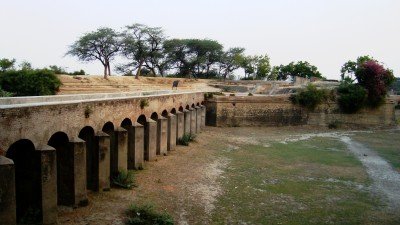
Baba Barchi Bahadur Dargah
Some quick example text to build on the card title and make up the bulk of the card's content.
Go somewhere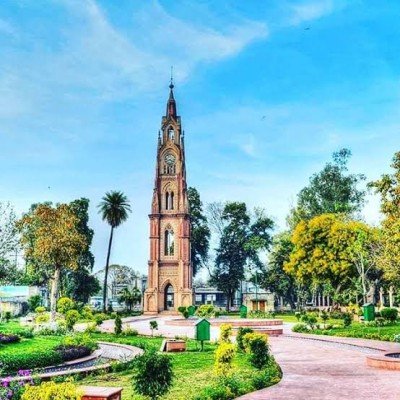
Baradwari Chowk Ghanta Ghar
Some quick example text to build on the card title and make up the bulk of the card's content.
Go somewhere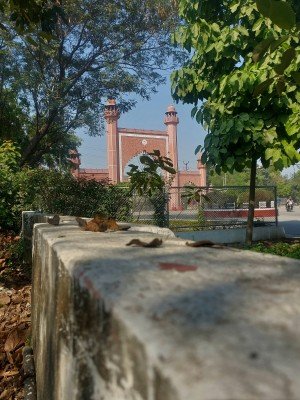
Centenary Gate
Some quick example text to build on the card title and make up the bulk of the card's content.
Go somewhere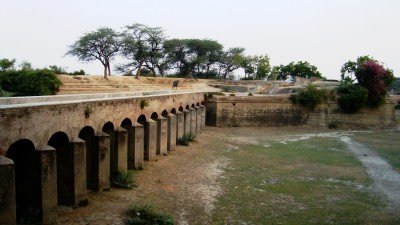
Chacha Nehru Gyan Pushp
Some quick example text to build on the card title and make up the bulk of the card's content.
Go somewhere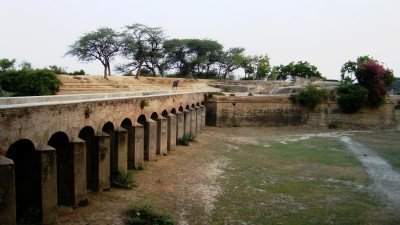
Dor Fortress
Some quick example text to build on the card title and make up the bulk of the card's content.
Go somewhere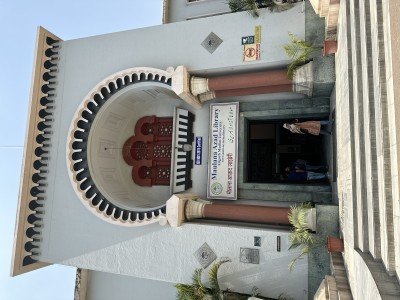
Fort Royal
Some quick example text to build on the card title and make up the bulk of the card's content.
Go somewhere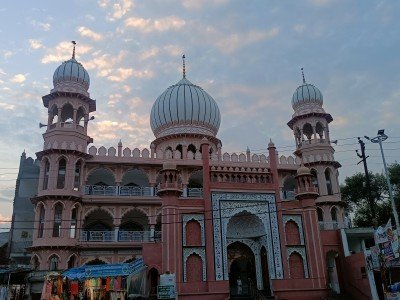
Ghanta Ghar
Some quick example text to build on the card title and make up the bulk of the card's content.
Go somewhere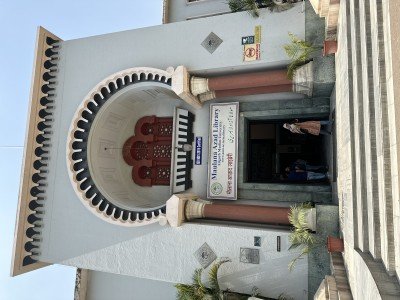
Hakim Karam Hussain Museum
Some quick example text to build on the card title and make up the bulk of the card's content.
Go somewhere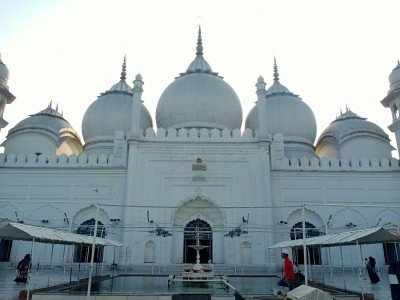
Jama Masjid
Some quick example text to build on the card title and make up the bulk of the card's content.
Go somewhere
Khereshwar Temple
Some quick example text to build on the card title and make up the bulk of the card's content.
Go somewhere
Maulana Azad Library
Some quick example text to build on the card title and make up the bulk of the card's content.
Go somewhere
Naqvi Park
Some quick example text to build on the card title and make up the bulk of the card's content.
Go somewhere
Shekha Bird Sanctuary
Some quick example text to build on the card title and make up the bulk of the card's content.
Go somewhere
Sir Syed Academy Museum
Some quick example text to build on the card title and make up the bulk of the card's content.
Go somewhere
Skyhigh India
Some quick example text to build on the card title and make up the bulk of the card's content.
Go somewherein Other Cities