

Khereshwar Temple
General information
-
Ideal Duration:
1. 5 hoursPlace Type:
Hindu Temple, Religious Site, Ancient SiteEntry Fees:
Temple Management and Maintenance: There are generally no formal entry fees for the main temple complex, following the tradition of free access to Hindu places of worship.
Donation and Offerings: Visitors are expected to pay for offerings su...Temple Management and Maintenance: There are generally no formal entry fees for the main temple complex, following the tradition of free access to Hindu places of worship.
Donation and Offerings: Visitors are expected to pay for offerings such as flowers, milk, or sweets, and a voluntary donation for the temple's maintenance is highly encouraged but not mandatory.
Pooja and Ritual Costs: Specific ritual services, such as a special Abhishek or Sankalp pooja performed by a priest, may require a pre-determined fee or a larger suggested donation for the priest's services.
Parking and Amenities: A small, nominal fee might be charged for parking vehicles in designated areas near the temple.
Timing:
Regular Timings: Open daily from 5:00 AM to 9:00 PM, though these hours can be extended during major festivals like Shivaratri.
Ideal Visit Time: The best time is during the early morning (5:00 {AM} - 7:00 {AM}) for quiet worship...Regular Timings: Open daily from 5:00 AM to 9:00 PM, though these hours can be extended during major festivals like Shivaratri.
Ideal Visit Time: The best time is during the early morning (5:00 {AM} - 7:00 {AM}) for quiet worship or the evening Aarti (6:30 {PM} - 8:00 {PM}) for a spiritual experience.
Peak Hours: Expect the temple to be crowded during the whole Shravan month and on Mondays, which is dedicated to Lord Shiva.
Special Events:
Maha Shivaratri Festival: The biggest annual event, celebrated with immense fervor in the month of February or March, featuring all-night prayers, fasts, and large processions.
Shravan Month Mela: A massive, month-long religious fair (Mela) ...Maha Shivaratri Festival: The biggest annual event, celebrated with immense fervor in the month of February or March, featuring all-night prayers, fasts, and large processions.
Shravan Month Mela: A massive, month-long religious fair (Mela) held during July-August as a major transit point for Kanwariyas traveling to collect and offer holy water.
Basant Panchami Celebration: A smaller, colorful festival celebrating the arrival of Spring, marked by special prayers and temple decoration.
Best Photo Spots:
Main Temple Dome: The towering dome structure and the surrounding vibrant flags provide an excellent long-shot photo opportunity against the sky, especially at sunrise.
Intricate Carvings on Ceiling: Capture close-up, high-detail shots of th...Main Temple Dome: The towering dome structure and the surrounding vibrant flags provide an excellent long-shot photo opportunity against the sky, especially at sunrise.
Intricate Carvings on Ceiling: Capture close-up, high-detail shots of the metallic mural finish and complex stonework inside the prayer hall.
The Holy Pond (Gandhawa): The water body, especially when reflecting the temple structure during the golden hour, makes for a tranquil and aesthetic shot.
Devotees in Prayer: Candid photographs of pilgrims participating in the aarti or offering prayers capture the spiritual essence and human element of the visit.
Photo Gallery
Things To Do
-
Spiritual Immersion and Prayer: Participate in the morning or evening Aarti (prayer ritual) to experience the powerful spiritual energy and rhythmic chanting.
Ritual Dip in Gandhawa: Take a traditional, purifying dip in the holy Gandhawa pond, an important part of the pilgrimage.
Architecture and Photography: Capture the intricate metallic mural work on the ceilings and the classic North Indian temple dome structure.
Community Engagement: Interact with the local priests and older devotees to learn the detailed, oral history and specific legends of the temple.
Festive Celebration: Plan a visit during Shivaratri or the Shravan month to witness the temple at its most vibrant and crowded state.
Relaxatio...Spiritual Immersion and Prayer: Participate in the morning or evening Aarti (prayer ritual) to experience the powerful spiritual energy and rhythmic chanting.
Ritual Dip in Gandhawa: Take a traditional, purifying dip in the holy Gandhawa pond, an important part of the pilgrimage.
Architecture and Photography: Capture the intricate metallic mural work on the ceilings and the classic North Indian temple dome structure.
Community Engagement: Interact with the local priests and older devotees to learn the detailed, oral history and specific legends of the temple.
Festive Celebration: Plan a visit during Shivaratri or the Shravan month to witness the temple at its most vibrant and crowded state.
Relaxation and Meditation: The surrounding environment of green fields offers a serene place for quiet contemplation and meditation away from the city noise.
Local Cuisine: Try the local street food and sweets often sold by vendors outside the temple, which form part of the festive atmosphere.
Candle Lighting Ceremony: Light a lamp (Diya) near the sanctum or the pond as an offering of devotion and good fortune.
Religious Shopping: Purchase traditional devotional items, bangles, or sacred threads from the small shops near the temple gate.
Cultural Observation: Spend time observing the rituals and the social dynamic of the pilgrims, which is a rich anthropological experience.
Information
-
Why Famous:
The Myth of Ashwatthama: The temple's primary fame rests on the ancient belief that the Mahabharata figure Ashwatthama visits nightly to worship the Shivlingam, lending it an air of profound mystery and spiritual power.
Shravan Month Pilgrimage:...The Myth of Ashwatthama: The temple's primary fame rests on the ancient belief that the Mahabharata figure Ashwatthama visits nightly to worship the Shivlingam, lending it an air of profound mystery and spiritual power.
Shravan Month Pilgrimage: During the holy Hindu month of Shravan (July-August), the temple becomes a hub for devotees (Kanwariyas) who travel long distances to offer Ganga Jal, making it a major pilgrimage site in Western Uttar Pradesh.
Architecture and Art: Its unique architectural design, particularly the intricate carvings and metallic mural finish on the ceiling, is a testament to regional craftsmanship.
-
Architecture:
Temple Design and Materials: The temple exhibits traditional North Indian temple architecture, characterized by a domed prayer hall (Mandapa) and a central shrine (Garbhagriha) where the Shivlingam is housed. The overall structure follows the prevalent style of early modern...Temple Design and Materials: The temple exhibits traditional North Indian temple architecture, characterized by a domed prayer hall (Mandapa) and a central shrine (Garbhagriha) where the Shivlingam is housed. The overall structure follows the prevalent style of early modern era temple construction in the region.
Decorative Elements and Finish: The architecture is notable for its intricate carvings and sculptures that adorn the ceilings and walls, showcasing the fine craftsmanship of local artisans. The ceiling often features a metallic mural finish, adding an element of historical and aesthetic richness. The idols of other Hindu deities housed within the complex are often crafted from brass.
Dimensions and Layout: While exact blueprint dimensions are not publicly cited, the temple complex is a sizable area, encompassing the main shrine, the Gandhawa holy pond, and a large courtyard for devotees. The main sanctum is a focal point, designed to focus spiritual energy. The entire layout is structured to facilitate circumambulation (Parikrama) and communal worship. The structure is built primarily of local stone and brick, painted in traditional hues.
-
How To Reach:
By Air: The nearest major airport is Indira Gandhi International Airport (DEL) in Delhi, Rs.150 KMS away. From there, hire a pre-booked taxi or take a train to Aligarh Junction, followed by local transport.
By Train: The temple is located Rs.5...By Air: The nearest major airport is Indira Gandhi International Airport (DEL) in Delhi, Rs.150 KMS away. From there, hire a pre-booked taxi or take a train to Aligarh Junction, followed by local transport.
By Train: The temple is located Rs.5 KMS from the major Aligarh Junction (ALJN) railway station, which is well-connected to all major Indian cities. An auto-rickshaw or taxi can be hired from the station.
By Road: It is easily accessible via the Khair Bypass road, which connects State Highway 22A and National Highway 91 (NH 91). Aligarh is well-connected by bus services from Delhi, Agra, and Lucknow.
By Local Transport: From the Aligarh city center, a short auto-rickshaw or a local cab ride is the most convenient and affordable option.
-
Weather and Best Time to Visit:
Winter Season (Best Time): The period from November to February offers the most pleasant weather for a visit, with cool and comfortable temperatures ideal for spending time outdoors.
Summer Season (Avoid): The May and June months are charact...Winter Season (Best Time): The period from November to February offers the most pleasant weather for a visit, with cool and comfortable temperatures ideal for spending time outdoors.
Summer Season (Avoid): The May and June months are characterized by extreme heat, making daytime visits challenging.
Monsoon Season (Special): The Monsoon (July to September), particularly the Shravan month, is spiritually significant due to the pilgrimage, despite the rains.
Early Morning: Ideal for peaceful reflection, avoiding crowds, and experiencing the first Aarti of the day.
Evening Time: Perfect for the main Aarti, a lively atmosphere, and comfortable walking temperatures.
-
Near Tourist Places:
Aligarh Fort (Rs.8 KMS), Teerthdham Mangalayatan (Rs.18 KMS), Naqvi Park (Rs.7 KMS), Jama Masjid (Rs.6 KMS), Sir Syed Academy Museum (Rs.9 KMS), Dargah Baba Barchhi Bahadur (Rs.6 KMS), Shekha Bird Sanctuary (Rs.22 KMS), Maulana Azad Library (Rs.8 KMS), Dhanipur Airstrip (Rs.10 KMS), Kala Mahal (Rs.7 KMS).
Tourism Tips
-
Health & safety: Always carry a small water bottle, especially if visiting during the warmer months, and wear comfortable, modest clothing as a sign of respect for the religious site. Be mindful of personal belongings in crowded areas, particularly during festivals.Health & safety: Always carry a small water bottle, especially if visiting during the warmer months, and wear comfortable, modest clothing as a sign of respect for the religious site. Be mindful of personal belongings in crowded areas, particularly during festivals.
Packing Essentials: Carry an offering (flowers, milk, sweets), a shawl or scarf for head covering (especially for women), and a camera to capture the architecture (be respectful of ongoing rituals).
Accommodation: Numerous mid-range and luxury hotels are available near the Aligarh City Center and Ramghat Road. Consider booking in advance during peak festival times like Shivaratri.
Other Tips: Remove footwear outside the main temple and holy pond area. Engage with the local vendors but bargain politely. Check the local calendar for Shravan month dates to plan a pilgrimage visit.
Reviews
FAQs
Aligarh Itineray And Cost:-
Khereshwar Temple Tourism:-
Other Places In Aligarh :-
Other States In India :-
Information about New and Updated Locations() of Uttar Pradesh Has Been Added :-
Card subtitle
Note:-
Information provided here in good Faith and for reference only.
Near Places
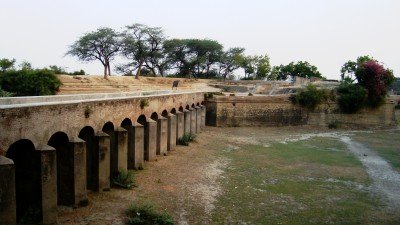
Aligarh Fort
Some quick example text to build on the card title and make up the bulk of the card's content.
Go somewhere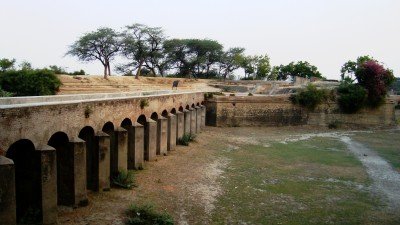
Baba Barchi Bahadur Dargah
Some quick example text to build on the card title and make up the bulk of the card's content.
Go somewhere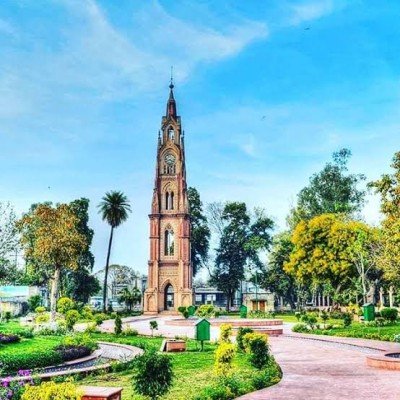
Baradwari Chowk Ghanta Ghar
Some quick example text to build on the card title and make up the bulk of the card's content.
Go somewhere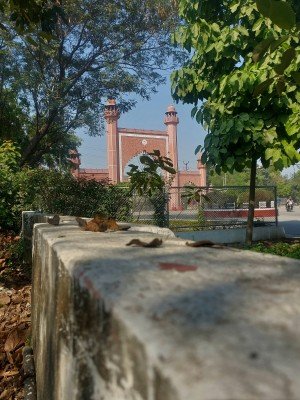
Centenary Gate
Some quick example text to build on the card title and make up the bulk of the card's content.
Go somewhere
Chacha Nehru Gyan Pushp
Some quick example text to build on the card title and make up the bulk of the card's content.
Go somewhere
Dor Fortress
Some quick example text to build on the card title and make up the bulk of the card's content.
Go somewhere
Fort Royal
Some quick example text to build on the card title and make up the bulk of the card's content.
Go somewhere
Ghanta Ghar
Some quick example text to build on the card title and make up the bulk of the card's content.
Go somewhere
Hakim Karam Hussain Museum
Some quick example text to build on the card title and make up the bulk of the card's content.
Go somewhere
Jama Masjid
Some quick example text to build on the card title and make up the bulk of the card's content.
Go somewhere
Khereshwar Temple
Some quick example text to build on the card title and make up the bulk of the card's content.
Go somewhere
Maulana Azad Library
Some quick example text to build on the card title and make up the bulk of the card's content.
Go somewhere
Naqvi Park
Some quick example text to build on the card title and make up the bulk of the card's content.
Go somewhere
Shekha Bird Sanctuary
Some quick example text to build on the card title and make up the bulk of the card's content.
Go somewhere
Sir Syed Academy Museum
Some quick example text to build on the card title and make up the bulk of the card's content.
Go somewhere
Skyhigh India
Some quick example text to build on the card title and make up the bulk of the card's content.
Go somewherein Other Cities