

Ambedkar Memorial Park
General information
-
Ideal Duration:
2-3 Hours:Place Type:
Memorial Park, Landmark:Entry Fees:
For Indian Citizens: Entry Fee is generally around INR 20 per person.
For Foreign Tourists: The fee is usually the same as for Indian nationals, around INR 20 per person.
Camera Charges: Separate charges app...For Indian Citizens: Entry Fee is generally around INR 20 per person.
For Foreign Tourists: The fee is usually the same as for Indian nationals, around INR 20 per person.
Camera Charges: Separate charges apply for carrying professional still cameras (often around INR 50-100) and video cameras (INR 200-300).
Exemptions and Concessions: Children below a certain height (often 3 feet) may have free entry. School groups or organized educational tours might qualify for subsidized rates upon prior arrangement.
Parking Fee: There is a nominal fee for vehicle parking, which varies based on the type of vehicle (two-wheeler or four-wheeler).
Value for Money: Given the vast area, maintenance, and the significance of the structures, the minimal entry fee is considered excellent value for the experience.
:Timing:
Regular Timings: The park is open daily from 11:00 AM to 9:00 PM.
Ideal Visit Time: The best time to visit is during the late afternoon and early evening (4:00 PM to 8:00 PM). This avoids the mid-day heat and allows you to witness the beau...Regular Timings: The park is open daily from 11:00 AM to 9:00 PM.
Ideal Visit Time: The best time to visit is during the late afternoon and early evening (4:00 PM to 8:00 PM). This avoids the mid-day heat and allows you to witness the beautiful sunset and the park's stunning illumination after dark.
Morning Visits: While technically open in the late morning, the large paved areas can get hot, making a later visit more comfortable.
Seasonal Variation: During Winters (October to March), a mid-day visit is pleasant. In Summers (April to June), stick strictly to the late evening hours to avoid extreme heat.
Weekends and Holidays: Expect higher footfall, especially in the evening, so if you prefer solitude, visit on a weekday morning.
:Special Events:
Commemoration Days: The park hosts major gatherings and ceremonies on key dates such as Ambedkar Jayanti (April 14) and other days related to the lives of the social reformers commemorated there.
State-Level Functions: It is a prime venue f...Commemoration Days: The park hosts major gatherings and ceremonies on key dates such as Ambedkar Jayanti (April 14) and other days related to the lives of the social reformers commemorated there.
State-Level Functions: It is a prime venue for state-level political and cultural functions, especially those focused on social justice and marginalized communities.
Muharram Processions: While the park itself is secular, its location near major arteries means it sometimes features in the routes of religious or community processions, particularly during Muharram, though it is not a primary religious site.
:Best Photo Spots:
The Elephant Statues Line-up: The long, symmetrical rows of giant red sandstone elephant statues offer an incredible perspective shot, especially capturing their scale against the sky or the main Stupa.
The Central Stupa from the Reflection Pool...The Elephant Statues Line-up: The long, symmetrical rows of giant red sandstone elephant statues offer an incredible perspective shot, especially capturing their scale against the sky or the main Stupa.
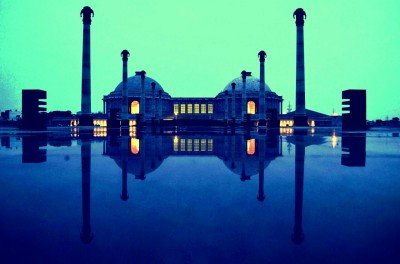
The Central Stupa from the Reflection Pool: Photographing the main Stupa (Prateek Sthal) reflected in the surrounding water bodies or long-paved areas creates a magnificent, balanced, and serene image.
Night Illumination Shots: The entire complex, when floodlit after dark, provides dramatic, high-contrast photo opportunities, emphasizing the power of the architecture. The Bronze Statue of Dr.
Ambedkar: Capture the imposing statue, focusing on its height and the detailing of the bronze work, best done at mid-day for clear light or golden hour for a warm glow.
Vistas from Elevated Platforms: Utilize the raised platforms within the park to capture sweeping panoramic views of the entire 107-acre complex and the surrounding Gomti Nagar area.
:Photo Gallery
Things To Do
-
Leisure and Reflection: Spend time walking along the expansive pathways, designed for contemplation and quiet reflection on the ideals of social justice and equality.
Photography: Capture the scale and symmetry of the architecture, especially the iconic lines of the red sandstone elephant statues, which are lined up in imposing rows. The evening light is particularly good for dramatic shots.
Visit the Museum and Library: Dedicate at least an hour to the on-site museum and library to delve into the history and philosophy of Dr. B. R. Ambedkar and the social reform movements he championed. This offers a meaningful, educational dimension to the visit.
Enjoy the Landscaping: Relax by the water bodies and in the well-manicured gardens. The contrast between the r...Leisure and Reflection: Spend time walking along the expansive pathways, designed for contemplation and quiet reflection on the ideals of social justice and equality.
Photography: Capture the scale and symmetry of the architecture, especially the iconic lines of the red sandstone elephant statues, which are lined up in imposing rows. The evening light is particularly good for dramatic shots.
Visit the Museum and Library: Dedicate at least an hour to the on-site museum and library to delve into the history and philosophy of Dr. B. R. Ambedkar and the social reform movements he championed. This offers a meaningful, educational dimension to the visit.
Enjoy the Landscaping: Relax by the water bodies and in the well-manicured gardens. The contrast between the rigid, grand architecture and the soft, green landscape is a highlight.
Observe Local Life: The park is a popular spot for local residents for evening walks and family outings, providing an opportunity to observe the city's modern public life.
Attend a Commemorative Event: If visiting during a time of significance (like Ambedkar Jayanti in April), attending a public event here can be a unique cultural experience.
Stroll through the Pratibimb Sthal: This section, dedicated to the statues of other social reformers, offers a concentrated historical learning experience.
Dine at the Food Court: Try some local snacks and refreshments at the park’s food court, a break spot that blends the cultural visit with everyday leisure.
Capture the Night View: Stay until after sunset to witness the park in its fully illuminated glory, a completely different and equally stunning visual experience.
Study the Statues: Take time to read the inscriptions and closely examine the bronze statues, as each one is a piece of art representing a significant personality.
Bird Watching: In the quieter parts of the park, especially near the water features, early morning visitors might enjoy a bit of bird watching in the green expanse.
Fitness Walk/Jogging: The long, straight pathways are perfect for a refreshing walk or jog, especially in the cooler mornings or evenings.
Meditative Space: Find a quiet corner away from the main monuments for a few minutes of peace and meditation, inspired by the park's tranquil atmosphere.
:
Information
-
Why Famous:
Modern Symbol of Social Justice: The park's fame lies in its monumental dedication to Dr. B. R. Ambedkar, the chief architect of the Indian Constitution and a champion of the marginalized. It is a modern symbol of social reform, equality, and justice, attracting visitors...Modern Symbol of Social Justice: The park's fame lies in its monumental dedication to Dr. B. R. Ambedkar, the chief architect of the Indian Constitution and a champion of the marginalized. It is a modern symbol of social reform, equality, and justice, attracting visitors interested in socio-political history. The grandeur and scale of the complex make it a widely recognized landmark.
Impressive Red Sandstone Construction: Its extensive use of red sandstone across all its structures, including colossal elephants and statues, is a visually striking feature that has contributed to its popularity and recognition as a unique architectural project in India. This material gives it a distinct and powerful appearance, especially during sunset.
Hub for Political and Cultural Events: It often serves as a venue for major political gatherings, commemorative events, and cultural programs, keeping it in the public eye. The park's political symbolism is a key driver of its fame, marking it as a pilgrimage site for followers of Dr. Ambedkar's ideology.
: -
Architecture:
Architecture Style:
Buddhist and Modern Indian Influences: The architecture is a bold, modern interpretation, largely utilizing robust red sandstone. It incorporates elements reminiscent of Buddhist Stupas and Indian monumental construction....Architecture Style:
Buddhist and Modern Indian Influences: The architecture is a bold, modern interpretation, largely utilizing robust red sandstone. It incorporates elements reminiscent of Buddhist Stupas and Indian monumental construction.
Key Architectural Elements: The central focus is the main Stupa (Prateek Sthal), which is surrounded by a series of colossal statues of elephants, considered a symbol of strength and good fortune. The design is characterized by symmetry, open space, and sheer scale, aiming for an imposing and reverent effect. The use of identical material throughout provides a unified aesthetic.
Dimensions and Scale: The complex sprawls over 107 acres (approximately 0. 43 square kilometers). The main Stupa is about 110 feet (34 meters) high. The bronze statue of Dr. B. R. Ambedkar is approximately 35 feet (10. 6 meters) tall, mounted on a pedestal. The vast, paved plazas and reflection pools amplify the sense of monumentality. The architecture eschews traditional Awadhi or Mughal styles for a distinctly contemporary, large-scale, and imposing structure. The material choice—durable sandstone—suggests permanence and strength, perfectly fitting the park's theme of enduring social change. The entire park is a masterwork of landscape architecture, integrating water bodies and pathways with the structures.
: -
How To Reach:
By Air: The nearest airport is Chaudhary Charan Singh International Airport (LKO), approximately 20-22 KMS away. From the airport, one can hire pre-paid taxis, app-based cabs, or use the airport shuttle service to reach the park in Gomti Nagar. The journey usually takes 45...By Air: The nearest airport is Chaudhary Charan Singh International Airport (LKO), approximately 20-22 KMS away. From the airport, one can hire pre-paid taxis, app-based cabs, or use the airport shuttle service to reach the park in Gomti Nagar. The journey usually takes 45-60 minutes, depending on traffic.
By Train: The nearest major railway station is Lucknow Junction (LJN) or Charbagh Railway Station, situated about 9-10 KMS from the park. Lucknow City station is another option. From these stations, auto-rickshaws, e-rickshaws, and cycle rickshaws are readily available. App-based taxis also provide comfortable and reliable transport. The travel time is typically 25-40 minutes.
By Road: The park is well-connected by major roads and is located in the prominent Gomti Nagar area. State-run buses and private city buses connect various parts of Lucknow to this area. For self-driving tourists, ample paid parking is available. National Highway 27 (NH 27) and other arterial roads provide smooth access from surrounding cities.
By Local Transport: The Lucknow Metro is a convenient option; the nearest metro station is Gomti Nagar Metro Station (on the current or future lines, but check the operational status, currently KD Singh Babu Stadium or Hazratganj might be more direct via road). From the metro station, one can take an auto or e-rickshaw. Local auto-rickshaws and app-based cabs are the most common and accessible modes of transport within the city to reach the park. Always negotiate auto-rickshaw fares or ensure the meter is used.
: -
Weather and Best Time to Visit:
Different Types of Seasons: The Best Time to visit is during Winter (October to March), when the weather is cool and pleasant, ideal for long walks and enjoying the open complex. Monsoon (July to September) offers lush greenery but can be humid, and rain can disrupt outdoor...Different Types of Seasons: The Best Time to visit is during Winter (October to March), when the weather is cool and pleasant, ideal for long walks and enjoying the open complex. Monsoon (July to September) offers lush greenery but can be humid, and rain can disrupt outdoor exploration. Summer (April to June) is extremely hot, making a visit comfortable only in the early morning or late evening.
Different Parts of the Day: The Ideal Time is late afternoon (4:00 PM onwards) to evening (9:00 PM), allowing you to experience the park in daylight, catch the sunset, and witness the spectacular floodlighting of the monuments, which is a major draw. Early evenings are the most lively. Mid-day is best avoided due to the heat reflecting off the large stone surfaces.
: -
Near Tourist Places:
Dr. Ram Manohar Lohiya Park (3 KMS), Marine Drive, Lucknow (4 KMS), Gomti Riverfront (5 KMS), Janeshwar Mishra Park (5 KMS), Hazratganj Market (6 KMS), State Museum (7 KMS), Lucknow Zoo (8 KMS), Begum Hazrat Mahal Park (8 KMS), Chattar Manzil (8 KMS), British Residency (10 KMS).
(Distances are approximate road distance):
Tourism Tips
-
Health & safety: Carry a water bottle, especially if visiting in the afternoon, as the open stone area can be very hot. Wear comfortable walking shoes to navigate the large complex. Be mindful of your steps around water bodies.
Packing: C...Health & safety: Carry a water bottle, especially if visiting in the afternoon, as the open stone area can be very hot. Wear comfortable walking shoes to navigate the large complex. Be mindful of your steps around water bodies.
Packing: Carry a wide-brimmed hat, sunglasses, and sunscreen during the day. A camera is essential to capture the grand scale of the monuments. Keep essentials light as the complex is vast.
Accommodation: Many good hotels, ranging from budget to luxury, are available in the nearby Gomti Nagar area, offering convenient access to the park and other modern amenities.
Cultural Sensitivity: Although a secular monument, maintain respectful behavior, especially around the statues of revered figures. Avoid littering and shouting to preserve the solemn atmosphere of the memorial.
Other Different Topics heading:
Guide/Information: Consider hiring a local guide or utilizing the available information boards to understand the deep historical and cultural significance of each structure.
Photography Rules: Check for any updates on photography restrictions, especially for commercial photography, though general tourist photography is allowed.
Food: While a food court is available, for a larger meal, the surrounding Gomti Nagar area offers numerous excellent dining options.
Accessibility: The park generally offers good accessibility with ramps and flat pathways, but its large size means considerable walking is still required.
Bargaining: Bargaining is not applicable at the park's ticket counter but may be necessary for local auto-rickshaws outside the complex.
:
Reviews
FAQs
Lucknow Itineray And Cost:-
Ambedkar Memorial Park Tourism:-
Other Places In Lucknow :-
Other States In India :-
Information about New and Updated Locations() of Uttar Pradesh Has Been Added :-
Card subtitle
Note:-
Information provided here in good Faith and for reference only.
Near Places
Ambedkar Memorial Park
Some quick example text to build on the card title and make up the bulk of the card's content.
Go somewhere
Aminabad Market
Some quick example text to build on the card title and make up the bulk of the card's content.
Go somewhere
Bara Imambara
Some quick example text to build on the card title and make up the bulk of the card's content.
Go somewhere
Begum Hazrat Mahal Park
Some quick example text to build on the card title and make up the bulk of the card's content.
Go somewhere
British Residency
Some quick example text to build on the card title and make up the bulk of the card's content.
Go somewhere
Chattar Manzil
Some quick example text to build on the card title and make up the bulk of the card's content.
Go somewhere
Chota Imambara
Some quick example text to build on the card title and make up the bulk of the card's content.
Go somewhere
Dilkusha Kothi
Some quick example text to build on the card title and make up the bulk of the card's content.
Go somewhere
Hazratganj Market
Some quick example text to build on the card title and make up the bulk of the card's content.
Go somewhere
Hussainabad Clock Tower
Some quick example text to build on the card title and make up the bulk of the card's content.
Go somewhere
Indira Gandhi Planetarium
Some quick example text to build on the card title and make up the bulk of the card's content.
Go somewhere
Janeshwar Mishra Park
Some quick example text to build on the card title and make up the bulk of the card's content.
Go somewhere
La Martinière College
Some quick example text to build on the card title and make up the bulk of the card's content.
Go somewhere
Lucknow Museum
Some quick example text to build on the card title and make up the bulk of the card's content.
Go somewhere
Marine Drive
Some quick example text to build on the card title and make up the bulk of the card's content.
Go somewhere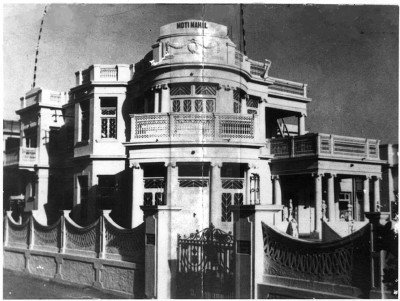
Moti Mahal
Some quick example text to build on the card title and make up the bulk of the card's content.
Go somewherein Other Cities