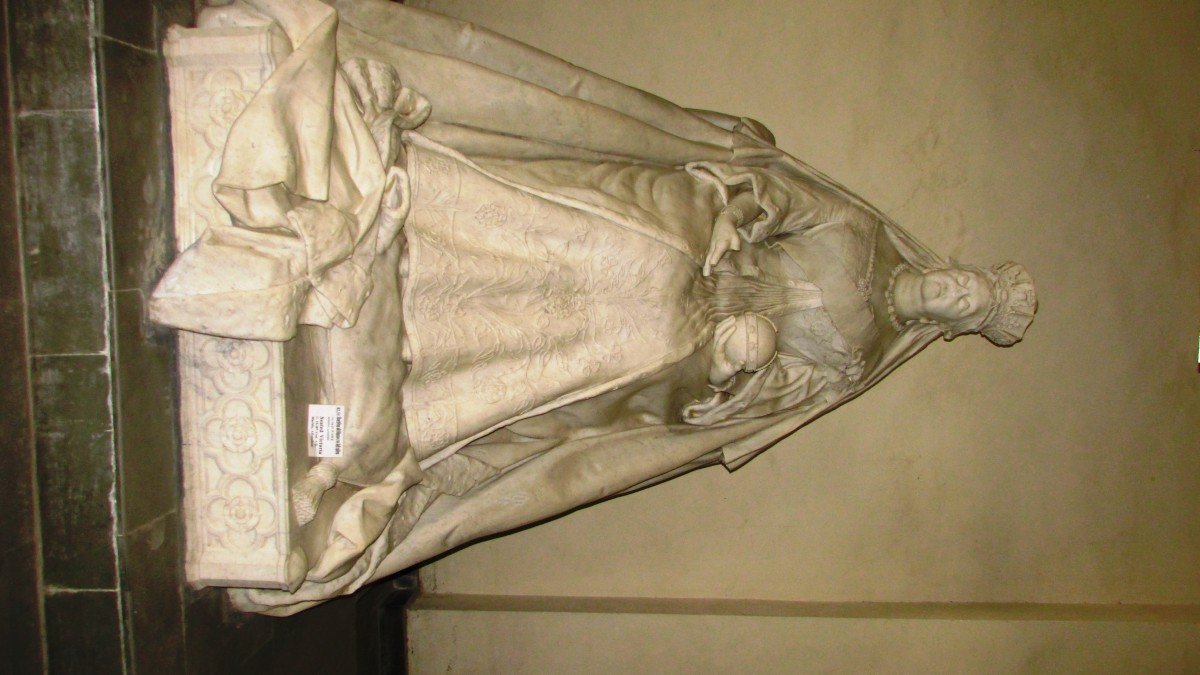
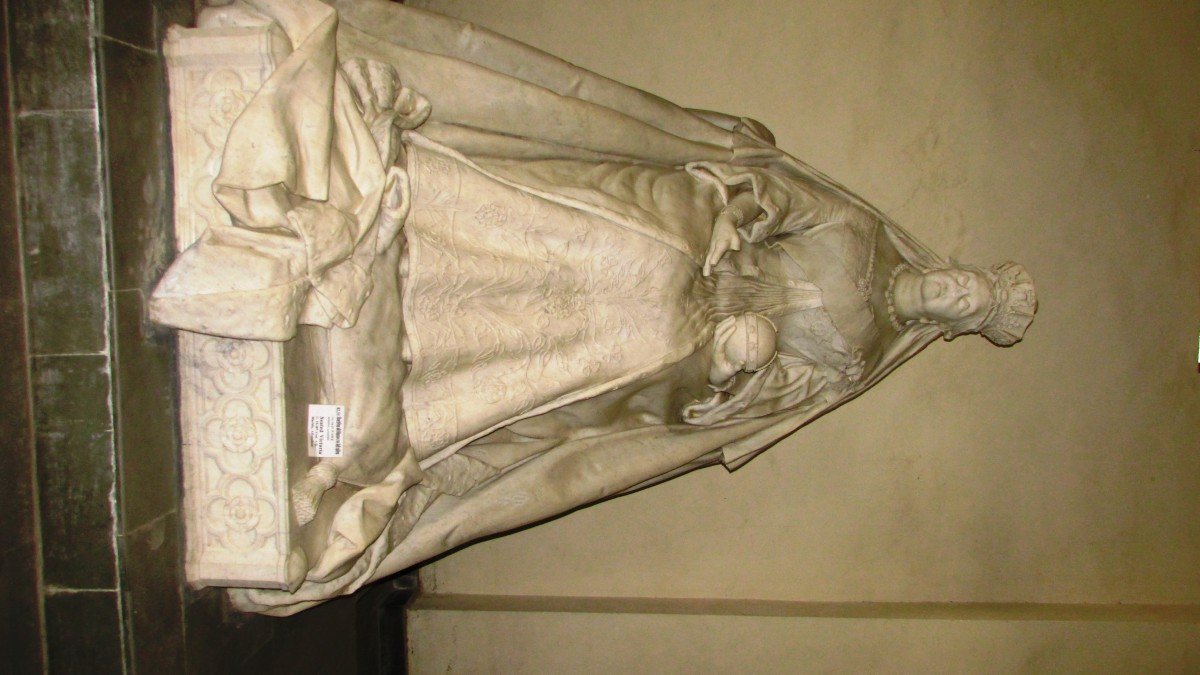
Lucknow Museum
General information
-
Ideal Duration:
2-3 Hours (For detailed viewing):Place Type:
History/Art Museum:Entry Fees:
Indian Citizens (Adults): INR 10 per person (may be included in the Zoo ticket or nominal).
Indian Citizens (Children): INR 5 per child (Highly nominal, promoting accessibility).
Foreign Nationals: INR 100 p...Indian Citizens (Adults): INR 10 per person (may be included in the Zoo ticket or nominal).
Indian Citizens (Children): INR 5 per child (Highly nominal, promoting accessibility).
Foreign Nationals: INR 100 per person (Nominal, but higher than the domestic rate).
Camera Fees:
Still Camera: INR 20.
Video Camera: INR 50 (Essential to check and pay for photography).
Inclusivity: The fees are intentionally kept very low to ensure that the preservation of history and culture is accessible to all segments of the public.
Combined Ticket: Often, a single ticket for the Nawab Wajid Ali Shah Zoological Garden (Zoo) may include or offer discounted access to the museum, but tickets are generally separate.
Concession: Special concessions and bulk discounts may be available for large groups of students or researchers upon prior application. :Timing:
Regular Timings: Generally open from 10:30 AM to 4:30 PM daily. The museum is typically Closed on Mondays and on certain public holidays, so a pre-visit check is essential.
Ideal Visit Time: The best time to visit is immediately after the o...Regular Timings: Generally open from 10:30 AM to 4:30 PM daily. The museum is typically Closed on Mondays and on certain public holidays, so a pre-visit check is essential.
Ideal Visit Time: The best time to visit is immediately after the opening at 10:30 AM or in the early afternoon (1:00 PM – 3:00 PM). This avoids the heat of the midday and allows for a comfortable exploration time of 2-3 hours.
Avoid Rush: Weekdays are less crowded than weekends. Visiting in the early hours ensures a quieter experience, allowing for detailed study of the exhibits.
Optimal Season: The mild climate of the Winter months (November to February) makes the entire experience (including the walk through the surrounding zoo) more pleasant.
Last Entry: Ensure arrival at least an hour before the closing time, as the gate might close early to manage visitor flow. :Special Events:
Museum Week Celebrations: The museum celebrates International Museum Day in May and other national heritage weeks, often featuring special exhibitions, discounted entry, and expert lectures.
Art and History Workshops: Regular workshops and s...Museum Week Celebrations: The museum celebrates International Museum Day in May and other national heritage weeks, often featuring special exhibitions, discounted entry, and expert lectures.
Art and History Workshops: Regular workshops and seminars are conducted for students and enthusiasts on topics like coin collection, art preservation, and regional history, especially during school breaks.
Temporary Thematic Exhibitions: The museum frequently hosts temporary exhibitions focusing on specific themes, such as a particular dynasty, art form, or archaeological find, adding fresh content for repeat visitors.
Lecture Series: Distinguished historians and archaeologists are often invited to deliver public lectures on significant topics related to the museum's collections and regional history.
Heritage Month Events: Special cultural performances and displays are organized during the Lucknow Mahotsav and other state-sponsored heritage months to highlight the museum's relevance. :Best Photo Spots:
The Main Museum Building Facade: A wide-angle shot of the modern building, framed by the lush greenery of the Zoological Garden, is the best way to capture the structure.
The Mathura Sculptures Gallery: A close-up shot of the most intricate ...The Main Museum Building Facade: A wide-angle shot of the modern building, framed by the lush greenery of the Zoological Garden, is the best way to capture the structure.
The Mathura Sculptures Gallery: A close-up shot of the most intricate and famous statues, such as the Jain Tirthankara, showcasing the artistic detail (check for flash restrictions).
The Egyptian Exhibit: The mummy and its sarcophagus are a unique and visually striking photo opportunity within the museum.
The Central Hall Rotunda: The interior of the central main hall, with its high ceiling and architectural flow, provides an excellent perspective shot.
Historical Maps and Documents: The galleries displaying ancient maps, firmans, and historical documents offer a chance for detailed, unique photography that tells a deeper story.
Exterior of the Zoo Gate: A combined shot of the museum's entrance along with the signage for the Nawab Wajid Ali Shah Zoological Garden highlights the unique, combined location.
Statues in the Lawn: Any large, historical statues or cannons placed on the lawns outside the museum building, often overlooked, provide a historical outdoor backdrop. :Photo Gallery
Things To Do
-
Explore the Archaeological Gallery: Spend time viewing the extensive array of ancient pottery, tools, weapons, and terracotta figures, tracing the evolution of civilization in the region.
Study the Sculptures: Focus on the magnificent stone and bronze sculptures, particularly the famous pieces from the Mathura School and the rare Jain Tirthankara statue.
Discover the Painting Section: Admire the collection of traditional paintings, including the distinctive Mughal, Pahari, and Awadhi styles, that depict historical scenes and court life.
Visit the Numismatic Section: Examine the vast collection of coins from different dynasties to understand the economic timeline of the region.
Guided Tours: Opt for a guided tour to gain deeper, i...Explore the Archaeological Gallery: Spend time viewing the extensive array of ancient pottery, tools, weapons, and terracotta figures, tracing the evolution of civilization in the region.
Study the Sculptures: Focus on the magnificent stone and bronze sculptures, particularly the famous pieces from the Mathura School and the rare Jain Tirthankara statue.
Discover the Painting Section: Admire the collection of traditional paintings, including the distinctive Mughal, Pahari, and Awadhi styles, that depict historical scenes and court life.
Visit the Numismatic Section: Examine the vast collection of coins from different dynasties to understand the economic timeline of the region.
Guided Tours: Opt for a guided tour to gain deeper, insightful information about the artifacts and their historical context from the knowledgeable staff.
See the Mummy: Locate and examine the famous Egyptian mummy and its sarcophagus, a rare exhibit in a state museum.
Combine with the Zoo: Since the museum is inside the Zoo premises, plan a combined visit to explore both the cultural and natural history of Lucknow.
Attend a Workshop: Check for any scheduled workshops, seminars, or special educational programs focusing on art history or archaeology, which are often held for the public.
Browse the Gift Shop: Look for literature, replicas, and souvenirs related to the collections for an intellectual memento.
Rest and Reflect: Use the designated rest areas to absorb the knowledge and history presented by the centuries of artifacts. :
Information
-
Why Famous:
Mathura School Sculptures: It is highly famous for its unparalleled collection of sculptures from the Mathura School of Art, showcasing the intricate craftsmanship and religious iconography of ancient India, including rare Jain and Buddhist artifacts.
Read MoreMathura School Sculptures: It is highly famous for its unparalleled collection of sculptures from the Mathura School of Art, showcasing the intricate craftsmanship and religious iconography of ancient India, including rare Jain and Buddhist artifacts.
Historical Antiquity: As one of the oldest museums in India (established 1863), it holds a significant historical place in the preservation of the nation's heritage, particularly the history of Awadh.
Numismatic Collection: The museum houses an impressive and comprehensive collection of coins and currency from various dynasties, which are invaluable for studying the economic history of the region.
Awadhi Heritage: It is a vital center for artifacts related to the Nawabs of Awadh, including paintings, decorative arts, and historical documents that define the glorious culture of Lucknow.
Strategic Location: Its location within the popular Lucknow Zoo complex makes it easily accessible and a part of a combined family and educational outing, boosting its popularity among local and visiting families. :Architecture:
Architectural Setting: The museum is housed in a modern, purpose-built building within the expansive Nawab Wajid Ali Shah Zoological Garden complex, designed to safely and aesthetically display its diverse and valuable collections. The building is a notable example of late ...Architectural Setting: The museum is housed in a modern, purpose-built building within the expansive Nawab Wajid Ali Shah Zoological Garden complex, designed to safely and aesthetically display its diverse and valuable collections. The building is a notable example of late colonial/early post-Independence public architecture, emphasizing functionality and space for exhibits.
Historical Context: While the collections date from 1863, the current structure in Banarasi Bagh was inaugurated in 1963, a hundred years later. Its design prioritized the specific needs of a state museum, including dedicated sections for archaeology, art, anthropology, and numismatics.
Interior Layout: The building is divided into several thematic galleries, each designed with specific lighting and display cases to showcase the artifacts effectively. The layout facilitates a chronological and thematic journey through history for the visitor.
Gallery Features: Key features include dedicated spaces for the famous Mathura sculptures, a gallery for paintings (including Mughal and Pahari styles), and an extensive coin collection, with the architecture acting as a neutral backdrop to highlight the artifacts.
Surroundings: Its location adjacent to the Lucknow Zoo provides a serene and green environment, contrasting with the often dense locations of older heritage structures, with dimensions suitable for large public groups and school excursions. :How To Reach:
By Air: The nearest airport is Chaudhary Charan Singh International Airport (LKO), approx. 13 KMS away. Hire a taxi to the museum located within the Lucknow Zoo premises in Banarasi Bagh. The drive is about 30 minutes.
By Train: The museu...By Air: The nearest airport is Chaudhary Charan Singh International Airport (LKO), approx. 13 KMS away. Hire a taxi to the museum located within the Lucknow Zoo premises in Banarasi Bagh. The drive is about 30 minutes.
By Train: The museum is very close to the main Lucknow Junction (LJN)/Charbagh Railway Station, only about 4 KMs away. It is easily accessible via auto-rickshaw or taxi in about 15 minutes.
By Road: The museum is centrally located on Hazratganj Road, adjacent to the Civil Hospital, making it a prominent and easily reachable landmark by all city transport and private vehicles.
By Local Transport: Local city buses and shared auto-rickshaws frequently stop near the Zoo gate. The most convenient way is to use a ride-sharing service or a pre-booked local cab, as the location is well-known to all city drivers. The nearby location of the Zoo provides an ample number of parking spots. :Weather and Best Time to Visit:
Different Types of Seasons: Winter (October to March) is the best time for a comfortable visit, as the temperate weather is perfect for the overall exploration of the museum and the surrounding Zoo complex. Summer is best managed by visiting during the early operating hours...Different Types of Seasons: Winter (October to March) is the best time for a comfortable visit, as the temperate weather is perfect for the overall exploration of the museum and the surrounding Zoo complex. Summer is best managed by visiting during the early operating hours (10:30 AM to 1:00 PM) to avoid the peak heat. Monsoon can make external walking challenging, but the indoor museum remains unaffected.
Different Parts of the Day: The morning hours after opening (10:30 AM – 1:00 PM) are generally the quietest, allowing for a focused and unhurried appreciation of the artifacts. The early afternoon is also suitable before the evening rush to the Zoo begins.
Academic Visits: For research and academic study, the quietest period is the weekday morning during the off-peak season (e. g. , in September). :Near Tourist Places:
Nawab Wajid Ali Shah Zoological Garden (0 KMs - Inside the premises), Hazratganj Market (2 KMs), Sikandar Bagh (3 KMs), Shah Najaf Imambara (3 KMs), British Residency (3. 5 KMs), Rumi Darwaza (5 KMs), Bara Imambara (5. 5 KMs), Chota Imambara (5. 5 KMs), Moti Mahal (2.
5 KMs), La Martinière College (4 KMs):Tourism Tips
-
Health & Safety: The museum is a safe environment, but be mindful of touch-sensitive exhibits. Follow the staff's instructions regarding photography. Keep water and basic first aid items handy, especially if visiting the Zoo as well.
Packing:<...Health & Safety: The museum is a safe environment, but be mindful of touch-sensitive exhibits. Follow the staff's instructions regarding photography. Keep water and basic first aid items handy, especially if visiting the Zoo as well.
Packing: Carry minimal baggage, as large bags may not be allowed inside the exhibit halls and lockers may be limited. A notepad for taking notes is useful for history enthusiasts.
Accommodation: Staying in the central Hazratganj or Gomti Nagar areas provides the best access, with numerous high-quality hotels within a 5 KMs radius. Bookings should be secured in advance during the popular winter season.
Other Different Topics Heading: Allocate sufficient time, as the comprehensive collection of the State Museum can easily take 3 hours to appreciate fully. Plan the visit to coincide with the Zoo opening or closing to maximize the trip. Confirm the Monday closing and public holiday schedule before visiting. :
Reviews
FAQs
Lucknow Itineray And Cost:-
Other Places In Lucknow :-
Other States In India :-
Information about New and Updated Locations() of Uttar Pradesh Has Been Added :-
Card subtitle
Note:-
Information provided here in good Faith and for reference only.
Near Places
Ambedkar Memorial Park
Some quick example text to build on the card title and make up the bulk of the card's content.
Go somewhere
Aminabad Market
Some quick example text to build on the card title and make up the bulk of the card's content.
Go somewhere
Bara Imambara
Some quick example text to build on the card title and make up the bulk of the card's content.
Go somewhere
Begum Hazrat Mahal Park
Some quick example text to build on the card title and make up the bulk of the card's content.
Go somewhere
British Residency
Some quick example text to build on the card title and make up the bulk of the card's content.
Go somewhere
Chattar Manzil
Some quick example text to build on the card title and make up the bulk of the card's content.
Go somewhere
Chota Imambara
Some quick example text to build on the card title and make up the bulk of the card's content.
Go somewhere
Dilkusha Kothi
Some quick example text to build on the card title and make up the bulk of the card's content.
Go somewhere
Hazratganj Market
Some quick example text to build on the card title and make up the bulk of the card's content.
Go somewhere
Hussainabad Clock Tower
Some quick example text to build on the card title and make up the bulk of the card's content.
Go somewhere
Indira Gandhi Planetarium
Some quick example text to build on the card title and make up the bulk of the card's content.
Go somewhere
Janeshwar Mishra Park
Some quick example text to build on the card title and make up the bulk of the card's content.
Go somewhere
La Martinière College
Some quick example text to build on the card title and make up the bulk of the card's content.
Go somewhere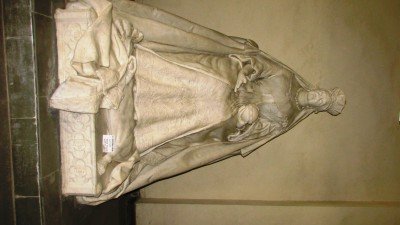
Lucknow Museum
Some quick example text to build on the card title and make up the bulk of the card's content.
Go somewhere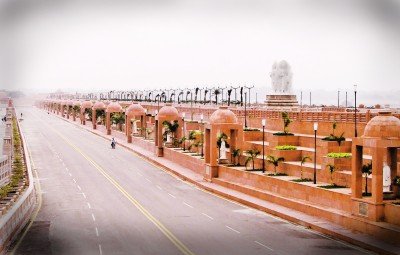
Marine Drive
Some quick example text to build on the card title and make up the bulk of the card's content.
Go somewhere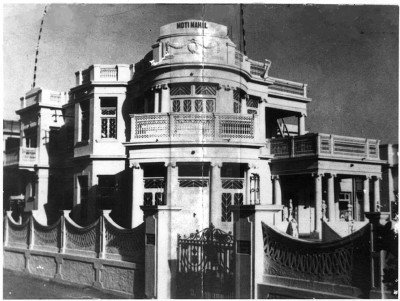
Moti Mahal
Some quick example text to build on the card title and make up the bulk of the card's content.
Go somewherein Other Cities