Satkhanda
General information
-
Ideal Duration:
30 Minutes - 1 Hour (External View):Place Type:
Historical Tower/Monument:Entry Fees:
Entry Fee: There is generally No Entry Fee to visit the Satkhanda, as it is an unenclosed public monument.
Timings: It is generally Open 24 Hours for external viewing, as it is a structure in a public area. Internal access is typically rest...Entry Fee: There is generally No Entry Fee to visit the Satkhanda, as it is an unenclosed public monument.
Timings: It is generally Open 24 Hours for external viewing, as it is a structure in a public area. Internal access is typically restricted due to the structure's abandoned state and safety concerns.
Justification: Its status as an unfinished and currently non-operational monument makes it a freely accessible historical site, emphasizing its cultural value over commercial appeal.
Associated Costs: Costs would only include hiring a local guide (highly recommended for the history) and minimal charges for local transport or parking in the crowded Husainabad area.
Restoration Donation: Any small donations for the monument's ongoing preservation and restoration would be optional, but appreciated. :Timing:
Regular Timings: The monument is an unenclosed public structure and is generally Open 24 Hours for viewing. However, the best and safest time for a visit is during daylight hours.
Ideal Visit Time: The best time to visit is during the early...Regular Timings: The monument is an unenclosed public structure and is generally Open 24 Hours for viewing. However, the best and safest time for a visit is during daylight hours.
Ideal Visit Time: The best time to visit is during the early morning (7:00 AM – 9:00 AM) for a quiet viewing experience and the best photography light. The late afternoon is also suitable to combine the visit with the evening illumination of the nearby Imambaras.
Internal Access: Note that the interior is usually closed for safety reasons.
Optimal Season: Winter (November to February) provides the most pleasant weather for an extended walk around the historical complex.
Avoid Rainy Days: The area around the base can be muddy during heavy rain, making the Monsoon season less ideal for an unhurried visit. :Special Events:
Muharram Processions: Due to its proximity to the Chota Imambara and the Husainabad heritage complex, the Satkhanda is a key vantage point and backdrop for the annual Muharram processions, a major cultural and religious event.
Festival Illuminat...Muharram Processions: Due to its proximity to the Chota Imambara and the Husainabad heritage complex, the Satkhanda is a key vantage point and backdrop for the annual Muharram processions, a major cultural and religious event.
Festival Illumination: Like the adjacent monuments, the Satkhanda is often beautifully illuminated during major festivals like Diwali and Eid, transforming the silent ruin into a dramatic focal point.
Heritage Walks: The tower is a crucial stop on the organized heritage walks of Old Lucknow, with special events organized by cultural groups, often on weekend mornings.
Commemoration Ceremonies: Small, local ceremonies might be held on the death anniversary of Nawab Muhammad Ali Shah (March) to honor his legacy and the lost potential of the tower.
Photography and Art Competitions: Its unique, ruin-like status makes it a frequent subject for local photography, sketching, and art competitions, with occasional public exhibitions nearby. :Best Photo Spots:
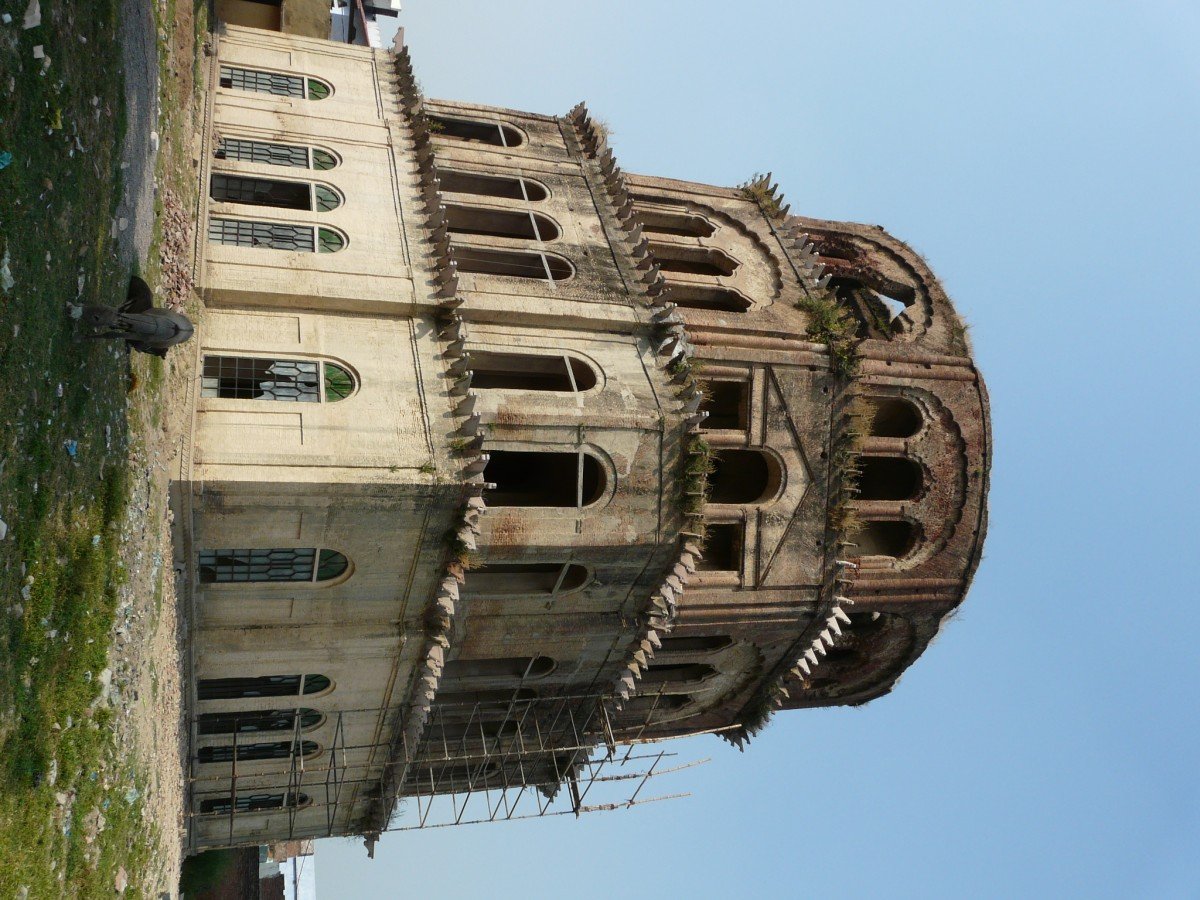
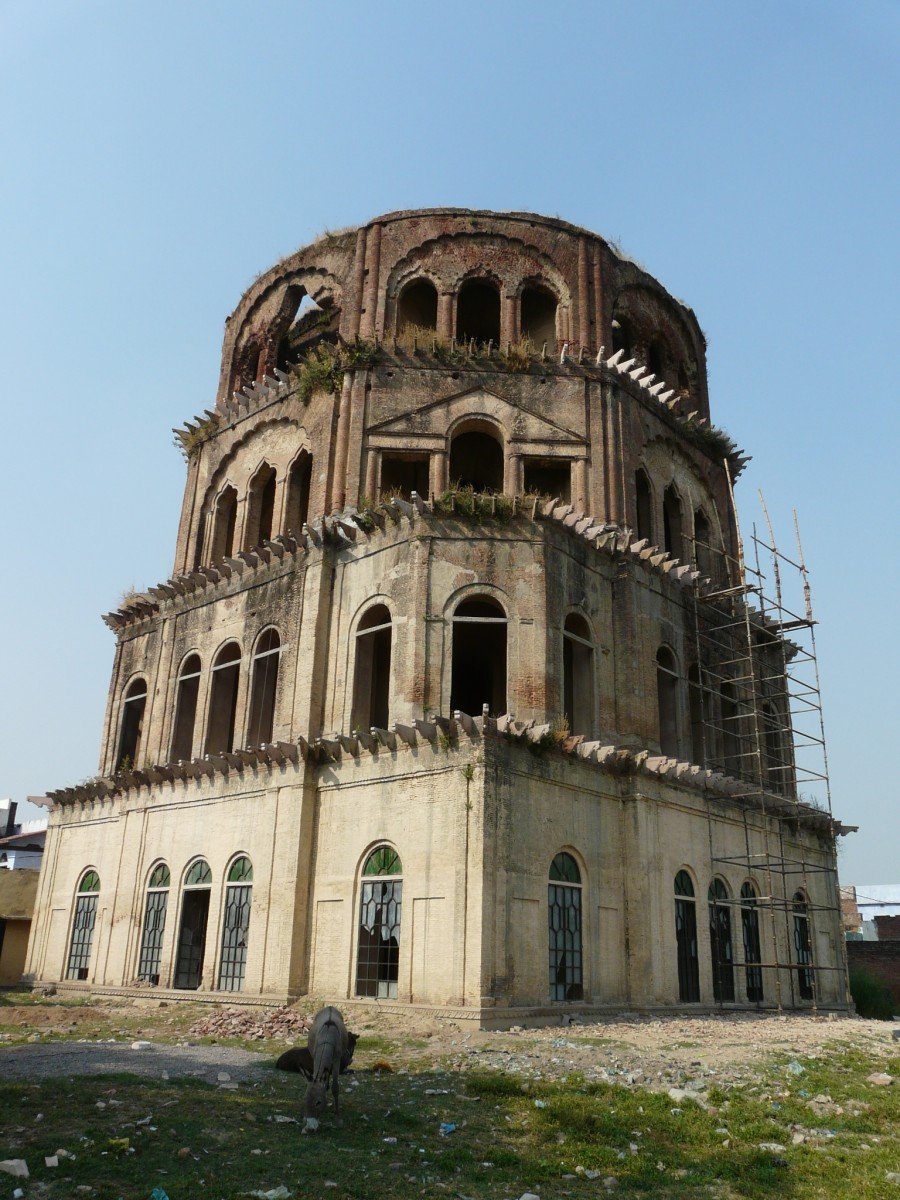
The Unfinished Top: The most iconic shot is a close-up of the stark, flat, and unfinished top of the fourth story, symbolizing the abrupt end of the project and the unfulfilled seven-story dream.
Low-Angle View: A dramatic, low-angle shot fr...The Unfinished Top: The most iconic shot is a close-up of the stark, flat, and unfinished top of the fourth story, symbolizing the abrupt end of the project and the unfulfilled seven-story dream.
Low-Angle View: A dramatic, low-angle shot from the base emphasizes the height of the four completed stories and the sense of the structure towering over the viewer.
Framing the Chota Imambara: Using one of the arched openings of the Satkhanda as a natural frame to capture the dome or facade of the nearby Chota Imambara creates a powerful and contextual photo.
Sunset Silhouette: Capturing the silhouette of the red-brick structure against the dramatic colors of the sunset sky highlights its texture and imposing presence.
The Arched Windows: Detailed shots of the arched window openings, showcasing the subtle blend of Awadhi and European decorative elements, are excellent for architectural photography.
The Ground Floor Archway: The main archway on the ground floor, which was likely intended as the main entrance, is a good spot for a portrait photo. :Photo Gallery
Things To Do
-
External Photography: Capture the imposing, unfinished four-story height and the contrasting red-brick texture from various angles, especially with the Chota Imambara or Rumi Darwaza in the background.
Imagine the Full Structure: Stand at the base and visualize the planned seven-story grandeur, reflecting on the historical narrative of the unfulfilled project.
Walk the Perimeter: Walk around the base to observe the different sides of the structure and the arched openings, noting the current state of preservation and the surroundings.
Look for the Clock: Identify the position of the old clock tower on the structure, even if the clock itself is no longer there, and consider the building's role as a former urban timepiece.
Visit the Adj...External Photography: Capture the imposing, unfinished four-story height and the contrasting red-brick texture from various angles, especially with the Chota Imambara or Rumi Darwaza in the background.
Imagine the Full Structure: Stand at the base and visualize the planned seven-story grandeur, reflecting on the historical narrative of the unfulfilled project.
Walk the Perimeter: Walk around the base to observe the different sides of the structure and the arched openings, noting the current state of preservation and the surroundings.
Look for the Clock: Identify the position of the old clock tower on the structure, even if the clock itself is no longer there, and consider the building's role as a former urban timepiece.
Visit the Adjacent Monuments: Combine the visit with the nearby, complete, and highly decorated Chota Imambara to contrast the unfinished Satkhanda with the full realization of Nawab Muhammad Ali Shah's architectural vision.
Historical Context: Engage a local guide (often found near the Imambaras) to get the full story of Nawab Muhammad Ali Shah's death and the Pisa inspiration.
View the Architecture: Look closely at the windows and arches to spot the blend of Mughal and European architectural influences. :
Information
-
Why Famous:
Unfinished Grandeur: It is primarily famous for its historical narrative: the dramatic story of a grand seven-story project that was abandoned at the fourth floor due to the sudden death of the sponsoring Nawab Muhammad Ali Shah.
Pisa Inspiratio...Unfinished Grandeur: It is primarily famous for its historical narrative: the dramatic story of a grand seven-story project that was abandoned at the fourth floor due to the sudden death of the sponsoring Nawab Muhammad Ali Shah.
Pisa Inspiration: The local fame comes from the belief that it was inspired by the Leaning Tower of Pisa, making it a piece of European architectural ambition transplanted to Lucknow.
Gateway to Eid Chand: The popular legend that the tower was built to help the Nawab sight the moon for the Eid festival makes it a culturally famous site, linking it to religious practice.
A Silent Witness: It is a striking, somber monument that stands as a powerful symbol of the transient nature of power and the unfulfilled architectural dreams of the Awadhi era.
Prominent Landmark: Its location near the Chota Imambara and Rumi Darwaza solidifies its fame as a key, unmissable piece of the historical Husainabad complex. : -
Architecture:
Inspired by Pisa: The core architectural inspiration for the Satkhanda was a European structure, the Leaning Tower of Pisa, though it was intended to be a symmetrical structure. This fusion of European inspiration with Awadhi construction techniques is its defining architec...Inspired by Pisa: The core architectural inspiration for the Satkhanda was a European structure, the Leaning Tower of Pisa, though it was intended to be a symmetrical structure. This fusion of European inspiration with Awadhi construction techniques is its defining architectural feature.
Dimensions and Materials: The tower is a distinct red-brick structure, with only four stories completed out of the planned seven. The use of robust brick construction, which was then faced or plastered, is characteristic of the time. The architectural plan included an imposing height that would dominate the skyline.
Mughal/European Blend: The structure features distinct elements of both architectural traditions, visible in the arched windows, perhaps the planned use of a chhatri at the top, and the overall tiered, vertical design, a hallmark of Nawabi experimental architecture.
The Clock Feature: A notable architectural feature that was added later is a clock atop the unfinished structure, which, while not original to the Nawab's plan, became a key landmark in the early 20th Century.
The Unfinished State: The four distinct floors, each with large arched openings, stand as a testament to the abrupt halt in construction, with the flat, unfinished top providing the most telling architectural dimension. : -
How To Reach:
By Air: The nearest airport is Chaudhary Charan Singh International Airport (LKO), approx. 15 KMs away. Hire a taxi to the Old Lucknow area near the Chota Imambara. The journey takes about 35-45 minutes.
By Train: The major station is Luc...By Air: The nearest airport is Chaudhary Charan Singh International Airport (LKO), approx. 15 KMs away. Hire a taxi to the Old Lucknow area near the Chota Imambara. The journey takes about 35-45 minutes.
By Train: The major station is Lucknow Junction (LJN)/Charbagh Railway Station, approx. 5 KMs away. Take an auto-rickshaw or taxi to the Husainabad complex. The journey takes about 15-20 minutes.
By Road: Satkhanda is located in the dense, historical Husainabad complex of Old Lucknow, near the Rumi Darwaza. It is a major landmark, easily reached by all city transport, but be prepared for heavy traffic congestion and limited parking.
By Local Transport: The nearest metro station is a few kilometers away (e. g. , Pandeyganj Metro Station), requiring a short auto-rickshaw ride. Shared auto-rickshaws and cycle-rickshaws are the best way to navigate the narrow roads of the Old City area. : -
Weather and Best Time to Visit:
Different Types of Seasons: Winter (October to March) is the ideal season for a visit due to the cool, temperate weather, which makes exploring the entire Husainabad complex comfortable. Summer is challenging due to the heat in the open area. Monsoon can make the grounds a...Different Types of Seasons: Winter (October to March) is the ideal season for a visit due to the cool, temperate weather, which makes exploring the entire Husainabad complex comfortable. Summer is challenging due to the heat in the open area. Monsoon can make the grounds around the base slippery and wet.
Different Parts of the Day: The Early Morning is highly recommended for a quiet and uncluttered experience, offering the best light for photography. The Late Afternoon is also suitable for a visit before sunset, combined with the illuminated view of the nearby structures.
Avoid Midday: The heat and the crowd make the central day hours less enjoyable.
Festival Time: Visit during Muharram or major festivals to see the area's spiritual and cultural vibrancy. : -
Near Tourist Places:
Chota Imambara (0. 1 KMs), Rumi Darwaza (0. 2 KMs), Clock Tower (0. 2 KMs), Bara Imambara (0. 6 KMs), Picture Gallery (0. 3 KMs), Tomb of Saadat Ali Khan (4 KMs), Tomb of Begum Hazrat Mahal (4. 5 KMs), British Residency (3 KMs), Lucknow Museum (5 KMs), Hazratganj Market (5 KMs):
Tourism Tips
-
Health & Safety: The monument is not fully preserved, so be cautious of uneven ground around the base. Do not attempt to enter the structure (as it is restricted). Be mindful of traffic in the very central area. Carry water and wear sunscreen.Health & Safety: The monument is not fully preserved, so be cautious of uneven ground around the base. Do not attempt to enter the structure (as it is restricted). Be mindful of traffic in the very central area. Carry water and wear sunscreen.
Packing: Wear comfortable shoes for walking on historical terrain. A good wide-angle lens is useful for capturing the height of the structure. Carry cash for guides and small purchases in the nearby markets.
Accommodation: Staying in Hazratganj or New Lucknow is generally recommended, as the immediate Old City area has fewer modern hotel options. Plan for a short taxi ride to the site.
Other Different Topics Heading: Must combine the visit with the adjacent Chota Imambara and the Rumi Darwaza. Hire a local guide to fully appreciate the 19th-century historical context and the story of the unfinished project. Be prepared for the vibrant, crowded atmosphere of the Old City. :
Reviews
FAQs
Lucknow Itineray And Cost:-
Other Places In Lucknow :-
Other States In India :-
Information about New and Updated Locations() of Uttar Pradesh Has Been Added :-
Card subtitle
Note:-
Information provided here in good Faith and for reference only.
Near Places
Ambedkar Memorial Park
Some quick example text to build on the card title and make up the bulk of the card's content.
Go somewhere
Aminabad Market
Some quick example text to build on the card title and make up the bulk of the card's content.
Go somewhere
Bara Imambara
Some quick example text to build on the card title and make up the bulk of the card's content.
Go somewhere
Begum Hazrat Mahal Park
Some quick example text to build on the card title and make up the bulk of the card's content.
Go somewhere
British Residency
Some quick example text to build on the card title and make up the bulk of the card's content.
Go somewhere
Chattar Manzil
Some quick example text to build on the card title and make up the bulk of the card's content.
Go somewhere
Chota Imambara
Some quick example text to build on the card title and make up the bulk of the card's content.
Go somewhere
Dilkusha Kothi
Some quick example text to build on the card title and make up the bulk of the card's content.
Go somewhere
Hazratganj Market
Some quick example text to build on the card title and make up the bulk of the card's content.
Go somewhere
Hussainabad Clock Tower
Some quick example text to build on the card title and make up the bulk of the card's content.
Go somewhere
Indira Gandhi Planetarium
Some quick example text to build on the card title and make up the bulk of the card's content.
Go somewhere
Janeshwar Mishra Park
Some quick example text to build on the card title and make up the bulk of the card's content.
Go somewhere
La Martinière College
Some quick example text to build on the card title and make up the bulk of the card's content.
Go somewhere
Lucknow Museum
Some quick example text to build on the card title and make up the bulk of the card's content.
Go somewhere
Marine Drive
Some quick example text to build on the card title and make up the bulk of the card's content.
Go somewhere
Moti Mahal
Some quick example text to build on the card title and make up the bulk of the card's content.
Go somewherein Other Cities