
Artist Village
General information
-
Ideal Duration:
1 to 2 HoursPlace Type:
Cultural Center, Art & CraftEntry Fees:
No General Entrance Fee: Entry into the Artist Village (Gandharvapur) is free for all tourists, emphasizing its role as a cultural and educational public space.
Workshop Fees: There may be a small, voluntary fee (varies based on duration and...No General Entrance Fee: Entry into the Artist Village (Gandharvapur) is free for all tourists, emphasizing its role as a cultural and educational public space.
Workshop Fees: There may be a small, voluntary fee (varies based on duration and materials, often between Rs.50 to Rs.200 per person) if you decide to participate in a hands-on art workshop (e. g. , trying Warli painting or pottery).
Donation/Contribution: While not mandatory, leaving a small contribution to the community is encouraged as a way to support the local artisans and the upkeep of the village. The core principle is that the main expense is the purchase of art, which directly supports the artists.
Timing:
Regular Timings: Open daily from 9:00 AM to 7:00 PM. On weekends, it may extend slightly to 8:00 PM.
Ideal Visit Time: The best time to visit is during the mid-morning (around 10:00 AM to 12:00 PM) or late afternoon (around 4:00 PM to 6:00 ...Regular Timings: Open daily from 9:00 AM to 7:00 PM. On weekends, it may extend slightly to 8:00 PM.
Ideal Visit Time: The best time to visit is during the mid-morning (around 10:00 AM to 12:00 PM) or late afternoon (around 4:00 PM to 6:00 PM). Mid-morning is ideal for interacting with artists as they start their work, while the late afternoon offers better light for photography and a cooler temperature. Avoid peak noon hours.
Cultural Interaction Time: Visit during the week for a quieter experience and more one-on-one time with the artisans, as weekends can be crowded.
Special Events:
Annual Tribal Art Exhibition: While there is no major special event, the village often organizes smaller-scale exhibitions, especially during the Saputara Monsoon Festival (July to September), where a larger collection of artists from the entire Dang region gather to display...Annual Tribal Art Exhibition: While there is no major special event, the village often organizes smaller-scale exhibitions, especially during the Saputara Monsoon Festival (July to September), where a larger collection of artists from the entire Dang region gather to display their best works.
The Harvest Festival Showcase: During local harvest festivals (dates vary), the art may reflect the theme of the harvest, and special folk performances or dances may spontaneously occur.
Best Photo Spots:
The Warli Wall Backdrop: Find the large, dedicated wall where multiple artists have painted a collaborative Warli mural. The simple, geometric shapes provide an excellent, culturally rich background for portraits.
The Bamboo Archway Entrance:The Warli Wall Backdrop: Find the large, dedicated wall where multiple artists have painted a collaborative Warli mural. The simple, geometric shapes provide an excellent, culturally rich background for portraits.
The Bamboo Archway Entrance: The main entrance is often decorated with elaborate bamboo crafts and provides a framed shot of the village.
Artist-in-Action Portrait: A close-up shot of an artist working on a piece, highlighting their focused expression and the texture of the materials, captures the essence of the place.
Artifact Detail Shot: Take macro or detailed shots of the finished handicrafts—the tiny clay figures, the bamboo weave, or the jewelry—to document the intricacy of the craft.
Photo Gallery
Things To Do
-
Attend a Warli Painting Workshop: Participate in a short class led by a tribal artist to learn the fundamentals of Warli painting using natural white pigment on a brown or red background.
Purchase Local Handicrafts: Spend time browsing and negotiating prices for genuine bamboo flower vases, clay idols, tribal jewelry, and hand-woven items.
Documentary Photography: Capture close-up photos of the artists' hands at work, focusing on the detail of the craft, or the simple, rustic interiors of the display huts for an atmospheric series.
Learn Tribal Folklore: Engage in conversation with the artisans (often with the help of a local guide or translator) to learn the stories and mythology behind the Warli figures they paint.
Taste Local Food...Attend a Warli Painting Workshop: Participate in a short class led by a tribal artist to learn the fundamentals of Warli painting using natural white pigment on a brown or red background.
Purchase Local Handicrafts: Spend time browsing and negotiating prices for genuine bamboo flower vases, clay idols, tribal jewelry, and hand-woven items.
Documentary Photography: Capture close-up photos of the artists' hands at work, focusing on the detail of the craft, or the simple, rustic interiors of the display huts for an atmospheric series.
Learn Tribal Folklore: Engage in conversation with the artisans (often with the help of a local guide or translator) to learn the stories and mythology behind the Warli figures they paint.
Taste Local Food: Try simple, authentic snacks or drinks sold by local women near the village entrance, often featuring locally grown grains.
Watch a Bamboo Weaving Demonstration: Observe the intricate process of how artisans split and weave bamboo to create functional and artistic items.
Support Eco-Tourism: Consciously choose products made from sustainable and natural materials to directly support the local economy and traditional crafts.
Information
-
Why Famous:
Preservation of Warli Art: It is the primary place in Saputara where the indigenous Warli tribal painting and other traditional arts (like bamboo and clay work) are actively preserved, showcased, and sold directly by the artisans. This direct interaction promotes fair trade...Preservation of Warli Art: It is the primary place in Saputara where the indigenous Warli tribal painting and other traditional arts (like bamboo and clay work) are actively preserved, showcased, and sold directly by the artisans. This direct interaction promotes fair trade.
Cultural Exchange Platform: The village is famous for offering a genuine cultural exchange where tourists can not only buy souvenirs but also participate in live workshops and demonstrations.
Authentic Souvenir Shopping: Tourists flock here to purchase authentic, handmade Warli paintings and artifacts, which serve as unique memorabilia from the Dang district.
-
Architecture:
Focus on Warli Art & Tribal Craftsmanship: The "architecture" of the Artist Village is less about large structures and more about its simple, functional design reflecting the local tribal lifestyle and art. The focus is on open-air workshops and small, rustic huts (sometime...Focus on Warli Art & Tribal Craftsmanship: The "architecture" of the Artist Village is less about large structures and more about its simple, functional design reflecting the local tribal lifestyle and art. The focus is on open-air workshops and small, rustic huts (sometimes made of mud and bamboo) that serve as display areas and workspaces.
Functional Layout: The layout is organic, resembling a traditional tribal hamlet to give visitors an authentic feel. The structures are typically low-rise to blend with the natural surroundings of the hill station.
Dimension & Materials: Individual stalls/huts are small, approximately 10 ft×10 ft to 15 ft×15 ft, constructed primarily from locally sourced, sustainable materials like bamboo and clay. The simplicity of the construction contrasts with the intricate art created inside, emphasizing the tribal philosophy of living in harmony with nature. There are no grand buildings, but rather a collection of functional, earthen-toned structures that highlight the colorful artifacts they house.
-
How To Reach:
By Air: The nearest major airport is Surat Airport (STV) at about 160 KM. The nearest functional airport is Nashik Airport (Ozar, ISK) at about 79 KM, which has limited domestic flights. From either airport, one must hire a pre-paid taxi or take a bus to Saputara. Mumbai'...By Air: The nearest major airport is Surat Airport (STV) at about 160 KM. The nearest functional airport is Nashik Airport (Ozar, ISK) at about 79 KM, which has limited domestic flights. From either airport, one must hire a pre-paid taxi or take a bus to Saputara. Mumbai's Chhatrapati Shivaji Maharaj International Airport (BOM) is the nearest international option (250 KM).
By Train: The nearest railway station is Bilimora Railway Junction (BIM), approximately 50 KM away, which is well-connected to major cities in Gujarat and Maharashtra. From Bilimora, state transport buses or shared taxis are readily available to reach Saputara. Alternatively, one can travel to Nashik Road Railway Station (NK), which is a major junction, and then take a bus/cab (85 KM).
By Road: Saputara is extremely well-connected by road, especially through NH48. State-run buses (GSRTC/MSRTC) and private luxury buses run frequently from cities like Surat (160 KM), Nashik (85 KM), and Mumbai (250 KM). Driving to Saputara is the most preferred method due to scenic routes.
By Local Transport: Within Saputara, the Artist Village is centrally located and can be easily reached on foot from most hotels around the lake. For longer distances, local shared autos, private taxis, or even horse-drawn carriages (seasonal) are available.
-
Weather and Best Time to Visit:
Different Types of Seasons: Winter (October to February) is the absolute best time to visit due to the cool, pleasant weather (average 16°C to 28°C), perfect for walking and outdoor activities. Monsoon (July to September) is also highly recommended for nature lovers, as t...Different Types of Seasons: Winter (October to February) is the absolute best time to visit due to the cool, pleasant weather (average 16°C to 28°C), perfect for walking and outdoor activities. Monsoon (July to September) is also highly recommended for nature lovers, as the surrounding hills turn intensely green, though heavy rains can disrupt travel. Summer (March to June) is tolerable being a hill station, but midday sun can be harsh.
Different Parts of the Day: The Ideal Visit Time is the morning (9 AM to 12 PM) to interact with the fresh energy of the artists, or the late afternoon (4 PM to 6 PM) when the light is softer and the temperature is cooler for a leisurely browse and purchase.
-
Near Tourist Places:
Saputara Lake (0. 5 KM), Nageshwar Mahadev Temple (1 KM), Rose Garden (1 KM), Step Garden (1. 5 KM), Saputara Tribal Museum (1. 5 KM), Sunset Point (2 KM), Sunrise Point (2 KM), Governor's Hill (3 KM), Honey Bee Centre (3 KM), Vansda National Park (40 KM).
Tourism Tips
-
Health & Safety: The village is generally safe, but be mindful of your belongings in crowded areas. Carry a basic first-aid kit. Since you are interacting with the tribal community, maintain respect and ask permission before taking close-up photographs of the people.
<...Health & Safety: The village is generally safe, but be mindful of your belongings in crowded areas. Carry a basic first-aid kit. Since you are interacting with the tribal community, maintain respect and ask permission before taking close-up photographs of the people.
Packing: Carry reusable shopping bags for your artifact purchases. Bring sufficient cash (Rupees) as many small artisans do not accept digital payments. Wear comfortable walking shoes, as the ground can be uneven.
Accommodation: Book accommodation near Saputara Lake as the Artist Village is walking distance from this central area. Options range from budget guest houses to luxury hotels and resorts.
Other Different Topics Heading (Bargaining): Bargaining is acceptable and often expected, especially for higher-priced art pieces. Be respectful, but negotiate for a fair price, knowing your purchase directly supports the artist.
Reviews
FAQs
Saputara Itineray And Cost:-
Other Places In Saputara :-
Other States In India :-
Information about New and Updated Locations() of Gujarat Has Been Added :-
Card subtitle
Note:-
Information provided here in good Faith and for reference only.
Near Places
Artist Village
Some quick example text to build on the card title and make up the bulk of the card's content.
Go somewhere
Gira Waterfalls
Some quick example text to build on the card title and make up the bulk of the card's content.
Go somewhere
Governor's Hill
Some quick example text to build on the card title and make up the bulk of the card's content.
Go somewhere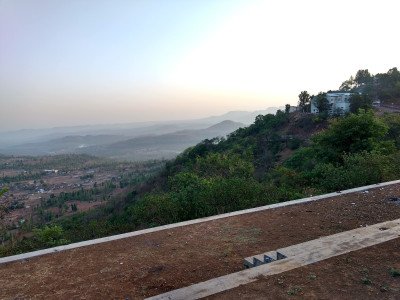
Honey Bee Centre
Some quick example text to build on the card title and make up the bulk of the card's content.
Go somewhere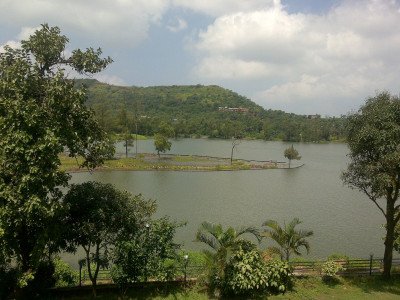
Lake Garden
Some quick example text to build on the card title and make up the bulk of the card's content.
Go somewhere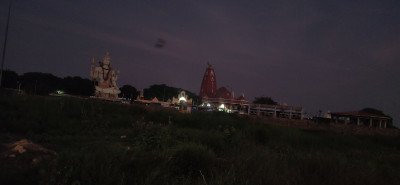
Nageshwar Mahadev Temple
Some quick example text to build on the card title and make up the bulk of the card's content.
Go somewhere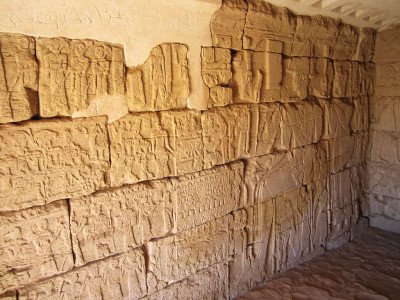
Pandava Gufa
Some quick example text to build on the card title and make up the bulk of the card's content.
Go somewhere
Rose Garden
Some quick example text to build on the card title and make up the bulk of the card's content.
Go somewhere
Saputara Lake
Some quick example text to build on the card title and make up the bulk of the card's content.
Go somewhere
Saputara Ropeway
Some quick example text to build on the card title and make up the bulk of the card's content.
Go somewhere
Saputara Tribal Museum
Some quick example text to build on the card title and make up the bulk of the card's content.
Go somewhere
Step Garden
Some quick example text to build on the card title and make up the bulk of the card's content.
Go somewhere
Sunrise Point
Some quick example text to build on the card title and make up the bulk of the card's content.
Go somewhere
Sunset Point
Some quick example text to build on the card title and make up the bulk of the card's content.
Go somewhere
Vansda National Park
Some quick example text to build on the card title and make up the bulk of the card's content.
Go somewhere
Waghai Botanical Garden
Some quick example text to build on the card title and make up the bulk of the card's content.
Go somewherein Other Cities