Pandava Gufa
General information
-
Ideal Duration:
1. 5 to 2. 5 Hours (Including Trek)Place Type:
Mythological, Trekking, NatureEntry Fees:
Free General Access: There is typically no entrance fee to the Pandava Gufa itself, as it is a natural, mythological site.
Guide Fees: It is highly recommended to hire a local guide from Saputara for the trek, especially if you are unfamilia...Free General Access: There is typically no entrance fee to the Pandava Gufa itself, as it is a natural, mythological site.
Guide Fees: It is highly recommended to hire a local guide from Saputara for the trek, especially if you are unfamiliar with the area; guide fees are negotiable, usually around Rs.300 to Rs.500.
Parking: Parking a vehicle near the starting point of the trek (if driving) may incur a small parking fee (Rs.30 to Rs.50). The primary cost is associated with safety and guidance during the trek.
Timing:
Regular Timings: Accessible during daylight hours, generally from 8:00 AM to 5:00 PM. Trekking after sunset is dangerous and strictly discouraged.
Ideal Visit Time: The best time to start the trek is in the early morning (around 8:00 AM to ...Regular Timings: Accessible during daylight hours, generally from 8:00 AM to 5:00 PM. Trekking after sunset is dangerous and strictly discouraged.
Ideal Visit Time: The best time to start the trek is in the early morning (around 8:00 AM to 10:00 AM) to enjoy the cool weather, spot wildlife, and avoid the midday heat. It is also an excellent late afternoon activity, ensuring you leave the area well before 5:00 PM.
Special Events:
Local Forest Melas: While the caves themselves do not host special events, during local tribal festivals (Melas) in the nearby villages (like those related to harvest or Holi), the trek route may see increased pilgrim traffic, and you might encounter small, colorful processi...Local Forest Melas: While the caves themselves do not host special events, during local tribal festivals (Melas) in the nearby villages (like those related to harvest or Holi), the trek route may see increased pilgrim traffic, and you might encounter small, colorful processions or gatherings.
Trekking Group Expeditions: Organized trekking and adventure groups often choose this spot for weekend expeditions, which can be seen as an event for the adventure community.
Best Photo Spots:
The Rocky Trail Shot: Capture the winding, rocky path leading up to the cave, emphasizing the challenge and the green forest background.
The Cave Entrance Frame: Use the dark mouth of the cave as a frame for a portrait, creating a contrast w...The Rocky Trail Shot: Capture the winding, rocky path leading up to the cave, emphasizing the challenge and the green forest background.
The Cave Entrance Frame: Use the dark mouth of the cave as a frame for a portrait, creating a contrast with the bright outside light.
The Water Trickle: During the monsoon, a long-exposure shot of the small, hidden waterfall or stream near the cave captures its beauty.
The Forest Canopy: A shot looking up at the dense, green forest canopy from the trail, creating a sense of being lost in the wilderness.
Photo Gallery
Things To Do
-
Embark on the Gufa Trek: The main activity is the trek to and from the caves. Wear appropriate footwear and be prepared for a rocky path.
Cave Exploration: Enter the small caves, using a torch (mobile phone light) to observe the rock formations and appreciate the simple shelter.
Nature Photography: Capture the lush greenery, the rugged terrain, and the forest canopy along the trekking route. Look for unique insects or plant life.
Picnic Spot: Carry a light snack and water, and enjoy a quiet, nature-filled rest near the cave entrance or along the trail (remember to carry all waste back).
Meditation and Reflection: The isolated, quiet nature of the spot is perfect for a few moments of reflection, imagining the ancient history of ...Embark on the Gufa Trek: The main activity is the trek to and from the caves. Wear appropriate footwear and be prepared for a rocky path.
Cave Exploration: Enter the small caves, using a torch (mobile phone light) to observe the rock formations and appreciate the simple shelter.
Nature Photography: Capture the lush greenery, the rugged terrain, and the forest canopy along the trekking route. Look for unique insects or plant life.
Picnic Spot: Carry a light snack and water, and enjoy a quiet, nature-filled rest near the cave entrance or along the trail (remember to carry all waste back).
Meditation and Reflection: The isolated, quiet nature of the spot is perfect for a few moments of reflection, imagining the ancient history of the place.
Bird Watching: The dense surrounding forest is an excellent spot for bird watching, especially in the early mornings.
Information
-
Why Famous:
Mahabharata Legend: It is most famous for its association with the Pandava brothers, drawing visitors interested in Hindu mythology and history.
Trekking Opportunity: The caves are renowned for providing a light to moderate trekking experien...Mahabharata Legend: It is most famous for its association with the Pandava brothers, drawing visitors interested in Hindu mythology and history.
Trekking Opportunity: The caves are renowned for providing a light to moderate trekking experience, making them a popular destination for adventure tourists.
Seclusion and Tranquility: Located away from the main town, it offers deep forest tranquility and a feeling of being immersed in unspoiled nature.
-
Architecture:
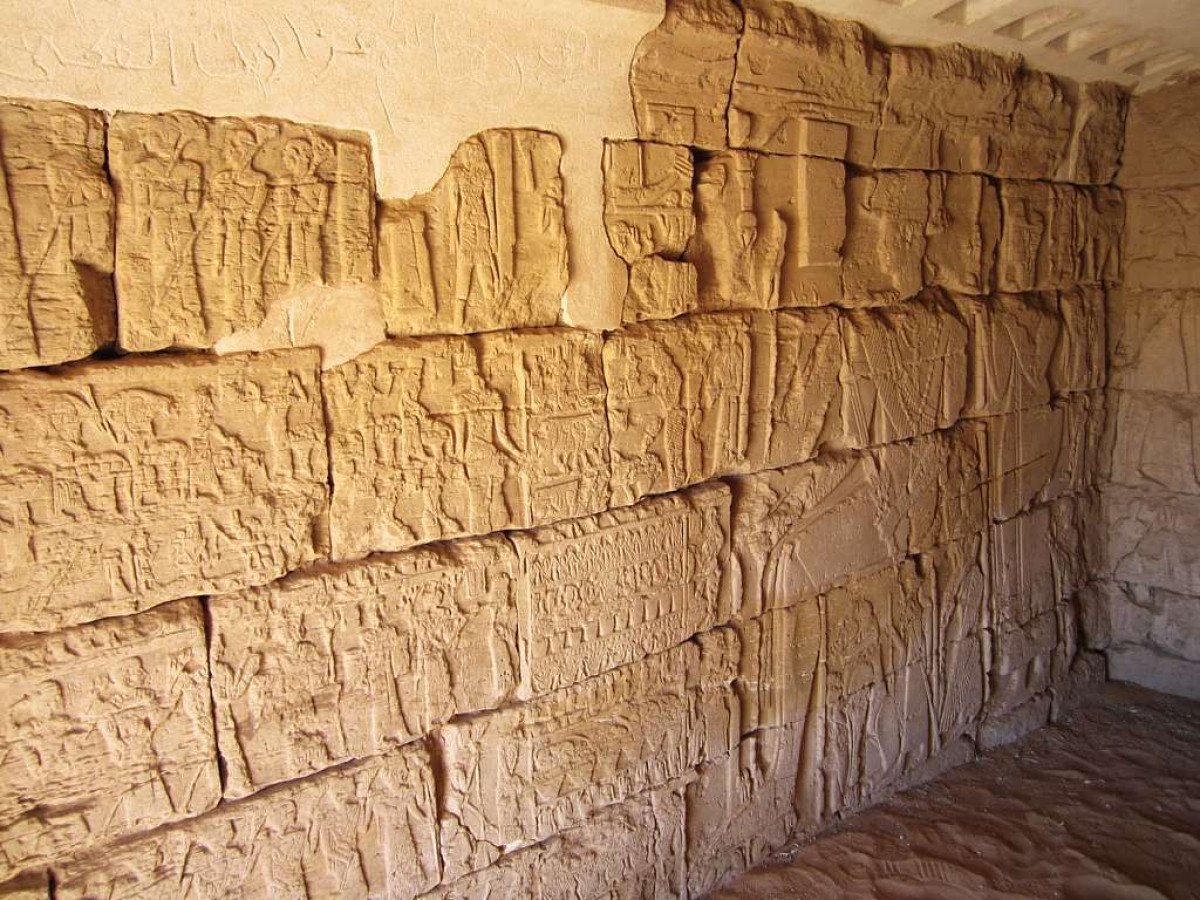
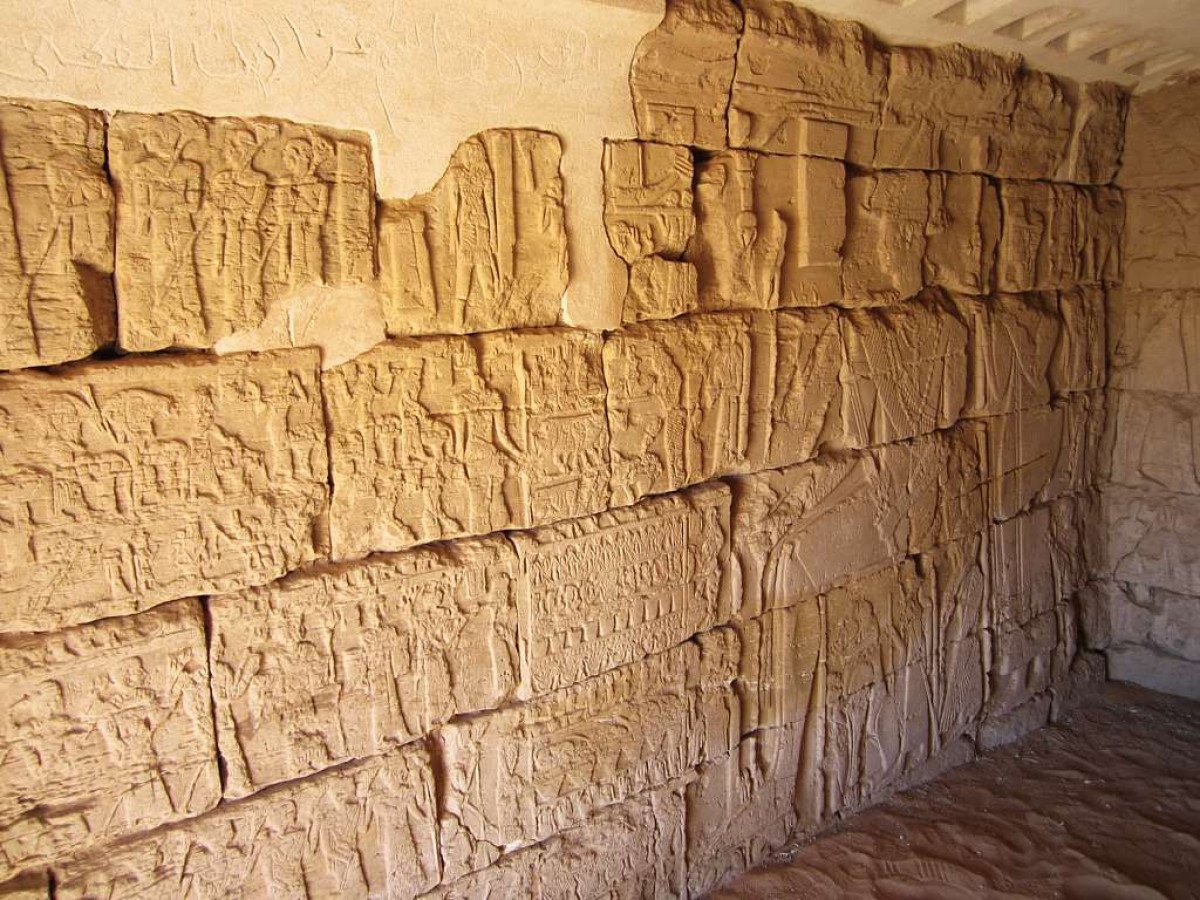
Rock-Cut Cave Formations: The "architecture" is completely natural and rock-cut. The caves are not structurally engineered but are simple hollows or shelters formed by natural weathering of the basalt rock, possibly enlarged minimally by human hand for shelter.Rock-Cut Cave Formations: The "architecture" is completely natural and rock-cut. The caves are not structurally engineered but are simple hollows or shelters formed by natural weathering of the basalt rock, possibly enlarged minimally by human hand for shelter.
Interior and Dimension: The caves are small and simple, not the grand, carved temples seen elsewhere. They are characterized by low ceilings and uneven rock floors, perhaps providing just enough space for a small group to shelter. The interiors are rough-hewn and dark, emphasizing the cave's ancient, ascetic nature.
Geological Structure: The caves are carved into the sturdy Deccan Traps rock, indicative of the region's geological history. Their simplicity reinforces the legend of the Pandavas living a minimalist life during their exile.
-
How To Reach:
By Air, Train,
Road: Refer to the Artist Village entry;
all access routes (Air: Nashik/Surat;
Train: Bilimora/Nashik Road;
Road: Frequent GSRTC/Private Buses) are th...By Air, Train,
Road: Refer to the Artist Village entry;
all access routes (Air: Nashik/Surat;
Train: Bilimora/Nashik Road;
Road: Frequent GSRTC/Private Buses) are the same for reaching the main Saputara town.
By Local Transport: The caves are a few kilometers from the town center. The best way to reach the starting point of the trek is by hiring a private taxi or a local auto-rickshaw from Saputara. Since the trek takes time, it is advisable to negotiate a round-trip fare with the driver, including waiting time, or ask the driver to drop you off and then arrange for a pickup time.
-
Weather and Best Time to Visit:
Different Types of Seasons: Winter (October to February) is the most comfortable and safest season for the trek, with dry, firm ground. Monsoon (July to September) makes the trail extremely slippery, muddy, and dangerous, though the surrounding greenery is at its lushest. ...Different Types of Seasons: Winter (October to February) is the most comfortable and safest season for the trek, with dry, firm ground. Monsoon (July to September) makes the trail extremely slippery, muddy, and dangerous, though the surrounding greenery is at its lushest. Summer treks should be done very early in the morning to avoid heat exhaustion.
Different Parts of the Day: Morning is the undisputed best time for the trek—cool air, better lighting for the forest, and lower chance of crowds.
-
Near Tourist Places:
Hatgadh Fort (2 KM), Sunrise Point (3 KM), Governor's Hill (5 KM), Saputara Lake (4 KM), Rose Garden (4 KM), Step Garden (4. 5 KM), Saputara Tribal Museum (4. 5 KM), Gira Waterfalls (28 KM), Purna Wildlife Sanctuary (35 KM), Vansda National Park (44 KM).
Tourism Tips
-
Health & Safety: Wear sturdy trekking shoes with good grip. Carry a bottle of water and a small snack. It is highly recommended to hire a local guide for safety and to learn about the history and local flora/fauna. Do not attempt the trek after it rains.Health & Safety: Wear sturdy trekking shoes with good grip. Carry a bottle of water and a small snack. It is highly recommended to hire a local guide for safety and to learn about the history and local flora/fauna. Do not attempt the trek after it rains.
Packing: Bring insect repellent and a small flashlight/torch. Pack out all your trash to preserve the forest.
Accommodation: Stay in Saputara town and plan a half-day trip to the caves. Other Different Topics Heading (Respecting Nature): Do not disturb the wildlife or pluck any plants. The area is part of the fragile Dang ecosystem and must be respected as such.
Reviews
FAQs
Saputara Itineray And Cost:-
Other Places In Saputara :-
Other States In India :-
Information about New and Updated Locations() of Gujarat Has Been Added :-
Card subtitle
Note:-
Information provided here in good Faith and for reference only.
Near Places
Artist Village
Some quick example text to build on the card title and make up the bulk of the card's content.
Go somewhere
Gira Waterfalls
Some quick example text to build on the card title and make up the bulk of the card's content.
Go somewhere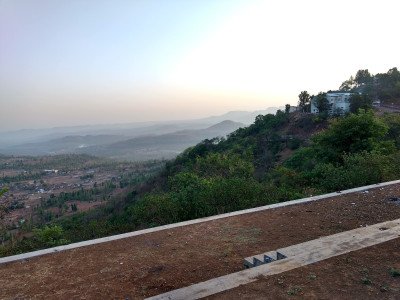
Governor's Hill
Some quick example text to build on the card title and make up the bulk of the card's content.
Go somewhere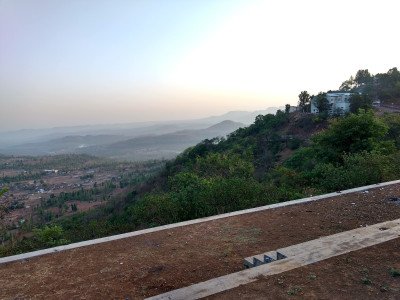
Honey Bee Centre
Some quick example text to build on the card title and make up the bulk of the card's content.
Go somewhere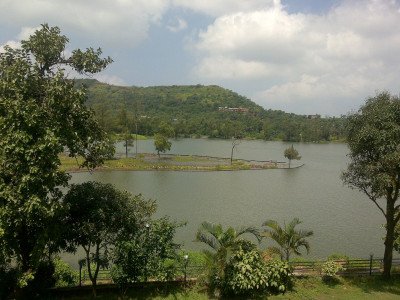
Lake Garden
Some quick example text to build on the card title and make up the bulk of the card's content.
Go somewhere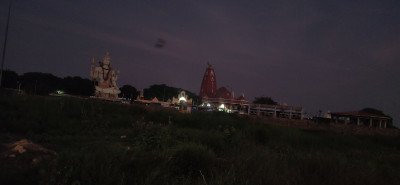
Nageshwar Mahadev Temple
Some quick example text to build on the card title and make up the bulk of the card's content.
Go somewhere
Pandava Gufa
Some quick example text to build on the card title and make up the bulk of the card's content.
Go somewhere
Rose Garden
Some quick example text to build on the card title and make up the bulk of the card's content.
Go somewhere
Saputara Lake
Some quick example text to build on the card title and make up the bulk of the card's content.
Go somewhere
Saputara Ropeway
Some quick example text to build on the card title and make up the bulk of the card's content.
Go somewhere
Saputara Tribal Museum
Some quick example text to build on the card title and make up the bulk of the card's content.
Go somewhere
Step Garden
Some quick example text to build on the card title and make up the bulk of the card's content.
Go somewhere
Sunrise Point
Some quick example text to build on the card title and make up the bulk of the card's content.
Go somewhere
Sunset Point
Some quick example text to build on the card title and make up the bulk of the card's content.
Go somewhere
Vansda National Park
Some quick example text to build on the card title and make up the bulk of the card's content.
Go somewhere
Waghai Botanical Garden
Some quick example text to build on the card title and make up the bulk of the card's content.
Go somewherein Other Cities