

Saputara Tribal Museum
General information
-
Ideal Duration:
30 - 60 MinutesPlace Type:
Museum/CultureEntry Fees:
Entry Fee: The entry fee is nominal and highly affordable, typically around Rs.5 to Rs.10 for Indian nationals and slightly higher for foreign visitors. This low cost makes it very accessible.
Camera Fees: There may be a small, separate fee (Rs.2...Entry Fee: The entry fee is nominal and highly affordable, typically around Rs.5 to Rs.10 for Indian nationals and slightly higher for foreign visitors. This low cost makes it very accessible.
Camera Fees: There may be a small, separate fee (Rs.20 to Rs.50) for carrying a camera or taking photographs inside the premises, which should be checked at the counter upon entry.
Student Discounts: Discounts or free entry are sometimes provided for students with valid identification, a detail to check at the ticket booth:Timing:
Regular Timings: The museum is generally open daily from 10:00 AM to 5:00 PM. It may be closed on certain public holidays or on a specific day of the week (e. g. , Monday), which should be confirmed.
Ideal Visit Time: The morning (10:00 AM ...Regular Timings: The museum is generally open daily from 10:00 AM to 5:00 PM. It may be closed on certain public holidays or on a specific day of the week (e. g. , Monday), which should be confirmed.
Ideal Visit Time: The morning (10:00 AM - 12:00 PM) or early afternoon (2:00 PM - 4:00 PM) is the best time to visit, as it is relatively cool and allows ample time to study the exhibits before closing.
Quick Stop: As the museum is compact, it is a perfect quick cultural stop to slot in between visiting other, more time-consuming outdoor attractions:Special Events:
Local Artist Workshops: The museum sometimes hosts temporary workshops or demonstrations by local Adivasi artists, showcasing traditional crafts like Warli painting or bamboo weaving, particularly during major state-sponsored tourism events.
Tri...Local Artist Workshops: The museum sometimes hosts temporary workshops or demonstrations by local Adivasi artists, showcasing traditional crafts like Warli painting or bamboo weaving, particularly during major state-sponsored tourism events.
Tribal Day Celebration: The area around the museum and the town sometimes hosts special cultural events and performances on days dedicated to celebrating Adivasi culture and heritage, offering live music and dance performances like the Dangi dance.
Monsoon Festival Exhibit: During the Saputara Monsoon Festival (July-September), the museum often highlights special exhibits focusing on the tribal communities' traditional connection to the rain and the forest:Best Photo Spots:
The Musical Instrument Wall: The display showcasing the variety of tribal musical instruments (especially the Tarpa horn), often arranged on a vibrant background, makes for a captivating and culturally rich photograph.
Diorama Close-ups: Cap...The Musical Instrument Wall: The display showcasing the variety of tribal musical instruments (especially the Tarpa horn), often arranged on a vibrant background, makes for a captivating and culturally rich photograph.
Diorama Close-ups: Capture a detailed close-up of one of the well-crafted dioramas, focusing on the textures and minute details of the figures and their miniature houses.
Traditional Attire Display: The mannequins or displays featuring the colorful and unique traditional costumes and large brass jewelry of the local tribes offer a strong visual point for a cultural photo.
The Entrance Arch: The exterior of the museum, often featuring a simple but characteristic signboard, can be photographed to document the visit, sometimes framed by the surrounding foliage:Photo Gallery
Things To Do
-
Explore the Exhibits: Systematically walk through the various sections to view the collection of costumes, jewelry, musical instruments (Tarpa), masks, and handcrafted items, taking time to read the descriptions.
Study the Dioramas: Pay close attention to the detailed dioramas that reconstruct scenes from tribal life, providing visual context for their traditional housing, occupations, and customs.
Learn About Local Tribes: Use the museum as an opportunity to learn about the major tribes of the Dang district (Bhils, Warlis, etc. ) and their unique contributions to the regional culture.
Photography (Where Allowed): Take photographs of the exhibits, respecting any signs that prohibit flash or photography in certain sensitive areas, as a record of the rich cultural ...Explore the Exhibits: Systematically walk through the various sections to view the collection of costumes, jewelry, musical instruments (Tarpa), masks, and handcrafted items, taking time to read the descriptions.
Study the Dioramas: Pay close attention to the detailed dioramas that reconstruct scenes from tribal life, providing visual context for their traditional housing, occupations, and customs.
Learn About Local Tribes: Use the museum as an opportunity to learn about the major tribes of the Dang district (Bhils, Warlis, etc. ) and their unique contributions to the regional culture.
Photography (Where Allowed): Take photographs of the exhibits, respecting any signs that prohibit flash or photography in certain sensitive areas, as a record of the rich cultural heritage.
Visit the Artist Village: Combine your trip with a visit to the nearby Artist Village, which often features local Warli artists practicing and selling their contemporary art forms, providing a link between the past and the present.
Buy a Guidebook/Souvenir: Check if the museum or a nearby stall sells small, informational pamphlets or books about the Dang tribes, or small, museum-approved souvenirs:
Information
-
Why Famous:
Repository of Tribal Artifacts: It is famous for its comprehensive collection of over 400 artifacts, including unique musical instruments, traditional clothing, and ritual masks of the local Dang tribes.
Cultural Insight into Dang: It is the...Repository of Tribal Artifacts: It is famous for its comprehensive collection of over 400 artifacts, including unique musical instruments, traditional clothing, and ritual masks of the local Dang tribes.
Cultural Insight into Dang: It is the best place in the region to gain a concise and authentic insight into the rich cultural history, ecology, and daily life of the forest-dwelling Adivasi communities like the Warlis and Bhils.
Educational Significance: For students and researchers, it serves as a crucial educational resource for the study of the anthropology and sociology of the Gujarat and Maharashtra border region tribes.
Central Location: Its accessible location near the bus station and main market makes it a mandatory, quick cultural stop for almost every tourist visiting Saputara: -
Architecture:
Functional and Vernacular Design: The museum building typically features a modest, functional design, often incorporating elements of vernacular architecture to harmonize with the local tribal environment, such as a simple stone or brick structure with a sloping roof. The i...Functional and Vernacular Design: The museum building typically features a modest, functional design, often incorporating elements of vernacular architecture to harmonize with the local tribal environment, such as a simple stone or brick structure with a sloping roof. The internal layout is designed for a linear exhibition flow, guiding the visitor logically through the different facets of tribal life.
Internal Dimension and Layout: The interior space is divided into several themed halls or sections, each dedicated to a specific aspect, such as clothing, music, art, and housing. The total display area is designed to comfortably house the collection of 400+ artifacts with adequate space for display cases and informational panels.
Display Architecture: The exhibits utilize simple but effective display architectures, including glass showcases, pedestals, and dioramas (small three-dimensional scenes) to depict tribal life in miniature form. Walls often feature large, informative posters and maps detailing the geographical distribution of the tribes, prioritizing educational function over grand architectural statement: -
How To Reach:
By Air: Nearest major airports are Surat International Airport (S) (164 KM) and Nashik's Ozar Airport (N) (140 KM). Take a taxi or bus from the airport to Saputara.
By Train: The nearest convenient station is Bilimora Junction (B) (111 KM)....By Air: Nearest major airports are Surat International Airport (S) (164 KM) and Nashik's Ozar Airport (N) (140 KM). Take a taxi or bus from the airport to Saputara.
By Train: The nearest convenient station is Bilimora Junction (B) (111 KM). From Bilimora, take a bus or taxi. Once in Saputara, the museum is just 1 KM from the bus station.
By Road: The museum is strategically located on the main road connecting Surat, Saputara, and Nashik. State transport and private buses stop right near the location. It is a very easy drive if you are traveling by private car or hired taxi.
By Local Transport: From any central part of Saputara, the museum is a comfortable 10-15 minute walk or a very short auto-rickshaw ride due to its proximity to the bus station and town center: -
Weather and Best Time to Visit:
Seasons - Winter (October-February): Best Time as the pleasant weather makes walking to and from the museum comfortable.
Monsoon (July-September): Good Time, offering an indoor activity alternative during rain showers.
Read MoreSeasons - Winter (October-February): Best Time as the pleasant weather makes walking to and from the museum comfortable.
Monsoon (July-September): Good Time, offering an indoor activity alternative during rain showers.
Summer (March-June): Good Time, as the museum is an indoor, shaded activity, providing relief from the summer sun. Parts of the Day - Midday (11:00 AM - 3:00 PM) Highly Recommended as it is an excellent midday break, offering a cool, educational alternative to the hot outdoor viewpoints:Tourism Tips
-
Health & Safety: Handle no artifacts. Maintain silence and respect inside the exhibition halls. Watch your step, as older buildings may have uneven flooring or low lighting in some sections.
Packing: Carry a notebook if you wish to take no...Health & Safety: Handle no artifacts. Maintain silence and respect inside the exhibition halls. Watch your step, as older buildings may have uneven flooring or low lighting in some sections.
Packing: Carry a notebook if you wish to take notes, as the information is rich. Ensure you have small change for the nominal entry and camera fees.
Respect Culture: Remember that the exhibits represent a living culture. Treat all displays and information with the utmost respect.
Combine with Artist Village: Plan to visit the nearby Artist Village to see the contemporary continuation of the Warli art forms displayed inside the museum, providing a complete cultural experience:
Reviews
FAQs
Saputara Itineray And Cost:-
Saputara Tribal Museum Tourism:-
Other Places In Saputara :-
Other States In India :-
Information about New and Updated Locations() of Gujarat Has Been Added :-
Card subtitle
Note:-
Information provided here in good Faith and for reference only.
-
Near Places
Artist Village
Some quick example text to build on the card title and make up the bulk of the card's content.
Go somewhere
Gira Waterfalls
Some quick example text to build on the card title and make up the bulk of the card's content.
Go somewhere
Governor's Hill
Some quick example text to build on the card title and make up the bulk of the card's content.
Go somewhere
Honey Bee Centre
Some quick example text to build on the card title and make up the bulk of the card's content.
Go somewhere
Lake Garden
Some quick example text to build on the card title and make up the bulk of the card's content.
Go somewhere
Nageshwar Mahadev Temple
Some quick example text to build on the card title and make up the bulk of the card's content.
Go somewhere
Pandava Gufa
Some quick example text to build on the card title and make up the bulk of the card's content.
Go somewhere
Rose Garden
Some quick example text to build on the card title and make up the bulk of the card's content.
Go somewhere
Saputara Lake
Some quick example text to build on the card title and make up the bulk of the card's content.
Go somewhere
Saputara Ropeway
Some quick example text to build on the card title and make up the bulk of the card's content.
Go somewhere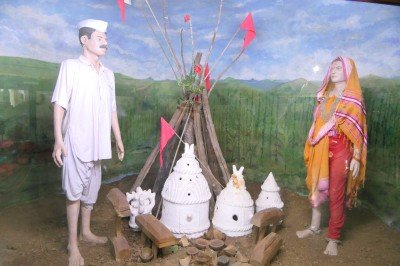
Saputara Tribal Museum
Some quick example text to build on the card title and make up the bulk of the card's content.
Go somewhere
Step Garden
Some quick example text to build on the card title and make up the bulk of the card's content.
Go somewhere
Sunrise Point
Some quick example text to build on the card title and make up the bulk of the card's content.
Go somewhere
Sunset Point
Some quick example text to build on the card title and make up the bulk of the card's content.
Go somewhere
Vansda National Park
Some quick example text to build on the card title and make up the bulk of the card's content.
Go somewhere
Waghai Botanical Garden
Some quick example text to build on the card title and make up the bulk of the card's content.
Go somewherein Other Cities