Chaulabhaja Waterfall
General information
-
Ideal Duration:
4 to 6 HoursPlace Type:
Waterfall & NatureEntry Fees:
Nominal Forest Entry Charges: As it is located inside the protected area, an entry fee of approximately 40 INR per person is charged at the Similipal gate. Vehicles are charged separately, usually around 100 INR. These funds are used for the maintenance and protection of ...Nominal Forest Entry Charges: As it is located inside the protected area, an entry fee of approximately 40 INR per person is charged at the Similipal gate. Vehicles are charged separately, usually around 100 INR. These funds are used for the maintenance and protection of the wildlife sanctuary.Timing:
Regular Timings: The falls are open from 8:00 AM to 5:00 PM daily.
Ideal Visit Time: The best time to reach is by 10:00 AM to enjoy the sunlight hitting the water. It is mandatory to exit the forest area before sunset for safety reasons. ...Regular Timings: The falls are open from 8:00 AM to 5:00 PM daily.
Ideal Visit Time: The best time to reach is by 10:00 AM to enjoy the sunlight hitting the water. It is mandatory to exit the forest area before sunset for safety reasons.Special Events:
Forest Conservation Day and Local Festivals: While not a traditional event, Similipal Day is celebrated with local awareness programs near the range office. During Makar Sankranti, local tribal groups often visit the falls for ritualistic baths, believing the water possess...Forest Conservation Day and Local Festivals: While not a traditional event, Similipal Day is celebrated with local awareness programs near the range office. During Makar Sankranti, local tribal groups often visit the falls for ritualistic baths, believing the water possesses healing properties during this auspicious time.Best Photo Spots:
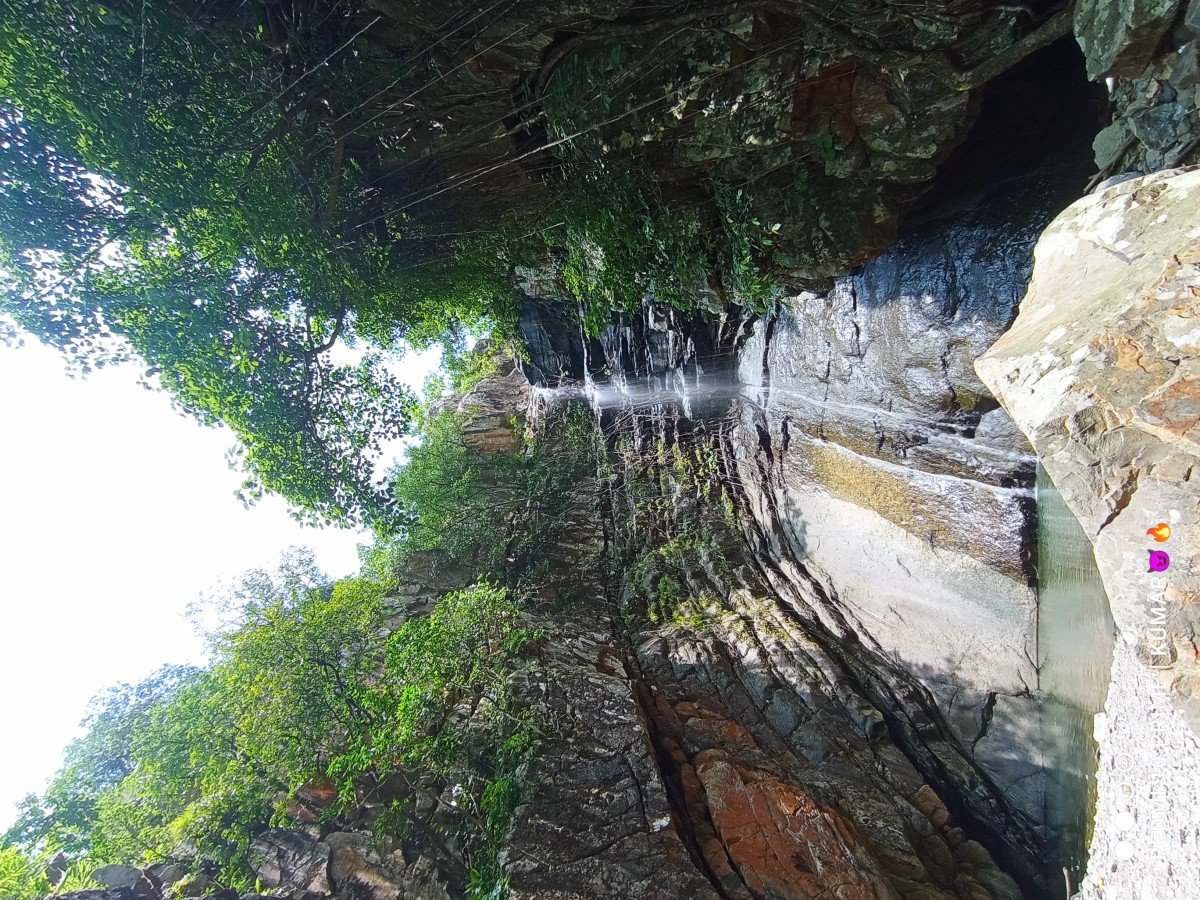
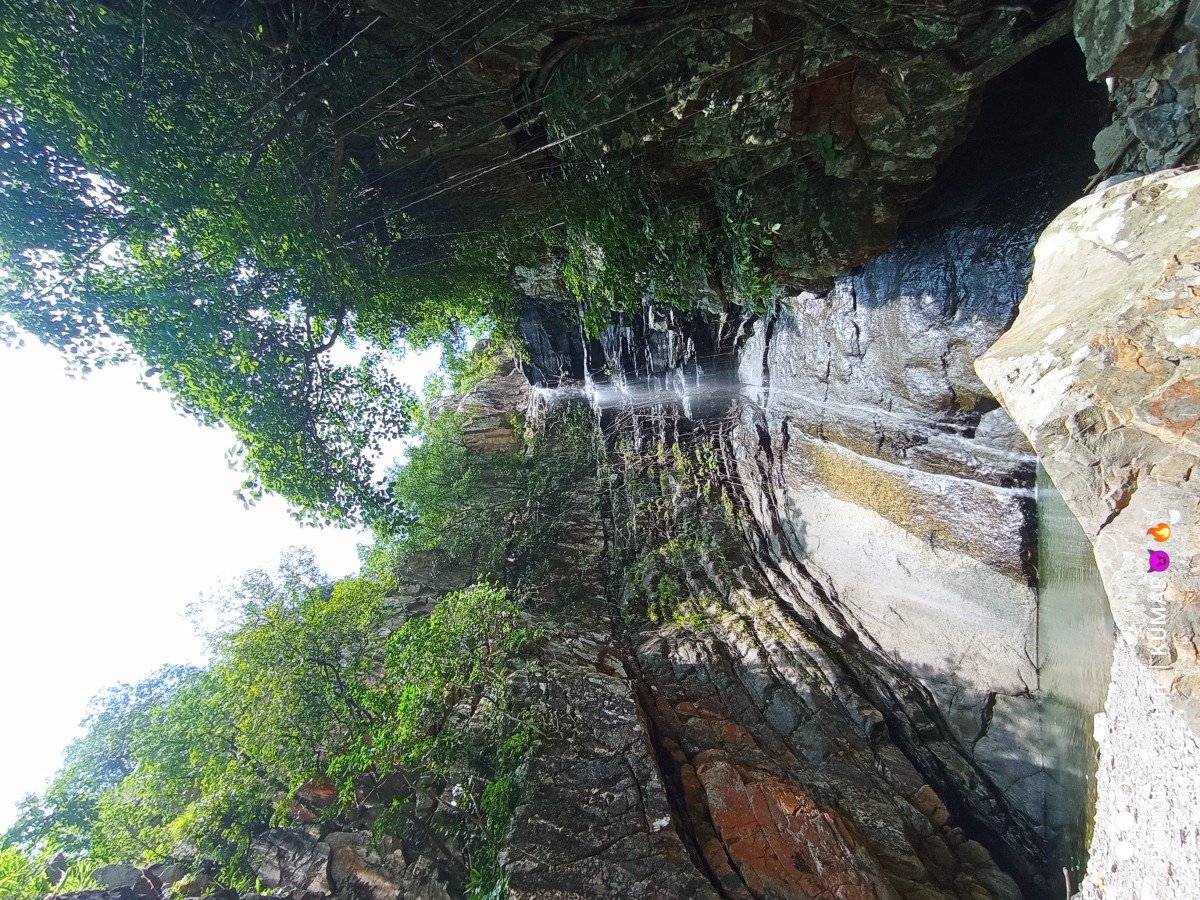
Main Viewpoint and Mid-Tier Ledge: The best spot for a panoramic photo is the designated Viewpoint located 500 meters before the base, which captures all tiers of the fall. Another great spot is the Ledge on the left side, where the mist creates natural rainbows. Close-up...Main Viewpoint and Mid-Tier Ledge: The best spot for a panoramic photo is the designated Viewpoint located 500 meters before the base, which captures all tiers of the fall. Another great spot is the Ledge on the left side, where the mist creates natural rainbows. Close-up shots of the Spring Water Ripples in the clear pool also make for stunning nature photography.Photo Gallery
Things To Do
-
Trekking and Nature Immersion: Visitors can engage in a 3-kilometer forest trek through the Similipal trails to reach the base of the falls. Photography is a top priority, especially long-exposure shots of the tiered cascades. Picnicking is popular on the flat rocky surfaces nearby, provided visitors carry back their trash. Bird Watching is exceptional here, with sightings of the Malabar Whistling Thrush and Hornbills. Bathing in the natural pool at the bottom is highly refreshing. Meditation and yoga by the falls offer a unique spiritual experience. Wildlife Spotting can be done from a safe distance, especially during early morning hours. ...Trekking and Nature Immersion: Visitors can engage in a 3-kilometer forest trek through the Similipal trails to reach the base of the falls. Photography is a top priority, especially long-exposure shots of the tiered cascades. Picnicking is popular on the flat rocky surfaces nearby, provided visitors carry back their trash. Bird Watching is exceptional here, with sightings of the Malabar Whistling Thrush and Hornbills. Bathing in the natural pool at the bottom is highly refreshing. Meditation and yoga by the falls offer a unique spiritual experience. Wildlife Spotting can be done from a safe distance, especially during early morning hours.
Information
-
Why Famous:
Spectacular Height and Pristine Environment: Chaulabhaja Waterfall is famous for its impressive vertical drop and the fact that it is situated within a UNESCO Biosphere Reserve. It is renowned for the "Rainbow Effect" created by the mist during sunny winter afternoons. Un...Spectacular Height and Pristine Environment: Chaulabhaja Waterfall is famous for its impressive vertical drop and the fact that it is situated within a UNESCO Biosphere Reserve. It is renowned for the "Rainbow Effect" created by the mist during sunny winter afternoons. Unlike other commercial waterfalls, its fame comes from its untouched, pollution-free spring water and its role as a vital water source for the local tribal communities and forest wildlife. It is a major attraction for those seeking a rugged adventure combined with spiritual tranquility. -
Architecture:
Natural Rock Formations and Tiered Geology: The architectural essence of Chaulabhaja Waterfall lies in its natural geological formation. The falls feature a multi-tiered structure where the water descends in three distinct stages over metamorphic rock cliffs. The primary ...Natural Rock Formations and Tiered Geology: The architectural essence of Chaulabhaja Waterfall lies in its natural geological formation. The falls feature a multi-tiered structure where the water descends in three distinct stages over metamorphic rock cliffs. The primary drop has a dimension of nearly 300 feet in height and spreads across a width of 150 feet during the peak monsoon. The natural basin at the bottom is carved out of solid granite and sandstone, measuring roughly 40 meters in diameter. The surrounding cliffs provide a natural amphitheater-like setting that echoes the sound of the water. There are no man-made structures here, preserving the raw, primitive beauty of the Similipal landscape. -
How To Reach:
By Air: The nearest airport is Biju Patnaik International Airport in Bhubaneswar, about 260 KMS away.
By Train: The nearest station is Baripada Railway Station (31 KMS), which connects to Kolkata and Bhubaneswar.
Read MoreBy Air: The nearest airport is Biju Patnaik International Airport in Bhubaneswar, about 260 KMS away.
By Train: The nearest station is Baripada Railway Station (31 KMS), which connects to Kolkata and Bhubaneswar.
By Road: It is well-connected via NH-18.
By Local Transport: Taxis and Jeeps can be hired from Baripada or Dukura to reach the forest gate.Weather and Best Time to Visit:
Winter and Post-Monsoon: The months from October to February are the best due to pleasant weather. Early Mornings are ideal to avoid the heat and witness the forest awakening. Monsoon (July-Sept) offers the most volume but trails can be slippery. ...Winter and Post-Monsoon: The months from October to February are the best due to pleasant weather. Early Mornings are ideal to avoid the heat and witness the forest awakening. Monsoon (July-Sept) offers the most volume but trails can be slippery.Near Tourist Places:
1. Barehipani Fall (45 KM), 2. Joranda Fall (42 KM), 3. Lulung (25 KM), 4. Sitakund (20 KM), 5. Devkund (55 KM), 6. Jagannath Temple (33 KM), 7. Haripur Garh (40 KM), 8. Ramtirtha (90 KM), 9. Kichakeswari Temple (140 KM), 10. Khiching (140 KM)Tourism Tips
-
Health & Safety: Carry a first-aid kit and wear sturdy trekking shoes.
Packing: Bring extra clothes, water, and dry snacks.
Accommodation: Stay at OTDC Panthanivas in Baripada.
...Health & Safety: Carry a first-aid kit and wear sturdy trekking shoes.
Packing: Bring extra clothes, water, and dry snacks.
Accommodation: Stay at OTDC Panthanivas in Baripada.
Cash: No ATMs nearby; carry sufficient cash from Baripada.
Connectivity: Mobile network is almost zero; inform family beforehand.
Reviews
FAQs
Mayurbhanj Itineray And Cost:-
Chaulabhaja Waterfall Tourism:-
Other Places In Mayurbhanj :-
Other States In India :-
Information about New and Updated Locations() of Odisha Has Been Added :-
Card subtitle
Note:-
Information provided here in good Faith and for reference only.
Near Places
Aarikulo Dam
Some quick example text to build on the card title and make up the bulk of the card's content.
Go somewhere
Alkudar Waterfall
Some quick example text to build on the card title and make up the bulk of the card's content.
Go somewhere
Balidiha Dam
Some quick example text to build on the card title and make up the bulk of the card's content.
Go somewhere
Bhimkund Waterfall
Some quick example text to build on the card title and make up the bulk of the card's content.
Go somewhere
Brahman Kundo
Some quick example text to build on the card title and make up the bulk of the card's content.
Go somewhere
Chaulabhaja Waterfall
Some quick example text to build on the card title and make up the bulk of the card's content.
Go somewhere
Devkund Waterfall & Temple
Some quick example text to build on the card title and make up the bulk of the card's content.
Go somewhere
Haripur Garh
Some quick example text to build on the card title and make up the bulk of the card's content.
Go somewhere
Joranda Waterfall
Some quick example text to build on the card title and make up the bulk of the card's content.
Go somewhere
Kakharua Vaidyanath Temple
Some quick example text to build on the card title and make up the bulk of the card's content.
Go somewhere
Kapadgadi Waterfall
Some quick example text to build on the card title and make up the bulk of the card's content.
Go somewhere
Kichakeswari Temple
Some quick example text to build on the card title and make up the bulk of the card's content.
Go somewhere
Lulung Tourist Spot
Some quick example text to build on the card title and make up the bulk of the card's content.
Go somewhere
Munsi Bandha
Some quick example text to build on the card title and make up the bulk of the card's content.
Go somewhere
Ramtirtha Crocodile Project
Some quick example text to build on the card title and make up the bulk of the card's content.
Go somewhere
Samibrukhya Hill
Some quick example text to build on the card title and make up the bulk of the card's content.
Go somewherein Other Cities