...

FAQs On Bahulara Ancient Temple

Bankura, West Bengal, India
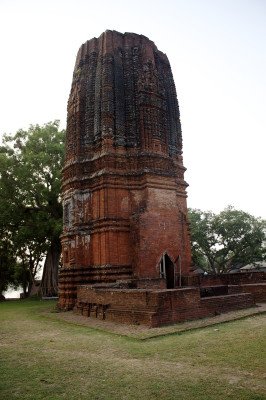
The Siddheswara Mahadeva Temple at Bahulara is an architectural masterpiece and one of the most important archaeological monuments in West Bengal. Dedicated to Lord Shiva (Siddheswara Mahadeva), the temple is a stellar example of the Rekha Deul style (similar to the Orissan/Kalinga style) that flour ished in the region before the rise of the ubiquitous Malla terracotta temples in Bishnupur. The temple is often dated to the 10th century CE or earlier, placing it firmly in the ancient period of Bengal's temple history. It is built entirely of laterite stone and stands as a solitary, magnificent, towering structure, perfectly showcasing the curvilinear Shikhara (tower) that characterizes this style. Its imposing height (about 60 feet / 18 meters) and excellent state of preservation make it a crucial point of study for anyone interested in the architectural transition of the region. The temple is protected by the Archaeological Survey of India (ASI) and remains an active place of worship.

Ans:- The historic Bahulara Ancient Temple, locally revered as the Siddheswara Temple, is situated within the quiet village of Bahulara, under the Onda II village panchayat in the Bankura district of West Bengal, India. To reach this architectural marvel, tourists can travel approximately twenty-five kilometers from the famous temple town of Bishnupur, or take a short five-kilometer ride from the Ondagram railway station. The site is located just south of the serene Dwarakeswar River, making it highly accessible via hired auto-rickshaws, private cars, or local buses passing through the Bankura Sadar subdivision.

Ans:- The Siddheswara Temple at Bahulara is celebrated globally as one of the finest surviving specimens of early medieval brick-built Rekha Deul architecture in West Bengal. Characterized by its soaring curvilinear shikhara or tower that reaches a peak height of over nineteen meters, the temple stands majestically on a raised square platform. The structural design features prominent vertical bands and exhibits a magnificent Nagara architectural style, utilizing beautifully cut bricks and incredibly detailed lime-stucco ornamentation on its exterior walls, showcasing a flawless blend of indigenous masonry and classical engineering.

Ans:- Historical and archaeological assessments indicate that the primary structure of the Bahulara Ancient Temple was built sometime between the eighth and eleventh centuries CE, during the early medieval period of Bengal. While the exact name of the original founder remains shrouded in historical mystery due to a lack of contemporary inscriptions, the temple received significant architectural enhancements, structural restoration, and religious patronage in subsequent centuries from the powerful Malla Dynasty monarchs of Bishnupur, who played an instrumental role in shaping the cultural landscape of the entire Bankura region.

Ans:- The primary deity enshrined within the dark, peaceful sanctum sanctorum or garbhagriha of the Bahulara Ancient Temple is a sacred Shiva Lingam, and the shrine itself is dedicated to Lord Siddheswara Mahadeva. However, what makes the inner chamber fascinating to historians is the co-existence of multiple religious idols placed right behind the central lingam. Visitors can observe beautifully carved stone figurines of the elephant-headed deity Ganesha, the Jain Tirthankara Parshvanatha, and a powerful multi-armed image of Goddess Mahishasuramardini slaying the demon king.

Ans:- Extensive archaeological excavations and surface explorations conducted around the Bahulara temple compound strongly indicate that this site served as a thriving Buddhist and Jain religious center in ancient times. To the south of the main brick temple, archaeologists discovered a cluster of ancient brick foundations that look suspiciously like miniature Buddhist stupas and chaitya platforms. Furthermore, the presence of a medieval stone idol of Jain Tirthankara Parshvanatha within the main sanctum confirms that the site underwent multiple phases of religious transition before being reconsecrated as a purely Shaivite monument.

Ans:- Yes, because of its immense historical, architectural, and cultural value to the heritage of India, the Bahulara Ancient Temple is officially designated as a Monument of National Importance. It is fully protected and monitored under the strict administrative jurisdiction of the Archaeological Survey of India (ASI), bearing the official monument reference number IN-WB-7. The ASI is responsible for executing delicate chemical preservation on the external brickwork, maintaining the surrounding lawns, preventing structural encroachment, and ensuring that this ancient medieval rekha deul remains preserved for future generations.

Ans:- The external walls of the Siddheswara Temple at Bahulara are widely renowned for their exquisite cut-brick craftsmanship and delicate lime-stucco relief work, which set it apart from typical terracotta temples. The masonry features intricate geometric patterns, floral scrolls, miniature chaitya-window motifs, and beautifully detailed niches that once housed divine figurines. This sophisticated decorative style highlights the high level of artistic skill possessed by ancient Bengali artisans who could transform basic mud bricks into complex, enduring architectural masterworks capable of weathering elements for over a millennium.

Ans:- Behind the modern rectangular doorway frame added for safety, the original entrance of the Bahulara Ancient Temple features a tall, dramatic triangular corbelled opening constructed using overlapping courses of brick. This ancient structural technique is characteristic of early medieval deul architecture in Bengal but is currently hidden from external view by protective structural modifications. Similar pristine triangular entrances can be observed at the contemporary Sun Temple in Sonatapal, offering architectural students a rare look into structural corbelling methods used before the introduction of true arches.

Ans:- The festival of Mahashivratri holds profound cultural and religious significance for the local community residing around Bahulara village and draws massive crowds of devotees from across Bankura district. During this auspicious annual celebration dedicated to Lord Shiva, the ancient temple transforms into a vibrant hub of spiritual activity, decorated beautifully with oil lamps and colorful flowers. Devotees queue up for hours to pour holy water and milk over the sacred Siddheswara Shiva Lingam, while local fairs set up outside the compound showcase traditional folk performances, music, and local rural crafts.

Ans:- Visiting the Bahulara Ancient Temple is entirely free of cost for all domestic and international tourists, as the Archaeological Survey of India does not levy any general entry fee for this open-air heritage site. Visitors are permitted to explore the compound and offer prayers inside the sanctum without purchasing tickets. Furthermore, casual photography using mobile phones or standard cameras is generally allowed without charges, although using commercial tripods or professional video equipment might require prior written permission from the regional ASI office in Kolkata.

Ans:- The absolute best time of the day to visit and photograph the Bahulara Ancient Temple is during the early morning hours, shortly after sunrise, or during the late afternoon before sunset. The soft, golden sunlight hitting the eastern and western facades highlights the deep contours of the intricate cut-brick designs and lime-stucco decorations, providing photographers with spectacular visual contrast. Visiting early in the day also ensures a peaceful experience, allowing travelers to sit quietly on the lawns and soak in the spiritual ambiance without crowds.

Ans:- Despite being over a thousand years old and facing centuries of environmental weathering, the main structure of the Bahulara temple remains remarkably intact, standing proudly at a height of nineteen meters. While some of the delicate lime-stucco figures on the upper tiers of the shikhara have eroded over time due to monsoon rains, the thick brick walls and the inner corbelled vault of the garbhagriha remain stable. Regular structural interventions, waterproofing, and structural preservation work conducted by the Archaeological Survey of India continue to secure the building against decay.

Ans:- Because Bahulara is a relatively remote rural location situated away from major commercial highways, the tourist amenities available directly at the temple site are quite basic. The protected compound features well-maintained green lawns, clear directional signage installed by the ASI, and basic drinking water facilities. However, there are no major restaurants, luxury hotels, or modern restrooms within the immediate vicinity. Visitors are strongly advised to carry their own snacks and drinking water, or plan their dining and accommodation in nearby towns like Bankura or Bishnupur.

Ans:- Although the Siddheswara Temple at Bahulara is considered by historians to be an architectural masterpiece far older than the famous terracotta structures of Bishnupur, it receives significantly fewer tourists due to its off-beat rural location and limited promotional marketing. Most travelers visiting Bankura district focus exclusively on the high concentration of Malla dynasty temples within Bishnupur town. This relative isolation, however, makes Bahulara an ideal destination for experiential travelers, heritage photographers, and history buffs who prefer exploring ancient, crowd-free monuments surrounded by peaceful countryside.

Ans:- Travelers exploring the Bahulara Ancient Temple can easily extend their heritage itinerary by visiting several other significant historical attractions located nearby within the Bankura district. Just a short drive away lies the ancient Sun Temple of Sonatapal, another rare example of early brick deul architecture situated along the Dwarakeswar River. Additionally, the major historical town of Bishnupur is only twenty-five kilometers away, offering access to iconic sites like Rasmancha, Madan Mohan Temple, Jorebangla Temple, and local markets famous for purchasing authentic terracotta horses and Baluchari silk sarees.
Information about New and Updated Locations() of West Bengal Has Been Added :-
Card subtitle

Note:-

Information provided here in good Faith and for reference only.

Near Places
...
Acharya Jogesh Chandra Museum

Some quick example text to build on the card title and make up the bulk of the card's content.

Go somewhere
...
Bahulara Ancient Temple

Some quick example text to build on the card title and make up the bulk of the card's content.

Go somewhere

...
Bankura Jheel and Subhashgram Park

Some quick example text to build on the card title and make up the bulk of the card's content.

Go somewhere

...
Bardi Pahar

Some quick example text to build on the card title and make up the bulk of the card's content.

Go somewhere
...
Biharinath Hill

Some quick example text to build on the card title and make up the bulk of the card's content.

Go somewhere
...
Bishnupur Terracotta Temples

Some quick example text to build on the card title and make up the bulk of the card's content.

Go somewhere
...
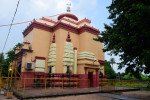
Dharmaraj Temple Cluster

Some quick example text to build on the card title and make up the bulk of the card's content.

Go somewhere
...
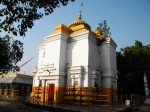
Dihar Twin Temples

Some quick example text to build on the card title and make up the bulk of the card's content.

Go somewhere
...
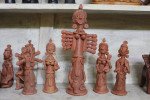
Ekteswar Shiva Temple

Some quick example text to build on the card title and make up the bulk of the card's content.

Go somewhere

...
Ekteswar Temple

Some quick example text to build on the card title and make up the bulk of the card's content.

Go somewhere

...
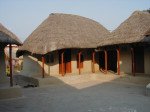
Gangdua Terracotta Temple

Some quick example text to build on the card title and make up the bulk of the card's content.

Go somewhere
...
Jhilimili Forest

Some quick example text to build on the card title and make up the bulk of the card's content.

Go somewhere
...
Joypur Jungle

Some quick example text to build on the card title and make up the bulk of the card's content.

Go somewhere
...
Joyrambati

Some quick example text to build on the card title and make up the bulk of the card's content.

Go somewhere
...
Kangsabati Dam

Some quick example text to build on the card title and make up the bulk of the card's content.

Go somewhere
...
Kangsabati Riverfront and Mela Ground

Some quick example text to build on the card title and make up the bulk of the card's content.

Go somewhere
in Other Cities