...

FAQs On Joyrambati

Bankura, West Bengal, India
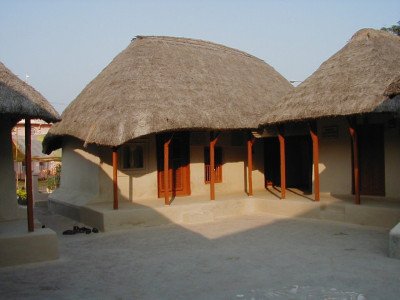
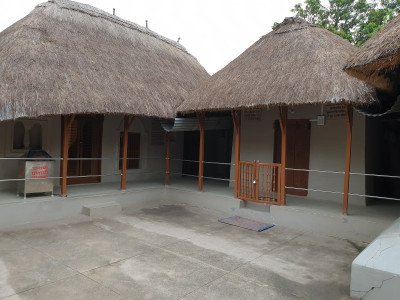
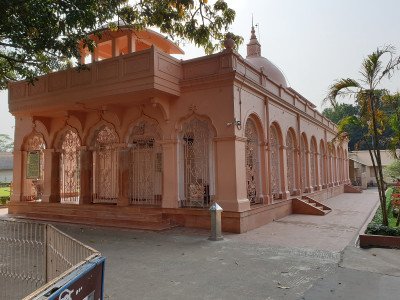
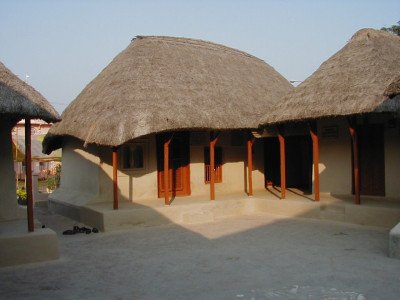
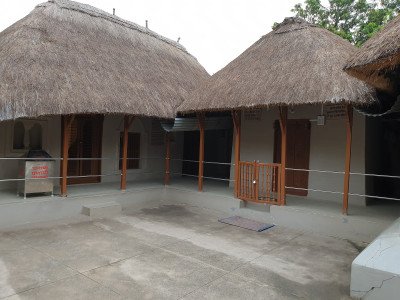
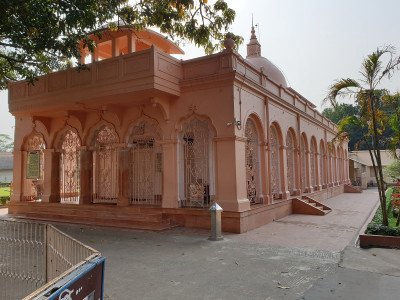
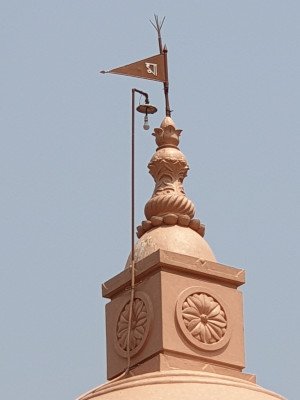
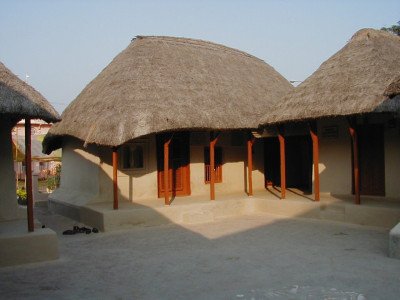
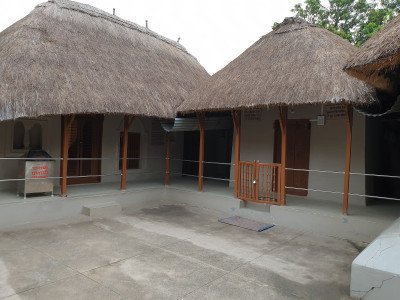
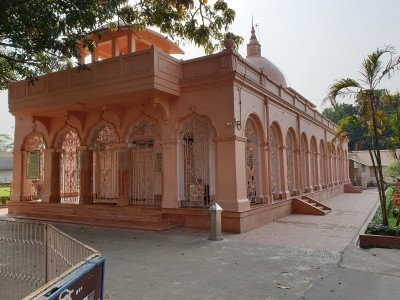
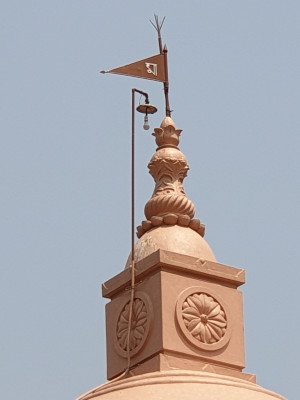
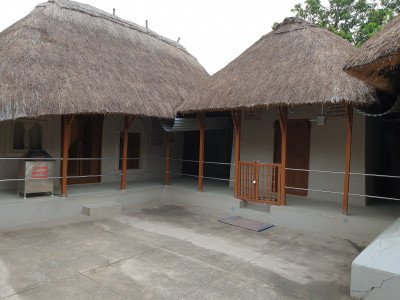
Joyrambati is one of the most significant pilgrimage sites in West Bengal, especially for followers of the Ramakrishna Math and Mission. It is the sacred birthplace of Sri Sarada Devi (The Holy Mother), the wife and spiritual consort of Sri Ramakrishna Paramahamsa. The village is entirely centered a round the Matri Mandir (Mother's Temple), constructed on the exact spot where the Holy Mother was born in 1853. This serene, spiritual location is where she spent her early life and performed many of her spiritual duties. The Matri Mandir is a beautiful temple built in the distinct Rekha Deul style, with a calm atmosphere perfectly suited for prayer and meditation. Besides the main temple, visitors can see the meticulously preserved Old House (ancestral home) of Sarada Devi, including the small thatched hut (Mayer Bari) where she lived. There is also the Punya Pukur (Holy Tank), where she used to bathe. The village remains quiet, simple, and deeply spiritual, offering pilgrims an opportunity to connect with the roots of this major modern spiritual movement. The site is often visited in conjunction with Kamarpukur, the birthplace of Sri Ramakrishna, about 6 KMS away.

Ans:- Joyrambati is world-renowned as the birthplace of Maa Sarada Devi, the spiritual consort of Sri Ramakrishna Paramahansa. For millions of followers, it is a sacred pilgrimage destination that represents peace, purity, and spiritual guidance. The village houses the Shri Shri Matri Mandir and the ancestral homes of the Holy Mother, which have been preserved as shrines. The atmosphere of the village, combined with its historical association with the life of Sarada Devi, draws thousands of devotees who come to seek eternal peace and spiritual inspiration.

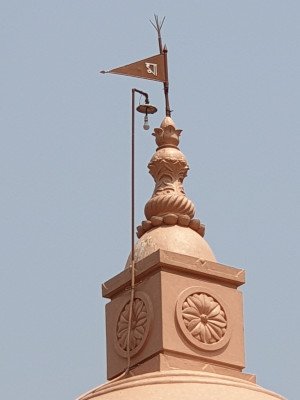
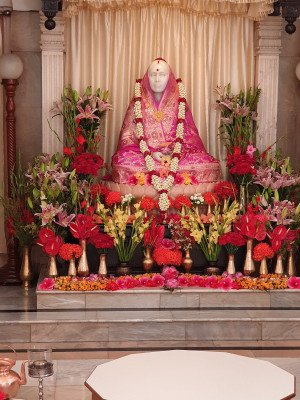
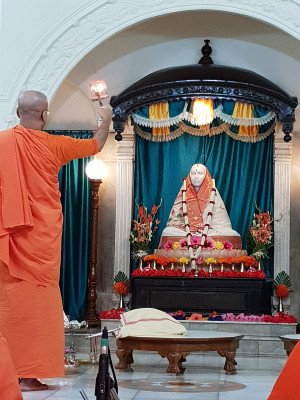
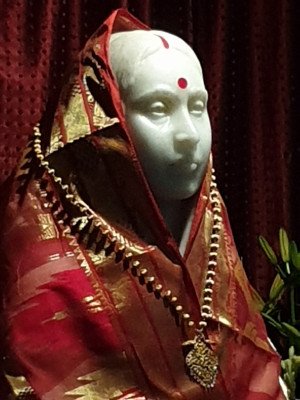
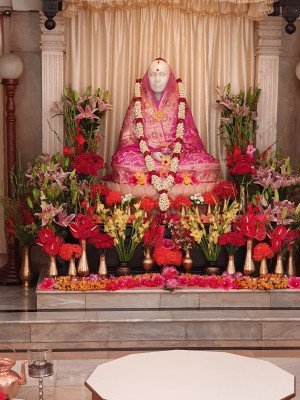
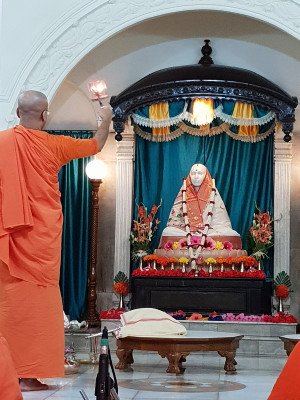
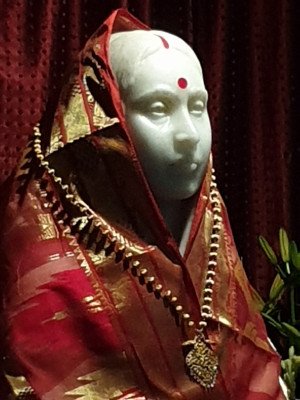
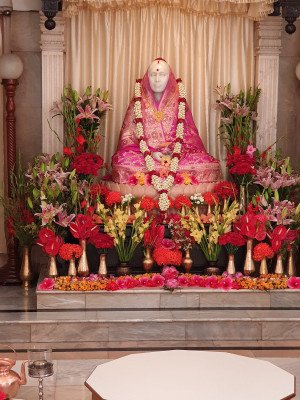
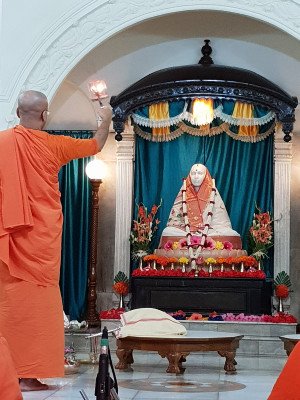
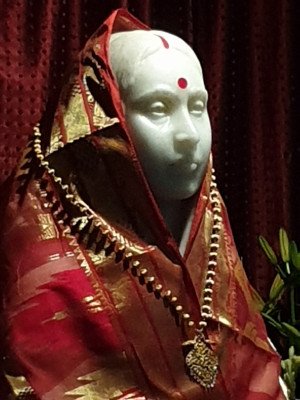
Ans:- The Shri Shri Matri Mandir is a beautiful white marble temple built on the exact site of Maa Sarada Devi’s birthplace. It was dedicated by Swami Saradananda on April 19, 1923, on the auspicious day of Akshaya-Tritiya. Inside, a life-like marble sculpture of the Holy Mother in a state of 'Dhyana Mudra' (meditative pose) is worshipped daily. The temple serves as the spiritual heart of Joyrambati, providing a tranquil environment where devotees can meditate, offer prayers, and experience the profound divine presence associated with the Holy Mother.

Ans:- Puratan-Bari (the Old House) is the ancestral home where Maa Sarada lived from 1863 to 1915 and where she initiated many devotees into spiritual life. It is also where she began the worship of Goddess Jagaddhatri. Nutan-Bari (the New House) was constructed in 1915-16 by Swami Saradananda to provide better accommodation for the increasing number of devotees visiting the Holy Mother. Both houses are maintained with great reverence, allowing visitors to step back in time and experience the simple, humble life that Sarada Devi led.

Ans:- Punyo Pukur is a sacred tank located in Joyrambati, frequently used by Maa Sarada Devi during her lifetime. Its name implies it is 'blessed' because of her connection to it. Devotees regard it with deep respect, and the area around the tank is part of the tranquil landscape that defines the village. It serves as a reminder of the Holy Mother’s daily activities and her simple, earthy life. The water remains a focal point for the spiritual atmosphere that permeates the village and continues to inspire pilgrims.

Ans:- Yes, visitors are allowed to visit both the Puratan-Bari and the Nutan-Bari. These dwellings have been preserved to maintain the atmosphere of the era in which the Holy Mother lived. Walking through these spaces allows one to witness the modest lifestyle of a woman revered as a divine figure. The serene environment, surrounded by green pastures and traditional structures, helps visitors connect with the history of the Ramakrishna Mission and understand the profound impact that Sarada Devi had on the lives of countless aspirants and followers.

Ans:- Maa Sarada Devi started the tradition of worshipping Goddess Jagaddhatri in her ancestral home in Joyrambati. This tradition continues to be a major event, drawing devotees from far and wide. The worship is performed with deep devotion and follows the rituals established during the Mother's time. The celebration serves as a bridge between the historical past and the present, ensuring that the spiritual legacy of the Holy Mother remains vibrant and active. It is an opportunity for followers to participate in rituals that were once sanctified by her presence.

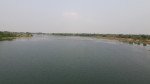
Ans:- Joyrambati is a picturesque village characterized by green pastures, meadows, and a peaceful rural atmosphere. It is bordered by fertile land near the Amodar River, which produces a variety of agricultural goods. The village’s quiet and serene environment, far from the hustle of urban life, is often described as spiritually rejuvenating. The blend of natural beauty—with trees, shrubs, and traditional ponds—and the sacred structures creates an ideal setting for contemplation, attracting those who seek a peaceful retreat rooted in spiritual tradition and historical significance.

Ans:- Maa Sarada Devi, often called the 'Holy Mother,' was the wife and spiritual consort of Sri Ramakrishna Paramahansa. She is revered as a saint, a spiritual teacher, and a mother figure to all who follow the teachings of the Ramakrishna Order. Despite her humble and simple lifestyle, she was a profound spiritual guide who initiated many into Sannyasa and Brahmacharya. Her life is seen as a synthesis of domestic duty and divine consciousness, making her one of the most respected figures in modern Indian spirituality and a pillar of the Ramakrishna Mission.

Ans:- Joyrambati is well-connected and accessible via the Bishnupur subdivision of Bankura. Most travelers reach the area by road, as it is a significant part of the pilgrimage circuit in West Bengal. The nearest major railhead is generally Bankura Junction, from where one can hire a taxi or use local transport to reach the village. Due to its status as a major religious site, the local infrastructure is designed to accommodate pilgrims. It is recommended to check for local transport updates and seasonal crowds to ensure a smooth journey to the village.

Ans:- The Ramakrishna Mission’s presence in Joyrambati grew significantly following the late 19th century as it became a spiritual hub. The establishment of temples and the preservation of the Holy Mother’s homes were carried out under the guidance of monks like Swami Saradananda. This institutional involvement has ensured that the village remains a well-documented and spiritually active site. The mission oversees the daily rituals, the maintenance of the buildings, and the care of the devotees, preserving the sanctity of the place while providing educational and spiritual services to the surrounding rural community.

Ans:- Besides the Punyo Pukur, there is another tank known as 'Barujjey Pukur' (Banerji’s tank) located on the south-eastern corner of the village. It is surrounded by palmyra trees and adds to the tranquil, scenic beauty of the area. Additionally, the 'Aher' or 'Mayer Dighi' is a large, historically significant water body where visitors and locals bathe. These tanks were essential to the village's agricultural and daily life and remain integral parts of the landscape, contributing to the serene and reflective atmosphere that greets every pilgrim visiting Joyrambati.

Ans:- While the surroundings of Joyrambati are beautiful, visitors should be aware that inside the temples and certain designated sacred areas, photography may be restricted to maintain the sanctity of the worship. It is always best to look for signage or ask the staff at the Matri Mandir for permission. Showing respect by refraining from intrusive photography is part of the decorum expected at such a holy pilgrimage destination. Following these guidelines ensures that the peaceful environment remains undisturbed for those who come for meditation and prayer.

Ans:- Joyrambati can be visited throughout the year, but many devotees prefer visiting during pleasant weather, typically between October and March. Special occasions like the Holy Mother’s birthday, Jagaddhatri Puja, or other major festivals of the Ramakrishna Mission see significant gatherings, offering a more vibrant and communal experience. If you prefer a quieter time for meditation, the non-festival periods are excellent. Regardless of the timing, the village retains its calm and meditative energy, allowing visitors to experience the spiritual depth of the place at their own pace.

Ans:- Joyrambati has become a symbol of spiritual harmony and simple, dedicated living. It has significantly influenced the cultural life of Bankura, serving as a focal point for spiritual gatherings and cultural events in West Bengal. The village exemplifies the values of Dharma, Karma, and Moksha as taught by the Ramakrishna-Sarada tradition. Its existence keeps alive the stories and teachings of Maa Sarada Devi, ensuring that her influence continues to shape the character and spiritual aspirations of people who seek deeper meaning in their lives, both locally and internationally.

Ans:- Yes, due to its status as a major pilgrimage site, there are accommodations available for devotees and visitors, often managed by or affiliated with the local ashram or nearby guest houses. Many pilgrims choose to stay in or near the village to fully immerse themselves in the spiritual environment. It is advisable to plan in advance, especially if visiting during major festival days, to ensure that you have a place to stay. The hospitality in Joyrambati is known for being simple, clean, and welcoming, reflecting the spirit of service associated with the Holy Mother.
Information about New and Updated Locations() of West Bengal Has Been Added :-
Card subtitle

Note:-

Information provided here in good Faith and for reference only.

Near Places
...
Acharya Jogesh Chandra Museum

Some quick example text to build on the card title and make up the bulk of the card's content.

Go somewhere
...
Bahulara Ancient Temple

Some quick example text to build on the card title and make up the bulk of the card's content.

Go somewhere

...
Bankura Jheel and Subhashgram Park

Some quick example text to build on the card title and make up the bulk of the card's content.

Go somewhere

...
Bardi Pahar

Some quick example text to build on the card title and make up the bulk of the card's content.

Go somewhere
...
Biharinath Hill

Some quick example text to build on the card title and make up the bulk of the card's content.

Go somewhere
...
Bishnupur Terracotta Temples

Some quick example text to build on the card title and make up the bulk of the card's content.

Go somewhere
...
Dharmaraj Temple Cluster

Some quick example text to build on the card title and make up the bulk of the card's content.

Go somewhere
...
Dihar Twin Temples

Some quick example text to build on the card title and make up the bulk of the card's content.

Go somewhere
...
Ekteswar Shiva Temple

Some quick example text to build on the card title and make up the bulk of the card's content.

Go somewhere

...
Ekteswar Temple

Some quick example text to build on the card title and make up the bulk of the card's content.

Go somewhere

...
Gangdua Terracotta Temple

Some quick example text to build on the card title and make up the bulk of the card's content.

Go somewhere
...
Jhilimili Forest

Some quick example text to build on the card title and make up the bulk of the card's content.

Go somewhere
...
Joypur Jungle

Some quick example text to build on the card title and make up the bulk of the card's content.

Go somewhere
...
Joyrambati

Some quick example text to build on the card title and make up the bulk of the card's content.

Go somewhere
...
Kangsabati Dam

Some quick example text to build on the card title and make up the bulk of the card's content.

Go somewhere
...
Kangsabati Riverfront and Mela Ground

Some quick example text to build on the card title and make up the bulk of the card's content.

Go somewhere
in Other Cities