...

FAQs On Kotulpur Sridhar Temple

Bankura, West Bengal, India
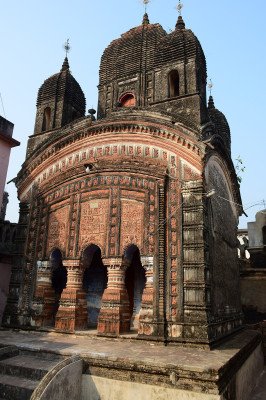
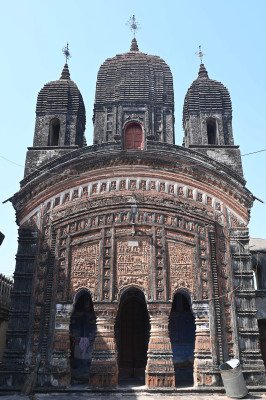
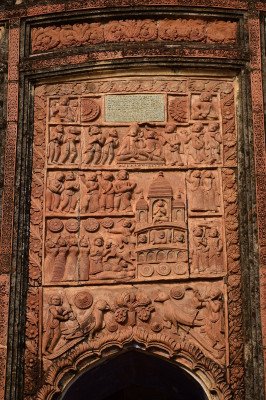
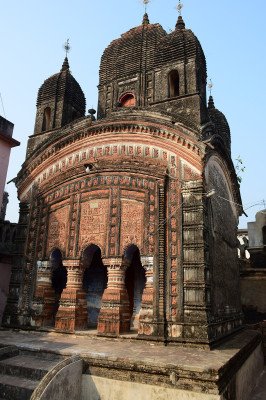
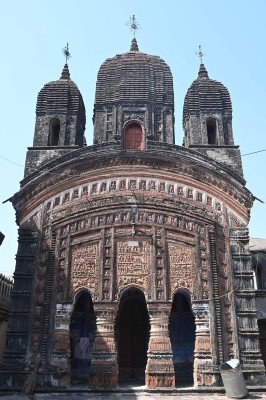
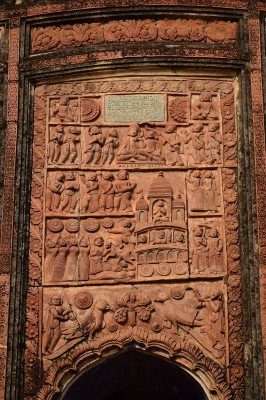
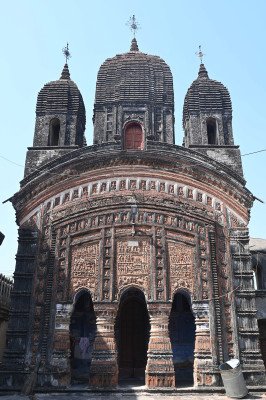
The Sridhar Temple in Kotulpur is an important historical and religious monument, dedicated to Lord Sridhar (a local name for Lord Krishna or Vishnu). It stands as a significant example of the Vaishnavite influence and architectural style prevalent in the surrounding region (which borders Hooghly an d Eastern Bardhaman, areas rich in Malla and post-Malla dynasty heritage). The temple is typically constructed in the elegant Pancharatna (five-pinnacled) style, an evolution of the traditional Bengali roof architecture. Like many temples in the area, it is adorned with intricate terracotta panels depicting scenes from the Ramayana, the Mahabharata, and the Puranas, as well as scenes of daily life. While it lacks the international fame of the Bishnupur temples, the Kotulpur Sridhar Temple is highly revered locally and offers architecture enthusiasts a chance to study well-preserved terracotta work in a less crowded, more authentic setting. The temple's structure and artwork reflect the late medieval religious art forms of Bengal.

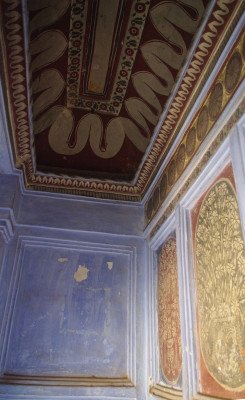
Ans:- The Kotulpur Sridhar Temple is a classic example of the traditional terracotta temple architecture prevalent in the Bankura region of West Bengal. These temples are characterized by their intricate carvings on burnt clay bricks, depicting scenes from Hindu mythology, local life, and floral patterns. The Sridhar Temple specifically showcases the craftsmanship of local artisans, featuring ornate walls that tell stories through art. This architectural style is a significant cultural heritage, reflecting the devotion and the high level of artistic skill possessed by the craftsmen of that era.

Ans:- The presiding deity of the Kotulpur Sridhar Temple is Lord Sridhar, a form of Lord Vishnu. The temple is dedicated to the worship of Vishnu, and it remains an active place of religious significance for the local community. The deity is worshipped with traditional rituals, and the temple attracts devotees who come to offer prayers and seek blessings. The presence of the deity brings a sense of spiritual serenity to the temple complex, making it a place of quiet reflection for visitors who appreciate both the history and the ongoing spiritual practice associated with the site.

Ans:- The Kotulpur Sridhar Temple dates back to the era of Bengal's terracotta temple construction, which flourished between the 17th and 19th centuries. While exact historical records can sometimes be elusive for smaller rural temples, its construction reflects the architectural trends of the late medieval or early modern period in Bengal. The temple has stood the test of time, serving as a silent witness to the changing social and cultural landscape of the Kotulpur region, and it remains a cherished historical monument that connects the present generation to their ancestral roots and architectural heritage.

Ans:- Yes, the temple comes alive during major Hindu festivals, particularly those dedicated to Lord Vishnu, such as Janmashtami, Rath Yatra, and various auspicious days in the Bengali calendar. During these times, the temple is beautifully decorated, and special pujas and prayers are conducted. The local community actively participates in these celebrations, and there is often a festive atmosphere with kirtans, devotional singing, and offerings. For a tourist, witnessing these celebrations offers a profound experience of the deep-rooted religious customs and the community spirit that defines life in rural Bankura.

Ans:- Yes, the Kotulpur Sridhar Temple is generally open to all visitors, regardless of their background, provided they respect the sanctity of the temple premises. As with many active religious sites in India, visitors are encouraged to dress modestly, maintain a quiet demeanor, and follow any local guidelines provided by the temple authorities or priests. It is a place of worship, and visitors are expected to remove their footwear before entering the main sanctum. The local community is typically welcoming to respectful tourists who come to appreciate the architecture and history.

Ans:- There is no official entrance fee for visiting the Kotulpur Sridhar Temple. It is a community-managed place of worship that is free for the public to visit. However, if you choose to make a donation or offer 'prasad' at the temple, it is entirely voluntary and is considered a gesture of respect and devotion. Visitors should be wary of any unauthorized individuals asking for 'fees' or 'mandatory donations' outside the temple. Always rely on local information or the temple priest for guidance regarding any offerings or temple customs.

Ans:- Kotulpur is well-connected by road to other parts of Bankura and nearby towns in West Bengal. The most common way to reach Kotulpur is by bus from Bankura town or other major nearby transport hubs. If you are traveling from Kolkata, you can take a train to a nearby railhead and then hire a local taxi or board a bus to reach Kotulpur. The roads offer a scenic journey through the rural landscape of Bankura. It is advisable to check local bus schedules in advance for a smoother travel experience.

Ans:- Photography policies can vary, but generally, taking pictures of the exterior architecture, the terracotta carvings, and the temple surroundings is allowed and encouraged as they are the primary highlights. However, photography inside the sanctum sanctorum, where the deity is located, is often restricted or prohibited out of respect for the religious sanctity of the space. It is always best to ask the temple authorities or the priest for permission before taking any photos, especially near the inner shrine, to ensure you are respecting the local customs and feelings.

Ans:- A visit to the Kotulpur Sridhar Temple usually takes about 30 minutes to an hour, depending on your interest in studying the terracotta art and spending time in quiet contemplation. Since it is a smaller, more intimate temple compared to the massive temple complexes in places like Bishnupur, it allows for a more focused and peaceful experience. If you are also exploring other heritage sites in the Kotulpur area or the broader Bankura district, you can plan your day accordingly, taking your time to soak in the local history and architectural beauty.

Ans:- Professional, registered guides are not typically stationed at the Kotulpur Sridhar Temple, as it is a smaller, local heritage site. However, locals who are familiar with the temple's history and significance are often willing to share stories if you interact with them respectfully. It is highly recommended to do some background research or read about the temple's history before your visit to better appreciate the details of the carvings and the cultural context. Engaging with the locals can also provide unique insights into the temple's role in the daily life of Kotulpur.

Ans:- A visit to the Kotulpur Sridhar Temple can be part of a larger heritage tour of the Bankura district. Nearby, you might explore the town of Kotulpur itself, which has other older structures, or head towards Bishnupur, which is famous for its extensive collection of terracotta temples and traditional handicrafts. The surrounding rural landscape also offers opportunities for photography and nature walks. Planning a route that includes these nearby heritage sites will allow you to see the diversity and depth of the architectural and cultural history of the Bankura region effectively.

Ans:- The accessibility of the Kotulpur Sridhar Temple can be challenging due to its age and traditional design. Many older temples in the region have steps, uneven flooring, and small entryways that may not be fully compliant with modern accessibility standards. While the temple courtyard might be accessible with some assistance, reaching the main sanctum might require navigating steps. It is recommended for visitors with significant mobility concerns to assess the situation upon arrival and seek assistance from local companions if necessary, as infrastructure improvements are limited in such historic rural settings.

Ans:- Like most outdoor heritage sites in West Bengal, the best season to visit the Kotulpur Sridhar Temple is during the winter months (November to February). The weather is cool and dry, making it pleasant to walk around the temple premises and examine the delicate terracotta carvings in detail without the discomfort of heat or humidity. The monsoon season can also make the surroundings lush and green, but the humidity and the potential for muddy paths may make travel less comfortable. Spring is another excellent time when the weather is mild and pleasant.

Ans:- There are local small shops and tea stalls in the vicinity of Kotulpur town where you can find basic snacks, tea, and sometimes simple meals. However, do not expect large restaurants or cafes immediately adjacent to the temple. It is a good idea to carry bottled water and some dry snacks, especially if you are on a tight schedule or planning to travel further into the rural parts of Bankura. Exploring the local food stalls in the market area of Kotulpur can provide a taste of authentic local cuisine.

Ans:- When visiting the Kotulpur Sridhar Temple, it is recommended to wear modest, comfortable clothing that respects the local culture. Loose-fitting cotton clothes are generally best for the climate in West Bengal. Since it is a religious site, avoid wearing revealing attire such as tank tops or very short shorts out of respect for the sanctity of the temple. Carrying a scarf or a light shawl is often useful for both protection from the sun and as a mark of respect if needed when entering the inner prayer area of the temple.
Information about New and Updated Locations() of West Bengal Has Been Added :-
Card subtitle

Note:-

Information provided here in good Faith and for reference only.

Near Places
...
Acharya Jogesh Chandra Museum

Some quick example text to build on the card title and make up the bulk of the card's content.

Go somewhere
...
Bahulara Ancient Temple

Some quick example text to build on the card title and make up the bulk of the card's content.

Go somewhere
...
Bankura Jheel and Subhashgram Park

Some quick example text to build on the card title and make up the bulk of the card's content.

Go somewhere

...
Bardi Pahar

Some quick example text to build on the card title and make up the bulk of the card's content.

Go somewhere
...
Biharinath Hill

Some quick example text to build on the card title and make up the bulk of the card's content.

Go somewhere

...
Bishnupur Terracotta Temples

Some quick example text to build on the card title and make up the bulk of the card's content.

Go somewhere
...
Dharmaraj Temple Cluster

Some quick example text to build on the card title and make up the bulk of the card's content.

Go somewhere
...
Dihar Twin Temples

Some quick example text to build on the card title and make up the bulk of the card's content.

Go somewhere
...
Ekteswar Shiva Temple

Some quick example text to build on the card title and make up the bulk of the card's content.

Go somewhere

...
Ekteswar Temple

Some quick example text to build on the card title and make up the bulk of the card's content.

Go somewhere
...
Gangdua Terracotta Temple

Some quick example text to build on the card title and make up the bulk of the card's content.

Go somewhere
...
Jhilimili Forest

Some quick example text to build on the card title and make up the bulk of the card's content.

Go somewhere
...
Joypur Jungle

Some quick example text to build on the card title and make up the bulk of the card's content.

Go somewhere
...
Joyrambati

Some quick example text to build on the card title and make up the bulk of the card's content.

Go somewhere
...
Kangsabati Dam

Some quick example text to build on the card title and make up the bulk of the card's content.

Go somewhere
...
Kangsabati Riverfront and Mela Ground

Some quick example text to build on the card title and make up the bulk of the card's content.

Go somewhere
in Other Cities