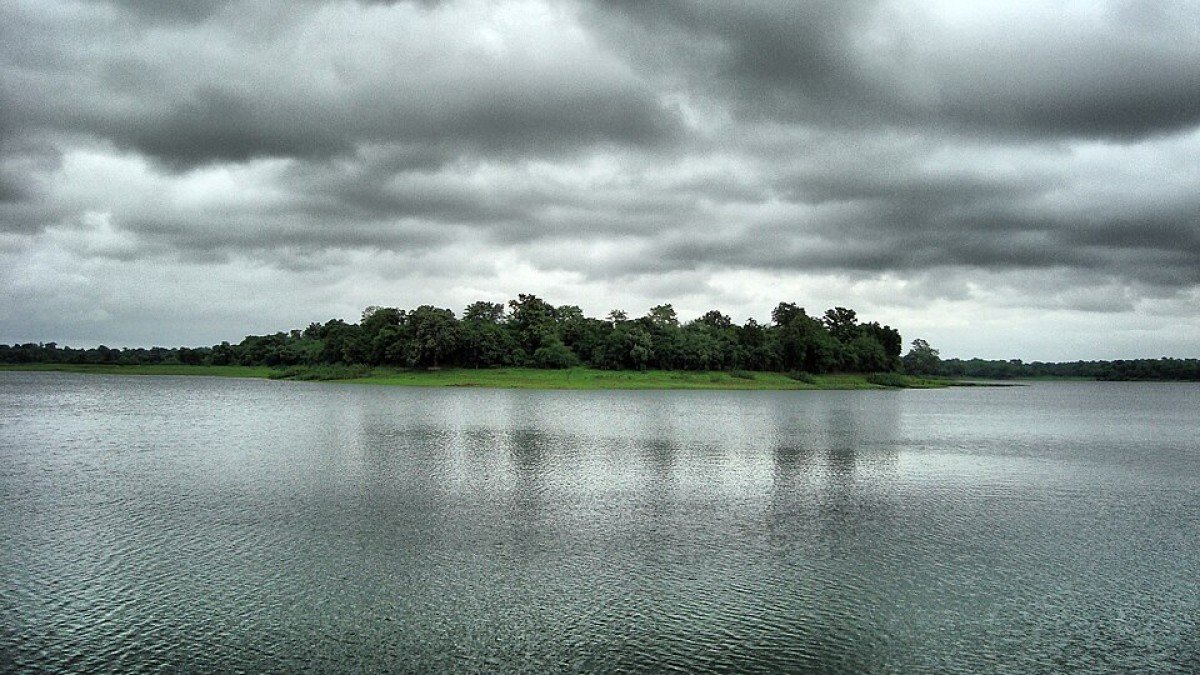
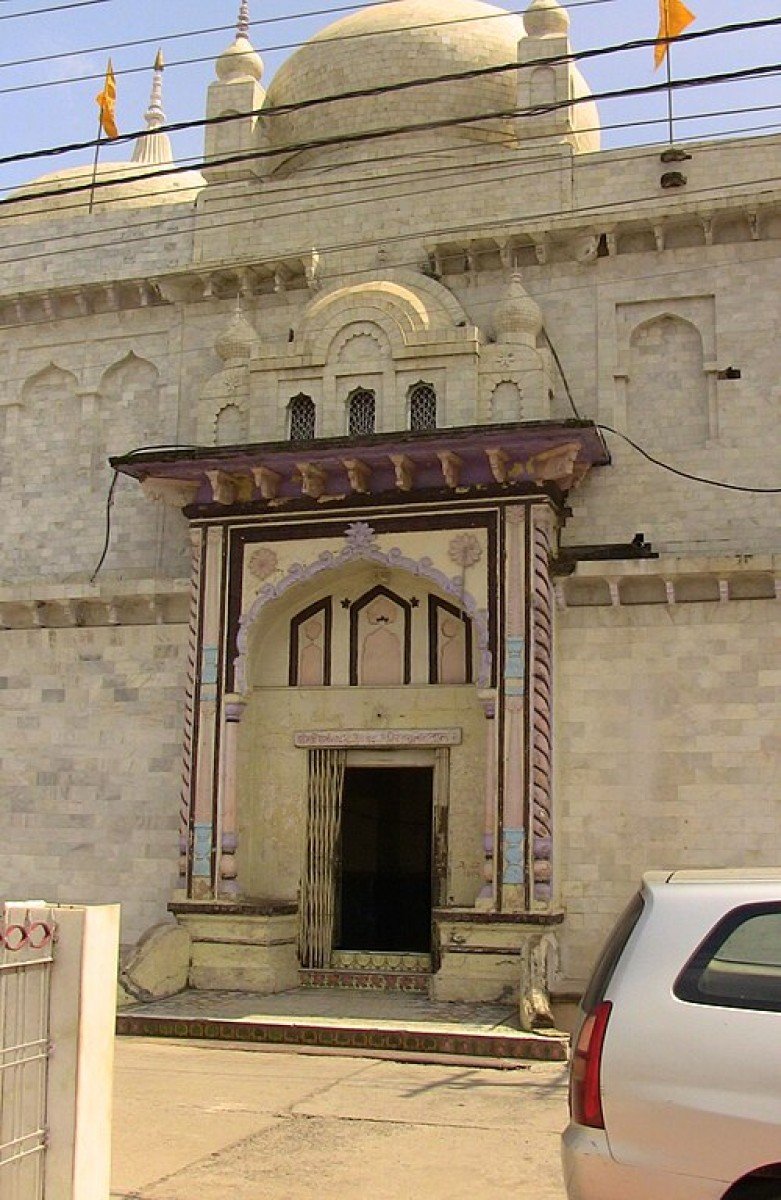
Ghughra Waterfall
General information
-
Ideal Duration:
2 - 3 hoursPlace Type:
Natural Waterfall and Picnic SpotEntry Fees:
Free Natural Access:: Ghughra Waterfall is a natural, relatively undeveloped geological site situated on public land within the Vindhya forest region. There is generally No Formal Entry Fee charged by the government or any official body to view and enjoy the falls. It is a...Free Natural Access:: Ghughra Waterfall is a natural, relatively undeveloped geological site situated on public land within the Vindhya forest region. There is generally No Formal Entry Fee charged by the government or any official body to view and enjoy the falls. It is a completely Free experience.
Parking Fee Requirement:: The only anticipated charge is a very small, nominal fee for parking a vehicle (if arriving by private transport) near the approach road to the falls. This fee is typically collected by local community members for securing the parking spot, often around Rs.20 to Rs.30.
Informal Local Guides:: If visitors choose to hire one of the local residents as an informal guide (recommended due to the less-marked trails), this will involve a small, negotiated payment for their service, which is separate from any entry cost.
No Formal Infrastructure:: The absence of a commercial ticketing system or extensive official infrastructure confirms its status as a natural, remote, and openly accessible environment, where the focus is on natural appreciation rather than controlled access.
Timing:
Regular Timings:: As a natural waterfall in a remote area, Ghughra Waterfall technically has No Official Timings, and access to the general area is open from Sunrise to Sunset. It is strongly advised not to visit after dark due to safety risks from the terrain and its seclu...Regular Timings:: As a natural waterfall in a remote area, Ghughra Waterfall technically has No Official Timings, and access to the general area is open from Sunrise to Sunset. It is strongly advised not to visit after dark due to safety risks from the terrain and its seclusion.
Ideal Visit Time:: The Ideal Visit Time is during the monsoon season (July to October) when the water flow is at its peak and the surrounding area is a vibrant, lush green. The best part of the day is the late morning (10:00 AM to 1:00 PM) or the early afternoon.
Avoid Dry Season:: It is generally less impressive and can be completely dry during the late Summer months (April to June), so visiting then is strongly discouraged for the full experience.
Optimal Light:: The light in the late morning and early afternoon is generally the best for capturing the full visual impact of the flowing water and the deep, saturated green of the vegetation in the valley.
Special Events:
Monsoon Trekking and Photography Meet-ups:: The most significant event is the informal but popular gathering of local trekking groups and photography clubs, who organize dedicated meet-ups during the monsoon season (July to September) to explore the area and capture the full...Monsoon Trekking and Photography Meet-ups:: The most significant event is the informal but popular gathering of local trekking groups and photography clubs, who organize dedicated meet-ups during the monsoon season (July to September) to explore the area and capture the full, powerful flow of the falls and the lush, seasonal greenery.
Local Village Fairs (Post-Harvest):: The surrounding rural villages sometimes host small, traditional, localized harvest or post-monsoon fairs in the area near the falls, typically in October or November, which provide a unique glimpse into the regional culture, food, and folk music.
Youth Nature Camps (Rare):: Due to its secluded location and natural beauty, the site is occasionally used by local schools or environmental organizations to host single-day nature camps or adventure activities for young people, focusing on environmental education and appreciation of the Vindhyan forest.
Best Photo Spots:
The Mid-Height Cascade Angle:: Find a stable position on a rock or a clear area mid-way down the main cascade area (safely) to capture the water as it gracefully drops over the different rock tiers, creating a powerful sense of flow and movement, best captured with a slow sh...The Mid-Height Cascade Angle:: Find a stable position on a rock or a clear area mid-way down the main cascade area (safely) to capture the water as it gracefully drops over the different rock tiers, creating a powerful sense of flow and movement, best captured with a slow shutter speed.
The Lush Monsoon Frame:: The best photo spot is focusing on the vibrant, saturated greens of the surrounding vegetation (ferns, mosses, trees) and the dark, wet rock, using them to naturally frame the white, rushing water of the falls, especially during or just after the monsoon season.
The Plunge Pool Reflection:: Capture the serene reflection of the surrounding trees and the falling water in the calm surface of the pool at the base of the falls, creating a sense of symmetry and peacefulness. This works best on still days with good light.
The View from Above (Crest):: For the adventurous, capturing the view from a high, safe point at the very crest of the falls (before the drop) offers a unique perspective of the water channel and the surrounding forested valley, a dramatic and different vantage point.
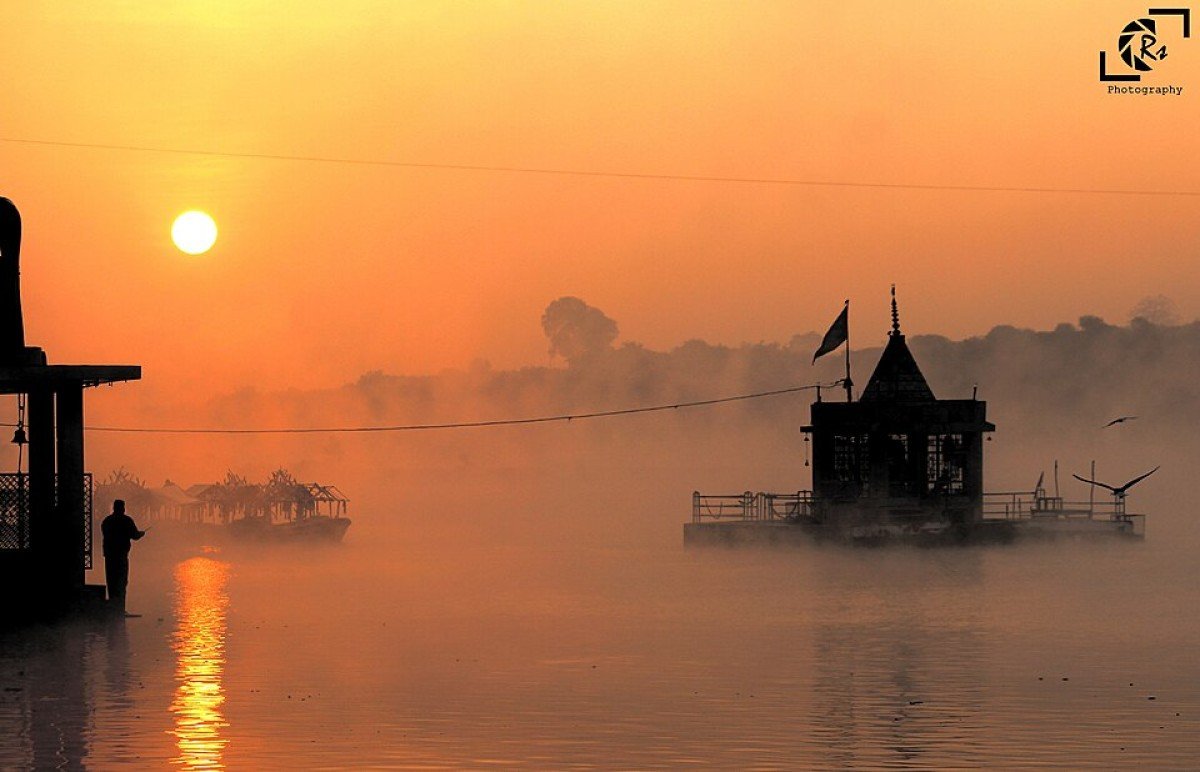
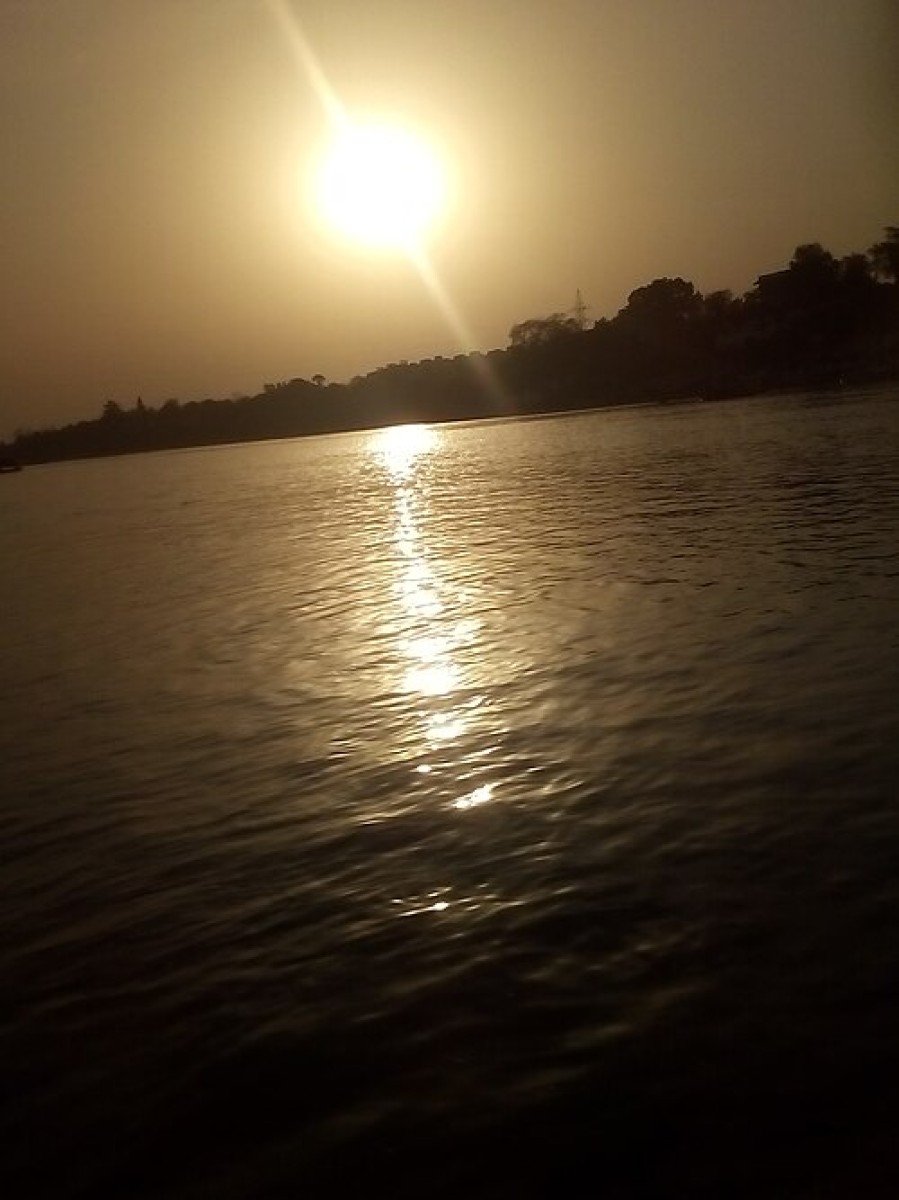
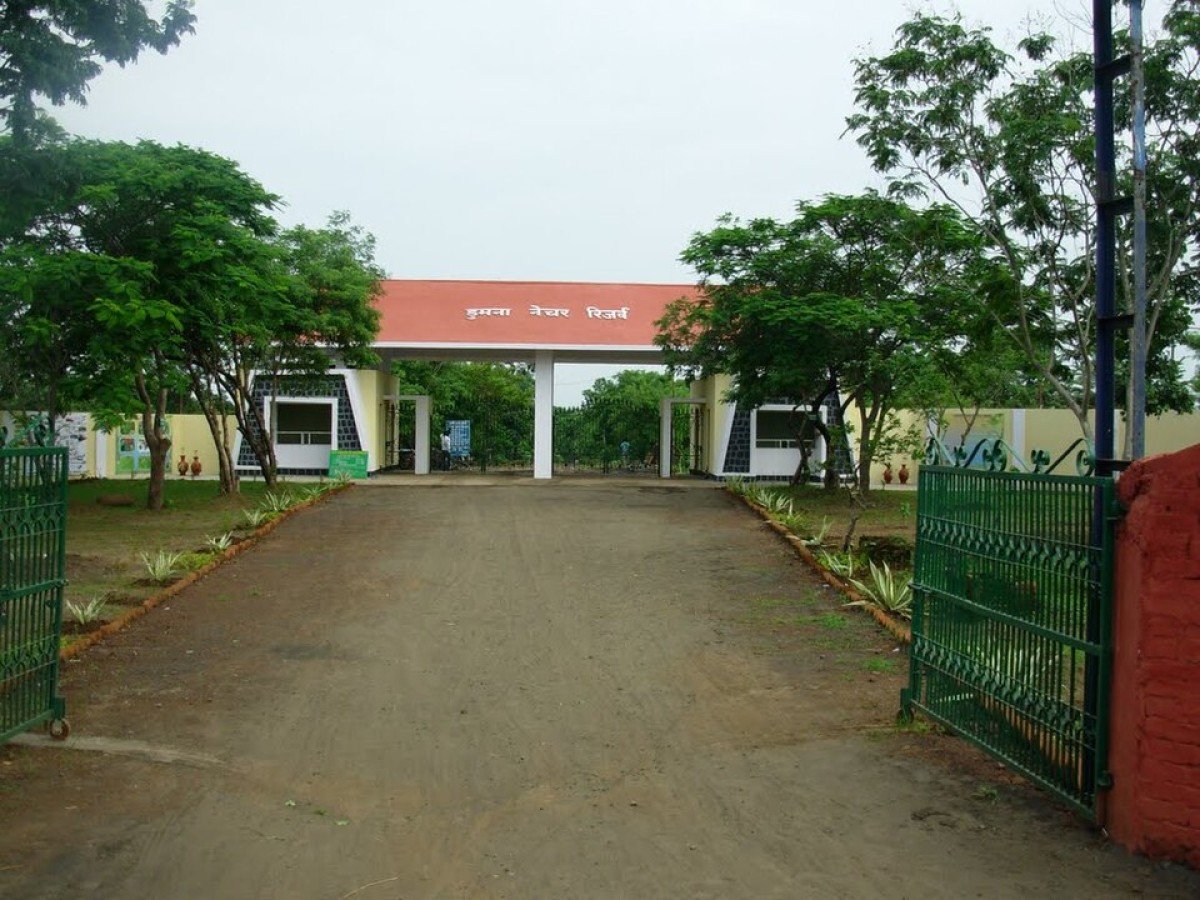
Photo Gallery

Things To Do
-
Monsoon Cascade Viewing and Photography:: The essential activity is to visit during or just after the monsoon (July to November) to witness the waterfall at its magnificent, powerful peak. Dedicate time to capturing long-exposure photographs of the rushing water against the green, rocky backdrop.
Picnicking in Tranquility:: Utilize the peaceful, grassy areas near the falls for a relaxed, nature-centric picnic. This is an ideal spot to spread out a blanket, enjoy packed food, and listen to the soothing sound of the cascading water, away from urban distractions.
Nature Walks and Trail Exploration:: Embark on gentle, unhurried nature walks along the immediate banks of the stream and the informal, safe trails surrounding the falls. This allows for the discovery of hidden vantage points and a deepe...Monsoon Cascade Viewing and Photography:: The essential activity is to visit during or just after the monsoon (July to November) to witness the waterfall at its magnificent, powerful peak. Dedicate time to capturing long-exposure photographs of the rushing water against the green, rocky backdrop.
Picnicking in Tranquility:: Utilize the peaceful, grassy areas near the falls for a relaxed, nature-centric picnic. This is an ideal spot to spread out a blanket, enjoy packed food, and listen to the soothing sound of the cascading water, away from urban distractions.
Nature Walks and Trail Exploration:: Embark on gentle, unhurried nature walks along the immediate banks of the stream and the informal, safe trails surrounding the falls. This allows for the discovery of hidden vantage points and a deeper appreciation of the Vindhyan forest ecosystem.
Wading in the Plunge Pool:: During periods of safe and moderate flow, visitors can carefully wade into the shallow parts of the plunge pool at the base of the falls to cool off in the crystal-clear water, though caution must always be exercised regarding currents and depth.
Geological Observation:: Study the unique, stepped formation of the waterfall, observing how the water has eroded the different layers of the ancient rock strata over time, providing a tangible lesson in natural geology.
Search for the 'Nilgiri' Rock:: Try to locate the distinctive large, blue-hued rock, sometimes referred to as the Nilgiri Mountains by locals, in the river channel near the falls, connecting the visit to the local geographical folklore.
Quiet Contemplation and Reflection:: The secluded and serene environment is perfect for sitting quietly on a rock, reading, meditating, or simply engaging in deep contemplation, using the natural sound of the falls as a meditative anchor.
Local Transport Interaction:: Since it is slightly remote, engaging in the process of hiring a local auto-rickshaw or taxi and interacting with the driver provides an authentic taste of local travel and hospitality, adding an adventure element.
Information
-
Why Famous:
The Unspoiled and Peaceful Retreat:: Ghughra Waterfall is primarily famous for its status as an 'unspoiled' and peaceful natural escape, a serene counterpoint to the more crowded tourist spots like Dhuandhar Falls. This tranquility and pristine environment are a major draw ...The Unspoiled and Peaceful Retreat:: Ghughra Waterfall is primarily famous for its status as an 'unspoiled' and peaceful natural escape, a serene counterpoint to the more crowded tourist spots like Dhuandhar Falls. This tranquility and pristine environment are a major draw for those seeking a quiet communion with nature.
Monsoon Season Magnificence:: Its fame peaks during and immediately after the monsoon season (July to November), when the cascade swells into a truly magnificent sight, with water vigorously tumbling over the rocky strata, creating a powerful, soothing sound and a stunning visual spectacle.
A True Hidden Gem Status:: Unlike widely commercialized sites, Ghughra's fame is rooted in its 'hidden gem' status, appealing to local explorers and dedicated nature photographers who appreciate its secluded beauty and less-trodden paths. It is known for its raw, natural charm away from crowds.
Geological and Scenic Beauty:: The waterfall is famous for the intricate natural architecture of its multiple drops and the surrounding rugged, ancient rock formations of the Vindhya range, which are beautifully adorned with lush, seasonal greenery, creating a classically picturesque landscape for leisurely picnics and nature walks.
-
Architecture:
Geological Structure of the Fall:: The Ghughra Waterfall's architecture is entirely natural, defined by the geological composition of the Vindhya rock strata, which has resisted erosion in certain areas. The fall descends over a series of rugged, irregular vertical drops, r...Geological Structure of the Fall:: The Ghughra Waterfall's architecture is entirely natural, defined by the geological composition of the Vindhya rock strata, which has resisted erosion in certain areas. The fall descends over a series of rugged, irregular vertical drops, rather than a single massive plunge, a characteristic that defines its structural flow.
Natural Cascade and Plunge Pool:: The height of the falls is moderate, likely a total drop of 20-30 feet across its various levels, but its volume is significantly impressive during the monsoon. The water has carved out a small, serene plunge pool at the bottom, which is a major feature.
Rock and Channel Dimensions:: The stream flows over a rocky bed, which constricts the river's width, increasing the flow speed before the drop. The surrounding rock faces are adorned with moss and vegetation, highlighting the ancient, weathered appearance of the geological foundation. The entire accessible area spans several hundred meters along the stream.
Absence of Formal Engineering:: The site's architectural beauty lies in its unengineered, raw form. There are no formal steps or constructed viewing platforms (unlike the heavily commercialized Dhuandhar Falls), preserving its status as a pristine, natural landscape. The Nilgiri Mountains reference near Lameta Ghat refers to a large blue-hued stone in the river, a natural point of visual interest.
-
How To Reach:
By Air:: The nearest airport is Jabalpur Airport (Dumna, JLR), approximately 30-35 KMS away. From the airport, a taxi or pre-booked private car is the necessary mode of transport, as the waterfall is located in a relatively remote area off the main highways. The drive will...By Air:: The nearest airport is Jabalpur Airport (Dumna, JLR), approximately 30-35 KMS away. From the airport, a taxi or pre-booked private car is the necessary mode of transport, as the waterfall is located in a relatively remote area off the main highways. The drive will take around 1 hour to 1. 5 hours.
By Train:: The nearest major railway station is Jabalpur Junction (JBP), approximately 20-25 KMS away. From the station, the best option is to hire a taxi for a round trip or a slightly longer-haul auto-rickshaw. Negotiate the fare beforehand, as the route is to a less common, remote tourist spot.
By Road:: Ghughra Waterfall is located about 20 KMS from the Jabalpur City Center, and the route involves taking a section of the road towards Katni (NH30) before branching onto a smaller, often less-maintained road (Ghughra Fall Rd). Private vehicles, a hired taxi, or a local auto-rickshaw are the only viable options, with the journey taking about 45 minutes to an hour. Navigation is best done using a GPS or local guidance.
By Local Transport:: Local transport is available, but one must be specific. Hiring a local auto-rickshaw from Jabalpur for a negotiated round-trip is the most flexible choice. The final leg of the journey may involve walking a short distance from where the vehicle can no longer proceed on the rough road. Local buses are less frequent and may only drop you far away on the main highway.
-
Weather and Best Time to Visit:
Different Types of Seasons:: The absolute Best Time to Visit Ghughra Waterfall is the Monsoon season (July to October), as this is when the cascade is swollen with rainwater, flowing powerfully and displaying its full, magnificent form against the backdrop of vibrant, lush g...Different Types of Seasons:: The absolute Best Time to Visit Ghughra Waterfall is the Monsoon season (July to October), as this is when the cascade is swollen with rainwater, flowing powerfully and displaying its full, magnificent form against the backdrop of vibrant, lush green forest. Visiting outside of this time, especially in summer, can result in a barely-trickling or dry waterfall.
Different Parts of the Day:: The Ideal Time of Day is the Late Morning to Early Afternoon (10:00 AM - 2:00 PM). The light is generally better for capturing the flow and the deep green of the monsoon-fed vegetation. The relative seclusion means there is no rush to beat a crowd.
Safety in Monsoon:: While the monsoon is the best time for viewing, visitors must be highly cautious of slippery rocks and rapid changes in water flow. Dry season visits (less water) are safer for proximity to the pool.
Temperature Comfort:: The pleasant, overcast days of the monsoon and the cooler temperatures of the post-monsoon period (October and November) offer the best overall comfort for exploring the natural environment.
-
Near Tourist Places:
Near Tourist Places: Dhuandhar Falls (15 KMS); Marble Rocks, Bhedaghat (18 KMS); Chausath Yogini Temple (20 KMS); Lameta Ghat (10 KMS); Tilwara Ghat (15 KMS); Pisanhari Ki Madiya (25 KMS); Gwarighat (17 KMS); Jabalpur Junction Railway Station (20 KMS); Bargi Dam (55 KMS); Rani Durgavati Fort (25 KMS).
Tourism Tips
-
Health & Safety:: Extreme caution is necessary, especially during the monsoon when the rocks and pathways are slippery. Do Not climb on wet rocks or enter the water if the current is strong. Wear shoes with good grip. Do Not venture too far off the informal trails, as the...Health & Safety:: Extreme caution is necessary, especially during the monsoon when the rocks and pathways are slippery. Do Not climb on wet rocks or enter the water if the current is strong. Wear shoes with good grip. Do Not venture too far off the informal trails, as the area is secluded.
Packing Essentials:: Essential items include non-slip, waterproof shoes (or good quality trekking sandals), a raincoat or umbrella (if visiting in the monsoon), adequate drinking water, and insect repellent. A waterproof bag for your camera is highly recommended.
Accommodation:: Since the area is remote, there are no immediate accommodations. The best option is to stay in a hotel or guesthouse in Jabalpur City (20 KMS away) and travel to the falls for a day trip. Consider lodging in the Bhedaghat area for a slightly closer stay.
Other Different Topics Heading:
Best Season Tip:: The spectacular view is only during the Monsoon; check the local water flow status before traveling during other seasons.
Local Guidance:: Consider hiring a local resident to guide you to the safest and best vantage points.
Vehicle Condition:: Ensure your hired auto-rickshaw or car is in good condition for the rough, final approach road.
Picnic Preparation:: Pack all your food and drinks, as commercial vendors are rare here.
Reviews
FAQs
Jabalpur Itineray And Cost:-
Ghughra Waterfall Tourism:-
Other Places In Jabalpur :-
Other States In India :-
Information about New and Updated Locations() of Madhya Pradesh Has Been Added :-
Card subtitle
Note:-
Information provided here in good Faith and for reference only.
Near Places

Bagdari Water Fall
Some quick example text to build on the card title and make up the bulk of the card's content.
Go somewhere
Bargi Dam
Some quick example text to build on the card title and make up the bulk of the card's content.
Go somewhere
Bargi Scenic Beauty
Some quick example text to build on the card title and make up the bulk of the card's content.
Go somewhere
Bheema Kund
Some quick example text to build on the card title and make up the bulk of the card's content.
Go somewhere
Jalpari Lake
Some quick example text to build on the card title and make up the bulk of the card's content.
Go somewhere
Kali Math
Some quick example text to build on the card title and make up the bulk of the card's content.
Go somewhere
Lamheta Ghat
Some quick example text to build on the card title and make up the bulk of the card's content.
Go somewhere
Sangram Sagar Lake
Some quick example text to build on the card title and make up the bulk of the card's content.
Go somewherein Other Cities