


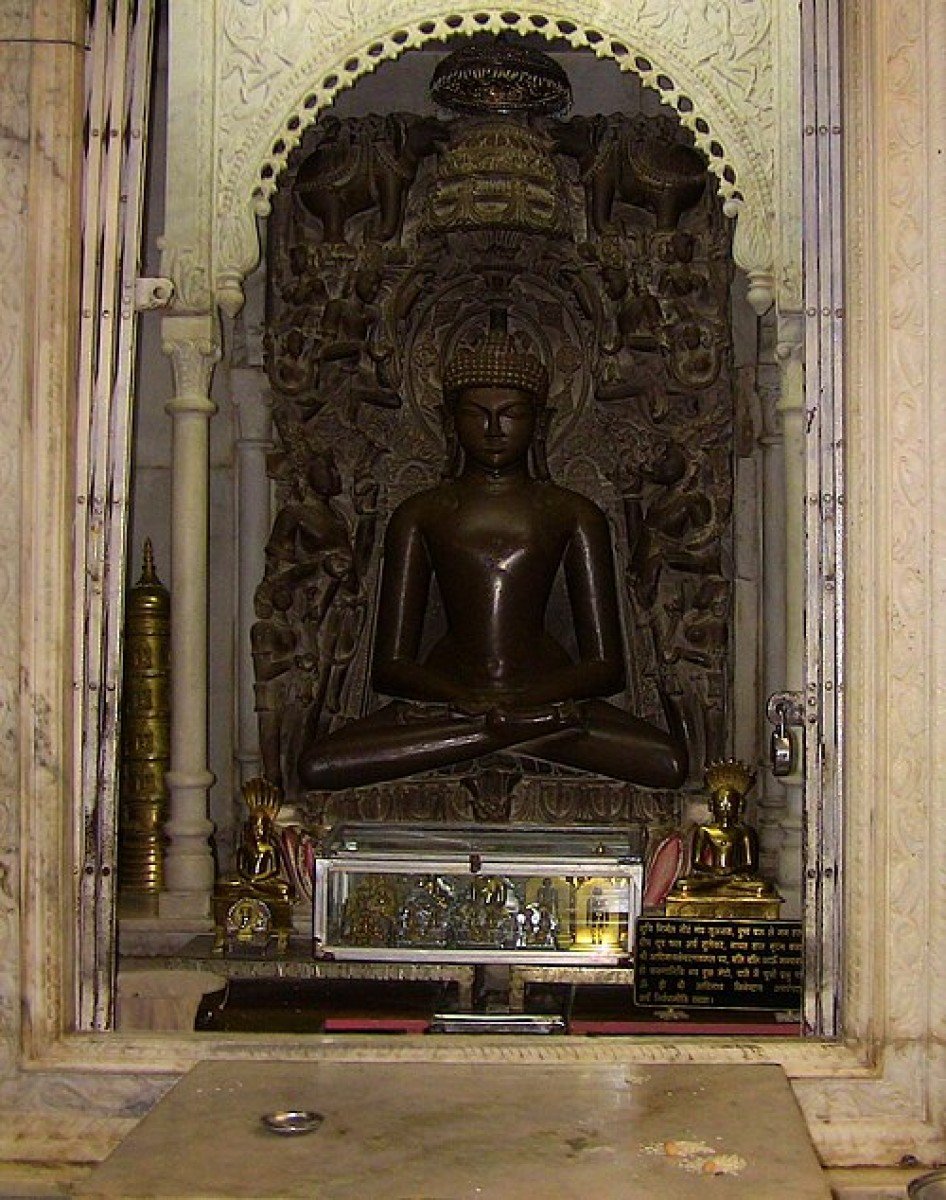
Hanumantal Jain Mandir
General information
-
Ideal Duration:
1 - 2 hoursPlace Type:
Historical and Spiritual Jain TempleEntry Fees:
Free Access to the Main Temple:: As a traditional and highly revered Jain place of worship, the Hanumantal Jain Mandir typically does Not charge a mandatory entry fee for devotees and general visitors to enter the complex and offer prayers. It operates on the principle of f...Free Access to the Main Temple:: As a traditional and highly revered Jain place of worship, the Hanumantal Jain Mandir typically does Not charge a mandatory entry fee for devotees and general visitors to enter the complex and offer prayers. It operates on the principle of free access for worship.
Voluntary Contribution and Dharamshala Fees:: Visitors are encouraged to make voluntary donations to the temple trust for the maintenance of the ancient structure and the support of its religious activities. The Dharamshala (pilgrim rest house) on the premises may charge a minimal fee for accommodation services, but not for entry to the temple itself.
Specific Shrine Rules:: While the main temple is free, certain inner sanctums or special museum/artifact areas (if they exist) might have their own specific, low access fees or donation requirements, which should be inquired about on arrival.
No Commercial Ticketing:: The entire complex maintains a spiritual focus, confirmed by the absence of a large-scale commercial ticketing counter at the entrance, ensuring that its primary function as a religious and historical center remains paramount.
Timing:
Regular Timings:: The Hanumantal Jain Mandir complex is generally open to devotees from the very early morning, typically around 5:00 AM or 6:00 AM, until late evening, around 9:00 PM or 10:00 PM. The large complex allows for extended hours for both darshan and rest.Regular Timings:: The Hanumantal Jain Mandir complex is generally open to devotees from the very early morning, typically around 5:00 AM or 6:00 AM, until late evening, around 9:00 PM or 10:00 PM. The large complex allows for extended hours for both darshan and rest.
Ideal Visit Time:: The Ideal Visit Time is the early morning (7:00 AM to 10:00 AM). This time offers the most peaceful and serene atmosphere for spiritual contemplation and darshan, allowing visitors to appreciate the architecture and the Kalachuri artifacts without the heavy mid-day crowds.
Afternoon Crowds:: The mid-day and early afternoon hours can be quite busy, especially during holiday seasons. Late afternoon is also a great window for a peaceful visit and beautiful photography of the temple's reflection in the Hanuman Tal lake.
Festival Hours:: During major festivals like Paryushan, the temple will operate on special, extended hours to accommodate the massive influx of devotees for specific rituals and processions.
Special Events:
Paryushan Mahaparva Celebrations:: The most important annual event is the celebration of the Paryushan Mahaparva (usually in August or September), the most sacred period of the Jain calendar. The temple is the central hub for the recitation of scriptures, sermons, fasts, an...Paryushan Mahaparva Celebrations:: The most important annual event is the celebration of the Paryushan Mahaparva (usually in August or September), the most sacred period of the Jain calendar. The temple is the central hub for the recitation of scriptures, sermons, fasts, and the grand procession for both the Shwetambar and Digambar traditions.
Mahavir Jayanti Procession:: The birth anniversary of Lord Mahavir (Mahavir Jayanti, typically in March or April) is celebrated with immense devotion, marked by a massive and colorful Rath Yatra (chariot procession) that starts or concludes at the Hanumantal Jain Mandir, drawing pilgrims from the entire region.
Annual Kalachuri Art Lecture (Local):: Occasionally, local historical societies or the Jain community may organize special lectures or discussions focused on the ancient Kalachuri Period art and sculptures housed within the temple, offering a niche academic and historical event for enthusiasts.
Best Photo Spots:
The Water-Reflection Shot:: The premier photo spot is from across the Hanuman Tal lake, capturing the entire majestic temple complex, including its soaring Shikharas and fortress-like walls, perfectly reflected in the still water of the lake, creating a beautiful symmetry an...The Water-Reflection Shot:: The premier photo spot is from across the Hanuman Tal lake, capturing the entire majestic temple complex, including its soaring Shikharas and fortress-like walls, perfectly reflected in the still water of the lake, creating a beautiful symmetry and a serene view.
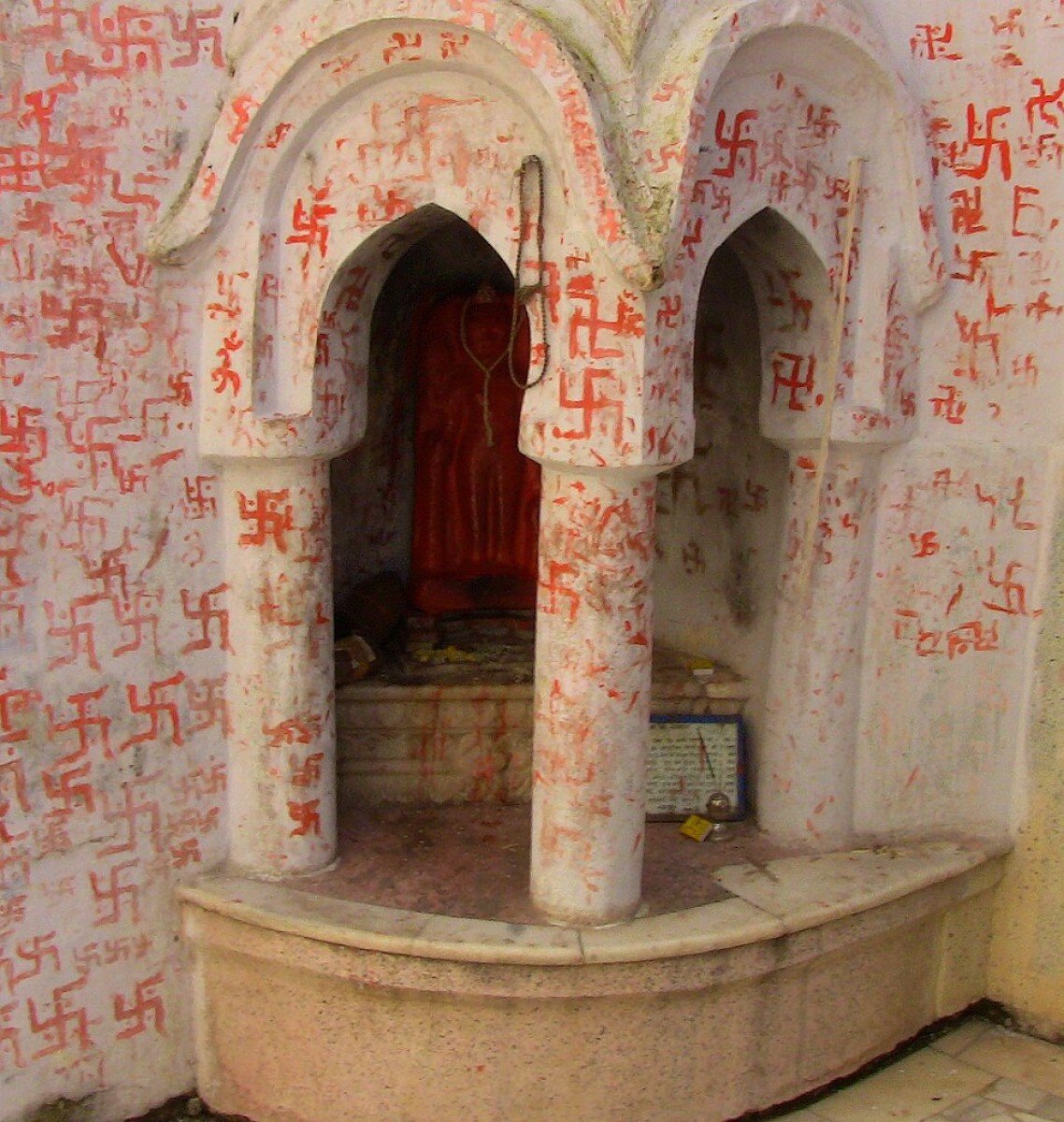
Kalachuri Art Details:: Dedicate time to macro and close-up photography of the intricate carvings, ancient statues, and architectural details on the main temple's exterior walls and the subsidiary shrine entrances, highlighting the fine artistry of the Kalachuri Period.
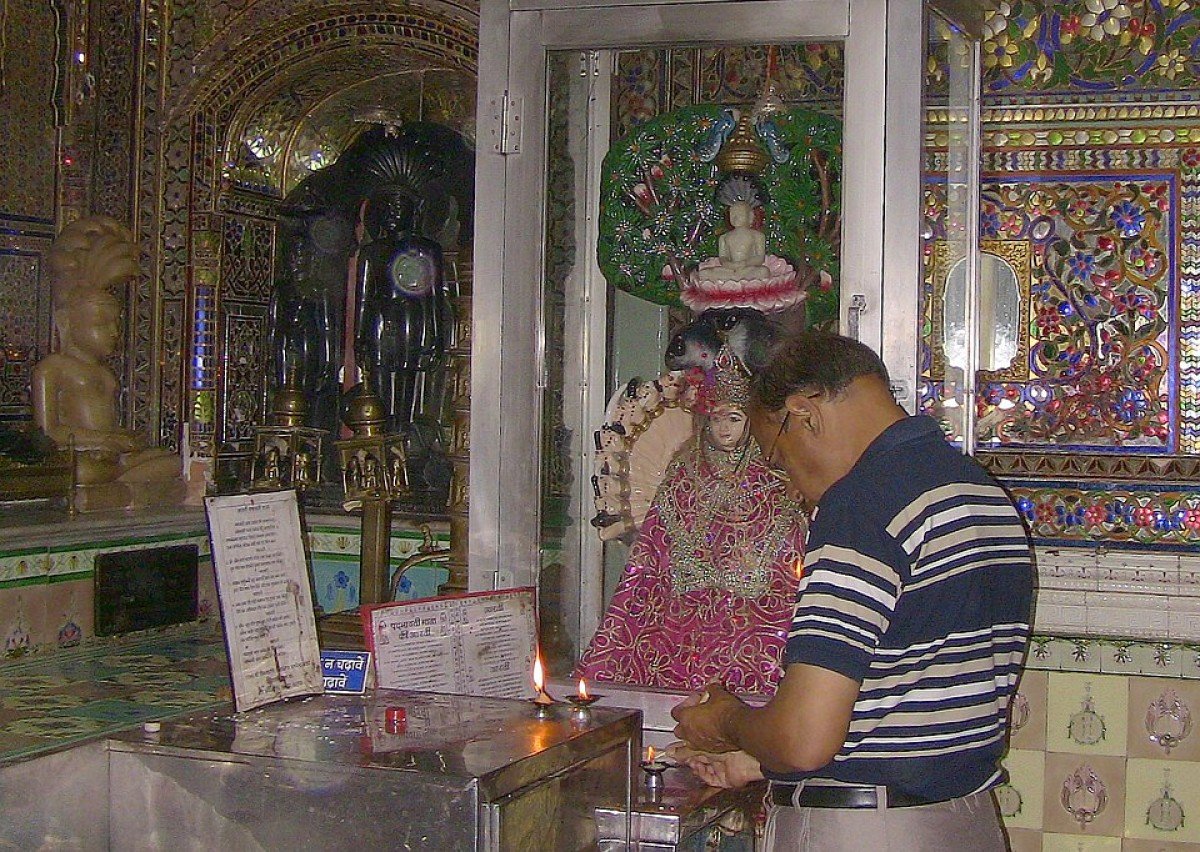
The Temple Courtyard Atmosphere:: Capture the peaceful, devotional atmosphere within the main temple complex courtyard, focusing on the devotees performing rituals, the intricate flooring, and the various shrines of the Chubisi temple.
The Grand Mahavir Jayanti Procession:: If visiting during Mahavir Jayanti, the best photo spot is capturing the vibrant, colorful Rath Yatra (chariot procession) as it moves through the streets or arrives at the temple, documenting the cultural and religious energy of the community event.
Photo Gallery


Things To Do
-
Offer Worship and Darshan:: The primary activity is to offer darshan (sacred viewing) and perform prayers at the main shrines dedicated to the Tirthankaras, following the traditional Jain rituals and practices, ensuring a respectful dress code.
Explore the Chubisi Temple Complex:: Take a dedicated tour to explore the entire complex, ensuring you visit all 22 of the subsidiary shrines (Chubisi temple), each housing a different image, to fully appreciate the breadth of the temple's religious and architectural significance.
Art and History Appreciation:: Dedicate time to closely examine the invaluable ancient images and sculptures, especially those from the Kalachuri Period, observing the intricate carvings and iconography, treating the temple as an active museum of Jain art and history.Offer Worship and Darshan:: The primary activity is to offer darshan (sacred viewing) and perform prayers at the main shrines dedicated to the Tirthankaras, following the traditional Jain rituals and practices, ensuring a respectful dress code.
Explore the Chubisi Temple Complex:: Take a dedicated tour to explore the entire complex, ensuring you visit all 22 of the subsidiary shrines (Chubisi temple), each housing a different image, to fully appreciate the breadth of the temple's religious and architectural significance.
Art and History Appreciation:: Dedicate time to closely examine the invaluable ancient images and sculptures, especially those from the Kalachuri Period, observing the intricate carvings and iconography, treating the temple as an active museum of Jain art and history.
Walk the Hanuman Tal Perimeter:: Take a reflective walk around the periphery of the Hanuman Tal lake, which surrounds the temple. This offers a beautiful, peaceful view of the temple complex rising from the water, particularly during the calm hours.
Utilize the Dharamshala for Rest:: If a pilgrim or visitor requires a break, the large, peaceful Dharamshala on the premises offers a quiet place for rest and reflection, which is part of the temple's service to the community.
Attend Jain Festivals:: Plan a visit to coincide with major Jain festivals like Paryushan or Mahavir Jayanti. Attending the grand religious processions and community events is a vibrant cultural and spiritual experience.
Photography of the Temple's Reflection:: Capture the stunning architectural reflection of the temple complex in the still waters of the Hanuman Tal lake, especially during the early morning or late afternoon light, creating a serene and symmetrical photograph.
Learn about Jain Principles:: Engage with the temple's priests, community members, or explanatory plaques to learn about the core tenets, history, and practice of Jainism, enriching the spiritual understanding of the visit.
Information
-
Why Famous:
Historical 17th-Century Heritage:: The Hanumantal Jain Mandir is highly famous for its significant age, with its original construction dating back to 1686, making it one of the oldest and most historically important Jain temples in the region, a true testament to the continu...Historical 17th-Century Heritage:: The Hanumantal Jain Mandir is highly famous for its significant age, with its original construction dating back to 1686, making it one of the oldest and most historically important Jain temples in the region, a true testament to the continuity of the Jain faith in Jabalpur.
Repository of Kalachuri Art:: Its fame is amplified by the fact that the temple houses priceless ancient images and sculptures, some belonging to the Kalachuri Period (a local dynasty from the 10th-12th Century), making it a crucial site for art historians and archaeologists interested in regional medieval art and religious iconography.
Unique Water-Surrounded Setting:: The temple's picturesque location on an island or peninsula within the large, man-made Hanuman Tal lake gives it a distinct visual appeal and a serene, water-surrounded ambiance, enhancing its spiritual and architectural fame. The lake itself is a landmark.
Central Hub for Jain Pilgrimage:: As a prominent Digambar Jain temple complex, featuring a large number of shrines (Chubisi temple) and a Dharamshala, it serves as a central and vital pilgrimage hub for the Jain community, especially during major festivals like Paryushan and Mahavir Jayanti.
-
Architecture:
Fortress-like Temple Design:: The Hanumantal Jain Mandir is structurally quite unique; it is a large complex built on an island or peninsula within the Hanuman Tal lake and is often described as fortress-like, due to its protective walls and imposing presence rising from th...Fortress-like Temple Design:: The Hanumantal Jain Mandir is structurally quite unique; it is a large complex built on an island or peninsula within the Hanuman Tal lake and is often described as fortress-like, due to its protective walls and imposing presence rising from the water. Its original 17th-century foundation and 19th-century renovations blend historical and later architectural styles.
Temple Spire and Shikhara:: The main temple features multiple prominent spires (Shikharas) that dominate the skyline, showcasing the intricate and ornate stone carving typical of Jain and North Indian temple architecture. The carvings often depict figures of Tirthankaras and scenes from Jain mythology.
Chubisi Temple Complex:: The temple is a complex of 22 shrines (known as the Chubisi temple, possibly referring to the 22nd Tirthankara or a collection of shrines), each housing an image of a Tirthankara. This design creates a comprehensive, multi-layered spiritual space.
Dharamshala and Tank Integration:: A large Dharamshala (pilgrim rest house) is architecturally integrated into the complex, providing essential facilities. The temple's location on the banks of the large Hanuman Tal lake gives it a distinct water-surrounded dimension, a beautiful setting unique for a large temple.
-
How To Reach:
By Air:: The nearest airport is Jabalpur Airport (Dumna, JLR), approximately 20-25 KMS away. From the airport, a pre-paid taxi or app-based cab is the best choice for the journey into the old city area where the temple is located. The trip will take about 45 minutes to an ...By Air:: The nearest airport is Jabalpur Airport (Dumna, JLR), approximately 20-25 KMS away. From the airport, a pre-paid taxi or app-based cab is the best choice for the journey into the old city area where the temple is located. The trip will take about 45 minutes to an hour.
By Train:: The nearest major railway station is Jabalpur Junction (JBP), which is only about 2 KMS away. From the station, the Hanumantal Jain Mandir is an extremely short and convenient auto-rickshaw ride of less than 10 minutes. It is a major, well-known landmark for all local drivers.
By Road:: The temple is situated in the old city area on Hanumantal Road, making it easily accessible by road. Visitors can drive their private vehicles or hire a taxi/auto-rickshaw from any part of Jabalpur City. Navigating the narrow, busy lanes of the old city area can be challenging for large vehicles, so a small auto-rickshaw is often preferred.
By Local Transport:: The Hanumantal Jain Mandir is highly accessible by all forms of local transport due to its central location. Auto-rickshaws, shared auto-rickshaws, and cycle rickshaws are constantly available from all parts of the city. Being only 2 KMS from the city center, it is a very quick and inexpensive local journey.
-
Weather and Best Time to Visit:
Different Types of Seasons:: The Best Time to Visit the Hanumantal Jain Mandir is during the Winter months, from October to March. The cool and dry climate makes walking the complex and the perimeter of the Hanuman Tal lake extremely pleasant. The Monsoon season is also a ...Different Types of Seasons:: The Best Time to Visit the Hanumantal Jain Mandir is during the Winter months, from October to March. The cool and dry climate makes walking the complex and the perimeter of the Hanuman Tal lake extremely pleasant. The Monsoon season is also a visually appealing time due to the full lake and the lush greenery.
Different Parts of the Day:: The Ideal Time of Day is the Early Morning (7:00 AM - 10:00 AM). This offers a highly peaceful, quiet, and serene atmosphere for focused darshan, meditation, and detailed appreciation of the historical architecture without the later-day crowds.
Photo Lighting:: Late afternoon (4:30 PM - 6:00 PM) is also a good window, as the soft light enhances the temple's carvings and provides the best conditions for capturing its stunning reflection in the lake.
Festival Period Peak:: A visit during the Paryushan Mahaparva (usually August/September) or Mahavir Jayanti provides a unique, high-energy cultural and spiritual experience, although the crowds will be at their peak.
-
Near Tourist Places:
Near Tourist Places: Hanuman Tal Lake (0 KMS); Pisanhari Ki Madiya (10 KMS); Rani Durgavati Museum (2 KMS); Jabalpur Junction Railway Station (2 KMS); Ghanta Ghar (Clock Tower) (1. 5 KMS); Bhawartal Garden (3 KMS); Dashmesh Dwar (4 KMS); Madan Mahal Fort (6 KMS); Balancing Rock Formation (6 KMS); Gwarighat (7 KMS).
Tourism Tips
-
Health & Safety:: Be respectful of the temple's rules, especially regarding dress code (modest attire is expected) and photography (which may be restricted inside the inner sanctums). The old city lanes can be congested, so be cautious of traffic outside the complex.Health & Safety:: Be respectful of the temple's rules, especially regarding dress code (modest attire is expected) and photography (which may be restricted inside the inner sanctums). The old city lanes can be congested, so be cautious of traffic outside the complex.
Packing Essentials:: Essential items include a camera (for exterior and reflection shots), comfortable walking shoes, and a small amount of money for offerings or donations. Visitors should be prepared to remove their shoes before entering the temple complex.
Accommodation:: The temple complex has a large Dharamshala that provides basic, charitable accommodation for pilgrims. Alternatively, numerous excellent hotel options are available in the modern, central parts of Jabalpur City (2 KMS away), such as Civil Lines and Napier Town.
Other Different Topics Heading:
Silence and Meditation:: Utilize the temple's serene environment for quiet contemplation, as the area is designed to foster inner peace.
Festival Planning:: If you want to experience the vibrant festival atmosphere, plan the visit to coincide with Paryushan or Mahavir Jayanti.
Accessing Artifacts:: Ask a temple official or local guide about the location and history of the ancient Kalachuri artifacts to enrich your visit.
Lake Caution:: While beautiful, be cautious around the edges of the Hanuman Tal lake.
Reviews
FAQs
Jabalpur Itineray And Cost:-
Hanumantal Jain Mandir Tourism:-
Other Places In Jabalpur :-
Other States In India :-
Information about New and Updated Locations() of Madhya Pradesh Has Been Added :-
Card subtitle
Note:-
Information provided here in good Faith and for reference only.
Near Places

Bagdari Water Fall
Some quick example text to build on the card title and make up the bulk of the card's content.
Go somewhere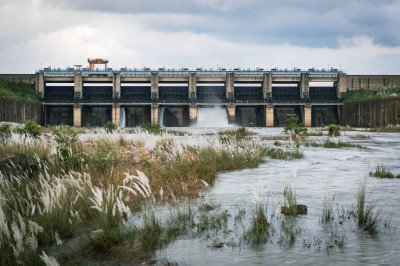
Bargi Dam
Some quick example text to build on the card title and make up the bulk of the card's content.
Go somewhere
Bargi Scenic Beauty
Some quick example text to build on the card title and make up the bulk of the card's content.
Go somewhere
Bheema Kund
Some quick example text to build on the card title and make up the bulk of the card's content.
Go somewhere
Jalpari Lake
Some quick example text to build on the card title and make up the bulk of the card's content.
Go somewhere
Kali Math
Some quick example text to build on the card title and make up the bulk of the card's content.
Go somewhere
Lamheta Ghat
Some quick example text to build on the card title and make up the bulk of the card's content.
Go somewhere
Sangram Sagar Lake
Some quick example text to build on the card title and make up the bulk of the card's content.
Go somewherein Other Cities