

Gupt Godavari
General information
-
Ideal Duration:
1. 5-2 HoursPlace Type:
Religious, Natural/Cave, GeologicalEntry Fees:
Nominal Entry Fee Structure:
A: small entry fee, often less than INR 50 per person, is charged for access to the cave complex. This mandatory fee is essential for the upkeep of the premises, provision of ligh...Nominal Entry Fee Structure:
A: small entry fee, often less than INR 50 per person, is charged for access to the cave complex. This mandatory fee is essential for the upkeep of the premises, provision of lighting inside the dark caves, maintenance of the walkways, and the security of the site, and must be paid at the main ticket counter near the entrance.
Camera and Mobile Fees:
While: the entry fee covers personal photography with a mobile phone, there may be a nominal, separate camera fee (around INR 25-50) for carrying a professional DSLR or video camera inside the cave premises. This fee is used to manage the potential for commercial or intrusive photography within the sacred site.
Parking Charges and Rates:
A: separate, nominal fee is typically charged for the parking of vehicles (cars, two-wheelers, buses) in the designated parking lot near the entrance. This revenue is used to manage the traffic flow and safety within the parking area, and the rates vary by vehicle type.Timing:
Regular Timings: Gupt Godavari is typically open for visitors from 7:00 AM to 7:00 PM every day. Adhering to these timings is crucial as the path through the water-filled cave requires adequate lighting, and entry/exit is managed by the local administration to ensure safety...Regular Timings: Gupt Godavari is typically open for visitors from 7:00 AM to 7:00 PM every day. Adhering to these timings is crucial as the path through the water-filled cave requires adequate lighting, and entry/exit is managed by the local administration to ensure safety.
Ideal Visit Time:
The: best time to visit is early in the morning, around 7:30 AM to 9:00 AM, to avoid the rush of pilgrims and tourists that intensifies towards the late morning and midday. The morning visit also allows one to experience the cool, refreshing temperature of the caves before the ambient heat of the day fully sets in.
Closure During Heavy Rain:
Access: to the second, water-filled cave may be temporarily restricted or completely closed during periods of very heavy rainfall (especially in the Monsoon season) due to a potential rise in the water level, posing a safety risk. Visitors should check local conditions during the rainy months.Special Events:
Makar Sankranti Bath:
On: the auspicious day of Makar Sankranti (usually January 14th), there is a special congregation of pilgrims who believe that a ritual bath in the cold, sacred water of the 'hidden' Godavari on this day is especially me...Makar Sankranti Bath:
On: the auspicious day of Makar Sankranti (usually January 14th), there is a special congregation of pilgrims who believe that a ritual bath in the cold, sacred water of the 'hidden' Godavari on this day is especially meritorious. This leads to a massive gathering and special religious ceremonies, creating a vibrant, spiritual atmosphere.
Ram Navami Congregation:
Given: the strong connection to Lord Rama, Ram Navami (usually March or April) sees a massive influx of pilgrims. Special chants, devotional songs (bhajans), and religious discourses are organized near the cave complex, turning the area into a lively center of devotion and festivity.Best Photo Spots:
Cave Entrance and Trinity Sculpture:
The: most accessible and traditional photo spot is the cave entrance, where the finely carved sculpture of Brahma, Vishnu, and Shiva is loc...Cave Entrance and Trinity Sculpture:
The: most accessible and traditional photo spot is the cave entrance, where the finely carved sculpture of Brahma, Vishnu, and Shiva is located. This spot is ideal for capturing a vibrant picture that combines human artistry with the natural rock backdrop and serves as a symbolic 'start' of the journey.
The Throne Chamber:
The: main, large cave with the two natural rock-cut thrones provides a uniquely ancient, quiet, and dramatically lit setting for contemplative photos. Capturing the vastness of the chamber and the natural 'thrones' is perfect for wide shots that convey the mythological grandeur of the site.
The Water Stream Exit Point:
The: spot where the water of the 'hidden' Godavari exits the second cave offers a fascinating photo opportunity. Capturing the crystal-clear water flowing over the smooth rocks, perhaps with a slight long exposure, emphasizes the mystical nature of the subterranean river and the refreshing coolness of the stream.Photo Gallery
Things To Do
-
Wading Through the Sacred Stream:
The: most unique and memorable activity is the adventurous walk through the dark, water-filled second cave. Visitors wade through the knee-deep, cold, clear water of the 'hidden' Godavari stream, a physical and spiritual act. This experience is both refreshing and deeply symbolic of a purifying pilgrimage, requiring patience and a sense of adventure due to the low ceiling in parts.
Contemplation at the Royal Court:
Spending: quiet time in the larger cave, particularly near the rock-cut thrones, is a key spiritual activity. Devotees pause here for prayer, meditation, and reflection on the presence of Lord Rama and Lakshmana, soaking in the cool, silent, and ancient atmosphere of the 'divine court' setting.
Read MoreWading Through the Sacred Stream:
The: most unique and memorable activity is the adventurous walk through the dark, water-filled second cave. Visitors wade through the knee-deep, cold, clear water of the 'hidden' Godavari stream, a physical and spiritual act. This experience is both refreshing and deeply symbolic of a purifying pilgrimage, requiring patience and a sense of adventure due to the low ceiling in parts.
Contemplation at the Royal Court:
Spending: quiet time in the larger cave, particularly near the rock-cut thrones, is a key spiritual activity. Devotees pause here for prayer, meditation, and reflection on the presence of Lord Rama and Lakshmana, soaking in the cool, silent, and ancient atmosphere of the 'divine court' setting.
Observing the Mayanka Rock Formation:
Visitors: actively look for and observe the large, protruding rock structure on the ceiling of the main cave, which is revered as the demon Mayanka (or Mayank), killed by Lakshmana and turned to stone. This activity connects the visitor directly to a specific, dramatic event in the local Ramayana lore, enriching the mythological understanding of the site.
Photography of Cave Interiors:
Capturing: the unique, naturally carved rock formations, the reflective surface of the water in the second cave (where permitted), and the dramatic play of light and shadow inside the dark chambers is an excellent activity for photography enthusiasts. The cave lighting enhances the mysterious and ancient look of the interior, providing dramatic photo opportunities.
Offering Prayers and Rituals:
Many: pilgrims perform small pujas or offer flowers and incense near the thrones or at the point where the water emerges, making a ritualistic offering to the holy river and the deities. This is a traditional act of devotion and a key part of the pilgrimage experience at this sacred site.
Viewing the Cave Entrance Sculptures:
Carefully: observing the intricate modern sculpture at the entrance, depicting Brahma, Vishnu, and Shiva, is an activity that provides a starting point for the spiritual journey, symbolizing the Hindu Trinity guarding the sacred underground river.
Information
-
Why Famous:
Mythological Connection to Lord Rama:
The: caves are primarily famous for the deeply held belief that Lord Rama and Lakshmana used the larger cave to hold their court and deliberate during their period of exil...Mythological Connection to Lord Rama:
The: caves are primarily famous for the deeply held belief that Lord Rama and Lakshmana used the larger cave to hold their court and deliberate during their period of exile in Chitrakoot. This direct link to the central figures of the Ramayana makes it a pivotal and highly sacred site for millions of Hindu pilgrims.
The Mysterious Subterranean River:
The: site is renowned for the 'Gupt' (hidden) stream of the Godavari River flowing through the second cave. The river's invisible source and its mysterious disappearance into the mountain make it a natural and religious enigma, attracting curiosity-seekers and devotees who consider bathing in its cold, clear water highly auspicious. -
Architecture:
Natural Cave Formation:
The: architecture is entirely natural, formed by the dissolution and erosion of the soluble limestone rock over thousands of years (Karst topography). ...Natural Cave Formation:
The: architecture is entirely natural, formed by the dissolution and erosion of the soluble limestone rock over thousands of years (Karst topography). The site features two primary limestone caves connected to a hidden perennial water source. The larger cave has naturally sculpted rock formations resembling two thrones, believed to be those of Lord Rama and Lakshmana, showcasing natural rock-cut artistry.
Cave Dimensions and Features:
The: main cave is large, spacious, and relatively dry, offering a chamber-like atmosphere, while the second cave is narrow, low-ceilinged, and long (estimated to be over 100 meters in length), requiring a crouched walk through the water. The height of the second cave ceiling is often only 3-4 feet in places. The depth of the water is consistently knee-high (around 1-1. 5 feet) for most of the walking path, sustained by the underground stream.
Simple Devotional Structures:
The: site has minimal, non-intrusive human architecture, mainly consisting of simple protective railings, basic lighting, and an entrance structure featuring sculptures of Brahma, Vishnu, and Shiva, which is the only structural addition, respecting the natural sanctity of the ancient caves. -
How To Reach:
By Air:
The: nearest major airport is Prayagraj Airport (IXD) in Prayagraj/Allahabad, Uttar Pradesh (approx. 125 KMS away). From the airport, hire a pre-booked taxi or use public transport to reach Chitrakoo...By Air:
The: nearest major airport is Prayagraj Airport (IXD) in Prayagraj/Allahabad, Uttar Pradesh (approx. 125 KMS away). From the airport, hire a pre-booked taxi or use public transport to reach Chitrakoot Dham (Karwi), and then take local transport for the final 18 KMS to Gupt Godavari.
By Train:
The: nearest railway station is Chitrakoot Dham Karwi Railway Station (CKTD) (approx. 18 KMS). This station is well-connected to key cities. From the station, shared auto-rickshaws (Tempo or Tata-Magic) or private taxis are the most convenient and readily available local transport options for the short journey to the caves.
By Road: Gupt Godavari is located approximately 18 KMS from the main area of Chitrakoot (Ram Ghat/Karwi). It is well-connected by a motorable road (a mix of National Highway and State Road). State-run buses and private taxis ply regularly on this route. The short distance makes it easily accessible via private vehicle or a hired taxi from any part of Chitrakoot.
By Local Transport:
Shared: auto-rickshaws (Tempos) are the most popular and cost-effective local mode of transport to Gupt Godavari from Ram Ghat or the Karwi Railway Station. Private taxis can also be hired for a more comfortable, direct, and time-saving round trip, which is advisable for families or groups. -
Weather and Best Time to Visit:
Winter (October to March):
Peak Season:
This: is the most pleasant and recommended season for a visit. The temperatures are mild (10°C to 25°C), making the outdoor wait and the cave exploration comfortable....Winter (October to March):
Peak Season:
This: is the most pleasant and recommended season for a visit. The temperatures are mild (10°C to 25°C), making the outdoor wait and the cave exploration comfortable. The cooler weather enhances the refreshing contrast with the cold cave water, perfect for a full, relaxed visit.
Monsoon (July to September):
Cave Water Level:
The: monsoon season brings lush greenery, but it also causes the water level inside the cave to rise. While this can make the wading a more adventurous experience, there is a risk of temporary closure if the water gets too high, so travelers must inquire locally before planning a visit during peak rains.
Summer (April to June):
Natural Air-Conditioning:
Despite: the hot outdoor temperatures (up to 45°C), the cave offers a cool and welcome retreat due to its constant, lower temperature, acting as a natural air-conditioner. This makes it a popular place to visit during the hottest hours of the day for a refreshing break from the heat.
Different Parts of the Day:
Late Afternoon (4 PM - 6 PM)
The: cave is typically less crowded in the late afternoon, allowing for a more peaceful and contemplative walk through the water, perfect for those seeking a tranquil and less rushed spiritual experience. -
Near Tourist Places:
Hanuman Dhara:
(13 KMS):
A: temple on a hill with a perennial stream of water.
Ram Ghat:
(18 KMS):
The: main ghat for evening Aarti on the Mandakini River.
Janki Kund:
(20 KMS):
A: serene bathing spot believed to be used by Sita Mata.
Sphatik Shila:
(21 KMS):
A: rock believed to contain the footprints of Rama and Sita.
Kamadgiri Hill:
(19 KMS):
A: revered hill for the sacred Parikrama path.
Bharat Koop:
(3 KMS):
A: well believed to hold water from all holy rivers.
Bharat Milap Temple:
(20 KMS):
Marks: the meeting of Rama and Bharat during exile.
Sati Anusuya Ashram:
(30 KMS):
A: peaceful ashram surrounded by hills.
Ram Darshan:
(15 KMS):
A: museum showcasing the life of Lord Rama.
Ganesh Bagh:
(10 KMS):
An: elaborate Mughal-style garden and temple complex.
Tourism Tips
-
Health & Safety:
Wear: waterproof, non-slip footwear for wading through the water-filled cave. The floor of the second cave can be slippery and uneven. It is essential to carry a small towel for drying your feet afterward. Due to the low c...Health & Safety:
Wear: waterproof, non-slip footwear for wading through the water-filled cave. The floor of the second cave can be slippery and uneven. It is essential to carry a small towel for drying your feet afterward. Due to the low ceiling in parts of the second cave, one must walk carefully to avoid bumping one's head, especially in the dark sections.
Packing:
Carry: minimal belongings, as you will have to wade through water. Valuables should be secured in a waterproof pouch. A small flashlight (or a mobile phone light) can be helpful, although basic lighting is provided. Wear simple, comfortable clothes that can get wet up to the knees, such as shorts or quick-drying fabric.
Accommodation:
Plenty: of accommodation options, from budget-friendly Dharamshalas (religious rest houses) to mid-range hotels, are available in the main Chitrakoot town area (Ram Ghat/Karwi), about 18 KMS away, making it the best base for the trip. Book in advance during festival times.
Other Topics (Respectful Conduct):
The: site is deeply sacred. Maintain silence and reverence inside the caves. Do not touch or climb on the natural throne formations or the Mayanka rock. Respect the religious sentiments of other pilgrims and dispose of any waste only in designated bins to keep the sacred cave environment clean.
Reviews
FAQs
Chitrakoot Itineray And Cost:-
Other Places In Chitrakoot :-
Other States In India :-
Information about New and Updated Locations() of Uttar Pradesh Has Been Added :-
Card subtitle
Note:-
Information provided here in good Faith and for reference only.
Near Places

Balmiki Ashram
Some quick example text to build on the card title and make up the bulk of the card's content.
Go somewhere
Barampur Village Pond
Some quick example text to build on the card title and make up the bulk of the card's content.
Go somewhere
Bharat Koop
Some quick example text to build on the card title and make up the bulk of the card's content.
Go somewhere
Bharat Milap Mandir
Some quick example text to build on the card title and make up the bulk of the card's content.
Go somewhere
Bharat Milap Temple
Some quick example text to build on the card title and make up the bulk of the card's content.
Go somewhere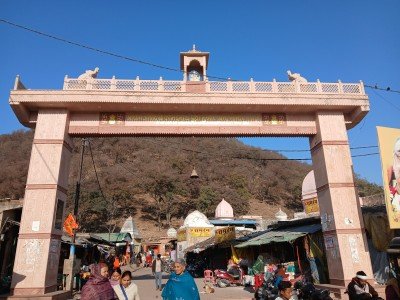
Chaturmukhi Shiv Temple
Some quick example text to build on the card title and make up the bulk of the card's content.
Go somewhere
Chitrakoot Dham
Some quick example text to build on the card title and make up the bulk of the card's content.
Go somewhere
Dharkundi
Some quick example text to build on the card title and make up the bulk of the card's content.
Go somewhere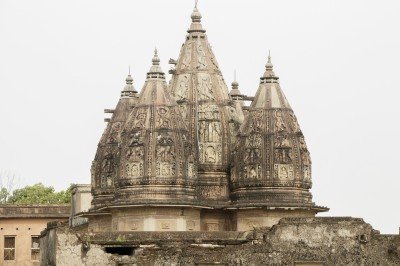
Ganesh Bagh
Some quick example text to build on the card title and make up the bulk of the card's content.
Go somewhere
Glass Bridge Chitrakoot
Some quick example text to build on the card title and make up the bulk of the card's content.
Go somewhere
Glass Bridge Chitrakoot / Skywalk
Some quick example text to build on the card title and make up the bulk of the card's content.
Go somewhere
Gol Talab
Some quick example text to build on the card title and make up the bulk of the card's content.
Go somewhere
Gupt Godavari Caves
Some quick example text to build on the card title and make up the bulk of the card's content.
Go somewhere
Gupt Godavari
Some quick example text to build on the card title and make up the bulk of the card's content.
Go somewhere
Hanuman Dhara
Some quick example text to build on the card title and make up the bulk of the card's content.
Go somewhere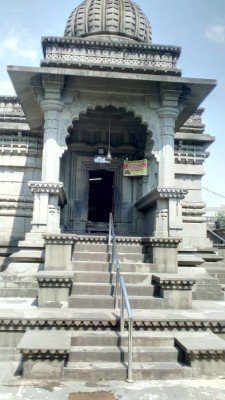
Kala Ram Mandir
Some quick example text to build on the card title and make up the bulk of the card's content.
Go somewherein Other Cities