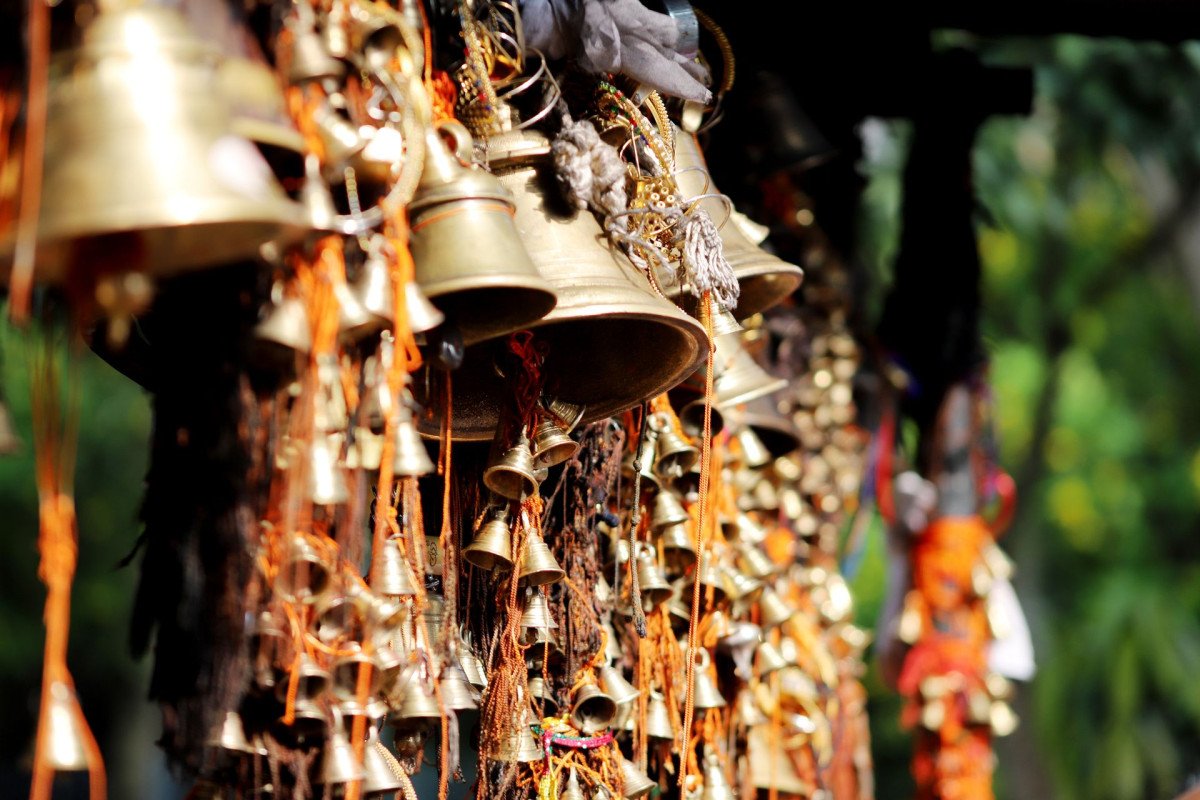
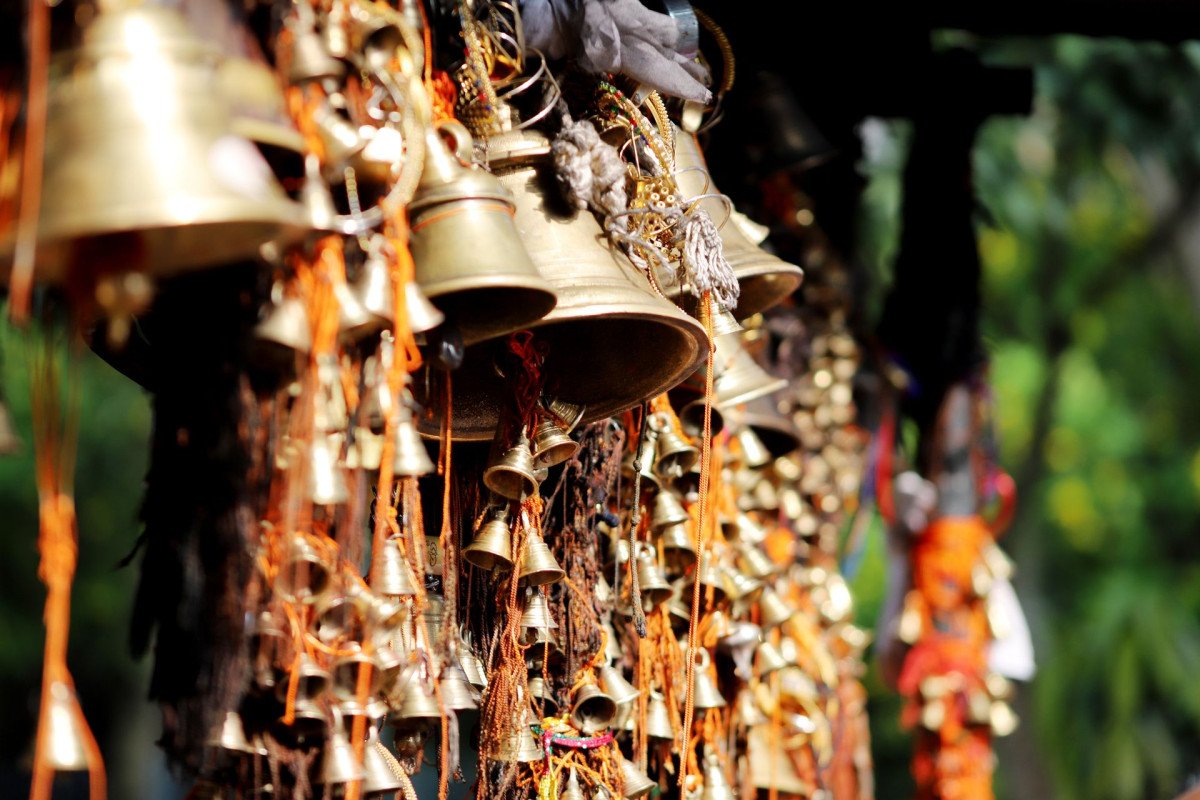
Jayasree Govindamma Temple
General information
-
Ideal Duration:
1.
5 - 2 Hours:Place Type:
Religious/Pilgrimage Site, Local Cultural HubEntry Fees:
Devotional Contribution: While there is generally No Mandatory Entry Fee for the temple itself, a small contribution towards the temple maintenance or the purchase of a Puja Thali (offering plate of flowers, fruits, and incense) is expected and highly encouraged. These offe...Devotional Contribution: While there is generally No Mandatory Entry Fee for the temple itself, a small contribution towards the temple maintenance or the purchase of a Puja Thali (offering plate of flowers, fruits, and incense) is expected and highly encouraged. These offerings are available for a nominal sum, typically ranging from Rs.10 to Rs.50 or more, depending on the items.
Donation for Annadanam: Visitors may contribute a voluntary donation towards the temple's charitable activities, especially the community feeding program (Annadanam), which can range from Rs.100 to Rs.500 and is entirely optional but a great way to support the institution. The focus is on seva (service) and bhakti (devotion) over commercialization.Timing:
Regular Timings: The temple generally opens its doors for devotees around 6:00 AM and remains open until 12:00 PM, closing for the afternoon, and then reopens from 4:30 PM to 8:00 PM daily. The inner sanctum's closing time can vary based on the completion of the daily ritua...Regular Timings: The temple generally opens its doors for devotees around 6:00 AM and remains open until 12:00 PM, closing for the afternoon, and then reopens from 4:30 PM to 8:00 PM daily. The inner sanctum's closing time can vary based on the completion of the daily rituals by the priests.
Ideal Visit Time: The early morning (6:00 AM to 8:00 AM) is the most ideal time to visit, as the air is cool, the temple is quiet, and the main morning Aarti is performed, offering the best spiritual and photographic experience. The late afternoon (4:30 PM to 6:00 PM) is also pleasant for a calm visit. Avoid the mid-day hours due to heat.Special Events:
Annual Govindamma Jatara: This is the most significant special event, usually a multi-day fair and festival celebrated once a year, potentially coinciding with a harvest season or a specific lunar calendar date (e. g. , in February or March). The Jatara involves a grand pro...Annual Govindamma Jatara: This is the most significant special event, usually a multi-day fair and festival celebrated once a year, potentially coinciding with a harvest season or a specific lunar calendar date (e. g. , in February or March). The Jatara involves a grand procession of the deity, traditional music and dance performances, and a large gathering of devotees from surrounding villages. The sheer scale of the local participation during the Jatara is what makes it a noteworthy event, far exceeding the daily routine.
Navaratri Celebrations: During Dasara/Navaratri, the temple observes nine nights of special pujas, adornments, and Aaratis, which draw a consistent, yet manageable, crowd of families and devotees.Best Photo Spots:
The Weathered Stone Steps: Focus on the moss-covered, ancient stone steps leading up to the main temple complex, providing a classic, timeless feel to the photography. Use a low angle to emphasize the age and scale of the entrance.
The Idol’s...The Weathered Stone Steps: Focus on the moss-covered, ancient stone steps leading up to the main temple complex, providing a classic, timeless feel to the photography. Use a low angle to emphasize the age and scale of the entrance.
The Idol’s Adornment: The main idol of Jayasree Govindamma is spectacularly adorned with fresh flowers, gold ornaments, and silk during the early morning Aarti. A respectful photograph of this adornment, or the ceremonial lamps lit during the ritual, can be highly impactful (seek permission first).
Candid Shots of Devotees: The most atmospheric photographs are of the devotees in quiet prayer, tying threads to the sacred tree, or performing their rituals. Capturing the genuine emotion and deep faith creates powerful, human-interest photographs. The vibrant colors of traditional saris against the rustic stone background provide excellent contrast.Photo Gallery
Things To Do
-
Participate in the Daily Puja: Witness the Morning and Evening Aarti and experience the core devotional practice of the temple. Stand quietly in the Mukha Mandapam to observe the elaborate rituals and listen to the traditional Sanskrit and Telugu chants. Offer a Traditional Prayer with flowers and fruits.
Seek Local Blessings and Guidance: Engage respectfully with the temple priests (Pujaris) or elderly female devotees. They can share fascinating local legends about Jayasree Govindamma and the temple's history that are not documented anywhere else. This interaction provides a deep cultural exchange.
Cultural Immersion through Festivals: Plan your visit to coincide with a local festival like Ugadi (Telugu New Year) or Dasara/Navaratri, or the local annual Jatara (fair). These events are marke...Participate in the Daily Puja: Witness the Morning and Evening Aarti and experience the core devotional practice of the temple. Stand quietly in the Mukha Mandapam to observe the elaborate rituals and listen to the traditional Sanskrit and Telugu chants. Offer a Traditional Prayer with flowers and fruits.
Seek Local Blessings and Guidance: Engage respectfully with the temple priests (Pujaris) or elderly female devotees. They can share fascinating local legends about Jayasree Govindamma and the temple's history that are not documented anywhere else. This interaction provides a deep cultural exchange.
Cultural Immersion through Festivals: Plan your visit to coincide with a local festival like Ugadi (Telugu New Year) or Dasara/Navaratri, or the local annual Jatara (fair). These events are marked by special processions, traditional music (Bhajans), and community feeding (Annadanam), offering a vibrant cultural spectacle for over of varied activity.
Walking Meditation and Reflection: Utilize the temple's quiet, spacious courtyard for a peaceful walking meditation. The simplicity and serenity of the environment make it an ideal place for spiritual reflection, completely detached from the stresses of daily life.
Explore the Surrounding Village Life: Take a short stroll around the immediate village area near the temple to observe traditional rural life, architecture, and agricultural practices. This peripheral exploration adds context to the temple's role in the community and provides numerous authentic, candid photo opportunities of daily routines.
Support Local Vendors: Buy flowers, coconuts, and other puja items from the small, local vendors near the temple entrance. This directly supports the local economy and is a necessary part of the pilgrimage tradition.
Attend a Community Meal: If a festival or special occasion is taking place, participating in the communal meal (Annadanam) is a humbling and deeply enriching cultural experience, a great way to bond with the local community.
Information
-
Why Famous:
Ancestral Devotion: Jayasree Govindamma Temple is famously known for its deep-rooted history and the fierce devotion of the local people of Wanaparthy, particularly being a matriarchal deity associated with fertility and protection, drawing pilgrims from a wide radius.
<...Ancestral Devotion: Jayasree Govindamma Temple is famously known for its deep-rooted history and the fierce devotion of the local people of Wanaparthy, particularly being a matriarchal deity associated with fertility and protection, drawing pilgrims from a wide radius.
Architectural Simplicity: It is a unique example of a sub-regional temple architecture that has resisted grand external influence, preserving the raw, simple, and functional structure typical of ancient Telangana shrines, acting as a historical marker for local stone craftsmanship and devotional art.
Festival Fervor: The temple is the epicenter for local festivals, especially during the Telugu month of Shravana or other harvest-related celebrations, transforming the quiet village surroundings into a vibrant hub of music, color, and community feasts, showcasing authentic local customs. The unwavering faith demonstrated by the devotees and the continuous performance of traditional rituals for centuries underscore its significance as a cultural touchstone. Its quiet location, away from the major city traffic, contributes to a peaceful environment conducive to deep meditation and worship, distinguishing it from busier, more commercialized temples. -
Architecture:
Temple Style and Materials: The architecture is predominantly of a vernacular South Indian Temple style, characterized by simplicity and utility, built using locally sourced materials like granite, sandstone, and lime mortar. The main shrine may feature a modest Gopuram (te...Temple Style and Materials: The architecture is predominantly of a vernacular South Indian Temple style, characterized by simplicity and utility, built using locally sourced materials like granite, sandstone, and lime mortar. The main shrine may feature a modest Gopuram (temple tower) over the entrance, which is usually smaller and less ornate compared to larger temples, focusing on functional aspects over grand sculptural decoration.
Dimension and Layout: The temple complex is generally small, comprising the main Garba Griha (sanctum sanctorum), a small Mukha Mandapam (front hall) for devotees, and an outer courtyard. The Garba Griha is rectangular or square, housing the central idol of Jayasree Govindamma. The overall footprint of the main structure is likely less than 1000 square feet. The focus is on the sacred space of the inner sanctum, which is typically dark and intimate, enhancing the spiritual experience. The construction utilizes thick walls for structural stability and cool interiors, a common feature in regional temple architecture adapted to the climate. -
How To Reach:
By Air: The nearest major airport is Rajiv Gandhi International Airport (HYD) in Hyderabad, approximately 160-180 KMS away. From the airport, one must hire a pre-paid taxi or take a bus to Wanaparthy, which takes about 3-4 hours.
By Train: ...By Air: The nearest major airport is Rajiv Gandhi International Airport (HYD) in Hyderabad, approximately 160-180 KMS away. From the airport, one must hire a pre-paid taxi or take a bus to Wanaparthy, which takes about 3-4 hours.
By Train: The closest railway station is Wanaparthy Road (WPR), which is well-connected on the Secunderabad-Kurnool line. The temple is then a short, approximately 12-15 KM drive from the station via local transport. A direct train journey from Hyderabad to Wanaparthy Road is highly convenient.
By Road: Wanaparthy is well-connected via NH 44 (the Hyderabad-Bangalore Highway). The temple is a short diversion from the main highway. State-run buses (TSRTC) run frequently from Hyderabad and major towns like Mahabubnagar to Wanaparthy bus station. From the main Wanaparthy bus station, local auto-rickshaws or shared taxis are readily available for the final leg of the journey to the temple.
By Local Transport: Within Wanaparthy town, the best way to reach the temple is by hiring a local auto-rickshaw (negotiate the fare beforehand) or a local shared cab. Since it is slightly outside the city center, a dedicated round trip should be planned. -
Weather and Best Time to Visit:
Different Types of Seasons: Winter (October to February) is the best time to visit, offering pleasant temperatures (15°C to 25°C) ideal for temple visits and outdoor activities. Monsoon (June to September) brings greenery to the surroundings but can also bring intermitten...Different Types of Seasons: Winter (October to February) is the best time to visit, offering pleasant temperatures (15°C to 25°C) ideal for temple visits and outdoor activities. Monsoon (June to September) brings greenery to the surroundings but can also bring intermittent heavy rains. Summer (March to May) is intensely hot (30°C to 45°C) and should be avoided, especially for mid-day visits.
Different Parts of the Day: Sunrise Hours (6:00 AM to 8:00 AM) are perfect for a spiritual and serene visit, witnessing the main ritual and enjoying the cool air. Late Afternoon (4:30 PM to 6:00 PM) is also a good option for a calm visit before the temple closes for the night. -
Near Tourist Places:
1.
Wanaparthy Palace (Mustafa Mahal) (12 KMS): Historic Royal Residence. 2.
Sri Venkateshwara Swami Temple (13 KMS): Major town temple. 3.
Saralasagar Project (35 KMS): Unique siphon dam site. 4.
Pangal Fort (30 KMS): Hill fort ruin. 5.
Koil Sagar Dam (70 KMS): Reservoir and picnic spot. 6.
Pillalamarri Banyan Tree (70 KMS): Historical 800-year-old tree. 7.
Srirangapur Temple (40 KMS): Ancient Ranganayaka Swamy Temple. 8.
Jurala Dam (100 KMS): Large dam on River Krishna. 9.
Koilkonda Fort (80 KMS): Fort and viewpoint. 10.
Alampur Jogulamba Temple (130 KMS): Famous Shakti Peetha.
Tourism Tips
-
Health & Safety: Carry a water bottle to stay hydrated, especially outside of winter. Dress modestly as a sign of respect for the religious site (cover shoulders and knees). Remove footwear before entering the temple complex. Be wary of stray dogs or monkeys in the quiet ...Health & Safety: Carry a water bottle to stay hydrated, especially outside of winter. Dress modestly as a sign of respect for the religious site (cover shoulders and knees). Remove footwear before entering the temple complex. Be wary of stray dogs or monkeys in the quiet surrounding areas.
Packing: Essential items include a hat or umbrella for sun protection, comfortable walking sandals that are easy to remove, and a small towel or scarf. Carry cash (in smaller denominations) for temple offerings, donations, and local transport/vendors, as card payment options are non-existent.
Accommodation: Lodging is best secured in the main Wanaparthy town, approximately 10-15 KMS away. Look for reliable budget hotels or guesthouses. Advance booking is advisable if visiting during major festivals like Jatara.
Cultural Etiquette: Always ask for permission before taking a photograph of any person or a specific ritual. Maintain silence and reverence inside the main shrine. Do not point your feet towards the idol.
Reviews
FAQs
Wanaparthy Itineray And Cost:-
Jayasree Govindamma Temple Tourism:-
Information about New and Updated Locations() of Telangana Has Been Added :-
Card subtitle
Note:-
Information provided here in good Faith and for reference only.
Near Places
Chandragad Fort
Some quick example text to build on the card title and make up the bulk of the card's content.
Go somewhere
Chatrapathi Shivaji Maharaj Circle
Some quick example text to build on the card title and make up the bulk of the card's content.
Go somewhere
Dr. B.R. Ambedkar Statue
Some quick example text to build on the card title and make up the bulk of the card's content.
Go somewhere
Enukunta Reservoir
Some quick example text to build on the card title and make up the bulk of the card's content.
Go somewhere
Ghanpur Fort
Some quick example text to build on the card title and make up the bulk of the card's content.
Go somewhere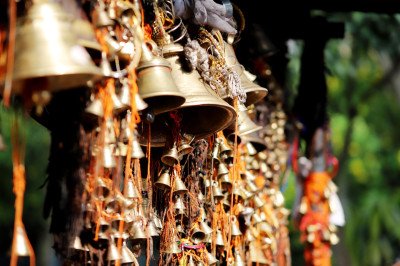
Jayasree Govindamma Temple
Some quick example text to build on the card title and make up the bulk of the card's content.
Go somewhere
Koilkonda Fort
Some quick example text to build on the card title and make up the bulk of the card's content.
Go somewhere
Koilsagar Dam
Some quick example text to build on the card title and make up the bulk of the card's content.
Go somewhere
Manne Vagu Bridge
Some quick example text to build on the card title and make up the bulk of the card's content.
Go somewhere
Pangal Fort
Some quick example text to build on the card title and make up the bulk of the card's content.
Go somewhere
Ramapuram Tank
Some quick example text to build on the card title and make up the bulk of the card's content.
Go somewhere
Rangapur Ghat Before Beechupally Bridge
Some quick example text to build on the card title and make up the bulk of the card's content.
Go somewhere
Saralasagar Project
Some quick example text to build on the card title and make up the bulk of the card's content.
Go somewhere
Singotam Fort
Some quick example text to build on the card title and make up the bulk of the card's content.
Go somewhere
Sri Lakshmi Narasimha Swamy Temple
Some quick example text to build on the card title and make up the bulk of the card's content.
Go somewhere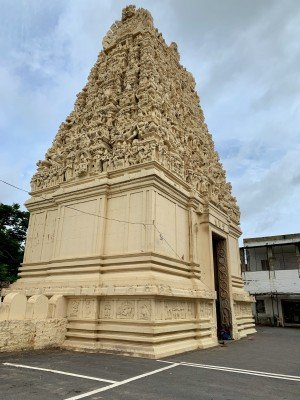
Sri Ranganayaka Swamy Temple
Some quick example text to build on the card title and make up the bulk of the card's content.
Go somewherein Other Cities