Saralasagar Project
General information
-
Ideal Duration:
2 - 3 Hours:Place Type:
Engineering Marvel, Water Body/Reservoir, Picnic SEntry Fees:
No Entry Fee for the Project: There is generally No Entry Fee to access the dam site and view the project. Visitors can freely walk along the designated public areas of the embankment.
Parking and Security Fees: You may incur a very small, ...No Entry Fee for the Project: There is generally No Entry Fee to access the dam site and view the project. Visitors can freely walk along the designated public areas of the embankment.
Parking and Security Fees: You may incur a very small, nominal fee (Rs.10 to Rs.30) for vehicle parking if the site has an organized lot managed by the local Panchayat or a small security donation. The area is generally accessible and open to the public without heavy commercialization.Timing:
Regular Timings: The site is effectively open 24 hours as it is an operational project, but for security reasons, the main embankment may have restricted access from 6:00 PM to 6:00 AM. The ideal public visiting hours are from 7:00 AM to 5:00 PM.
Read MoreRegular Timings: The site is effectively open 24 hours as it is an operational project, but for security reasons, the main embankment may have restricted access from 6:00 PM to 6:00 AM. The ideal public visiting hours are from 7:00 AM to 5:00 PM.
Ideal Visit Time: The best time to visit is during the late monsoon (September) and winter (October to February). The reservoir is full during this period, and the weather is cool and pleasant. The early morning (7:00 AM to 9:00 AM) or late afternoon (4:00 PM to 5:00 PM) are ideal for photography and avoiding the day's heat.Special Events:
Project Inauguration Anniversary: While not a public spectacle, the anniversary of the foundation stone laying (September 15) or the completion (1959) is sometimes observed by local engineering bodies or district officials.
Peak Monsoon Discharg...Project Inauguration Anniversary: While not a public spectacle, the anniversary of the foundation stone laying (September 15) or the completion (1959) is sometimes observed by local engineering bodies or district officials.
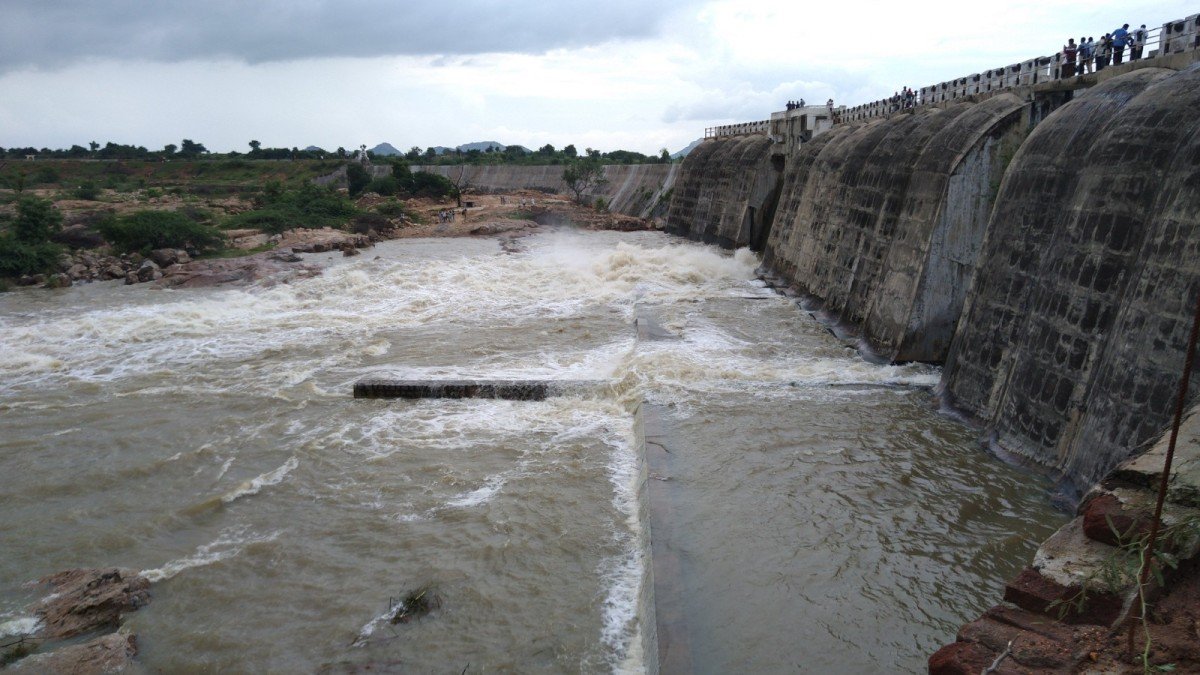
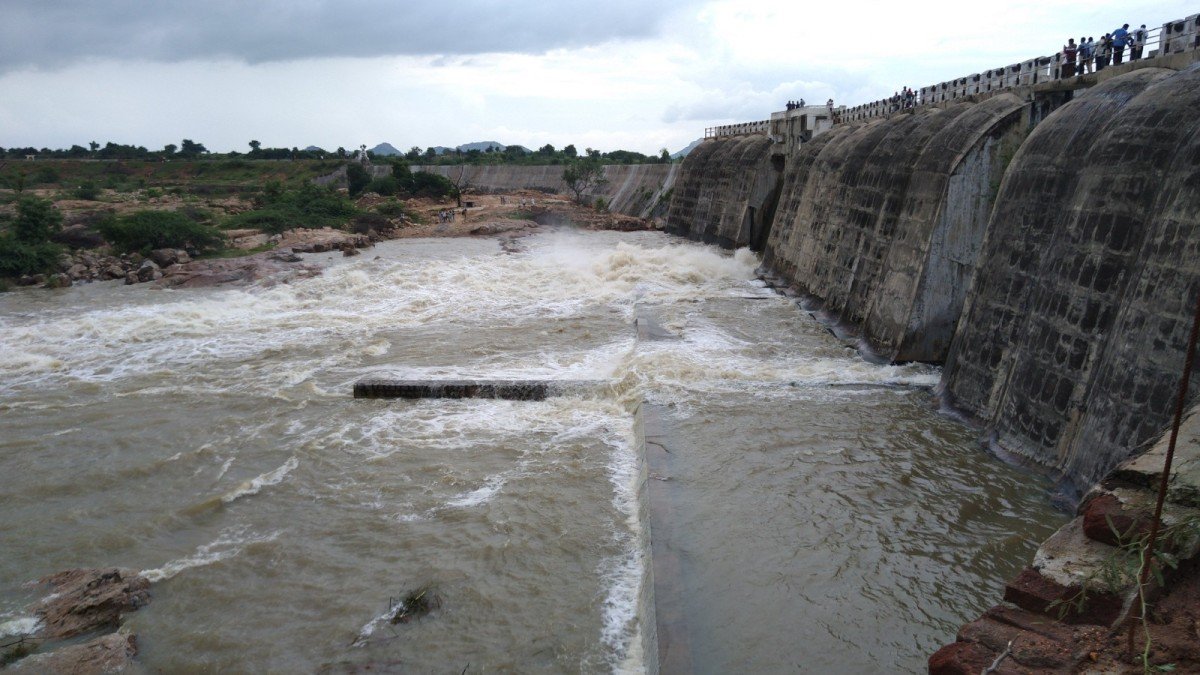
Peak Monsoon Discharge: The most natural and spectacular event is the full-scale activation of the siphon system during periods of heavy rainfall, typically in July or August, creating a massive, controlled waterfall effect that draws crowds of local sightseers and media. This is a rare, unplanned event dependent on water flow.Best Photo Spots:
The Siphon Arches: The semi-circular mouths of the siphon system provide a stunning, geometric photo opportunity, especially if framed against the blue reservoir water. This highlights the engineering aspect.
Sunrise/Sunset Water Reflections:The Siphon Arches: The semi-circular mouths of the siphon system provide a stunning, geometric photo opportunity, especially if framed against the blue reservoir water. This highlights the engineering aspect.
Sunrise/Sunset Water Reflections: Capture the vast reservoir at dawn or dusk. The colors of the sky reflecting on the calm water surface create a dramatic and colorful landscape shot.
Panoramic View from the Dam Top: The view from the top of the main embankment, looking across the huge water body to one side and the irrigation canals/farmland to the other, provides a balanced shot of nature and human effort.
Roadside Viewpoints: The small, elevated spots on the approach road (like the one near Shankarampeta) offer excellent high-angle views of the entire project site and the surrounding landscape.Photo Gallery
Things To Do
-
Study the Siphon Mechanism: Spend time at the dam viewing points and observe the unique architecture. If the water level is high enough to trigger the siphons (typically during the Monsoon peak), witnessing the automatic discharge is a rare and educational spectacle, a highlight for engineering enthusiasts.
Photography and Scenic Views: Capture the vast expanse of the reservoir, especially during sunrise or sunset, when the water reflects the sky, offering panoramic views of the water body and surrounding hills. The dam wall itself provides a dramatic backdrop for landscape photography, easily fulfilling over of varied activity potential.
Family Picnic and Relaxation: The tranquil setting and open space around the reservoir make it an ideal spot for a family picnic. Find a shaded area near th...Study the Siphon Mechanism: Spend time at the dam viewing points and observe the unique architecture. If the water level is high enough to trigger the siphons (typically during the Monsoon peak), witnessing the automatic discharge is a rare and educational spectacle, a highlight for engineering enthusiasts.
Photography and Scenic Views: Capture the vast expanse of the reservoir, especially during sunrise or sunset, when the water reflects the sky, offering panoramic views of the water body and surrounding hills. The dam wall itself provides a dramatic backdrop for landscape photography, easily fulfilling over of varied activity potential.
Family Picnic and Relaxation: The tranquil setting and open space around the reservoir make it an ideal spot for a family picnic. Find a shaded area near the embankment or the nearby parks (if available) for a relaxing day out, bringing your own food and refreshments.
Nature Walk and Lakeside Strolling: Take a long, peaceful walk along the safe sections of the dam's service road or the lake periphery to enjoy the fresh air and natural environment. This offers a chance to observe the local flora and fauna.
Short Trek to the Nearby Hills: Explore the small, minor hills or elevated ground near the dam for a short, informal trek. These spots offer elevated perspectives for photography and a more adventurous activity.
Local Food Exploration: Look for small local eateries or stalls on the road leading up to the project site. Trying authentic Telangana snacks and meals from these vendors is a delicious and cultural activity.
Historical Research: If you are a history buff, spend time trying to locate the old inscriptions or boundary markers left by the Wanaparthy Samsthanam rulers in the immediate vicinity of the project.
Information
-
Why Famous:
Asia's Second Largest Siphon Dam: Saralasagar Project is most famous for being a pioneering work of hydraulic engineering, specifically for being the second-largest dam in Asia to successfully employ the hood siphon system from the time of its completion, showcasing early po...Asia's Second Largest Siphon Dam: Saralasagar Project is most famous for being a pioneering work of hydraulic engineering, specifically for being the second-largest dam in Asia to successfully employ the hood siphon system from the time of its completion, showcasing early post-independence engineering ingenuity.
Visionary Ruler's Legacy: The project's genesis lies in the vision of Raja Rameshwara Rao, the former ruler of Wanaparthy, and the fact that he initiated such a technologically advanced project in 1947 underscores the progressive thinking of the Samsthanam. The dam is a visible legacy of his contribution to public welfare.
Irrigation Backbone: It is a critical piece of infrastructure, serving as the irrigation backbone for thousands of acres in Madanapur Mandal and surrounding areas, directly contributing to the agricultural prosperity of the Wanaparthy district. The tranquil lake created by the dam is a popular local excursion spot, contrasting the engineering wonder with natural beauty, making it famous as both a technical and a scenic destination. -
Architecture:
Siphon Spillway Mechanism: The core architectural distinction is the Siphon Spillway System, featuring multiple Priming Siphons (typically 4) and Hood Siphons (around 17). This system automatically discharges excess water when the reservoir level exceeds a certain mark, pre...Siphon Spillway Mechanism: The core architectural distinction is the Siphon Spillway System, featuring multiple Priming Siphons (typically 4) and Hood Siphons (around 17). This system automatically discharges excess water when the reservoir level exceeds a certain mark, preventing dam overflow without any mechanical or human intervention.
Dimension and Capacity: The reservoir has a water storage capacity of approximately 0. 55 TMC and covers a water spread area of about 771 acres. The dam structure itself is a solid embankment with the spillway section being the most technologically complex, designed for a high discharge capacity of about 60,500 cusecs.
Materials and Design: The construction utilized robust concrete and masonry work typical of 1950s-era dam building in India. The design is functional, emphasizing the hydraulic efficiency of the siphon system, which uses a curved conduit (the 'siphon') to create a vacuum, allowing water to flow over the top of the dam without a separate sluice gate, a marvel of basic fluid dynamics. -
How To Reach:
By Air: The nearest major airport is Rajiv Gandhi International Airport (HYD) in Hyderabad, approximately 170-190 KMS away. A taxi from the airport to the project site via Wanaparthy takes around 3. 5 - 4. 5 hours.
By Train: The nearest maj...By Air: The nearest major airport is Rajiv Gandhi International Airport (HYD) in Hyderabad, approximately 170-190 KMS away. A taxi from the airport to the project site via Wanaparthy takes around 3. 5 - 4. 5 hours.
By Train: The nearest major railway station is Wanaparthy Road (WPR) (approximately 30-35 KM). From the station, the best option is to hire a private taxi or auto-rickshaw for the final leg, which takes about 45 minutes.
By Road: Saralasagar Project is located about 20 KM from Wanaparthy town and approximately 7 KM off the main NH 44 highway. Drive south from Wanaparthy towards Madanapur. The site is best reached by private car or pre-booked taxi. State-run buses can drop you at Madanapur or the NH-44 junction, from where a local shared vehicle must be hired.
By Local Transport: From Wanaparthy town center, a reserved auto-rickshaw or taxi is recommended, as local shared transport may not run directly to the remote dam site. Ensure you arrange a return journey with the driver. -
Weather and Best Time to Visit:
Different Types of Seasons: Winter (October to February) is the absolute best time due to the pleasant, cool weather (15°C to 28°C) and the reservoir often having good water levels. Monsoon (July to September) is scenically beautiful, with full water and lush surroundings...Different Types of Seasons: Winter (October to February) is the absolute best time due to the pleasant, cool weather (15°C to 28°C) and the reservoir often having good water levels. Monsoon (July to September) is scenically beautiful, with full water and lush surroundings, but the ground can be muddy. Summer (March to June) is extremely hot and should be avoided for daytime visits.
Different Parts of the Day: Early Morning (7:00 AM to 10:00 AM) is perfect for the best light for photography, cool air, and bird watching. Late Afternoon (3:30 PM to 5:30 PM) is ideal for sunset views over the water before the site closes to the public. -
Near Tourist Places:
1. Sri Ranganayaka Swamy Temple, Srirangapur (20 KMS): Ancient Vijayanagara temple. 2.
Wanaparthy Palace (Mustafa Mahal) (20 KMS): Historic residence. 3.
Wanaparthy Market Area (20 KMS): Local shopping. 4.
Jayasree Govindamma Temple (35 KMS): Local temple. 5.
Kothakota (30 KMS): Small historical town. 6.
Pillalamarri Banyan Tree (50 KMS): Historical attraction. 7.
Jadcherla (55 KMS): Major railway junction. 8.
Koil Sagar Dam (80 KMS): Reservoir. 9.
Uddandapur Bio Reservoir (60 KMS): Large reservoir area. 10.
Ghanpur Fort (55 KMS): Historic hill fort.
Tourism Tips
-
Health & Safety: The dam area requires careful walking—be extremely careful near the water's edge and the siphon discharge areas. Follow all safety signs and do not venture into restricted areas. Carry basic first aid.
Packing: Essential...Health & Safety: The dam area requires careful walking—be extremely careful near the water's edge and the siphon discharge areas. Follow all safety signs and do not venture into restricted areas. Carry basic first aid.
Packing: Essential gear includes a good camera for landscape shots, binoculars for bird watching, comfortable closed shoes for walking on the embankment, and plenty of sunscreen. Pack all your required food and drinks, as amenities at the site are minimal.
Accommodation: Stay options are available in the main Wanaparthy town (20 KM). For a wider choice, consider staying in a larger town like Mahabubnagar (50 KM) and driving down for a day trip. Always pre-book during peak seasons.
Other Tips: Hire a local guide (if available) or read up on the siphon technology beforehand to fully appreciate the engineering marvel. Ensure your vehicle is refueled, as gas stations are scarce near the dam.
Reviews
FAQs
Wanaparthy Itineray And Cost:-
Saralasagar Project Tourism:-
Information about New and Updated Locations() of Telangana Has Been Added :-
Card subtitle
Note:-
Information provided here in good Faith and for reference only.
Near Places
Chandragad Fort
Some quick example text to build on the card title and make up the bulk of the card's content.
Go somewhere
Chatrapathi Shivaji Maharaj Circle
Some quick example text to build on the card title and make up the bulk of the card's content.
Go somewhere
Dr. B.R. Ambedkar Statue
Some quick example text to build on the card title and make up the bulk of the card's content.
Go somewhere
Enukunta Reservoir
Some quick example text to build on the card title and make up the bulk of the card's content.
Go somewhere
Ghanpur Fort
Some quick example text to build on the card title and make up the bulk of the card's content.
Go somewhere
Jayasree Govindamma Temple
Some quick example text to build on the card title and make up the bulk of the card's content.
Go somewhere
Koilkonda Fort
Some quick example text to build on the card title and make up the bulk of the card's content.
Go somewhere
Koilsagar Dam
Some quick example text to build on the card title and make up the bulk of the card's content.
Go somewhere
Manne Vagu Bridge
Some quick example text to build on the card title and make up the bulk of the card's content.
Go somewhere
Pangal Fort
Some quick example text to build on the card title and make up the bulk of the card's content.
Go somewhere
Ramapuram Tank
Some quick example text to build on the card title and make up the bulk of the card's content.
Go somewhere
Rangapur Ghat Before Beechupally Bridge
Some quick example text to build on the card title and make up the bulk of the card's content.
Go somewhere
Saralasagar Project
Some quick example text to build on the card title and make up the bulk of the card's content.
Go somewhere
Singotam Fort
Some quick example text to build on the card title and make up the bulk of the card's content.
Go somewhere
Sri Lakshmi Narasimha Swamy Temple
Some quick example text to build on the card title and make up the bulk of the card's content.
Go somewhere
Sri Ranganayaka Swamy Temple
Some quick example text to build on the card title and make up the bulk of the card's content.
Go somewherein Other Cities