Lolab Valley
General information
-
Ideal Duration:
1 to 2 Days (As a separate excursion):Place Type:
Off-Beat, Nature, Cultural, Orchards:Entry Fees:
No Entry Fee: There is no entry fee to the Lolab Valley itself, as it is a large, open valley comprising numerous villages and natural features. Access is entirely free.
Cave Exploration Charges: Exploring the Kalaroos Caves or specific arc...No Entry Fee: There is no entry fee to the Lolab Valley itself, as it is a large, open valley comprising numerous villages and natural features. Access is entirely free.
Cave Exploration Charges: Exploring the Kalaroos Caves or specific archaeological sites might require a small fee or a permit from the local authorities, and the compulsory hiring of a certified local guide for safety and navigation.
Guide and Transport Costs: The main cost will be for private transportation (taxi) from Pahalgam or Srinagar (approx. INR 5000-8000 for a reserved return trip due to the distance) and the hiring of a local guide for trekking or cultural tours (approx. INR 1500-2500 per day), which is highly recommended due to the remoteness.Timing:
Regular Timings: The valley is an open area accessible 24 hours; however, tourist facilities and guesthouses operate during standard business hours. Traveling the long distance from Pahalgam or Srinagar is best done during daylight hours (7:00 AM to 5:00 PM).Regular Timings: The valley is an open area accessible 24 hours; however, tourist facilities and guesthouses operate during standard business hours. Traveling the long distance from Pahalgam or Srinagar is best done during daylight hours (7:00 AM to 5:00 PM).
Ideal Visit Time: The best time to arrive and spend time in the valley is the late morning (around 10:00 AM) to the late afternoon (5:00 PM), allowing for maximum daylight for exploration, photography, and cultural interaction.
Winter Access: Access is severely restricted or impossible during heavy winter snows (December to March), as high-altitude roads leading to the valley can be closed, making a summer or autumn visit absolutely essential.Special Events:
Cherry and Apple Blossom Festivals: The valley occasionally hosts informal local festivals in Spring (April-May) to celebrate the blooming of the cherry and apple orchards, marked by local music, traditional food stalls, and cultural performances, offering a unique local fla...Cherry and Apple Blossom Festivals: The valley occasionally hosts informal local festivals in Spring (April-May) to celebrate the blooming of the cherry and apple orchards, marked by local music, traditional food stalls, and cultural performances, offering a unique local flavor.
Harvesting Events: In Autumn (September-October), local communities celebrate the fruit harvest with communal gatherings and simple feasts, a beautiful display of local agrarian tradition and community spirit that a respectful visitor may be able to observe.
Sogam Annual Mela: The main town of Sogam sometimes holds an annual community 'mela' or fair (often tied to a local shrine's anniversary), featuring traditional Kashmiri folk music, dance, and craft displays, providing a window into the valley's unique culture.Best Photo Spots:
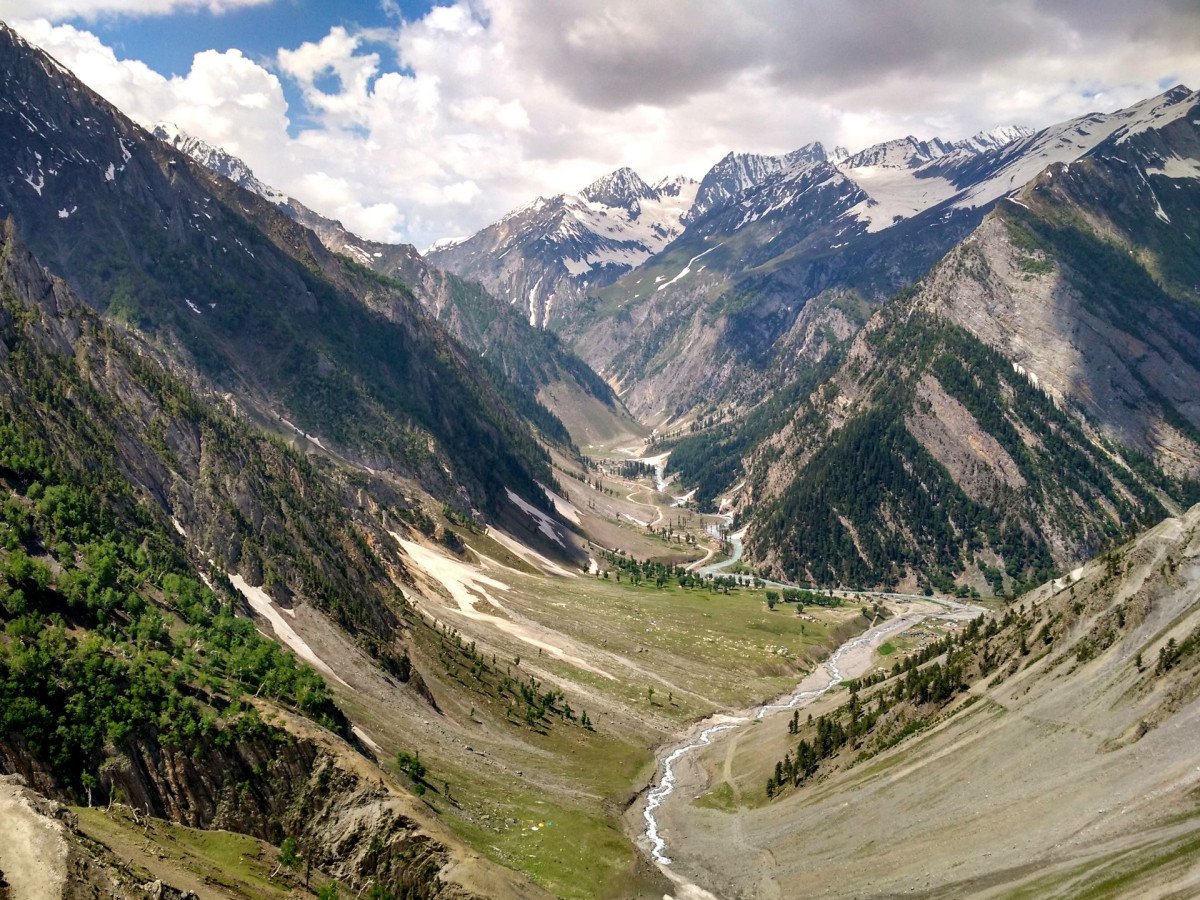
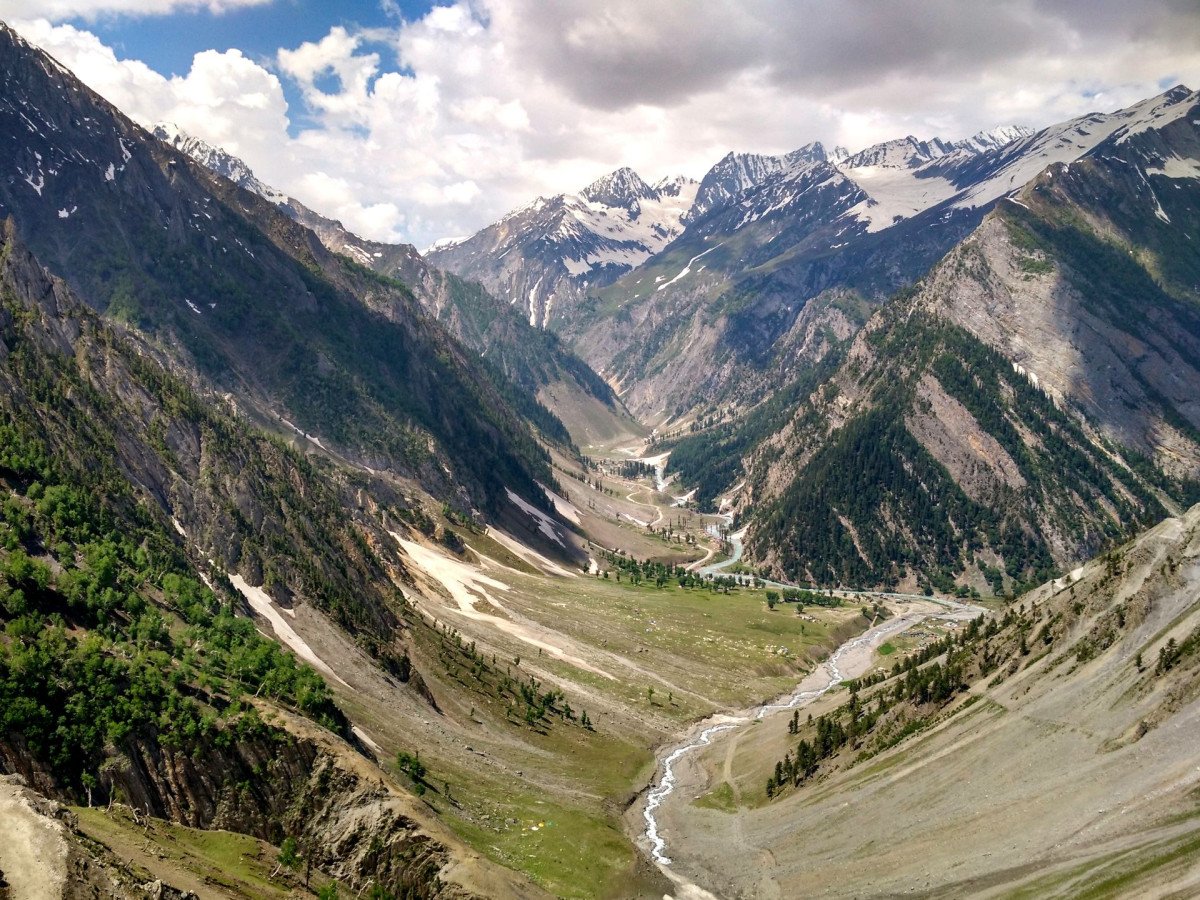
Panoramic View from Nagmarg: The absolute best photo spot is the high-altitude vantage point from the Nagmarg Meadows, providing an uninterrupted, sweeping panoramic view of the entire, vast Lolab Valley basin, the winding Lalkul river, and the colorful patchworks of the orc...Panoramic View from Nagmarg: The absolute best photo spot is the high-altitude vantage point from the Nagmarg Meadows, providing an uninterrupted, sweeping panoramic view of the entire, vast Lolab Valley basin, the winding Lalkul river, and the colorful patchworks of the orchards and fields.
Orchard Rows in Bloom/Fruit: Capturing the perfect rows of apple and cherry trees, either covered in vibrant white and pink blossoms in Spring or laden with red fruit in Autumn, offers a stunning, symmetrical, close-up shot of the valley's agricultural beauty.
Sunset over Sogam: The view from the hills overlooking Sogam town at sunset is breathtaking, as the low light illuminates the traditional wooden architecture and the vast rice fields, casting a warm, golden glow across the valley floor.Photo Gallery
Things To Do
-
Exploring the Apple Orchards: Take a guided walk through the vast apple, cherry, and walnut orchards, especially during the bloom season (Spring) or harvest time (Autumn), to learn about local horticulture and sample the fresh produce, a unique cultural-agricultural experience.
Trekking to Nagmarg Meadows: Undertake the rewarding trek to the secluded Nagmarg Meadows for stunning views of the valley and surrounding hills, an activity perfect for experienced hikers seeking solitude and a true wilderness experience away from the main road.
Visiting the Lavnag Spring: Seek out the sacred and serene Lavnag spring near Lalpur village for a moment of quiet contemplation and to witness the natural purity of the water, which is a key source of the valley's beauty.
Caving at K...Exploring the Apple Orchards: Take a guided walk through the vast apple, cherry, and walnut orchards, especially during the bloom season (Spring) or harvest time (Autumn), to learn about local horticulture and sample the fresh produce, a unique cultural-agricultural experience.
Trekking to Nagmarg Meadows: Undertake the rewarding trek to the secluded Nagmarg Meadows for stunning views of the valley and surrounding hills, an activity perfect for experienced hikers seeking solitude and a true wilderness experience away from the main road.
Visiting the Lavnag Spring: Seek out the sacred and serene Lavnag spring near Lalpur village for a moment of quiet contemplation and to witness the natural purity of the water, which is a key source of the valley's beauty.
Caving at Kalaroos: With a local guide, explore the mysterious Kalaroos Caves, a challenging but fascinating activity for the adventurous traveler, delving into the geological and legendary history of the region.
Cultural Immersion in Sogam: Spend time in the headquarters town of Sogam, interacting with the warm and hospitable locals, observing the traditional Kashmiri rural lifestyle, and sampling authentic local cuisine and crafts for a rich cultural exchange.
Riverside Picnicking by the Lalkul: Find a peaceful spot along the banks of the Lalkul (Lahwal River) for a serene picnic. The gentle flow of the river and the backdrop of dense deodar forests make it a perfect, tranquil location for relaxation and quiet reading.
Photography of Pastoral Scenes: Capture the quintessential Kashmiri pastoral life—the terraced rice fields, the wooden houses, and the Gujjar and Bakerwal settlements, using the vast scale of the valley for wide, dramatic landscape shots.
Information
-
Why Famous:
Untouched Scenic Beauty: Its fame rests on its reputation as one of the few places in Kashmir that remains relatively untouched by mass tourism, preserving its pristine beauty, earning it the poetic title 'Land of Love and Beauty' and making it a haven for solitude seekers. ...Untouched Scenic Beauty: Its fame rests on its reputation as one of the few places in Kashmir that remains relatively untouched by mass tourism, preserving its pristine beauty, earning it the poetic title 'Land of Love and Beauty' and making it a haven for solitude seekers.
The Fruit Bowl: Lolab is widely known as the 'Fruit Bowl of Jammu and Kashmir' due to its extensive and prolific orchards of apple, cherry, peach, and walnut trees, making it a key destination for agricultural tourism and harvesting festivals.
Association with Poets and Saints: The valley is historically and culturally significant as the birthplace of the renowned religious scholar, Allama Anwar Shah Kashmiri, and is celebrated in the works of local poets, giving it a deep cultural resonance beyond its physical beauty. -
Architecture:
Pastoral and Village Architecture: The valley's architecture is predominantly traditional Kashmiri village style, characterized by wooden and brick houses with sloping tin or wood roofs designed to handle heavy snowfall. The buildings are simple, functional, and built using...Pastoral and Village Architecture: The valley's architecture is predominantly traditional Kashmiri village style, characterized by wooden and brick houses with sloping tin or wood roofs designed to handle heavy snowfall. The buildings are simple, functional, and built using locally sourced materials, blending seamlessly into the pastoral landscape.
Agricultural Layout and Dimension: The valley’s most significant 'architecture' is its meticulous agricultural layout. It is an oval basin with a dimension of about 25 KMS long and 5 KMS wide. The rice fields and orchards are terraced and organized in a centuries-old pattern of irrigation fed by the Lalkul river and natural springs like Lavnag, showcasing a unique form of agrarian engineering and design tailored to the local climate.
Historical Structures: Historical architecture includes the modest, revered resting place of Kashyap Reshi near Lalpur and ancient springs, often surrounded by simple stone enclosures. The valley also contains the intriguing, ancient Kalaroos Caves, which represent natural geological architecture of historical significance, often linked to local legends. -
How To Reach:
By Air: The nearest major airport is Srinagar International Airport (SXR) (approx. 130-140 KMS from Sogam in Lolab). From the airport, a taxi must be hired for the 4-5 hour journey through Sopore and Kupwara to reach the valley.
By Train: ...By Air: The nearest major airport is Srinagar International Airport (SXR) (approx. 130-140 KMS from Sogam in Lolab). From the airport, a taxi must be hired for the 4-5 hour journey through Sopore and Kupwara to reach the valley.
By Train: The nearest major railhead is Srinagar Railway Station (approx. 114 KMS). From there, the only practical option is a long road journey by private or shared taxi (Sumo) to the valley, often via the town of Kupwara.
By Road: Lolab Valley is well-connected by a single main road from Srinagar. The journey involves driving to Kupwara town (the district headquarters) and then a short drive (approx. 9 KMS) to the valley entrance. Reserved taxis are the most efficient option for the entire day's journey.
By Local Transport: Once in the valley, local shared taxis (Sumos) or auto-rickshaws can be hired to travel between the key villages and sites like Sogam, Lalpur, and the base for the Kalaroos Caves. Walking or hiring a local pony for short treks is also a popular way to explore the interior. -
Weather and Best Time to Visit:
Different Seasons: Spring (April to May) is the best time for the stunning view of the fruit trees in blossom. Summer (June to August) is excellent for trekking to Nagmarg with pleasant weather. Autumn (September to October) is the most photogenic, with the leaves turning ...Different Seasons: Spring (April to May) is the best time for the stunning view of the fruit trees in blossom. Summer (June to August) is excellent for trekking to Nagmarg with pleasant weather. Autumn (September to October) is the most photogenic, with the leaves turning golden and the harvest underway, offering the perfect contrast of colors. Winter is very cold and access is difficult.
Different Parts of the Day: Morning is ideal for capturing the dense mist and the pristine flow of the Lalkul river. Mid-day is best for comfortable exploration of the large valley and its villages. Sunset provides a spectacular, warm glow over the orchards and fields, perfect for a grand finale before leaving the valley. -
Near Tourist Places:
Sogam Town (Valley Center - 0 KMS), Kupwara Town (9 KMS), Srinagar (114 KMS), Kalaroos Caves (Approx. 5 KMS), Lavnag Spring (1 KMS from Lalpur), Nagmarg Meadows (Trek Base Nearby), Neelum Valley (Across LoC, not accessible), Kashyap Reshi Shrine (1 KMS from Lalpur), Machil (Road Connectivity), Handwara (Nearby Town):
Tourism Tips
-
Health & safety:
Travel Security: As the valley is close to the Line of Control (LoC), always check the current security situation before travel and follow all advisory guidance from local police/military.
Water:...Health & safety:
Travel Security: As the valley is close to the Line of Control (LoC), always check the current security situation before travel and follow all advisory guidance from local police/military.
Water: Only drink bottled water or boiled water, even though the spring water looks clean. Carry warm clothing year-round.
Packing: Pack extra layers, as the temperature can drop quickly. A good pair of hiking boots is essential for exploring the high meadows and forests. Carry a power bank, as electricity and mobile network connectivity can be intermittent and unreliable in the remote parts of the valley.
Accommodation: Options are limited to modest government-run tourist huts, simple guesthouses in towns like Sogam, and numerous open, safe campsites. Travelers should be prepared for a simpler, rustic stay compared to the main towns.
Other Different Topics:
Local Interaction: The people are extremely warm and hospitable; be respectful of their culture and ask permission before taking photographs of individuals or private homes.
Transport Logistics: Given the distance, it is a minimum full-day trip from Pahalgam, making an overnight stay the more relaxed option for complete exploration.
Reviews
FAQs
Pahalgam Itineray And Cost:-
Other Places In Pahalgam :-
Other States In India :-
Information about New and Updated Locations() of Jammu and Kashmir Has Been Added :-
Card subtitle
Note:-
Information provided here in good Faith and for reference only.
Near Places
Aru Valley
Some quick example text to build on the card title and make up the bulk of the card's content.
Go somewhere
Baisaran Valley
Some quick example text to build on the card title and make up the bulk of the card's content.
Go somewhere
Betaab Valley
Some quick example text to build on the card title and make up the bulk of the card's content.
Go somewhere
Chandanwari
Some quick example text to build on the card title and make up the bulk of the card's content.
Go somewhere
Dabyan Valley
Some quick example text to build on the card title and make up the bulk of the card's content.
Go somewhere
Deno Valley
Some quick example text to build on the card title and make up the bulk of the card's content.
Go somewhere
Gaganpathri
Some quick example text to build on the card title and make up the bulk of the card's content.
Go somewhere
Hajan Viewpoint
Some quick example text to build on the card title and make up the bulk of the card's content.
Go somewhere
Kani Marg
Some quick example text to build on the card title and make up the bulk of the card's content.
Go somewhere
Katernag Lake
Some quick example text to build on the card title and make up the bulk of the card's content.
Go somewhere
Kolahoi Glacier
Some quick example text to build on the card title and make up the bulk of the card's content.
Go somewhere
Laripora
Some quick example text to build on the card title and make up the bulk of the card's content.
Go somewhere
Liddar Valley
Some quick example text to build on the card title and make up the bulk of the card's content.
Go somewhere
Lidder Amusement Park
Some quick example text to build on the card title and make up the bulk of the card's content.
Go somewhere
Lidder River
Some quick example text to build on the card title and make up the bulk of the card's content.
Go somewhere
Lolab Valley
Some quick example text to build on the card title and make up the bulk of the card's content.
Go somewherein Other Cities