

Maya Tungri View Point
General information
-
Ideal Duration:
1-2 Hours (Excluding travel time, ideal for a short visit or a longer sunset/sunrise experience)Place Type:
Religious/Spiritual, Hilltop View Point, Nature, PEntry Fees:
General Entry and Viewpoint Access: There are no official entry fees levied for visiting the Maya Tungri View Point itself or for accessing the natural hilltop area. It is a public, open space, making it a highly accessible and budget-friendly tourist destination. The gove...General Entry and Viewpoint Access: There are no official entry fees levied for visiting the Maya Tungri View Point itself or for accessing the natural hilltop area. It is a public, open space, making it a highly accessible and budget-friendly tourist destination. The government or local authorities typically do not charge for entry to natural view points like this one.
Temple Donations and Offerings: While entry is free, visitors to the Mahamaya Temple at the summit are encouraged to make voluntary donations.
Tip: These donations are used for the temple's upkeep, maintenance, and conducting daily rituals and festivals. The amount is entirely at the discretion of the devotee, and there is no fixed mandatory fee for darshan. Visitors might purchase small offerings (flowers, sweets, coconuts) from vendors, which is an associated cost, not a mandatory entry fee.
Parking Charges (If Applicable): Depending on the specific parking arrangements at the base of the hill, especially during peak seasons or festivals, a nominal parking fee for vehicles (cars, two-wheelers) may be charged by local contractors or authorized personnel.
Note: This fee is for vehicle security and space usage, not for the attraction's entry. This charge is typically small, often in the range of Rs.10 to Rs.30 per vehicle.
Photography and Videography Fees: There are no separate official fees for still photography or videography for personal use. However, for commercial purposes, like film shoots or professional documentary filming, permissions from local authorities and/or the temple committee may be required, which could involve a substantial charge, which is highly variable.Timing:
Regular Timings for the Viewpoint: The Maya Tungri View Point, being a natural hill and public space, technically has no rigid official closing or opening hours. Visitors can access the area throughout the day, from dawn to dusk. However, for safety reasons and local pract...Regular Timings for the Viewpoint: The Maya Tungri View Point, being a natural hill and public space, technically has no rigid official closing or opening hours. Visitors can access the area throughout the day, from dawn to dusk. However, for safety reasons and local practice, it is generally advised to visit between 5:00 AM and 6:00 PM. The temple at the top usually operates within standard temple hours, often from 6:00 AM to 7:00 PM, with possible short closures in the afternoon.
Ideal Visit Time for Scenic Beauty: The best time to visit for the most spectacular scenic views is either at Sunrise (around 5:30 AM to 7:00 AM) or at Sunset (around 4:30 PM to 6:00 PM, varying with the season). These hours offer soft, beautiful light for photography and the most breathtaking atmospheric conditions. Visiting during these times ensures a memorable experience, although the midday sun can be harsh and less pleasant.
Peak Season Crowding and Timing: During major festivals like Navaratri or on New Year's Day, the view point experiences heavy crowds, primarily between 8:00 AM and 5:00 PM. If you prefer a tranquil visit, it is better to avoid these specific peak hours on festival days or choose a regular weekday morning. The period right after the main morning aarti is usually less crowded.
Safety Considerations for Timings: It is strongly recommended to avoid visiting the hill and its surrounding roads after dark (after 7:00 PM) due to safety concerns, including wildlife activity, poor visibility, and the isolated nature of the hilltop and surrounding valley roads. Always plan to descend well before nightfall.Special Events:
The Navaratri and Durga Puja Celebrations: The most significant special event at Maya Tungri View Point is the grand celebration of Navaratri and Durga Puja, held twice a year (during Chaitra and Sharad). The Mahamaya Temple becomes the focal point, drawing thousands of dev...The Navaratri and Durga Puja Celebrations: The most significant special event at Maya Tungri View Point is the grand celebration of Navaratri and Durga Puja, held twice a year (during Chaitra and Sharad). The Mahamaya Temple becomes the focal point, drawing thousands of devotees. The entire hill is decorated with lights and flowers. Special aarti (prayers) and bhajan (devotional songs) are organized throughout the nine days. The atmosphere is highly charged with spiritual fervor, and the crowd size increases exponentially, making it a vibrant cultural and religious spectacle that lasts for days.
Annual Karma Festival Gathering: The hill is also a central location for celebrating the regional tribal festival of Karma (usually in August or September). This is a harvest-related festival where local communities, primarily the tribal population, gather on the hill. Special folk dances, songs, and traditional rituals are performed to worship the Karam deity (God of Power and Youth). This event provides a unique opportunity to witness the rich indigenous culture and traditions of Jharkhand, showcasing a beautiful blend of nature and heritage.
Purnima and Amavasya Special Rituals: On the nights of Purnima (Full Moon) and Amavasya (New Moon), the Mahamaya Temple often hosts special, more intense ritualistic prayers and pujas. Though not as large as the major festivals, these are important spiritual events attracting dedicated devotees seeking divine blessings and performing specific rites. These rituals are generally less crowded than the main festivals but offer a deeper insight into the temple's religious practices.
New Year's Day and Tourist Rush: While not strictly a religious or cultural festival, New Year's Day (January 1st) is a special annual event marked by a significant influx of tourists and picnic groups. People visit to welcome the new year with a scenic sunrise and a picnic. This day is marked by a celebratory atmosphere, making it a special, high-traffic event focused on recreation and fresh beginnings.Best Photo Spots:
The Main Viewpoint Platform: The single best photo spot is the designated viewpoint platform at the hill's summit, next to the temple. This location provides a complete 360-degree panorama.
Read MoreThe Main Viewpoint Platform: The single best photo spot is the designated viewpoint platform at the hill's summit, next to the temple. This location provides a complete 360-degree panorama.
Tip: Use a wide-angle lens here to capture the vast expanse of the Chutupalu Valley, the distant hills, and the serpentine roads below. The best time is during the golden hour (sunrise or sunset) for dramatic lighting and deep shadows across the landscape.
The Mahamaya Temple Entrance and Facade: The entrance of the Mahamaya Temple provides a great backdrop, blending spirituality with the natural setting.
Tip: Frame the shot to include the temple's modest structure with the vast sky or a green hillside in the background. Close-ups of the temple bells or religious markings can capture the essence of the pilgrimage. During a festival, the temple facade draped in lights is an excellent night photography subject.
The Flight of Steps: The long, ascending flight of steps leading to the top is an iconic photo spot.
Tip: Use the steps as a leading line to draw the viewer's eye up to the temple or the sky. A person climbing the stairs adds a sense of scale and journey to the composition. Photographing the steps from the bottom looking up emphasizes the height and effort of the climb.
Sunset Silhouette Point: A specific spot on the western edge of the viewpoint, where the sun sets.
Tip: Position a person, a group, or even a lone tree against the setting sun to create a striking silhouette photograph. This contrasts the dark foreground elements against the brightly colored sky. This spot is also perfect for capturing the sun's disc as it touches the horizon.
The Valley Road Loops: From the summit, the winding loops of the Ranchi-Ramgarh Road as it descends into the valley offer a fantastic perspective.
Tip: A telephoto lens can compress the distance, emphasizing the tight curves of the road and the surrounding dense forests. This angle is great for showcasing the geographic drama of the Chutupalu Ghati.
Specific Natural Rock Formations: Around the edges of the viewpoint, there are often unique natural rock outcrops.
Tip: These formations can be used as foreground elements or as a seat for portrait shots with the valley vista behind the subject, adding texture and a rugged feel to the photograph.Photo Gallery
Things To Do
-
Photography and Landscape Capturing: Maya Tungri View Point is a paradise for photography enthusiasts. The primary activity is capturing the stunning 360-degree panoramic views of the surrounding hills, green valleys, and the distant Ramgarh town. The golden hour, during sunrise and sunset, offers the most dramatic light for landscape shots, silhouette photography, and capturing the vibrant colors of the sky. Focus on long-exposure shots of the clouds or capturing the serpentine roads leading up to the hill.
Spiritual Darshan at Mahamaya Temple: A must-do activity is the spiritual journey up the steps to the Mahamaya Temple. Visitors should take time for darshan (viewing) of the main deity, Mata Mahamaya, and participate in the rituals or offer prayers. This provides a deep spiritual and cultural experience. The temple prie...Photography and Landscape Capturing: Maya Tungri View Point is a paradise for photography enthusiasts. The primary activity is capturing the stunning 360-degree panoramic views of the surrounding hills, green valleys, and the distant Ramgarh town. The golden hour, during sunrise and sunset, offers the most dramatic light for landscape shots, silhouette photography, and capturing the vibrant colors of the sky. Focus on long-exposure shots of the clouds or capturing the serpentine roads leading up to the hill.
Spiritual Darshan at Mahamaya Temple: A must-do activity is the spiritual journey up the steps to the Mahamaya Temple. Visitors should take time for darshan (viewing) of the main deity, Mata Mahamaya, and participate in the rituals or offer prayers. This provides a deep spiritual and cultural experience. The temple priest can often provide insights into the temple's history and significance, enriching the visit.
Sunset and Sunrise Viewing: This is perhaps the most popular and rewarding activity. Arriving before dawn to catch the sunrise or staying until dusk for the sunset offers a serene and spectacular natural show. Carrying a thermos of hot tea or coffee enhances the experience as you watch the light transform the landscape. The cool breeze at these times adds to the tranquil atmosphere.
Short Trekking and Hill Climbing: The climb up the established steps is a light to moderate trekking activity suitable for all age groups, offering a good physical workout. For the more adventurous, exploring the unofficial, rough trails around the main viewpoint provides a chance for a short, invigorating hike through the hilly forest, but caution is advised, and it should be done in groups.
Picnicking and Group Outings: The open space near the temple and the viewing area provides a lovely setting for a family picnic or a group outing. Visitors can bring packed meals and spend a leisurely afternoon enjoying the scenic views and the cool breeze. It is crucial to carry back all waste to maintain the sanctity and cleanliness of the spot.
Meditation and Quiet Contemplation: The peaceful ambiance and elevation make it an ideal spot for meditation. Finding a quiet corner, especially away from the main temple crowd during off-peak hours, allows for quiet reflection and enjoying the profound stillness of the mountains. The clean air and natural surroundings aid in achieving a sense of calm.
Nature and Bird Watching: With the surrounding forest cover of the Chutupalu Valley, the hill is a great vantage point for observing the local flora and fauna. Carry binoculars to spot different species of birds, especially during the migration season. The diverse trees and plants also provide an opportunity for nature walks and studying local ecology.
Exploring the Local Market (Seasonal/Festival): During major festivals like Navaratri or Karma, small temporary markets often spring up near the base or on the way to the top. Exploring these markets, which sell local handicrafts, religious items, and regional snacks, offers a glimpse into the local culture and is a unique thing to do that is not available year-round.
Observing the Chutupalu Valley Road Loops: From the high vantage point, one can clearly see the intricate loops and curves of the Ranchi-Ramgarh Road passing through the Chutupalu Ghati. Observing the vehicular movement along these beautifully engineered road curves is a unique visual experience and a great photo opportunity, showcasing the juxtaposition of man-made infrastructure and natural landscape. Star Gazing (If visiting late at night/early morning): Given the location away from the intense city lights of Ramgarh and Ranchi, the viewpoint, especially on a clear night, can be a great spot for amateur star gazing. The dark sky conditions allow for a clearer view of constellations and the milky way, provided one ensures safety and has permission for late-night access.
Information
-
Why Famous:
Panoramic Sunset and Sunrise Views: Maya Tungri View Point is most famous for providing some of the most breathtaking and unobstructed views of the sunset and sunrise in the Ramgarh region. Visitors flock here, especially in the late afternoon, to witness the spectacle of t...Panoramic Sunset and Sunrise Views: Maya Tungri View Point is most famous for providing some of the most breathtaking and unobstructed views of the sunset and sunrise in the Ramgarh region. Visitors flock here, especially in the late afternoon, to witness the spectacle of the sun dipping below the distant horizon, painting the sky with brilliant hues of orange, pink, and red, a truly unforgettable sight that draws photography enthusiasts.
The Mahamaya Temple’s Spiritual Importance: The hill is renowned for the revered Mahamaya Temple at its peak. This temple is a significant Hindu pilgrimage site dedicated to Mata Mahamaya (Goddess Durga). Its location on a remote hill adds to its spiritual sanctity. Locals hold a strong belief that praying here brings good fortune and, traditionally, rain to the area, reinforcing its fame as a center for faith and devotion.
Accessibility and Scenic Drive: The place is easily accessible from Ramgarh via the Ranchi-Ramgarh Road and is close to the scenic Chutupalu Valley. The drive itself, with its winding roads and green surroundings, is a key attraction for visitors, contributing to the spot's fame as a perfect weekend getaway for a mix of driving pleasure, spirituality, and nature appreciation.
Hub for Local Festivals: The hill gains extra fame during local festivals, particularly Durga Puja and Navaratri, which are celebrated twice a year with great zeal. Also, the local harvest festival of Karma sees enthusiastic participation at this hilltop, making it an important cultural and social center for the surrounding communities and boosting its recognition. -
Architecture:
Temple Structure and Design: The primary architectural feature of Maya Tungri is the Mahamaya Temple located at its apex. The temple architecture is relatively simple and functional, designed to withstand the hilltop environment, primarily using local stone and concrete. T...Temple Structure and Design: The primary architectural feature of Maya Tungri is the Mahamaya Temple located at its apex. The temple architecture is relatively simple and functional, designed to withstand the hilltop environment, primarily using local stone and concrete. The structure is not grand in scale but possesses a spiritual charm, typically following a North Indian temple style, though adapted to the region.
Mandir Dimensions and Layout: The temple complex itself occupies a small, elevated area on the hill. The main temple structure is modest, possibly rectangular or square, with a small shikhara (spire) or dome above the main sanctum where the idol of Mata Mahamaya is enshrined. The Mahamaya Temple area is roughly estimated to be around 30 meters in length and 20 meters in width, with the main shrine being significantly smaller. The approach is marked by a flight of steps built into the hillside, facilitating the ascent for pilgrims and tourists. These steps, while modern additions for accessibility, are a defining 'architectural' element, often lined with small rest points.
Materials and Simplicity: The architecture is characterized by its simplicity, focusing more on the spiritual significance than elaborate ornamentation. The use of local construction materials ensures it blends seamlessly with the natural, rugged terrain of the hill. The platform near the temple serves as the View Point, which is a natural formation, often enhanced with minimal railings or seating for safety and convenience, without complex architectural additions. -
How To Reach:
By Air: The nearest major airport is Birsa Munda Airport (IXR) in Ranchi, the capital city of Jharkhand. Ranchi is approximately 45-50 Kms from Ramgarh. Upon arrival at the Ranchi airport, one can hire a pre-paid taxi, a private cab, or use ride-sharing services for a dire...By Air: The nearest major airport is Birsa Munda Airport (IXR) in Ranchi, the capital city of Jharkhand. Ranchi is approximately 45-50 Kms from Ramgarh. Upon arrival at the Ranchi airport, one can hire a pre-paid taxi, a private cab, or use ride-sharing services for a direct journey to Maya Tungri View Point. The drive from the airport to the viewpoint takes about 1. 5 to 2 hours, depending on traffic and road conditions. Alternatively, one can take a bus or train from Ranchi to Ramgarh town and then use local transport.
By Train: The closest and most convenient railway station is the Ramgarh Cantonment Railway Station (RMT). This station is well-connected to major cities like Ranchi, Kolkata, Delhi, and Patna via various express and passenger trains. From Ramgarh Cantonment Railway Station, the Maya Tungri View Point is relatively close, roughly 10-15 Kms away. Outside the station, travelers can easily hire an auto-rickshaw, a taxi, or a local cab to reach the viewpoint in about 30 to 45 minutes.
By Road: Maya Tungri View Point is conveniently located close to the National Highway NH-33 (which is part of the Ranchi-Ramgarh Road). Ramgarh itself is a major junction. The road network is excellent, making self-driving or hiring a car a popular option. From Ranchi, the drive is approximately 1. 5 hours (about 50 Kms), and from other nearby towns like Hazaribagh, it is also easily reachable. The viewpoint is specifically located near Kankebar on the Ranchi Ramgarh Road. State-run and private buses regularly ply between Ramgarh and Ranchi, from which one can alight near the Chutupalu Valley area and take local transport.
By Local Transport: Within Ramgarh, the most common and accessible modes of local transport are auto-rickshaws (Tuk-tuks) and local taxis/cabs. It is advisable to hire a local auto or taxi, especially from the Ramgarh Cantonment Railway Station or the main Ramgarh Bus Stand. Negotiate the fare beforehand, or arrange for a round trip, as local transport can be scarce on the hilltop itself. For local residents, two-wheelers are the most convenient way to reach the base of the hill, from where the final climb is made on foot. -
Weather and Best Time to Visit:
The Winter Season (October to February): The winter months are undoubtedly the best time to visit Maya Tungri View Point. The weather is pleasantly cool, with day temperatures ranging from 10°C to 25°C. The skies are typically clear, offering the most crisp and breathtak...The Winter Season (October to February): The winter months are undoubtedly the best time to visit Maya Tungri View Point. The weather is pleasantly cool, with day temperatures ranging from 10°C to 25°C. The skies are typically clear, offering the most crisp and breathtaking views of the surrounding landscape. The cool air makes the climb and the time spent at the top highly enjoyable. The period from October to November is particularly favored, as the monsoon greenery is still lush, and the humidity is gone, making it perfect for sightseeing, picnicking, and spiritual visits to the Mahamaya Temple.
The Summer Season (March to June): The summer is the least recommended time due to the intense heat and high humidity, with temperatures soaring well above 40°C. The harsh sun can make the climb uncomfortable, and the views can be hazy. If visiting during this period, it is essential to restrict the visit to the early mornings (5:00 AM to 8:00 AM) or late evenings (5:00 PM to 6:30 PM) to avoid the peak heat. Adequate hydration and sun protection are a must.
The Monsoon Season (July to September): The monsoon offers a dramatically different, very beautiful experience. The hills are cloaked in a vibrant, lush green, and the clouds often hover low, creating a mystical, ethereal view.
However, the season poses challenges: the path and steps can become slippery and risky, and heavy fog or cloud cover can sometimes obscure the view entirely. The best time during monsoon is right after a spell of rain, when the air is fresh and the views are clear.
Different Parts of the Day:
Sunrise and Sunset: The early morning (Sunrise) and late evening (Sunset) are the most ideal parts of the day to visit year-round. These times offer the most spectacular views and the most pleasant weather conditions. Midday should be avoided, especially in summer, as the heat is intense, and the light is harsh for photography. A midday visit is only advisable during the cool winter months for a short period of time. -
Near Tourist Places:
Rajrappa Kali Mandir (Chhinnamastika Temple): Approx. 28 Kms (Major pilgrimage site) Patratu Valley/Patratu Dam: Approx. 25 Kms (Scenic drive and reservoir) Masmohna View Point: Approx. 12 Kms (Another scenic viewpoint and railway tunnel area) Ramgarh Valley Fall: Approx. 11. 5 Kms (Local waterfall and picnic spot) Sikidiri Ghati: Approx. 23 Kms (Scenic hairpin road loops) Khaira Manjhi Dwar: Approx. 23 Kms (Local landmark) Ptps Dam (Patratu Thermal Power Station Dam): Approx. 24.
5 Kms (Reservoir and picnic spot) Hesalong Dam: Approx. 10.
5 Kms (Dam and picnic spot) Bujurg Jamira: Approx. 7. 5 Kms (Nearby tourist spot) Ramgarh Cantonment Area: Approx. 10 Kms (Historical military area and town center)
Tourism Tips
-
Health & Safety Tips: Always climb in a group and inform someone of your visit time and return time, especially if trekking off the main path. The steps can be uneven and slippery, particularly during the monsoon, so wear sturdy, closed-toe shoes with good grip. Carry a ba...Health & Safety Tips: Always climb in a group and inform someone of your visit time and return time, especially if trekking off the main path. The steps can be uneven and slippery, particularly during the monsoon, so wear sturdy, closed-toe shoes with good grip. Carry a basic first-aid kit for minor cuts or sprains. Stay hydrated, especially in the summer, and carry your own water bottle. Avoid visiting after sunset, as the area is isolated and lighting can be poor, posing a safety risk. Be aware of the presence of local wildlife on the forested slopes and avoid provoking any animals.
Packing Essentials: Pack according to the weather. In winter, carry a light jacket or shawl as the hilltop can be windy and cool, even during the day. Regardless of the season, carry sunscreen, a hat/cap, and sunglasses. Essential items include your camera and extra batteries/power bank for photography. If planning a trek, a small, light backpack with energy bars and water is necessary. During the monsoon, a waterproof jacket or umbrella is essential. Carry a headlamp or small torch if visiting for sunrise/sunset.
Accommodation Options in Ramgarh: Since Maya Tungri View Point is an attraction and not a place to stay, the best accommodation options are available in the main Ramgarh town or the nearby Ramgarh Cantonment area (about 10-15 Kms away). Options range from budget guesthouses and Dharamshalas (especially near Rajrappa Temple which is further away) to more comfortable mid-range hotels. For a wider selection of premium hotels, consider staying in Ranchi (about 50 Kms away) and making a day trip to the view point. Book your accommodation well in advance, especially during the peak tourist season (October to February) and major festivals like Navaratri.
Other Essential Tips for Tourists: Respect the religious site by dressing modestly when visiting the Mahamaya Temple. Keep the environment clean—carry back all your trash and avoid littering the hilltop or the surrounding trails. Bargain politely with local auto-rickshaw and cab drivers before starting your journey. Learn a few basic phrases in Hindi (the common language) which can be helpful for interacting with locals. Carry small change for any small purchases or donations. Check local conditions and weather forecasts before embarking on your visit. Do not venture too close to the edges of the viewpoint for selfies or photos as the drops can be steep and dangerous.
Reviews
FAQs
Ramgarh Itineray And Cost:-
Maya Tungri View Point Tourism:-
Other Places In Ramgarh :-
Other States In India :-
Information about New and Updated Locations() of Jharkhand Has Been Added :-
Card subtitle
Note:-
Information provided here in good Faith and for reference only.
Near Places
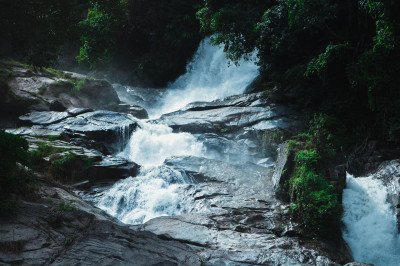
Bhukhi Falls
Some quick example text to build on the card title and make up the bulk of the card's content.
Go somewhere
Bujurg Jamira
Some quick example text to build on the card title and make up the bulk of the card's content.
Go somewhere
Chinnamasta Temple, Rajrappa
Some quick example text to build on the card title and make up the bulk of the card's content.
Go somewhere
Dhordhoria Waterfall
Some quick example text to build on the card title and make up the bulk of the card's content.
Go somewhere
Golla
Some quick example text to build on the card title and make up the bulk of the card's content.
Go somewhere
Gosay Bandh Chhotki Pona
Some quick example text to build on the card title and make up the bulk of the card's content.
Go somewhere
Hanuman Fall
Some quick example text to build on the card title and make up the bulk of the card's content.
Go somewhere
Hot Water Spring
Some quick example text to build on the card title and make up the bulk of the card's content.
Go somewhere
Indira Market
Some quick example text to build on the card title and make up the bulk of the card's content.
Go somewhere
Jharkhand War Memorial
Some quick example text to build on the card title and make up the bulk of the card's content.
Go somewhere
Khaira Manjhi Dwar
Some quick example text to build on the card title and make up the bulk of the card's content.
Go somewhere
Kinni Pahad View Point
Some quick example text to build on the card title and make up the bulk of the card's content.
Go somewhere
Lalki Ghati
Some quick example text to build on the card title and make up the bulk of the card's content.
Go somewhere
Ma Parvati Temple
Some quick example text to build on the card title and make up the bulk of the card's content.
Go somewhere
Masmohna View Point
Some quick example text to build on the card title and make up the bulk of the card's content.
Go somewhere
Maya Tungri View Point
Some quick example text to build on the card title and make up the bulk of the card's content.
Go somewherein Other Cities