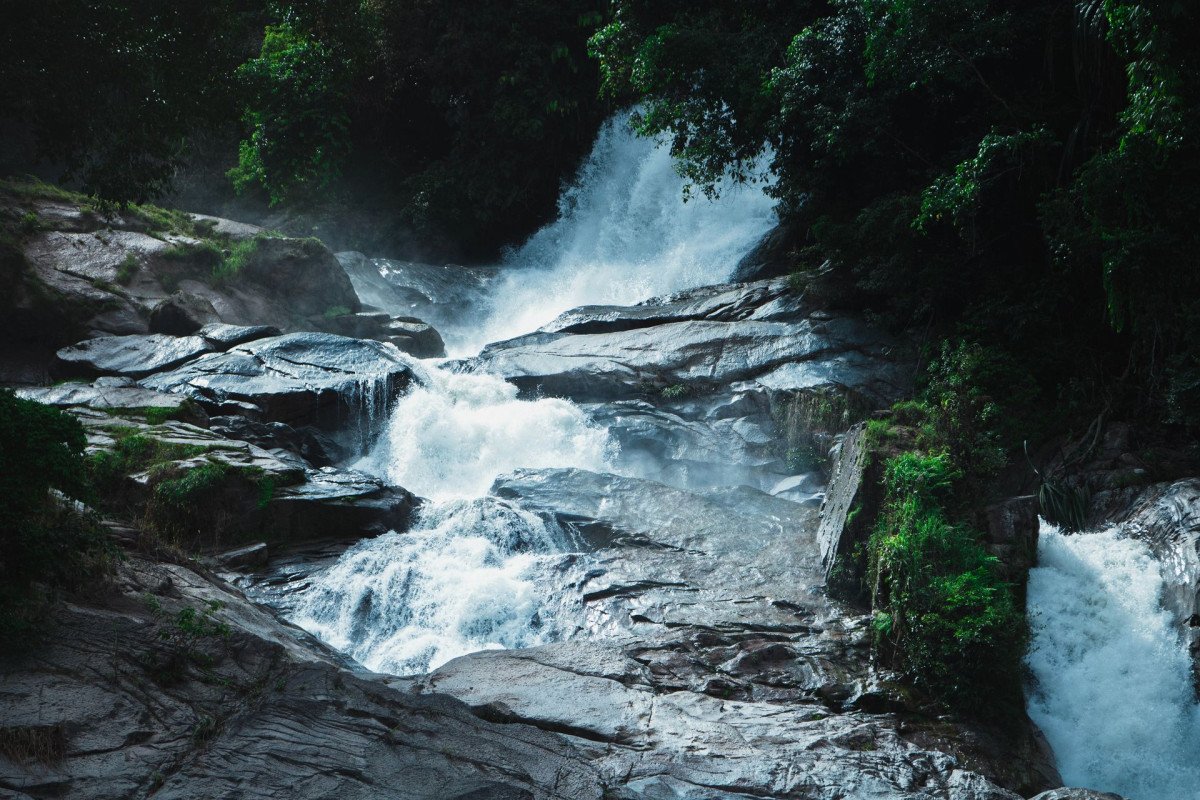
Nakari Falls
General information
-
Ideal Duration:
3-4 hours (Perfect for a relaxing half-day picnic or a nature photography session).Place Type:
Nature/Waterfall/Picnic SpotEntry Fees:
No Formal Entry Fee: As a natural, undeveloped tourist spot, there is generally No Formal Entry Fee collected by any government authority (Forest Department or Tourism Department). This makes it a highly economical option for travelers. The lack of a formal ticket counter ...No Formal Entry Fee: As a natural, undeveloped tourist spot, there is generally No Formal Entry Fee collected by any government authority (Forest Department or Tourism Department). This makes it a highly economical option for travelers. The lack of a formal ticket counter is part of its unspoiled nature, but this also means fewer maintained facilities.
Unregulated Parking/Local Fees: While there is no official entry fee, in peak seasons like the New Year period or major holidays, local villagers often collect a small, nominal fee (e. g. , Rs.10-Rs.30) for parking two-wheelers or four-wheelers, or for managing the temporary parking area near the main access road. This fee is voluntary and collected by local youths to manage crowds and parking chaos, and it is a small, expected cost of visiting.
Indirect Costs for Visitors: The true "cost" is generally indirect and related to preparation. Visitors are advised to bring all necessities (food, water, first-aid, mats), as there are no official stalls. This lack of paid amenities ensures a low-cost visit, provided you come prepared. The absence of a fee also highlights the visitor's responsibility to practice "Leave No Trace" principles.Timing:
Regular Timings:
Open 24 Hours (Daylight Recommended): As a natural, open waterfall, it is technically accessible 24 hours a day, seven days a week. However, for safety and practical reasons, the recommended visitation period is strictly dur...Regular Timings:
Open 24 Hours (Daylight Recommended): As a natural, open waterfall, it is technically accessible 24 hours a day, seven days a week. However, for safety and practical reasons, the recommended visitation period is strictly during daylight hours—from 7:00 AM to 5:00 PM. The paths are unlit, and the terrain is rough and rocky, making nighttime visits hazardous.
Ideal Visit Time:
Late Morning to Afternoon: The ideal time for a visit, especially for picnics, is from 10:00 AM to 4:00 PM. This window provides sufficient time to set up a picnic, enjoy the waterfall, and clean up before the sun begins to set. For serious nature photographers, the early morning light (7:00 AM - 9:00 AM) is the most advantageous, as the light is soft, and the area is least crowded.
Safety and Crowd Management Time: The most crowded time is typically on Sundays and public holidays between 11:00 AM and 3:00 PM. For a peaceful, secluded experience, plan to arrive either very early in the morning or on a weekday. Visiting during the safe, monitored period is essential, as the local accessibility of the area is not guaranteed beyond daylight hours.Special Events:
New Year's Day and Winter Picnic Rush: While there is no formal, organized "special event" or festival held by the government or large body, the most significant annual 'event' is the spontaneous, massive influx of visitors on New Year's Day (January 1st) and throughout the ...New Year's Day and Winter Picnic Rush: While there is no formal, organized "special event" or festival held by the government or large body, the most significant annual 'event' is the spontaneous, massive influx of visitors on New Year's Day (January 1st) and throughout the entire December-February period. The cool, crisp winter weather makes it the prime picnic season. On New Year's Day, the area transforms into a vibrant, festive ground, filled with music, community cooking, and celebrations. This unorganized mass gathering is the biggest annual 'event' at the falls.
Local Religious Observation: Being close to many villages, the falls and the Nalkari River are sometimes used by the local Adivasi and other communities for small, traditional religious rites, especially related to nature worship and water bodies. These are small-scale, deeply private events related to local festivals or Pujas like Karma Puja or Sohrai, usually held quietly at the riverbank, offering a rare, authentic glimpse into the region's cultural heart, far removed from mainstream tourism.Best Photo Spots:
The Upper Ledge Viewpoint: The area just above the main cascade offers a stunning and slightly adventurous perspective. From here, photographers can capture the river flow just before it plunges, framing the shot with the surrounding forest and the deep valley below. This ...The Upper Ledge Viewpoint: The area just above the main cascade offers a stunning and slightly adventurous perspective. From here, photographers can capture the river flow just before it plunges, framing the shot with the surrounding forest and the deep valley below. This spot provides the best sense of the height and force of the water, especially after the rains. Caution must be exercised due to slippery rocks and no railings.
The Plunge Pool Foreground: Standing at a safe distance from the plunge pool, using the collected water and the dark, wet rocks as a foreground, one can capture the full height of the cascade. This angle is perfect for long-exposure shots to capture the silky, ethereal motion of the water against the stationary, rugged rock face, which creates a powerful contrast.
The Forest Canopy Frame: The dense trees surrounding the waterfall provide natural frames for the main subject. Position yourself to shoot through the leaves and branches, letting the greenery of the Sal trees frame the white water of the falls. This technique emphasizes the untouched, natural beauty and the seclusion of the location, particularly beautiful when the sun filters through the canopy.
Sunrise/Sunset Light: The soft, golden light during sunrise and sunset transforms the water and the mist around the falls. Photographing during the "Golden Hour" allows for rich colors and dramatic shadows, with the mist sometimes catching the light to create a soft, ethereal glow. This provides unique, mood-filled photographs that are distinct from the harsh light of midday.Photo Gallery
Things To Do
-
Leisurely Picnic and Outdoor Feast: The most popular activity is setting up a picnic on the smooth, flat rocks near the base of the waterfall. Carry a well-stocked basket with local Jharkhandi or favorite picnic food and spend a relaxed few hours enjoying the ambiance and the cool mist from the falls. Lay out mats and play simple games like cards or board games, making it a perfect family-bonding activity. Many visitors also cook simple meals on-site using portable stoves, though one must be careful to clean up thoroughly to protect the natural environment. Ensuring all trash is carried back is paramount to preserving this spot.
Nature Photography and Videography: The falls offer countless photogenic opportunities. Monsoon season provides dramatic shots of powerful water flow, while the winter offers clear, bright light for ...Leisurely Picnic and Outdoor Feast: The most popular activity is setting up a picnic on the smooth, flat rocks near the base of the waterfall. Carry a well-stocked basket with local Jharkhandi or favorite picnic food and spend a relaxed few hours enjoying the ambiance and the cool mist from the falls. Lay out mats and play simple games like cards or board games, making it a perfect family-bonding activity. Many visitors also cook simple meals on-site using portable stoves, though one must be careful to clean up thoroughly to protect the natural environment. Ensuring all trash is carried back is paramount to preserving this spot.
Nature Photography and Videography: The falls offer countless photogenic opportunities. Monsoon season provides dramatic shots of powerful water flow, while the winter offers clear, bright light for capturing the vibrant green moss and rock textures. Focus on long-exposure photography to create silky water effects or capture the dynamic play of light and shadow on the cascades. The surrounding forest and the tranquil plunge pool also provide excellent backdrops for portraits and landscape compositions. Videographers can capture the soundscape and motion of the water, creating a powerful sensory record of the visit.
Relaxation and Meditation: The constant, rhythmic sound of the falling water acts as natural white noise, making the area incredibly conducive to relaxation and stress relief. Find a quiet spot on the periphery, away from the main picnic groups, and simply sit, breathe the fresh air, and engage in quiet reflection or meditation. It is an ideal spot for a digital detox, where the focus shifts entirely to the sights and sounds of the natural world.
Short Trekking and Exploration: Explore the immediate vicinity of the falls. Though the terrain is rocky, short, easy-to-moderate trails exist around the gorge. Walk along the riverbank (when the water level is low and safe) to discover different smaller rock pools and cascades. Be sure to wear sturdy footwear and exercise caution on slippery rocks. The exploration of the surrounding Sal and mixed deciduous forest will lead to discovering local flora and perhaps spotting some unique regional birds and butterflies.
Water Play and Splashing: In the safer, shallower parts of the plunge pool and surrounding stream (especially post-monsoon and in winter), visitors can safely wade and splash around to cool off. This is a favorite activity for children and younger visitors. However, swimming in the deeper parts of the plunge pool, especially during heavy flow, is strongly discouraged for safety reasons. Always check local water conditions before entering the water.
Local Interaction and Cultural Insight: The falls are located near Saunda village. Engaging respectfully with the local vendors and residents provides an opportunity to purchase local snacks, drinks, or seasonal fruits. It's a chance to learn about local customs, the community's relationship with the Nalkari River, and the best, most traditional ways to enjoy the natural surroundings, thereby enriching the travel experience beyond the waterfall itself.
Educational and Nature Study Trip: The location is excellent for educational trips, focusing on the geology of the Chota Nagpur Plateau and the hydrological cycle of a small river like the Nalkari. Students or enthusiasts can collect rock samples (observing ethical rules), study the different layers of rock, and learn about the forest ecosystem, making the visit a blend of leisure and learning.
Information
-
Why Famous:
The Monsoon Majesty: Nakari Falls is primarily famous for its spectacular transformation during the monsoon season, which runs roughly from July to September. The increased rainfall swells the Nalkari River, turning the gentle trickle of the dry season into a powerful, roar...The Monsoon Majesty: Nakari Falls is primarily famous for its spectacular transformation during the monsoon season, which runs roughly from July to September. The increased rainfall swells the Nalkari River, turning the gentle trickle of the dry season into a powerful, roaring cascade. This period is considered the peak time for witnessing the falls in their full glory, attracting local tourists and picnic groups. The sight and sound of the voluminous water thundering down the rocky slope are the main draws.
Picnic Paradise and Natural Retreat: The falls are renowned locally as a highly accessible and safe picnic spot. Unlike some more remote or commercialized tourist locations, Nakari Falls offers a relatively uncrowded and pristine natural environment. Families, college students, and office groups frequently visit for day trips, especially on weekends and public holidays. The large, flat rocky areas near the plunge pool are ideal for setting up a picnic, making it a celebrated spot for social gatherings in Ramgarh.
Connection to the Nalkari River: The significance of the falls is also tied to the Nalkari River itself, which is a major water source in the region and an important tributary of the Damodar River. The flow of the falls provides a visual indicator of the health of the local river system. The surrounding environment, part of the extensive Patratu Valley ecosystem (though further away than Patratu Dam), ensures a consistent, picturesque setting of dense greenery and clean air that adds to its reputation as a famous natural landmark. -
Architecture:
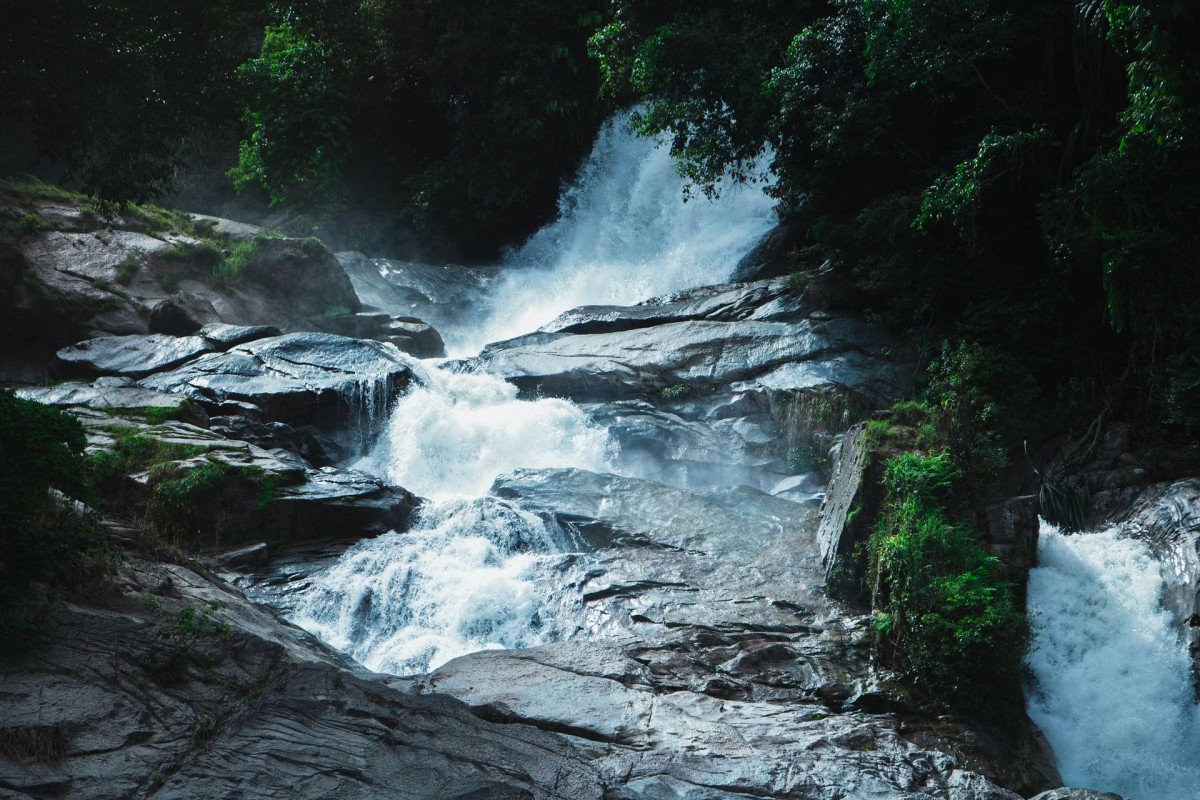
Geological and Hydrological Formation of the Falls: The falls are not a product of human construction but a natural feature carved by the persistent action of the Nalkari River on the hard, crystalline rocks of the Chota Nagpur Plateau. The term 'architecture' here refers t...Geological and Hydrological Formation of the Falls: The falls are not a product of human construction but a natural feature carved by the persistent action of the Nalkari River on the hard, crystalline rocks of the Chota Nagpur Plateau. The term 'architecture' here refers to the geological structure that dictates the waterfall’s form. The descent is characterized by a stepped profile, where layers of erosion-resistant rock form ledges over which the water cascades, contrasting with softer strata that have been eroded away over millennia. The main cascade features multiple drops, creating a stunning visual effect as the water breaks and disperses into mist.
Dimension and Scale of the Waterfall: While specific, officially surveyed dimensions (like height and width) are not commonly recorded for smaller regional waterfalls like Nakari Falls, its size is considered moderate. Based on regional observations, the total cumulative drop is estimated to be around 30 to 50 feet. The width of the flow can vary dramatically, expanding to over 60 feet during the peak monsoon season when the Nalkari River is in full spate, and narrowing significantly in the dry summer months. The rock basin at the base, where the water collects, is a naturally formed plunge pool, roughly elliptical in shape, about 40 feet in diameter, which is relatively shallow in most areas but contains deeper pockets near the impact zone. The surrounding forest canopy creates a sense of enclosure, emphasizing the vertical scale of the falls. -
How To Reach:
By Air:
Via Birsa Munda Airport, Ranchi: The nearest major airport is Birsa Munda Airport (IXR) in Ranchi, approximately 70-80 KMS from the falls and about 60 KMS from Ramgarh Cantonment. This airport is well-connected with major Indian citi...By Air:
Via Birsa Munda Airport, Ranchi: The nearest major airport is Birsa Munda Airport (IXR) in Ranchi, approximately 70-80 KMS from the falls and about 60 KMS from Ramgarh Cantonment. This airport is well-connected with major Indian cities like Delhi, Kolkata, Mumbai, and Bangalore. From the airport, one must hire a pre-booked taxi or use ride-sharing services for the two-hour drive to Ramgarh Cantonment, and then proceed to the falls via local transport. The route is scenic, often passing through the Patratu Valley or the NH-33 highway.
By Train: Via Ramgarh Cantonment or Barkakana Railway Station: The closest major railhead is Ramgarh Cantonment Railway Station (RMT), which is well-connected to many parts of Jharkhand and India. Alternatively, Barkakana Railway Station (BRKA) is another nearby option, often connected to the same major routes. From Ramgarh Cantonment station, the waterfall is a short road journey of about 20-25 KMS. Visitors can hire a local taxi, a tempo, or an auto-rickshaw directly to Saunda village near the falls. Ensure the local driver knows the exact location of the falls, as it is a regional spot.
By Road:
Excellent National Highway Connectivity: Ramgarh is strategically located on major National Highways, including NH-33 and NH-20 (part of the major East-West corridor). Traveling by road is arguably the most convenient way to reach the region. The drive from Ranchi (60 KMS) and Hazaribagh (50 KMS) is excellent. Once near Ramgarh Cantonment, take the road towards Patratu (or the route near Saunda village). The final stretch of road to the falls may be a rough, unpaved local road for the last 1-2 KMS, accessible by cars, SUVs, and two-wheelers.
By Local Transport:
Auto-Rickshaws and Taxis: Within Ramgarh Cantonment, the best way to cover the final distance of 20-25 KMS is by hiring a local cab or negotiating a fare with an auto-rickshaw driver for a round trip. Shared local taxis (often referred to as 'trekkers' or shared jeeps) might run along the main route towards Saunda or Patratu, but these will only drop you off at the main road, requiring a significant walk or a separate local arrangement for the final distance. Hiring a dedicated vehicle for the entire round trip is highly recommended for convenience and safety. -
Weather and Best Time to Visit:
Monsoon Season (June to September):
The Waterfall at its Peak: The absolute Best Time to Visit is during the latter half of the monsoon season, particularly in August and September. This is when the heavy rainfall has maximized the water flo...Monsoon Season (June to September):
The Waterfall at its Peak: The absolute Best Time to Visit is during the latter half of the monsoon season, particularly in August and September. This is when the heavy rainfall has maximized the water flow, creating the most spectacular, powerful cascade. The surrounding forests are at their lushest and most vibrant green, and the air is fresh and misty. However, this period requires extra caution due to slippery paths and the possibility of sudden downpours.
Winter Season (October to February):
The Best Picnic and Activity Time: The winter months offer the most pleasant weather for all activities other than seeing the falls in maximum flow. The climate is cool, dry, and ideal for long picnics, trekking, and exploration. The skies are generally clear, and the light is great for photography. October, November, and February are perfect for a balanced experience of moderate water flow and excellent weather. New Year's Day in January is the most popular, though crowded, day of the year.
Different Parts of the Day: Morning vs.
Afternoon: For a peaceful, secluded experience and the best photographic light, the Morning (7:00 AM to 10:00 AM) is unbeatable. For picnics and a more social, lively atmosphere, the Afternoon (11:00 AM to 3:00 PM) is the most common and ideal time. Avoid the peak heat of the dry Summer midday. -
Near Tourist Places:
Places within 10-30 KMS: Patratu Dam/Patratu Lake Resort (Approx. 20 KMS); Ramgarh Cantonment Lake (Approx. 25 KMS); Ramgarh Cantonment Church (Approx. 25 KMS); Rajrappa Mandir (Approx. 40-50 KMS) - A major religious and natural site at the confluence of the Damodar and Bhera rivers; Ramgarh Valley Fall (Approx. 30 KMS); Masmohna View Point (Approx. 35 KMS); Dhordhoria Waterfall (Approx. 35-40 KMS); Tuti Jharna Mandir (Approx. 30-35 KMS).
Places within 50-80 KMS: Gola Block Tourist Spots (Varies, approx. 50 KMS); Birsa Munda Airport Ranchi (Approx. 75 KMS).
Tourism Tips
-
Health & Safety:
Watch for Slippery Rocks: Safety is paramount, especially at a natural, undeveloped site. Wear sturdy, non-slip footwear (like trekking shoes) as the rocks around the falls and plunge pool are constantly wet and extremely sl...Health & Safety:
Watch for Slippery Rocks: Safety is paramount, especially at a natural, undeveloped site. Wear sturdy, non-slip footwear (like trekking shoes) as the rocks around the falls and plunge pool are constantly wet and extremely slippery due to moss and mist. Do not attempt to climb wet rocks or venture too close to the main drop, particularly during the monsoon when the water force is dangerous. The swimming depth of the pool is unknown and changes; avoid deep-water swimming. Keep an eye on children at all times. Carry a basic first-aid kit, as medical help is not immediately available.
Packing Essentials:
Food, Water, and Waste Bags: Since there are no formal shops or vendors, Pack plenty of drinking water and all your food and snacks. Bring a waterproof mat or blanket for your picnic. Crucially, pack multiple garbage bags and ensure you carry all your waste back with you to keep the falls pristine. A change of clothes might be useful if you plan on wading in the water. Carry a power bank, as mobile network connectivity can be spotty.
Accommodation:
Stay in Ramgarh or Ranchi: There is no formal tourist accommodation at the falls. The nearest reliable places to stay are in Ramgarh Cantonment (approx. 25 KMS) or the main city of Ranchi (approx. 70-80 KMS), which offer a wider range of hotels, resorts, and guesthouses. For a more immersive natural stay, consider looking for local homestays or resorts near Patratu Valley, which is closer to the falls.
Local Etiquette and Environment: Respect the local environment and wildlife by not feeding animals or disturbing the vegetation. Engage respectfully with locals; ask permission before photographing people. Since the area is popular for picnics, avoid playing loud music that might disturb other visitors or the natural tranquility of the area. Be cautious of the final approach road, which may be rough and muddy, especially after rain; a high-clearance vehicle is advantageous.
Other Tips:
Travel with a Local Guide: Given the falls' somewhat 'hidden' nature, it is advisable to hire a local auto or taxi driver who knows the exact route to Saunda or to ask for directions multiple times once you are off the main highway, as GPS coordinates might be imprecise for the final few hundred meters.
Reviews
FAQs
Ramgarh Itineray And Cost:-
Other Places In Ramgarh :-
Other States In India :-
Information about New and Updated Locations() of Jharkhand Has Been Added :-
Card subtitle
Note:-
Information provided here in good Faith and for reference only.
Near Places
Bhukhi Falls
Some quick example text to build on the card title and make up the bulk of the card's content.
Go somewhere
Bujurg Jamira
Some quick example text to build on the card title and make up the bulk of the card's content.
Go somewhere
Chinnamasta Temple, Rajrappa
Some quick example text to build on the card title and make up the bulk of the card's content.
Go somewhere
Dhordhoria Waterfall
Some quick example text to build on the card title and make up the bulk of the card's content.
Go somewhere
Golla
Some quick example text to build on the card title and make up the bulk of the card's content.
Go somewhere
Gosay Bandh Chhotki Pona
Some quick example text to build on the card title and make up the bulk of the card's content.
Go somewhere
Hanuman Fall
Some quick example text to build on the card title and make up the bulk of the card's content.
Go somewhere
Hot Water Spring
Some quick example text to build on the card title and make up the bulk of the card's content.
Go somewhere
Indira Market
Some quick example text to build on the card title and make up the bulk of the card's content.
Go somewhere
Jharkhand War Memorial
Some quick example text to build on the card title and make up the bulk of the card's content.
Go somewhere
Khaira Manjhi Dwar
Some quick example text to build on the card title and make up the bulk of the card's content.
Go somewhere
Kinni Pahad View Point
Some quick example text to build on the card title and make up the bulk of the card's content.
Go somewhere
Lalki Ghati
Some quick example text to build on the card title and make up the bulk of the card's content.
Go somewhere
Ma Parvati Temple
Some quick example text to build on the card title and make up the bulk of the card's content.
Go somewhere
Masmohna View Point
Some quick example text to build on the card title and make up the bulk of the card's content.
Go somewhere
Maya Tungri View Point
Some quick example text to build on the card title and make up the bulk of the card's content.
Go somewherein Other Cities