

Mazaar of Peer Haji Rattan
General information
-
Ideal Duration:
1-2 HoursPlace Type:
Religious Site, Shrine, Symbol of HarmonyEntry Fees:
General Entry: Entry into the entire religious complex (Mazaar, Gurdwara, and Temple) is entirely Free of charge for all people, regardless of their nationality or religion. The principle of open access is central to the ethos of all three places of worship.General Entry: Entry into the entire religious complex (Mazaar, Gurdwara, and Temple) is entirely Free of charge for all people, regardless of their nationality or religion. The principle of open access is central to the ethos of all three places of worship.
Donations: While entry is free, visitors are welcome to make voluntary donations (Chadava or Kar Sewa) at the donation boxes of the respective religious structures (Mazaar, Gurdwara, or Temple) as a gesture of respect and to contribute to the upkeep of the complex and the community kitchen.
Specific Offerings: Visitors typically spend a small amount of money outside the complex to purchase traditional offerings like flowers, incense sticks, or sweet Prasad from local vendors, which are then used as part of the ritual worship inside.
No Fee for Langar: The meal served in the Gurdwara's Langar is always Free for everyone, symbolizing equality and service to humanity, a core tenet of Sikhism, and a major part of the site's appeal.Timing:
Regular Timings: The complex is generally open from very early morning (Sunrise, 5:00 AM to 6:00 AM) until late evening (Sunset or later, 7:00 PM to 9:00 PM), with the individual religious structures having slightly different hours based on their prayer schedules. The Mazaa...Regular Timings: The complex is generally open from very early morning (Sunrise, 5:00 AM to 6:00 AM) until late evening (Sunset or later, 7:00 PM to 9:00 PM), with the individual religious structures having slightly different hours based on their prayer schedules. The Mazaar and the Gurdwara typically have longer hours.
Ideal Visit Time: The best time to visit is during the quiet morning hours (8:00 AM - 10:00 AM) for peaceful reflection before the midday rush, or in the late afternoon/early evening (4:00 PM - 6:00 PM) to observe the evening prayers and the beautiful atmosphere as the complex lights up, which is spiritually rewarding.
No Closing Day: The religious complex operates seven days a week, 365 days a year, as is common with major religious shrines, with no mandatory weekly closing day for visitors.Special Events:
Annual Urs (Sufi Festival): The most significant special event is the annual Urs (death anniversary) of Peer Haji Rattan, usually a three-day festival that attracts thousands of Sufi devotees, pilgrims, and musicians from across the region. This event features devotional si...Annual Urs (Sufi Festival): The most significant special event is the annual Urs (death anniversary) of Peer Haji Rattan, usually a three-day festival that attracts thousands of Sufi devotees, pilgrims, and musicians from across the region. This event features devotional singing (Qawwali), Sufi dance, and a massive community feast.
Birth Anniversary of Guru Nanak Dev Ji: The Gurdwara within the complex celebrates the Gurpurab of Guru Nanak Dev Ji with immense zeal. The celebrations include a procession, continuous recitation of the holy book, and a huge Langar, reflecting the integrated nature of the site's spiritual calendar.
Local Harvest Festivals: The complex also becomes a focal point for the celebration of major Punjabi festivals like Baisakhi (April) and Lohri (January), though the events here are more spiritually focused, celebrating the land and its people through devotion.Best Photo Spots:
The Triad Viewpoint: A spot that frames all three places of worship (Mazaar, Gurdwara dome, and Temple spire) in a single shot is the best photo spot, perfectly capturing the theme of interfaith harmony that the complex represents.
The Mazaar's ...The Triad Viewpoint: A spot that frames all three places of worship (Mazaar, Gurdwara dome, and Temple spire) in a single shot is the best photo spot, perfectly capturing the theme of interfaith harmony that the complex represents.
The Mazaar's Marble Dome: A close-up shot of the Mazaar's dome against the blue sky is excellent for emphasizing the tranquility and the classic architecture of the Sufi shrine.
The Old Wishing Tree: The ancient tree adorned with brightly colored threads offers a highly cultural and emotive photo spot, symbolizing local faith and traditions, which is best captured with a wide aperture to blur the background.
The Langar Scene: Photographing the selfless service in the community kitchen (Langar) or the communal dining area provides powerful, candid shots that convey the essence of shared culture and humanity, emphasizing the site's social importance. (Approx. 300 Words)Photo Gallery
Things To Do
-
Pay Respects at the Mazaar: The primary activity is visiting the tomb of Peer Haji Rattan to offer prayers, light incense (agarbatti), and seek blessings. The Sufi tradition involves quietly reflecting on the saint's teachings of peace and love.
Visit the Gurdwara (Gurdwara Haji Rattan): Visitors should enter the Gurdwara premises, covering their heads and removing their shoes, to listen to the holy scripture recitation (Kirtan) and experience the serenity of the Sikh place of worship, often participating in the community kitchen (Langar).
Worship at the Hindu Temple: Take a moment to visit the Hindu temple within the complex to observe the rituals and architecture specific to Hindu devotion, completing the triad of religious experience within one complex.
Attend th...Pay Respects at the Mazaar: The primary activity is visiting the tomb of Peer Haji Rattan to offer prayers, light incense (agarbatti), and seek blessings. The Sufi tradition involves quietly reflecting on the saint's teachings of peace and love.
Visit the Gurdwara (Gurdwara Haji Rattan): Visitors should enter the Gurdwara premises, covering their heads and removing their shoes, to listen to the holy scripture recitation (Kirtan) and experience the serenity of the Sikh place of worship, often participating in the community kitchen (Langar).
Worship at the Hindu Temple: Take a moment to visit the Hindu temple within the complex to observe the rituals and architecture specific to Hindu devotion, completing the triad of religious experience within one complex.
Attend the Evening Aarti or Kirtan: Attending the late evening prayer ceremonies at either the temple or the Gurdwara is a deeply immersive and spiritual activity, offering a profound sense of the site's sanctity and its cultural rhythm.
Quiet Reflection and People Watching: Find a quiet spot in the courtyard or surrounding gardens to simply sit and observe the diverse flow of people—Sikhs, Hindus, and Muslims—worshipping side-by-side, truly appreciating the historical and living monument to religious harmony.
Buying Offerings: Purchase traditional offerings like flowers, sweets (Prasad), or colorful threads from the local vendors outside the complex. The act of making offerings is an integral part of the pilgrim experience at all three sites.
Historical Storytelling: Engage with local devotees or the caretakers (if available) to hear the oral histories and legends about the meeting of Guru Nanak Dev Ji and Peer Haji Rattan, enriching the understanding of the site's foundational story and its importance to Punjab.
Information
-
Why Famous:
Icon of Interfaith Unity: The Mazaar of Peer Haji Rattan is supremely famous for being a rare and powerful symbol of interfaith unity in India. The co-existence of a Mazaar, a Gurdwara, and a Hindu temple within the same sacred complex is a living example of Punjab's ethos ...Icon of Interfaith Unity: The Mazaar of Peer Haji Rattan is supremely famous for being a rare and powerful symbol of interfaith unity in India. The co-existence of a Mazaar, a Gurdwara, and a Hindu temple within the same sacred complex is a living example of Punjab's ethos of religious tolerance and peaceful coexistence.
The Visit of Guru Nanak Dev Ji: The historical visit and meeting of Guru Nanak Dev Ji with Peer Haji Rattan greatly amplify its fame, solidifying its importance in Sikh history as well as Sufi tradition. This historical bridge-building event is a primary reason for the site's reverence by Sikhs.
Spiritual Tranquility: The shrine is famous for its profoundly peaceful and tranquil atmosphere, offering a spiritual retreat where pilgrims and tourists come to seek blessings and find solace away from the daily grind, regardless of their religious background.
Fulfillment of Wishes: Locals believe that praying at the Mazaar with sincerity can lead to the fulfillment of wishes and blessings, which contributes to its continuous popularity as a place of spiritual power. -
Architecture:
Harmonious Design: The architecture of the Mazaar complex is primarily defined by its blend of structures from different faiths co-existing in one space. The central Mazaar is a typical Sufi shrine structure, often featuring a simple, domed tomb built with white marble or p...Harmonious Design: The architecture of the Mazaar complex is primarily defined by its blend of structures from different faiths co-existing in one space. The central Mazaar is a typical Sufi shrine structure, often featuring a simple, domed tomb built with white marble or plaster, representing the tranquility of Sufi design. The space is simple, functional, and built to encourage quiet contemplation.
The Gurdwara's Form: The adjacent Gurdwara follows traditional Sikh architectural principles, featuring white marble or light-colored stone, often topped with a fluted dome (Gumbad) and possibly golden ornamentation, with a dedicated Sarovar (holy water tank) nearby. The hall for the scripture reading (Diwan Hall) is designed for community seating.
Temple's Structure: The Hindu temple within the complex is generally smaller and follows the typical temple architecture of the region, perhaps featuring a short spire (Shikhara) or specific deity carvings, although it remains simple to maintain the complex's cohesive atmosphere. The overall architectural dimension is one of shared space and respectful proximity rather than a single, grand style. The focus is on the sanctity of the entire precinct. -
How To Reach:
By Air: The nearest major airports are Sri Guru Ram Dass Jee International Airport in Amritsar (ATQ, 185 KMS) or Chandigarh International Airport (IXC, 210 KMS). From the airport, a taxi or train can be taken to Bathinda.
By Train: Arrive a...By Air: The nearest major airports are Sri Guru Ram Dass Jee International Airport in Amritsar (ATQ, 185 KMS) or Chandigarh International Airport (IXC, 210 KMS). From the airport, a taxi or train can be taken to Bathinda.
By Train: Arrive at Bathinda Railway Station (BTI). The shrine is located very close to the station (approx. 1. 5-2 KMS). From the station, it is a very quick and inexpensive ride via local transport like an auto-rickshaw or a cycle-rickshaw.
By Road: Bathinda is centrally connected by an extensive network of national and state highways. Regular bus services from all major cities in Punjab and neighboring states run to the main Bathinda Bus Stand. From the bus stand, the shrine is a short 3 KMS ride away by local public transport.
By Local Transport: Within Bathinda, the shrine's central location makes it highly accessible. Auto-rickshaws and cycle-rickshaws are the most convenient way to reach it from any part of the city, including the major hotels and markets. The area is well-known to all local drivers. -
Weather and Best Time to Visit:
Different Types of Seasons: Winter (October to March) is highly recommended as the best time to visit due to the cool, pleasant, and dry weather, which makes spending time in the open courtyard and grounds very comfortable. Summer (April to June) is intense; if visiting, o...Different Types of Seasons: Winter (October to March) is highly recommended as the best time to visit due to the cool, pleasant, and dry weather, which makes spending time in the open courtyard and grounds very comfortable. Summer (April to June) is intense; if visiting, only the early morning is advised. The Monsoon season (July to September) makes the surroundings lush but can be humid, though the spiritual atmosphere is always present.
Different Parts of the Day: The Morning (7:00 AM to 10:00 AM) is ideal for quiet, reflective prayer and for getting a good start to the day. The Evening (5:00 PM to Closing) is highly recommended to witness the evening prayers (Aarti, Kirtan) and the spiritual fervor of the devotees as the complex lights up. -
Near Tourist Places:
Qila Mubarak (1. 5 KMS), Dhobhi Bazaar (1. 5 KMS), Bathinda Railway Station (2 KMS), Bathinda Lake (4 KMS), Rose Garden (5 KMS), Chetak Park (5 KMS), Bathinda Bus Stand (3 KMS), Zoological Garden (Bir Talab) (11 KMS), Guru Kashi (Talwandi Sabo) (31 KMS), Lakhi Jungle (16 KMS)
Tourism Tips
-
Health & Safety: Dress modestly to respect the sanctity of all three religious places; it is essential to cover your shoulders and knees. Carry a scarf or cloth to cover your head when entering the Gurdwara. As it is a bustling religious place, be mindful of your personal...Health & Safety: Dress modestly to respect the sanctity of all three religious places; it is essential to cover your shoulders and knees. Carry a scarf or cloth to cover your head when entering the Gurdwara. As it is a bustling religious place, be mindful of your personal belongings. Water and basic amenities are usually available within the complex.
Packing: Pack a head covering (scarf/handkerchief), a small packet of tissue paper, and a pair of socks for walking barefoot or on cool marble floors. As there are usually no lockers, carry minimal valuables.
Accommodation: Stay in a hotel near Qila Mubarak or the Bathinda city center, as the shrine is easily accessible from any part of the city. Mid-range hotels in the Model Town area offer good comfort and connectivity.
Other Different Topics Heading: Embrace the spirit of interfaith harmony; respect the rituals of all three faiths being practiced there. Remove shoes before entering any of the sacred spaces and utilize the shoe-keeping service. Accept the Prasad (blessed food/sweets) or Langar with humility, as it is considered a blessing.
Reviews
FAQs
Bathinda Itineray And Cost:-
Mazaar of Peer Haji Rattan Tourism:-
Other Places In Bathinda :-
Other States In India :-
Information about New and Updated Locations() of Punjab Has Been Added :-
Card subtitle
Note:-
Information provided here in good Faith and for reference only.
Near Places

Akalsar Sarover
Some quick example text to build on the card title and make up the bulk of the card's content.
Go somewhere
Bathinda Lake
Some quick example text to build on the card title and make up the bulk of the card's content.
Go somewhere
Bathinda Park
Some quick example text to build on the card title and make up the bulk of the card's content.
Go somewhere
Bhootan Wala Khoo
Some quick example text to build on the card title and make up the bulk of the card's content.
Go somewhere
Bird Sanctuary Bir Talab
Some quick example text to build on the card title and make up the bulk of the card's content.
Go somewhere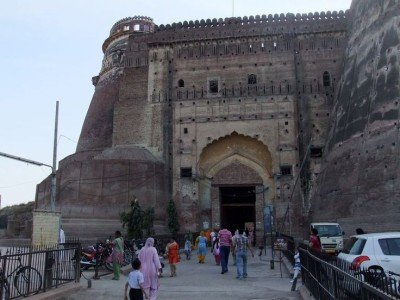
Chetak Park
Some quick example text to build on the card title and make up the bulk of the card's content.
Go somewhere
Chill-O-Thrill Fun Park
Some quick example text to build on the card title and make up the bulk of the card's content.
Go somewhere
Dhobhi Bazaar
Some quick example text to build on the card title and make up the bulk of the card's content.
Go somewhere
Lakhi Jungle
Some quick example text to build on the card title and make up the bulk of the card's content.
Go somewhere
Lala Siri Ram Garg Clock Tower
Some quick example text to build on the card title and make up the bulk of the card's content.
Go somewhere
Mazaar of Peer Haji Rattan
Some quick example text to build on the card title and make up the bulk of the card's content.
Go somewhere
Nanaksar Sarover
Some quick example text to build on the card title and make up the bulk of the card's content.
Go somewhere
Qila Mubarak
Some quick example text to build on the card title and make up the bulk of the card's content.
Go somewhere
Quila Phul
Some quick example text to build on the card title and make up the bulk of the card's content.
Go somewhere
Rani Mahal
Some quick example text to build on the card title and make up the bulk of the card's content.
Go somewhere
Rose Garden, Bathinda
Some quick example text to build on the card title and make up the bulk of the card's content.
Go somewherein Other Cities