Qila Mubarak
General information
-
Ideal Duration:
2-3 HoursPlace Type:
Historical Landmark, Fort, Religious SiteEntry Fees:
General Entry: A nominal entry fee, as set by the Archaeological Survey of India (ASI), is applicable for entry into the monument complex, which is often very low for Indian citizens and slightly higher for foreign nationals, contributing to the upkeep and conservation of th...General Entry: A nominal entry fee, as set by the Archaeological Survey of India (ASI), is applicable for entry into the monument complex, which is often very low for Indian citizens and slightly higher for foreign nationals, contributing to the upkeep and conservation of the national monument.
No Fee for Religious Sections: Entry into the Gurdwaras located inside the complex is always Free of charge, in line with Sikh religious tradition, allowing all devotees and visitors to offer prayers regardless of ticket purchase for the fort itself.
Photography and Videography: Typically, general still photography is included in the entry ticket price, but professional photography or videography for commercial purposes requires a special permit and a significantly higher fee, which must be obtained from the ASI.
Children and Senior Citizens: Children below a certain age and often senior citizens (Indian nationals) are granted Free entry or a heavily discounted ticket price, making the heritage site accessible to all generations.Timing:
Regular Timings: Qila Mubarak is typically open from Sunrise to Sunset every day, usually from 6:00 AM to 6:00 PM (or slightly later in summer months, 6:30 AM to 7:00 PM), with no weekly closing day, although the Gurdwaras remain open for devotees outside these hours.Regular Timings: Qila Mubarak is typically open from Sunrise to Sunset every day, usually from 6:00 AM to 6:00 PM (or slightly later in summer months, 6:30 AM to 7:00 PM), with no weekly closing day, although the Gurdwaras remain open for devotees outside these hours.
Ideal Visit Time: The most ideal time to visit is during the early morning hours (6:00 AM - 9:00 AM) to climb the ramparts before the sun gets too intense, particularly from April to September. In winter (October to March), late morning (10:00 AM - 12:00 PM) or mid-afternoon (3:00 PM - 5:00 PM) offers the most pleasant temperatures for a comfortable, long exploration.
Gurdwara Timings: The Gurdwaras inside the fort complex operate on their own religious schedule, often opening much earlier and remaining accessible late into the evening for prayer and Kirtan services.Special Events:
Religious Anniversaries (Gurpurbs): The Gurdwaras inside the fort complex regularly celebrate the Gurpurbs (anniversaries) of Guru Gobind Singh Ji and Guru Nanak Dev Ji with immense devotion. These events feature continuous recitation of the holy scripture (Akhand Path) and...Religious Anniversaries (Gurpurbs): The Gurdwaras inside the fort complex regularly celebrate the Gurpurbs (anniversaries) of Guru Gobind Singh Ji and Guru Nanak Dev Ji with immense devotion. These events feature continuous recitation of the holy scripture (Akhand Path) and large-scale community kitchen services (Langar), drawing a massive influx of pilgrims and devotees.
Cultural Heritage Days: Occasionally, the ASI or local heritage groups organize cultural events, educational tours, or light-and-sound shows at the fort, particularly around national heritage days (April 18th, November 19th), aimed at raising public awareness about the fort's historical significance and its need for conservation.
Local History Storytelling: Local groups sometimes conduct historical storytelling sessions or Qila Mubarak history walks, especially in the winter months, where they narrate the tales of Razia Sultan and the Sikh Gurus, offering a unique, immersive educational event.Best Photo Spots:
The Imposing Entrance Gate: The fort's main entrance gate, with the Rani Mahal perched above it, offers a grand, symmetrical spot for photography, capturing the imposing scale of the structure and the texture of the old walls.
The Bastion Corner...The Imposing Entrance Gate: The fort's main entrance gate, with the Rani Mahal perched above it, offers a grand, symmetrical spot for photography, capturing the imposing scale of the structure and the texture of the old walls.
The Bastion Corners: The corners of the outer ramparts, particularly those that frame the city, provide excellent photographic opportunities to capture the weathered mud-brick bastions, often with the old city's rooftops in the background, contrasting the ancient and the modern.
The Inner Courtyard and Gurdwaras: The open central courtyard, with the two Gurdwaras, offers a serene photo spot that captures the spiritual heart of the fort. Shots that frame the domes of the Gurdwara against the high rampart walls are particularly striking.
The Top Viewpoint: The highest accessible terrace offers a unique, panoramic cityscape view that is ideal for wide-angle landscape and architectural photography, emphasizing the fort's dominant height and the surrounding urban sprawl. (Approx. 300 Words)Photo Gallery
Things To Do
-
Exploring the Fort's Ramparts and Walls: Spend time walking along the ramparts and the inner perimeter of the fort. This allows visitors to appreciate the massive scale and defensive thickness of the walls, imagining the military life and sieges the fort endured over centuries.
Visiting the Gurdwaras: Pay respect at the two Gurdwaras located within the complex, which are dedicated to the Sikh Gurus who visited the site. Observing the devotion and partaking in the peaceful atmosphere is a key part of the visit, offering spiritual solace.
Climbing to the Top: The climb to the fort's highest level is a must-do activity. From the top, visitors can enjoy a panoramic, commanding view of Bathinda city, a perfect opportunity for photography and gaining a spatial perspective of the area.Exploring the Fort's Ramparts and Walls: Spend time walking along the ramparts and the inner perimeter of the fort. This allows visitors to appreciate the massive scale and defensive thickness of the walls, imagining the military life and sieges the fort endured over centuries.
Visiting the Gurdwaras: Pay respect at the two Gurdwaras located within the complex, which are dedicated to the Sikh Gurus who visited the site. Observing the devotion and partaking in the peaceful atmosphere is a key part of the visit, offering spiritual solace.
Climbing to the Top: The climb to the fort's highest level is a must-do activity. From the top, visitors can enjoy a panoramic, commanding view of Bathinda city, a perfect opportunity for photography and gaining a spatial perspective of the area.
Discovering the Rani Mahal: Seek out the partially restored remnants of the Rani Mahal near the entrance. Learning about the tragic and dramatic story of Razia Sultan who was imprisoned here adds a fascinating historical layer to the exploration.
History and Architecture Study: Engage in detailed study by reading the informational plaques provided by the ASI. The fort is an open-air museum of construction techniques spanning over 1500 years, from the Kushana bricks to the later Patiala state additions.
Attending Evening Kirtan: If visiting in the late evening, one can attend the religious service (Kirtan) at the on-site Gurdwara, a deeply spiritual and soothing experience that connects visitors with the fort's living religious heritage.
Photography of the Ancient Structure: Capture the imposing, weathered look of the mud-brick structure, focusing on the massive bastions and the sheer antiquity of the walls. The fort's rustic, historical texture makes it a perfect subject for black-and-white or sepia-toned photography.
Information
-
Why Famous:
Oldest Surviving Fort in India: Qila Mubarak is most famous for being recognized as one of the oldest, if not the absolute oldest, surviving fort structures in India, a testament to the longevity of its ancient Kushana-era mud-brick base and military design. This architectu...Oldest Surviving Fort in India: Qila Mubarak is most famous for being recognized as one of the oldest, if not the absolute oldest, surviving fort structures in India, a testament to the longevity of its ancient Kushana-era mud-brick base and military design. This architectural and historical feat is its primary claim to fame.
The Imprisonment of Razia Sultan: Its fame is irrevocably tied to the imprisonment of Razia Sultan, the formidable first woman ruler of Delhi. This historical connection makes the fort a key site for studying Medieval Indian history and the dynamics of the Delhi Sultanate.
Sacred Site for Sikhs: The visits of Guru Nanak Dev Ji, Guru Tegh Bahadur Ji, and particularly Guru Gobind Singh Ji make it a revered sacred site, with the Gurdwaras inside drawing a steady stream of Sikh pilgrims, making it a place of both historical and spiritual importance.
A Conspicuous Landmark: Due to its immense height (approx. 30 meters), it was a dominant and conspicuous landmark visible for many miles around, historically serving as a crucial military outpost and a beacon for travelers and merchants. -
Architecture:
Military Architecture and Materials: The fort is a massive, multi-tiered structure, originally described as having around 36 bastions, standing impressively at a height of approximately 30 meters (118 feet). Its basic architectural style is defensive and military, construct...Military Architecture and Materials: The fort is a massive, multi-tiered structure, originally described as having around 36 bastions, standing impressively at a height of approximately 30 meters (118 feet). Its basic architectural style is defensive and military, constructed predominantly with ancient mud bricks dating back to the Kushana Period, a key dimension that makes it unique.
Rajputana and Mughal Influences: While the base is an ancient earth-and-brick structure, later rulers, including the Patiala Maharaja, made additions and alterations, visible in some of the upper parts and internal structures like the Rani Mahal (Queen's Palace), which exhibit a blend of later-era Rajputana and early Mughal styles in terms of carved niches and interior details.
The Rani Mahal Dimension: The Rani Mahal, located above the only entrance gate, is a principal architectural area. Though parts of it have suffered erosion, it originally featured intricate mural paintings on its roof. The palace's location symbolizes the strategic importance of the royal women's quarters.
Religious Integration: The presence of the two Gurdwaras within the fortified complex exemplifies the confluence of military and religious architecture, with the Gurdwaras being simple, functional structures designed for prayer and congregation. The overall structure is an imposing, square-like bastion-studded landmark. -
How To Reach:
By Air: The nearest major airports are Sri Guru Ram Dass Jee International Airport in Amritsar (ATQ, 185 KMS) and Chandigarh International Airport (IXC, 210 KMS). From the airport, a taxi or train can be taken to Bathinda.
By Train: Arrive ...By Air: The nearest major airports are Sri Guru Ram Dass Jee International Airport in Amritsar (ATQ, 185 KMS) and Chandigarh International Airport (IXC, 210 KMS). From the airport, a taxi or train can be taken to Bathinda.
By Train: Arrive at Bathinda Railway Station (BTI). The fort is located very close to the station (approx. 1-2 KMS). From the station, the fort is easily reached by a very short ride in a cycle-rickshaw, auto-rickshaw, or app-based taxi, as it is situated right in the heart of the old city.
By Road: Bathinda is a well-connected city on major national and state highways. Regular bus services from Delhi, Chandigarh, Patiala, and Amritsar drop passengers at the main Bathinda Bus Stand. From the bus stand, the fort is just a 3-4 KMS ride by local transport. Given its central location, it can be reached on foot from many parts of the old city.
By Local Transport: Due to its position in the bustling, narrow streets of the old city, the best final mode of transport is a local auto-rickshaw or cycle-rickshaw. These smaller vehicles can navigate the congested market lanes right up to the fort's entrance more easily than large private cars or taxis. -
Weather and Best Time to Visit:
Different Types of Seasons: Winter (October to March) is the optimal time for visiting, as the cool and dry climate allows for comfortable exploration, walking the ramparts, and extended outdoor time. The temperature is perfect for climbing the high structure. Summer (Apri...Different Types of Seasons: Winter (October to March) is the optimal time for visiting, as the cool and dry climate allows for comfortable exploration, walking the ramparts, and extended outdoor time. The temperature is perfect for climbing the high structure. Summer (April to June) is extremely hot, making a morning-only visit highly recommended, as the stone and brick can absorb a great deal of heat. The Monsoon season (July to September) brings a risk of slippery conditions on the high walls, though the rain does cool the air.
Different Parts of the Day: The Morning Hour (6:00 AM to 9:00 AM) is the best time for photography, climbing, and history exploration to avoid the heat and the peak crowd of the old city market. The Late Afternoon (4:00 PM to Sunset) is a good second choice, offering pleasant light for photography and a cooler temperature. -
Near Tourist Places:
Mazaar of Peer Haji Rattan (1. 5 KMS), Dhobhi Bazaar (1 KM), Bathinda Lake (5 KMS), Rose Garden (6 KMS), Chetak Park (6 KMS), Bathinda Railway Station (2 KMS), Rani Mahal (Inside the fort), Lakhi Jungle (17 KMS), Bir Talab (12 KMS), Gurudwara Hajiratan (1. 5 KMS)
Tourism Tips
-
Health & Safety: Wear sturdy, comfortable walking shoes as the stone pathways and steps can be uneven, steep, and slippery in places, especially when climbing the ramparts. Carry a hat and sunscreen for sun protection, even in winter. Given the fort's age, always observe a...Health & Safety: Wear sturdy, comfortable walking shoes as the stone pathways and steps can be uneven, steep, and slippery in places, especially when climbing the ramparts. Carry a hat and sunscreen for sun protection, even in winter. Given the fort's age, always observe any ropes or barriers placed by the ASI for structural safety.
Packing: Bring a camera with a wide-angle lens to capture the sheer scale of the fort and its bastions. A small flashlight might be useful for exploring any darker internal passages or the stepwell. Carry a scarf or head covering out of respect when visiting the on-site Gurdwaras.
Accommodation: Accommodation should be secured in the modern parts of Bathinda or near the railway station. While the fort is in the old city, the surrounding area has fewer modern hotels. Bookings during holiday weekends should be made well in advance.
Other Different Topics Heading: The fort is located in a bustling market area, so be mindful of your personal belongings. Respect the historical significance of the site; do not deface the walls and use designated waste bins. When visiting the Gurdwaras, remember to cover your head and remove your shoes before entering the sacred premises.
Reviews
FAQs
Bathinda Itineray And Cost:-
Other Places In Bathinda :-
Other States In India :-
Information about New and Updated Locations() of Punjab Has Been Added :-
Card subtitle
Note:-
Information provided here in good Faith and for reference only.
Near Places

Akalsar Sarover
Some quick example text to build on the card title and make up the bulk of the card's content.
Go somewhere
Bathinda Lake
Some quick example text to build on the card title and make up the bulk of the card's content.
Go somewhere
Bathinda Park
Some quick example text to build on the card title and make up the bulk of the card's content.
Go somewhere
Bhootan Wala Khoo
Some quick example text to build on the card title and make up the bulk of the card's content.
Go somewhere
Bird Sanctuary Bir Talab
Some quick example text to build on the card title and make up the bulk of the card's content.
Go somewhere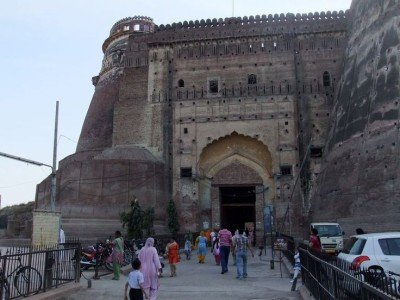
Chetak Park
Some quick example text to build on the card title and make up the bulk of the card's content.
Go somewhere
Chill-O-Thrill Fun Park
Some quick example text to build on the card title and make up the bulk of the card's content.
Go somewhere
Dhobhi Bazaar
Some quick example text to build on the card title and make up the bulk of the card's content.
Go somewhere
Lakhi Jungle
Some quick example text to build on the card title and make up the bulk of the card's content.
Go somewhere
Lala Siri Ram Garg Clock Tower
Some quick example text to build on the card title and make up the bulk of the card's content.
Go somewhere
Mazaar of Peer Haji Rattan
Some quick example text to build on the card title and make up the bulk of the card's content.
Go somewhere
Nanaksar Sarover
Some quick example text to build on the card title and make up the bulk of the card's content.
Go somewhere
Qila Mubarak
Some quick example text to build on the card title and make up the bulk of the card's content.
Go somewhere
Quila Phul
Some quick example text to build on the card title and make up the bulk of the card's content.
Go somewhere
Rani Mahal
Some quick example text to build on the card title and make up the bulk of the card's content.
Go somewhere
Rose Garden, Bathinda
Some quick example text to build on the card title and make up the bulk of the card's content.
Go somewherein Other Cities