

Rani Mahal
General information
-
Ideal Duration:
1 Hour (As part of Fort Tour):Place Type:
Historical Monument (Part of Fort):Entry Fees:
Entry Fees (Nominal & Preservation Fund): A small, nominal entry fee (typically Rs.15-Rs.25 for Indians) is charged to enter the Qila Mubarak fort complex, of which the Rani Mahal is a part. This fee directly supports the ASI's preservation and maintenance work.Entry Fees (Nominal & Preservation Fund): A small, nominal entry fee (typically Rs.15-Rs.25 for Indians) is charged to enter the Qila Mubarak fort complex, of which the Rani Mahal is a part. This fee directly supports the ASI's preservation and maintenance work.
Foreign Tourist Fee: The entry fee for foreign tourists is generally higher (e. g. , Rs.200-Rs.300).
Photography Charges (None for Casual): Casual photography is usually free. Commercial or professional photography/videography may require a special permit and an associated fee.Timing:
Regular Timings (Daylight Hours): The Qila Mubarak fort complex is typically open from 9:00 AM to 5:00 PM or 6:00 PM, as access is generally restricted after sunset for security and safety. It is often open all days of the week.
Ideal Visit Tim...Regular Timings (Daylight Hours): The Qila Mubarak fort complex is typically open from 9:00 AM to 5:00 PM or 6:00 PM, as access is generally restricted after sunset for security and safety. It is often open all days of the week.
Ideal Visit Time (Early Morning Winter): The best time to visit is the early morning (9:00 AM to 11:00 AM) during winter (October to March) to avoid the midday sun and the late afternoon crowds.
Avoid Extreme Heat: The exposed nature of the fort walls means the area should be avoided between 12:00 PM and 3:00 PM during the hot summer months.Special Events:
Baisakhi Fair at Qila Mubarak: The fort grounds, and implicitly the Mahal area, become a focal point for the large Baisakhi fair and celebrations in April, with local vendors, cultural programs, and religious gatherings.
Local Heritage Weeks:Baisakhi Fair at Qila Mubarak: The fort grounds, and implicitly the Mahal area, become a focal point for the large Baisakhi fair and celebrations in April, with local vendors, cultural programs, and religious gatherings.
Local Heritage Weeks: The fort, managed by the Archaeological Survey of India (ASI), often hosts special educational or cultural events during national Heritage Weeks (e. g. , in November) to promote awareness of its history.
Sikh Gurupurab Celebrations: The Gurudwaras inside the fort host large gatherings and Langar on the major Gurupurabs, especially for Guru Gobind Singh Ji.Best Photo Spots:
The Fort Ramparts View: The most striking photo is a wide view of Bathinda from the highest ramparts near the Mahal, capturing the contrast between the ancient fort and the modern city.
Jharokha Frame Shot: A close-up shot of the Mahal's win...The Fort Ramparts View: The most striking photo is a wide view of Bathinda from the highest ramparts near the Mahal, capturing the contrast between the ancient fort and the modern city.
Jharokha Frame Shot: A close-up shot of the Mahal's window or jharokha, using the stone work as a natural frame for the outside view.
Ancient Brick Texture: A detailed, macro-style photograph of the centuries-old brickwork, highlighting the erosion, texture, and historical material of the Kushana bricks.
The Fort Gateway: A dramatic, low-angle shot of the massive Qila Mubarak gateway, which serves as the Rani Mahal's entrance.Photo Gallery
Things To Do
-
Exploring the Fort Complex (History Walk): Since it's inside Qila Mubarak, the primary activity is a historical walking tour of the entire fort, including the Gurudwaras built inside by Maharaja Karam Singh to commemorate the visits of Sikh Gurus.
Climbing the Fort Walls (Panoramic View): Ascend the fort's main walls and bastions to gain a breathtaking, panoramic view of Bathinda city and the surrounding area. The perspective from the Rani Mahal area is particularly good.
Photography (Architectural & Historical): Capture the ancient brickwork, the imposing bastions, and the intricate details of the Mahal's architecture. The rough texture of the old bricks makes for excellent historical photography.
Visiting the Internal Gurudwaras (Worship): Pay your respects a...Exploring the Fort Complex (History Walk): Since it's inside Qila Mubarak, the primary activity is a historical walking tour of the entire fort, including the Gurudwaras built inside by Maharaja Karam Singh to commemorate the visits of Sikh Gurus.
Climbing the Fort Walls (Panoramic View): Ascend the fort's main walls and bastions to gain a breathtaking, panoramic view of Bathinda city and the surrounding area. The perspective from the Rani Mahal area is particularly good.
Photography (Architectural & Historical): Capture the ancient brickwork, the imposing bastions, and the intricate details of the Mahal's architecture. The rough texture of the old bricks makes for excellent historical photography.
Visiting the Internal Gurudwaras (Worship): Pay your respects at the two historical Gurudwaras (dedicated to Guru Nanak Dev Ji and Guru Gobind Singh Ji) located within the fort complex.
Historical Imagination (Envisioning Royal Life): Stand in the Mahal's rooms and try to imagine the daily life, the routines, and the challenges faced by the royal ladies confined within the fort's massive walls.
Tracing the Kushana Bricks (Archaeology): Look closely at the walls to identify the original, ancient, small bricks dating back to the Kushana period.
Quiet Reflection (Historical Significance): Find a quiet corner on the ramparts to reflect on the fort's 900+ years of history, from Razia Sultan to the Sikh Gurus.
Information
-
Why Famous:
Historical Connection to Qila Mubarak: Its fame is inextricably linked to the Qila Mubarak Fort, the oldest surviving fort in India, and the imprisonment of Razia Sultan there. The Mahal symbolizes the domestic life within the vast military structure.
Read MoreHistorical Connection to Qila Mubarak: Its fame is inextricably linked to the Qila Mubarak Fort, the oldest surviving fort in India, and the imprisonment of Razia Sultan there. The Mahal symbolizes the domestic life within the vast military structure.
Symbol of Royal Status: It is famous as a symbol of the high-status women of the past rulers (like the Maharaja of Patiala who restored the fort). It provides a more intimate, human-scale historical context compared to the fort's imposing walls.
Patiala Restoration Era: The later renovations by the Maharaja of Patiala (who renamed the fort Gobindgarh) would have included modernization or maintenance of the Mahal, connecting it to the city's more recent princely state history.Architecture:
Mughal-Rajput Fortress Architecture: The architecture of the Rani Mahal follows the larger style of Qila Mubarak—a rugged, military, but also domestically functional design. The main material is the old, small Kushana-era brick, characteristic of the ancient fort structur...Mughal-Rajput Fortress Architecture: The architecture of the Rani Mahal follows the larger style of Qila Mubarak—a rugged, military, but also domestically functional design. The main material is the old, small Kushana-era brick, characteristic of the ancient fort structure. The Mahal section is an elevated part of the fort, with thick walls for security and climate control.
Mahal Layout & Dimensions: The Mahal would have consisted of interconnected chambers, an inner courtyard, and screened windows (jharokhas) for the royal ladies to view the outside world without being seen. While specific current measurements are hard to ascertain, the fort's height is about 30 meters, and the Mahal is situated on one of the higher levels, providing a commanding view of the city. The rooms are smaller and more intimate than the public Diwan halls.
Decorative Elements: The Rani Mahal might retain faint traces of decorative plasterwork, niches, or frescoes that were once used to soften the harsh military lines of the fort walls, often featuring floral or geometric patterns characteristic of Mughal and Rajput art.How To Reach:
By Air (Via Chandigarh): The nearest major airport is Chandigarh (IXC, 225 KMS). From the airport, take a train or bus to Bathinda, and then a local ride.
By Train (To Bathinda Junction): Bathinda Junction Railway Station (BTI) is the neare...By Air (Via Chandigarh): The nearest major airport is Chandigarh (IXC, 225 KMS). From the airport, take a train or bus to Bathinda, and then a local ride.
By Train (To Bathinda Junction): Bathinda Junction Railway Station (BTI) is the nearest major station (approx. 3-4 KMS). The fort is easily accessible via a short auto-rickshaw or taxi ride along Qila Road.
By Road (City Center Access): The fort is centrally located on Qila Road in the old city, making it easily reachable by local bus, taxi, or personal vehicle from any part of Bathinda.
By Local Transport (Auto-Rickshaws & Walk): Auto-rickshaws are the most convenient mode of transport. From the main gate, the Rani Mahal is a short, uphill walk inside the fort complex.Weather and Best Time to Visit:
Winter Season (October to February): Winter provides the perfect cool temperature for an extended, comfortable exploration of the large, exposed fort complex and its various sections, including the Mahal.
Summer Season (March to June): Summe...Winter Season (October to February): Winter provides the perfect cool temperature for an extended, comfortable exploration of the large, exposed fort complex and its various sections, including the Mahal.
Summer Season (March to June): Summer temperatures make fort exploration arduous. Visiting must be strictly limited to the first two hours after opening (9:00 AM to 11:00 AM).
Monsoon Season (July to September): The ramparts can become slippery during heavy rain, but the rain-washed stone provides a beautiful, clean look for photography. Visit on a clear day.
Different Parts of the Day (Mid-Morning Light): The light is best for photographing the textures and walls of the ancient structure in the mid-morning hours (10:00 AM to 12:00 PM).Tourism Tips
-
Health & safety (Climbing Precautions): Wear comfortable, sturdy shoes for climbing the uneven fort steps and ramparts. Be careful near the edges and crumbling sections. Carry water.
Packing (Historical Context): Carry a guide book or down...Health & safety (Climbing Precautions): Wear comfortable, sturdy shoes for climbing the uneven fort steps and ramparts. Be careful near the edges and crumbling sections. Carry water.
Packing (Historical Context): Carry a guide book or download information about Razia Sultan and the Sikh Gurus to enrich the visit with historical context.
Accommodation (Central Qila Road Stays): Numerous budget and mid-range hotels are located along Qila Road and the surrounding old city area, offering the closest accommodation option.
Other Different Topics (ASI Rules): Respect the rules of the Archaeological Survey of India (ASI); do not touch or damage the walls, and do not litter inside the historical monument.
Reviews
FAQs
Bathinda Itineray And Cost:-
Other Places In Bathinda :-
Other States In India :-
Information about New and Updated Locations() of Punjab Has Been Added :-
Card subtitle
Note:-
Information provided here in good Faith and for reference only.
Near Places

Akalsar Sarover
Some quick example text to build on the card title and make up the bulk of the card's content.
Go somewhere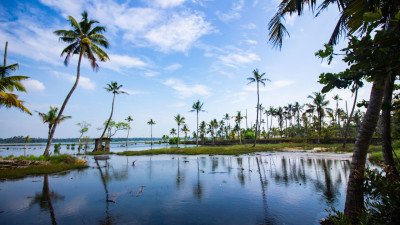
Bathinda Lake
Some quick example text to build on the card title and make up the bulk of the card's content.
Go somewhere
Bathinda Park
Some quick example text to build on the card title and make up the bulk of the card's content.
Go somewhere
Bhootan Wala Khoo
Some quick example text to build on the card title and make up the bulk of the card's content.
Go somewhere
Bird Sanctuary Bir Talab
Some quick example text to build on the card title and make up the bulk of the card's content.
Go somewhere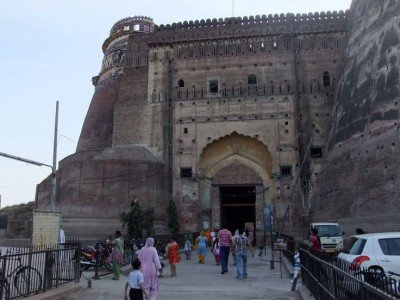
Chetak Park
Some quick example text to build on the card title and make up the bulk of the card's content.
Go somewhere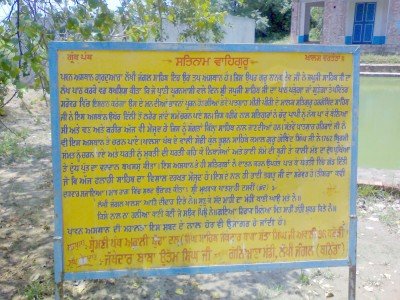
Chill-O-Thrill Fun Park
Some quick example text to build on the card title and make up the bulk of the card's content.
Go somewhere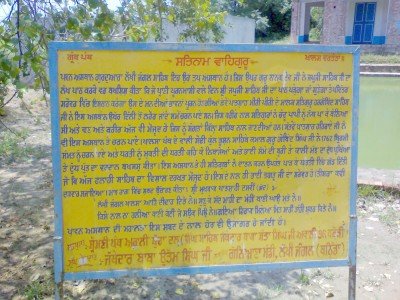
Dhobhi Bazaar
Some quick example text to build on the card title and make up the bulk of the card's content.
Go somewhere
Lakhi Jungle
Some quick example text to build on the card title and make up the bulk of the card's content.
Go somewhere
Lala Siri Ram Garg Clock Tower
Some quick example text to build on the card title and make up the bulk of the card's content.
Go somewhere
Mazaar of Peer Haji Rattan
Some quick example text to build on the card title and make up the bulk of the card's content.
Go somewhere
Nanaksar Sarover
Some quick example text to build on the card title and make up the bulk of the card's content.
Go somewhere
Qila Mubarak
Some quick example text to build on the card title and make up the bulk of the card's content.
Go somewhere
Quila Phul
Some quick example text to build on the card title and make up the bulk of the card's content.
Go somewhere
Rani Mahal
Some quick example text to build on the card title and make up the bulk of the card's content.
Go somewhere
Rose Garden, Bathinda
Some quick example text to build on the card title and make up the bulk of the card's content.
Go somewherein Other Cities