Nahan Fort
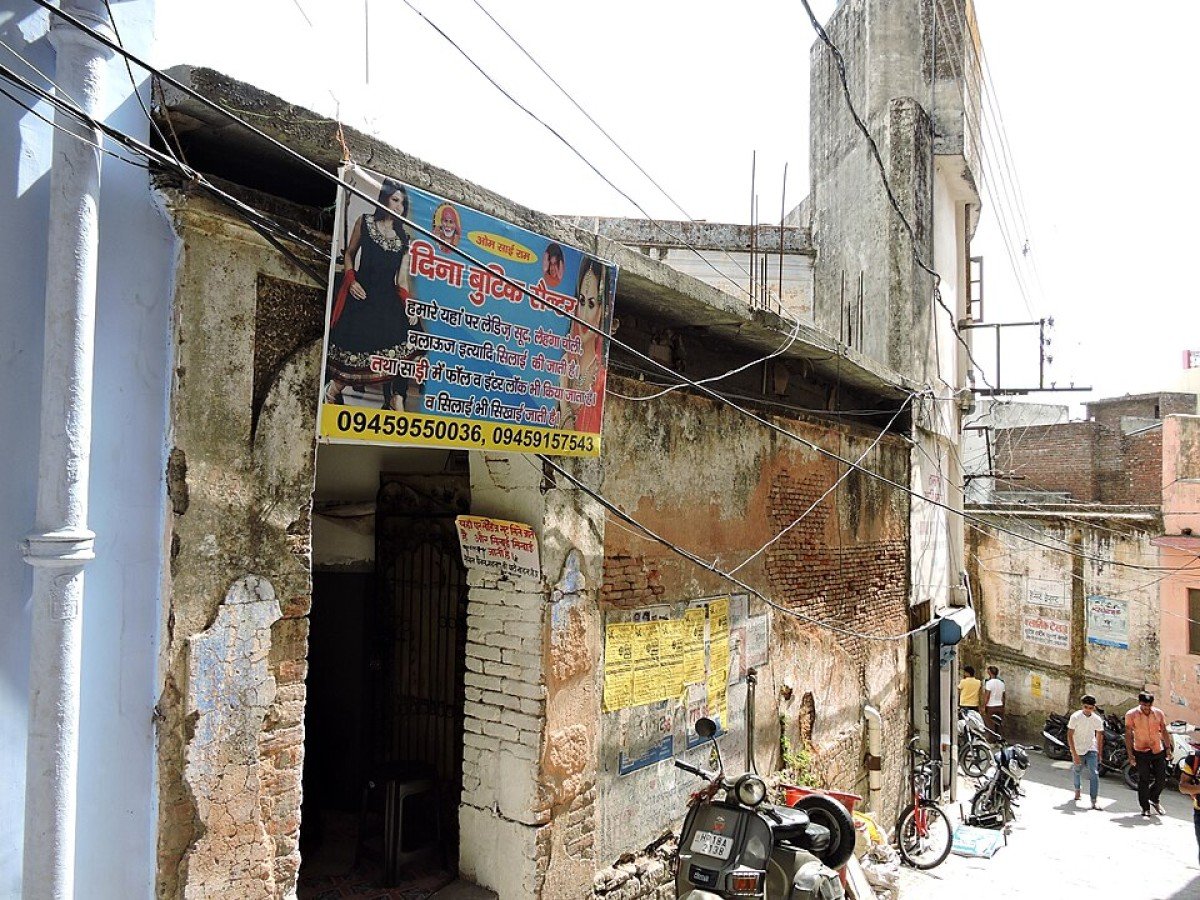
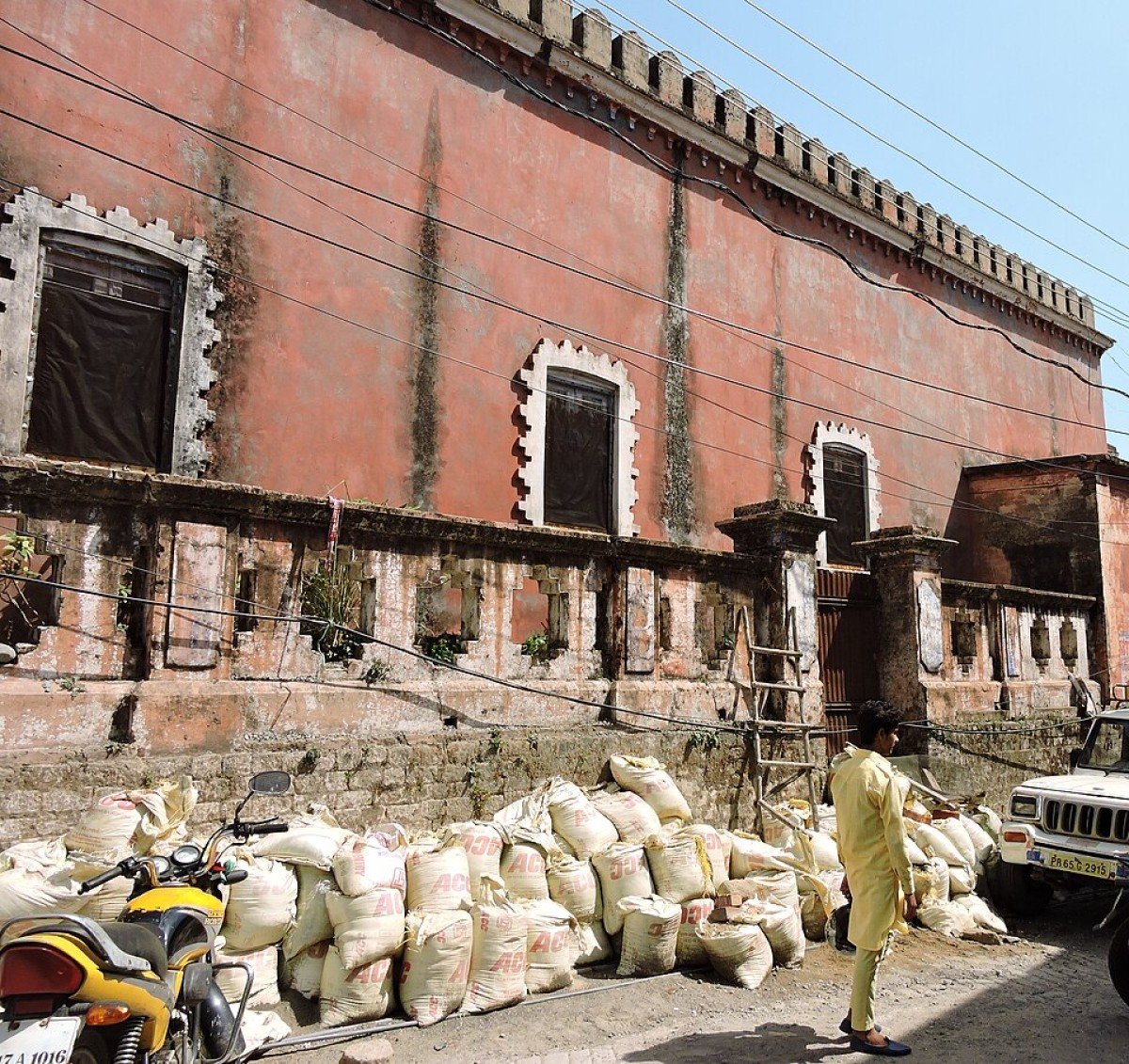
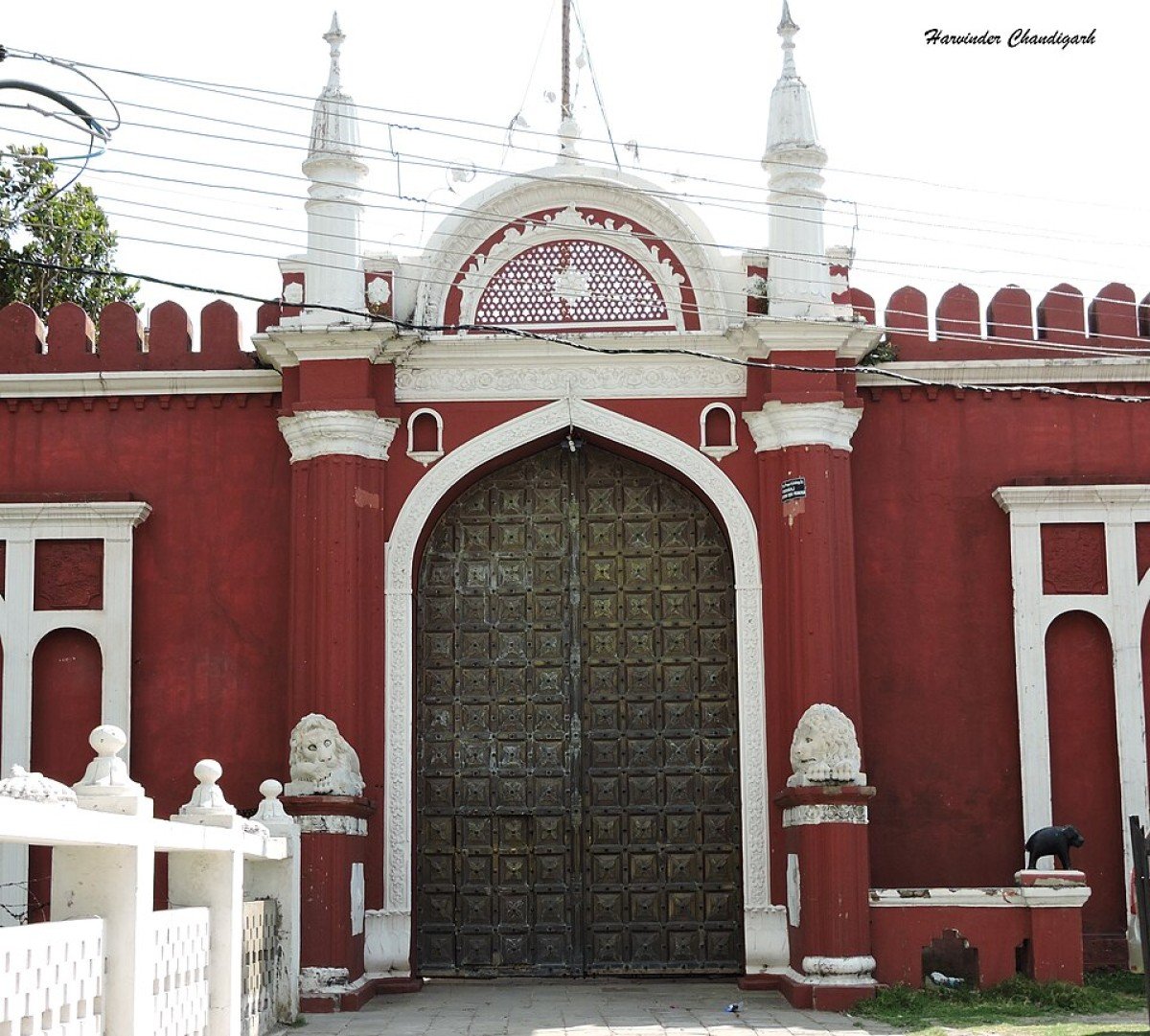
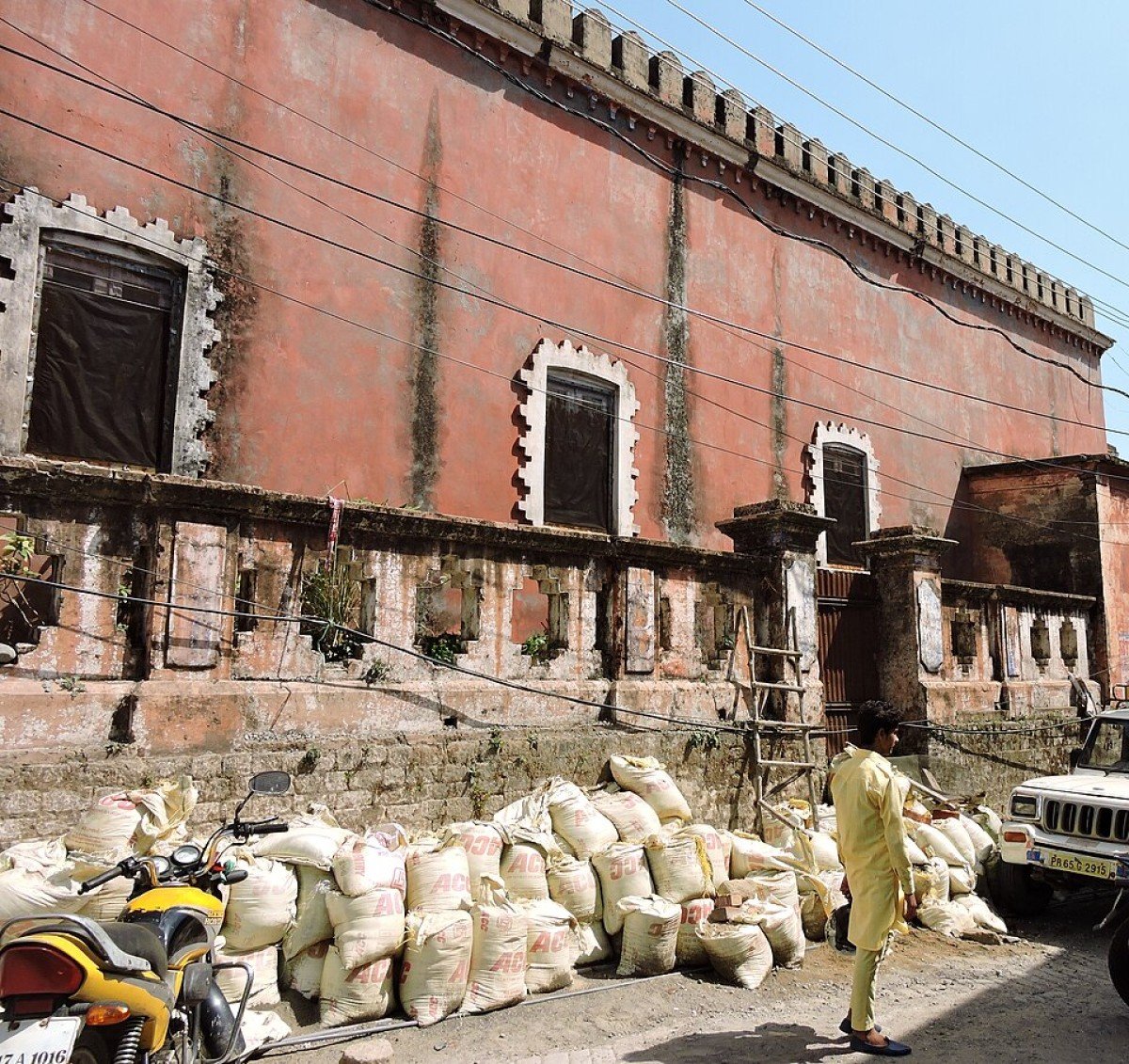
History and Significance: The original Nahan Fort was established when Raja Karam Parkash founded the town of Nahan in 1621 AD, serving as the seat of the Sirmaur Kingdom. It was strategically located atop the ridge. This original fort and palace complex was largely destroyed in the early 19th centu ry. The material from the destroyed fort was later used by Gurkha leader Ranjor Singh Thapa to construct the formidable Jaitak Fort, about 25 km away, following his attack on Nahan in 1810. Although much of the original structure is in ruins or was converted into the later Nahan Palace (Ranzor Palace), the site still holds immense historical value, representing the tumultuous period of the Gurkha War and the subsequent shift in the royal residence. It offers a glimpse into the defensive needs and planning of the former capital city, providing a physical link to Nahan's founding. The area around the original fort site and the existing palace still retains an old-world charm. Visitors often explore the remains and the adjacent Ranzor Palace (now a heritage property) to understand the full history of the Sirmaur rulers. The surviving complex, including parts of the royal residence and temples built over time, is a crucial landmark in the city. The entire complex's history is a blend of royal power, strategic warfare, and reconstruction over four centuries. Nahan Fort (or its remaining site/surrounding area) is crucial for understanding the historical evolution of Nahan from a fortified capital to a modern district headquarter.Historical Legacy: A silent witness to the rise and fall of the Sirmaur state.Strategic Location: Perched on a ridge to command views of the surrounding Shivalik Hills.Foundation Story: Linked directly to the founding of Nahan by the ruling king in the 17th century.
General information
-
Ideal Duration:
1. 5 - 2 HoursPlace Type:
Heritage and Historical Monument: Fort and RoyalEntry Fees:
General Area Access: The area where the original fort stood and the current palace complex is located generally has No Formal Entry Fee for simply viewing the exterior or the public areas. Free Entry is common.
Ranzor Palace (Heritage Hotel):General Area Access: The area where the original fort stood and the current palace complex is located generally has No Formal Entry Fee for simply viewing the exterior or the public areas. Free Entry is common.
Ranzor Palace (Heritage Hotel): If the adjacent Ranzor Palace (also known as Nahan Palace) is visited, there is No Entry Fee to view the exterior or public grounds. However, any special guided tours, historical exhibits, or activities inside the heritage hotel part will have separate, specific charges. Expect fees for any consumption, accommodation, or guided heritage tours, which can be around Rs.50 to Rs.500 depending on the service.
Parking and Camera Fees: There are typically No Separate Camera Fees for the exterior of the ruins or public grounds. Parking near the old town area may involve a small local authority charge of Rs.20 to Rs.50 per vehicle. Tourists should carry small change for such local expenses.
Maintenance Donations: Although not mandatory, small voluntary donations for the maintenance of any small local temples within the complex are welcomed, usually in the range of Rs.10 to Rs.50.Timing:
Regular Timings: The site of the old fort ruins and the surrounding public areas are generally Open 24 Hours for viewing, but it is best and safest to visit between 8:00 AM to 6:00 PM. The area is public and centrally located.
Ideal Visit Time:<...Regular Timings: The site of the old fort ruins and the surrounding public areas are generally Open 24 Hours for viewing, but it is best and safest to visit between 8:00 AM to 6:00 PM. The area is public and centrally located.
Ideal Visit Time: The best time to visit is during the early morning (7:00 AM to 9:00 AM) for a peaceful walk, cooler air, and excellent photography of the fort ruins and the palace exterior against the soft light. Late afternoon (4:00 PM to 6:00 PM) is also recommended for sunset views and pleasant weather, especially during the summer months (March to June). Avoid the harsh sunlight hours of noon.Special Events:
Sirmaur Foundation Day: Although the exact fort is in ruins, the city of Nahan celebrates its founding in 1621 AD, and the fort area often features cultural events or historical talks around this time, celebrating the Sirmaur legacy.
Local Herita...Sirmaur Foundation Day: Although the exact fort is in ruins, the city of Nahan celebrates its founding in 1621 AD, and the fort area often features cultural events or historical talks around this time, celebrating the Sirmaur legacy.
Local Heritage Festivals: Sometimes, smaller local festivals or heritage walks are organized by local bodies during the winter months (November-February) to educate people about the site's history, often including storytelling sessions about the Gurkha conflict.
Navratra Celebrations: The nearby temples, historically associated with the royal family's religious practices, hold special prayers and gatherings during the Navratra periods (March/April and September/October), drawing local devotees to the fort's vicinity.Best Photo Spots:
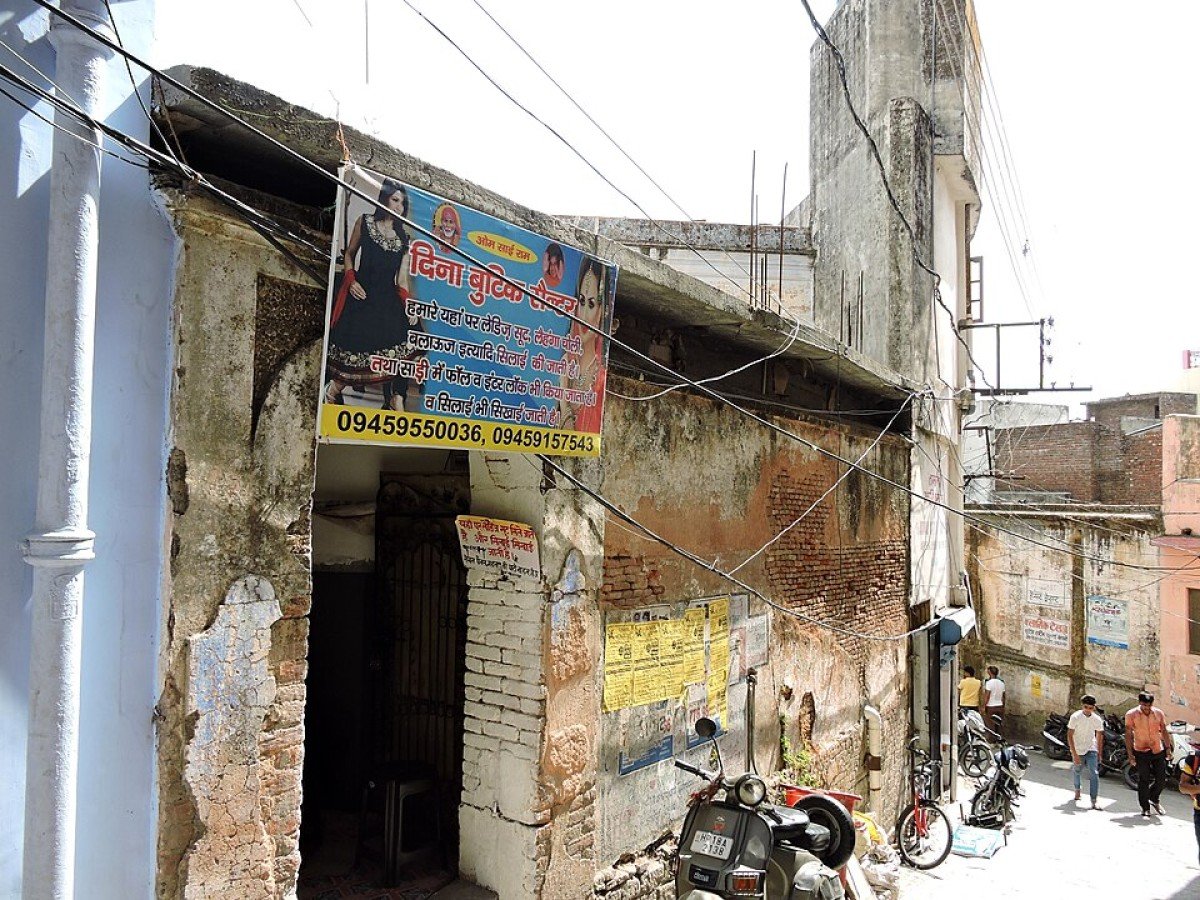
Fort Wall Remnants: The oldest, most rugged stone sections of the surviving fort walls, especially those with visible layers of damage or repair, offer a powerful sense of history. Focus on the texture and ruggedness.
Viewpoint from the Ridge:Fort Wall Remnants: The oldest, most rugged stone sections of the surviving fort walls, especially those with visible layers of damage or repair, offer a powerful sense of history. Focus on the texture and ruggedness.
Viewpoint from the Ridge: Any clear spot on the ridge line near the fort or the palace that offers a panoramic view of Nahan town and the surrounding Shivalik range, especially at sunrise or sunset. These capture the strategic value of the location.
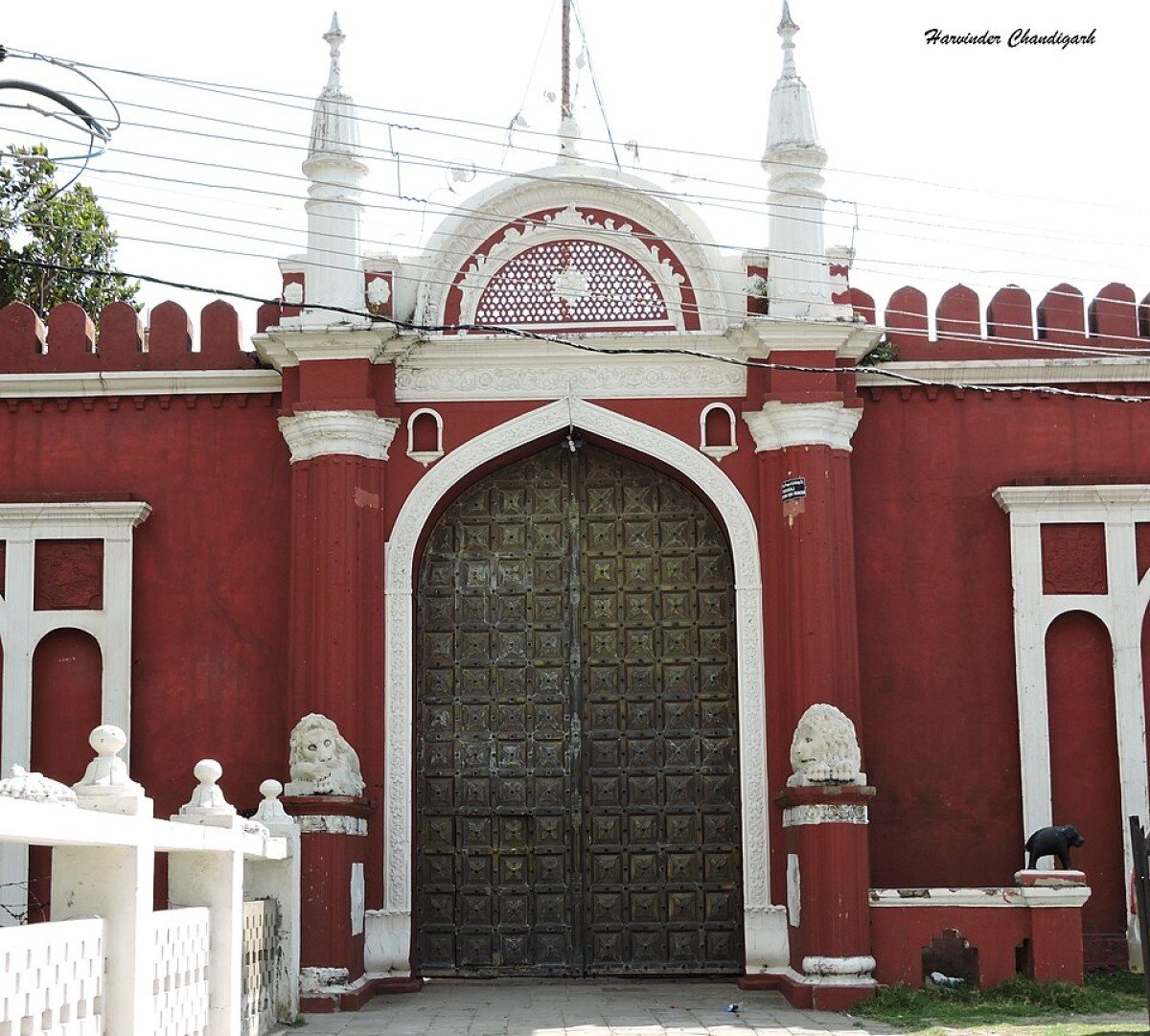
The Palace-Fort Contrast: A wide-angle shot that captures both the ruined fort remains (if accessible) and a clear view of the adjacent, more modern Ranzor Palace (Nahan Palace), visually narrating the timeline of the Sirmaur dynasty.
Ancient Doorways and Arches: Any surviving, original, stone archways or partially collapsed doorways that frame the scenic view are excellent for dramatic, historical photographs.
The King's Bagh (Garden): If there is a well-maintained garden or a quiet corner in the adjacent palace complex, use its serene, manicured nature as a contrast to the rugged ruins of the fort.Photo Gallery
Things To Do
-
Historical Walk and Exploration: Spend time walking around the perimeter of the existing structures near the palace site to visualize the former fortress and its strategic position atop the ridge. This mental reconstruction is a key activity here, demanding deep historical thought.
Photography of Ruins and Walls: Focus on capturing the texture of the old stone and mortar, contrasting the rugged fort remnants with the refined surfaces of the later Ranzor Palace or nearby structures to create a photographic narrative of time and destruction.
Ranzor Palace Visit: Since the original fort is mostly gone, visiting the adjacent and related Ranzor Palace (now a heritage hotel) is an essential complementary activity. You can explore its public areas, such as the garden or a cafe, to get a sense of the r...Historical Walk and Exploration: Spend time walking around the perimeter of the existing structures near the palace site to visualize the former fortress and its strategic position atop the ridge. This mental reconstruction is a key activity here, demanding deep historical thought.
Photography of Ruins and Walls: Focus on capturing the texture of the old stone and mortar, contrasting the rugged fort remnants with the refined surfaces of the later Ranzor Palace or nearby structures to create a photographic narrative of time and destruction.
Ranzor Palace Visit: Since the original fort is mostly gone, visiting the adjacent and related Ranzor Palace (now a heritage hotel) is an essential complementary activity. You can explore its public areas, such as the garden or a cafe, to get a sense of the royal family's life in the later centuries, noting the Indo-European architectural elements like spacious halls and intricate woodwork. You can try to learn about the royal family's current activities.
Archaeological Observation: Engage in passive observation of the site. Look for any exposed artifacts or remnants that may hint at the fort's past life. Look at the stones and try to identify which ones might have been recycled from the original structure.
Local Temple Visits: The fort area and the palace complex often contain small, historical temples (like remnants of the original Ambika Devi Temple or the nearby Shitlamata Temple mentioned in other forts but relevant to the local royal history). Seek out and visit these sacred spots for a spiritual and historical connection.
Meditation and Reflection: Sit quietly and reflect on the major historical battles (like the Gurkha War) that took place around this region, considering the fort's role as a major strategic point. Use the quiet surroundings for contemplation on the transience of power.
Information
-
Why Famous:
Royal Seat and Founding History: It is famous as the original site of the capital and Nahan Fort founded by Raja Karam Parkash in 1621 AD. It represents the historical and political heart of the erstwhile Sirmaur state before the capital was shifted or destroyed. The link ...Royal Seat and Founding History: It is famous as the original site of the capital and Nahan Fort founded by Raja Karam Parkash in 1621 AD. It represents the historical and political heart of the erstwhile Sirmaur state before the capital was shifted or destroyed. The link to the Gurkha War and the subsequent construction of Jaitak Fort using its materials makes it a unique point of historical reference in the region's military past. Its close proximity to the modern Ranzor Palace highlights the continuity of royal history.
Architectural Transition: The site showcases the blend of ancient Himachali fort design (in its ruinous state) and the subsequent Colonial-era architecture found in the later royal buildings erected in its vicinity. This transition itself is a draw for history and architecture enthusiasts. -
Architecture:
Architectural Style: The original fort likely featured traditional Pahari-style fortifications with local stone and lime mortar (Granite Stones and lime mortar), designed for defensive purposes against invaders. The surviving elements and the adjacent later structures, like...Architectural Style: The original fort likely featured traditional Pahari-style fortifications with local stone and lime mortar (Granite Stones and lime mortar), designed for defensive purposes against invaders. The surviving elements and the adjacent later structures, like Ranzor Palace, showcase a transition toward Indo-European colonial architecture favored by the royalty in the 19th century.
Defensive Walls and Bastions: While the original fort walls are mostly gone or incorporated into other buildings, the strategic layout on the ridge highlights its defensive design. The walls would have been thick stone for protection against artillery.
Interiors and Dimensions: Specific original fort dimensions are not widely documented due to its destruction. However, the subsequent structures, like the Ranzor Palace, exhibit grand, spacious halls, high ceilings, and intricate woodwork, reflecting a fusion of Indian and European sensibilities, suggesting the complex was substantial in size to serve as a royal residence and administrative center. -
How To Reach:
By Air: The nearest major airport is Chandigarh International Airport (IXC), approximately 100 KMS away. From IXC, you must hire a taxi (4-5 hours) or take a pre-booked cab directly to Nahan. The smaller Dehradun Airport (DED) is also an option, about 130 KMS away.By Air: The nearest major airport is Chandigarh International Airport (IXC), approximately 100 KMS away. From IXC, you must hire a taxi (4-5 hours) or take a pre-booked cab directly to Nahan. The smaller Dehradun Airport (DED) is also an option, about 130 KMS away.
By Train: The nearest major railway station is Ambala Cantonment (UMB), about 85-90 KMS away, or Kalka (KLK), about 80 KMS away. Ambala is better connected to major Indian cities. From these stations, you can hire a private taxi directly to Nahan or take a local bus. The journey takes about 3-4 hours by road.
By Road: Nahan is well-connected by road to major cities. Regular state-run and private buses (HRTC and others) run from Chandigarh, Delhi, and Dehradun. The drive from Delhi is about 6-7 hours (250 KMS). The fort site is centrally located and easily accessible once in Nahan.
By Local Transport: Within Nahan, the fort site/palace area is walking distance from the main market (Bada Bazar). For short distances, local auto-rickshaws or cycle-rickshaws are readily available. -
Weather and Best Time to Visit:
Different Seasons: Winter (October to February) is an excellent time with cool and pleasant weather (5°C to 20°C), perfect for long walks and exploration. Summer (March to June) is also pleasant compared to the plains (20°C to 30°C), ideal for sightseeing, but midday ca...Different Seasons: Winter (October to February) is an excellent time with cool and pleasant weather (5°C to 20°C), perfect for long walks and exploration. Summer (March to June) is also pleasant compared to the plains (20°C to 30°C), ideal for sightseeing, but midday can be hot. Monsoon (July to September) brings lush greenery but can make walking on the ruins slippery and restrict views.
Different Parts of the Day: Early Morning is best for photography and historical walks, offering solitude and a mystical atmosphere over the old town. Late Afternoon provides the most comfortable temperatures for a leisurely visit and the golden light enhances the stone structures. Avoid 11 AM to 3 PM during summers. -
Near Tourist Places:
Ranzor Palace (0. 1 KM), Pakka Tank (0. 8 KM), Rani Tal (1 KM), Chaugan (0. 7 KM), Bada Bazar (0. 5 KM), Villa Round Walk Start (1. 5 KM), Jagannath Temple (2 KM), Military Round Walk (2. 5 KM), Suketi Fossil Park (20 KM), Jaitak Fort (25 KM).
Tourism Tips
-
Health & Safety: Wear comfortable, sturdy shoes for walking around the uneven fort ruins and palace grounds. Carry a basic First Aid kit. Be mindful of steps and broken stones in the older sections. Carry water.
Packing: Pack layers of clo...Health & Safety: Wear comfortable, sturdy shoes for walking around the uneven fort ruins and palace grounds. Carry a basic First Aid kit. Be mindful of steps and broken stones in the older sections. Carry water.
Packing: Pack layers of clothing, especially if visiting in winter or the evening, as the hill air can get chilly. Bring a good camera and a zoom lens for capturing architectural details and panoramic views. Carry sunscreen and a hat during the day.
Accommodation: Book a stay near the Bada Bazar or the Chaugan area for easy access. The Ranzor Palace itself is a premium heritage hotel option. Numerous mid-range and budget hotels are also available in Nahan town.
Other Topics: Respect the historical nature of the ruins and do not climb on fragile structures. Hire a local guide for the best historical context of the fort's destruction and reconstruction story. Support local businesses by eating at small eateries near the Bada Bazar.
Reviews
FAQs
Nahan Itineray And Cost:-
Other Places In Nahan :-
Other States In India :-
Information about New and Updated Locations() of Himachal Pradesh Has Been Added :-
Card subtitle
Note:-
Information provided here in good Faith and for reference only.
Near Places

Srovar Shiv Temple
Some quick example text to build on the card title and make up the bulk of the card's content.
Go somewhere
Suketi Fossil Park
Some quick example text to build on the card title and make up the bulk of the card's content.
Go somewhere
Trilokpur Temple
Some quick example text to build on the card title and make up the bulk of the card's content.
Go somewhere
Villa Round Walk
Some quick example text to build on the card title and make up the bulk of the card's content.
Go somewhere
Y S Parmar Birth Place
Some quick example text to build on the card title and make up the bulk of the card's content.
Go somewherein Other Cities