Neelkanth Mahadev Temple
General information
-
Ideal Duration:
2-3 Hours (excluding travel time)Place Type:
Religious, Pilgrimage, TempleEntry Fees:
Nominal Temple Entry/Vehicle Fee: There is generally no entry fee to enter the temple for Darshan. However, since the temple is located on a hilltop away from the main town, vehicles (taxis, scooters) may be charged a nominal environmental fee or toll to pass through the fo...Nominal Temple Entry/Vehicle Fee: There is generally no entry fee to enter the temple for Darshan. However, since the temple is located on a hilltop away from the main town, vehicles (taxis, scooters) may be charged a nominal environmental fee or toll to pass through the forest/checkpoints on the way up, which is usually a small amount (e. g. , INR 50 to INR 100 per vehicle). This revenue often supports local infrastructure.
Donation and Offerings: Pilgrims are expected to purchase offerings like flowers, milk, Bael leaves, and Prasad (sweets) from shops outside the temple before entering. While voluntary, a small cash donation for the temple maintenance is encouraged. Beware of touts; all donations should be made directly into the designated temple Hundi (collection box). The cost of puja materials is typically low (INR 50 to INR 200).
:Timing:
Regular Timings: The temple is open daily from approximately 6:00 AM to 8:00 PM. However, Aarti and Puja times can vary slightly seasonally. It is best to visit after sunrise and before sunset.
Ideal Visit Time: The best time to visit is e...Regular Timings: The temple is open daily from approximately 6:00 AM to 8:00 PM. However, Aarti and Puja times can vary slightly seasonally. It is best to visit after sunrise and before sunset.
Ideal Visit Time: The best time to visit is early morning, between 7:00 AM and 10:00 AM, to avoid the crowds that build up later in the day, especially during peak season. An early visit also ensures the air is cool for the mountain journey. Avoid visiting in the afternoon heat. During major festivals like Maha Shivratri, the temple remains open for extended hours, but the queues are extremely long.
Closed Hours: The temple may close for a short period in the early afternoon (e. g. , 1:00 PM to 2:00 PM) for offering Bhog (food to the deity). Always confirm locally before starting the journey.
:Special Events:
Maha Shivratri Festival: This is the temple’s grandest celebration, held annually in late February or early March. It draws the largest crowd of the year. The night is spent in prayer, fasting, and devotional activities.
Shravan Month Shivra...Maha Shivratri Festival: This is the temple’s grandest celebration, held annually in late February or early March. It draws the largest crowd of the year. The night is spent in prayer, fasting, and devotional activities.
Shravan Month Shivratri Fair (Kanwar Yatra): Throughout the Hindu month of Shravan (July-August), a massive fair is held, corresponding with the Kanwar Yatra. The temple is flooded with Kanwariyas who have walked long distances. The energy is intense and extremely devotional.
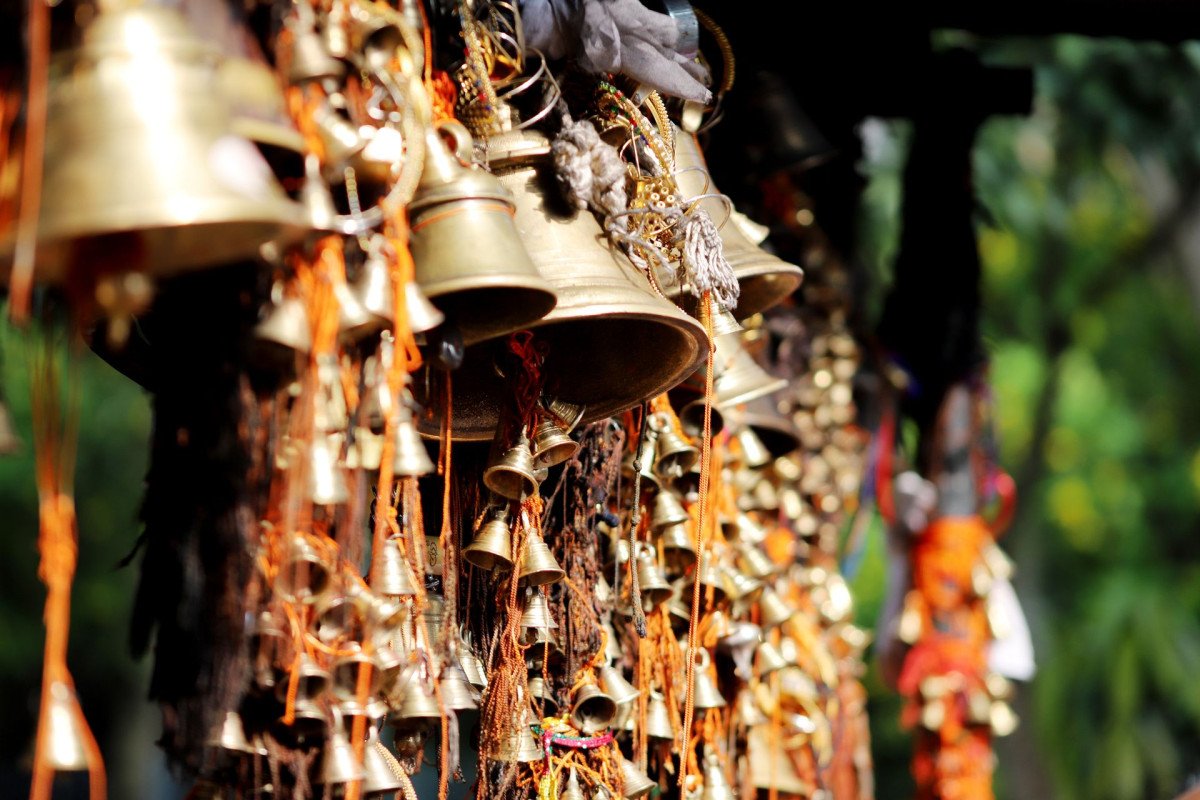
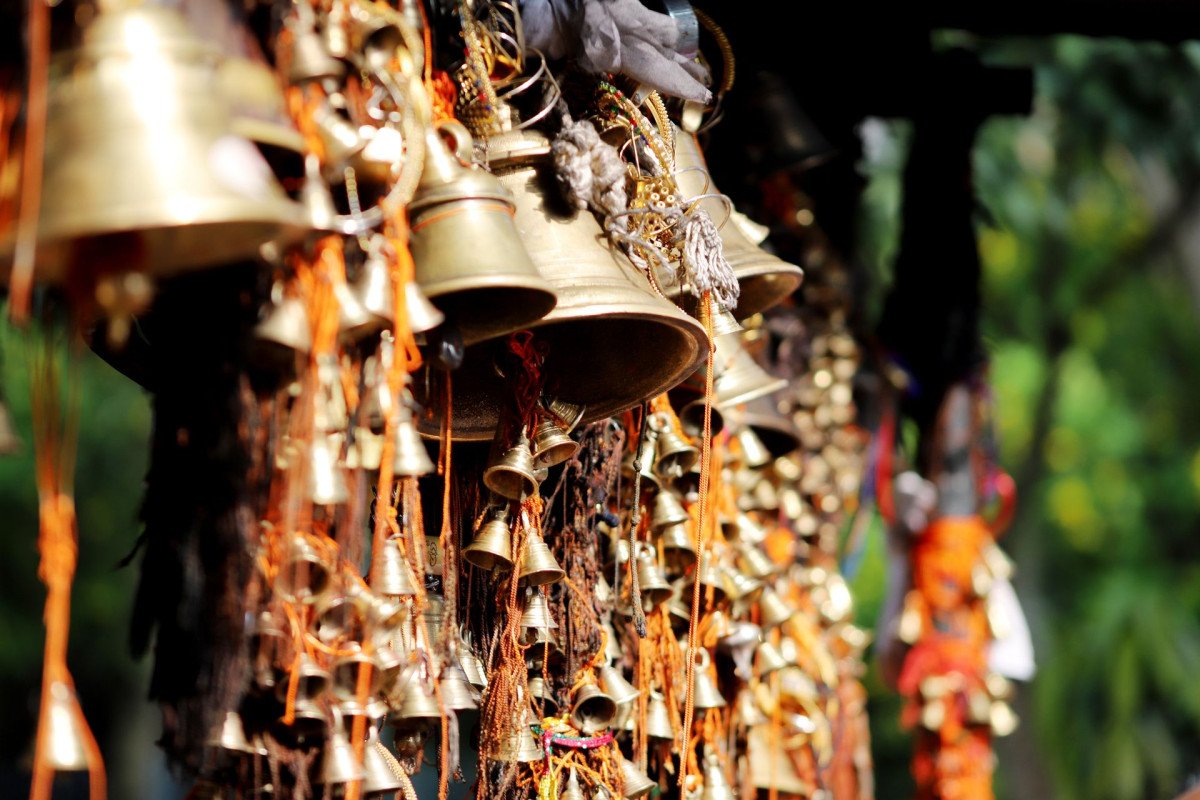
Daily Aarti Rituals: Regular morning and evening Aarti ceremonies are performed, filling the temple with the sound of bells, conch shells, and bhajans (devotional songs). These are a daily focus of the community.
:Best Photo Spots:
Panoramic Valley View from the Top: Before or after entering the main temple, find a vantage point to capture the stunning, wide-angle views of the surrounding Brahmakoot, Manikoot, and Vishnukoot valleys, characterized by dense Himalayan forests. The perspective from the h...Panoramic Valley View from the Top: Before or after entering the main temple, find a vantage point to capture the stunning, wide-angle views of the surrounding Brahmakoot, Manikoot, and Vishnukoot valleys, characterized by dense Himalayan forests. The perspective from the hill is majestic.
The Colourful Temple Facade: The temple itself, with its vibrant colours and elaborate sculptures of Gods and Asuras depicting the Samudra Manthan, provides a unique and detailed subject for photography. Focus on the intricate carvings on the Shikhara against the clear mountain sky.
Pilgrims and Rituals: Capturing the devotion of the pilgrims, especially the Kanwariyas during Shravan or the devotees performing Abhishekam on the Shivlinga, can result in powerful, authentic cultural and spiritual photography. Focus on the emotion and the ritualistic elements (like the Bael leaves and milk offerings).
The Holy Kund and Natural Spring: The sacred water body on the premises, especially when capturing the reflections of the temple or the natural flow of the spring water, makes for serene, evocative shots.
(Approx ) :Photo Gallery
Things To Do
-
Offer Puja and Seek Blessings: Perform the traditional Abhishekam to the Shivlinga by offering Bael leaves, flowers, milk, water, and honey, as is customary. This is the main ritualistic activity for devotees. Hiring a local priest to perform a special puja can deepen the experience.
Take a Holy Dip at the Natural Spring: Before entering the temple, take a cleansing bath in the natural spring (Kund) located within the temple complex. It is believed that a dip in this holy water purifies the soul and body, making one ready for the Darshan of Lord Shiva.
Enjoy the Scenic Drive/Trek: For nature lovers, the long journey to the temple is an activity in itself. If driving, take time to stop at various viewpoints along the winding mountain road to capture the lush forest and valley vistas. If trekk...Offer Puja and Seek Blessings: Perform the traditional Abhishekam to the Shivlinga by offering Bael leaves, flowers, milk, water, and honey, as is customary. This is the main ritualistic activity for devotees. Hiring a local priest to perform a special puja can deepen the experience.
Take a Holy Dip at the Natural Spring: Before entering the temple, take a cleansing bath in the natural spring (Kund) located within the temple complex. It is believed that a dip in this holy water purifies the soul and body, making one ready for the Darshan of Lord Shiva.
Enjoy the Scenic Drive/Trek: For nature lovers, the long journey to the temple is an activity in itself. If driving, take time to stop at various viewpoints along the winding mountain road to capture the lush forest and valley vistas. If trekking, fully immerse yourself in the natural solitude of the forest trail from Ram Jhula (ensure you hire a guide or travel in a group).
Meditate in the Peaceful Surroundings: Despite the crowds, find a quiet corner on the temple premises or a scenic spot slightly away from the main complex to sit in silence. The mountain air and the spiritual energy from the continuous chanting make it an ideal location for contemplation and connecting with nature.
Explore the Temple’s Architecture: Spend time observing the colourful and intricate carvings on the temple's Shikhara and entrance, especially the detailed depiction of the Samudra Manthan story, which is the cornerstone of the temple's identity.
Participate in Temple Kirtans: During festivals and specific prayer times, the temple hosts Kirtans (devotional singing) and Aarti. Participating in these musical prayers is an uplifting, community-based spiritual experience.
Visit Local Eateries: The immediate area near the temple has small local eateries and shops where you can sample simple, holy-town-style vegetarian food and buy religious souvenirs.
:
Information
-
Why Famous:
Site of the Samudra Manthan Legend: Its foremost fame stems from the powerful Hindu mythology that identifies this spot as where Lord Shiva consumed the Halahala poison during the churning of the ocean, a pivotal cosmic event. This makes it an incredibly important Jyotirlin...Site of the Samudra Manthan Legend: Its foremost fame stems from the powerful Hindu mythology that identifies this spot as where Lord Shiva consumed the Halahala poison during the churning of the ocean, a pivotal cosmic event. This makes it an incredibly important Jyotirlinga (though not one of the 12 primary ones, it holds equivalent sanctity for many). Major Pilgrimage During Shravan and Maha Shivratri: The temple becomes a massive pilgrimage centre, especially during the Hindu holy month of Shravan (July-August) and the festival of Maha Shivratri (February-March). During Shravan, tens of thousands of Kanwariyas trek barefoot from Haridwar or Rishikesh, carrying holy water from the Ganga to offer to the Shivlinga, a sight of immense devotion.
A Scenic and High-Altitude Location: Located at 1,330 meters, its natural setting amidst the dense forests and hills of the Shivalik range provides stunning, peaceful views, attracting not only pilgrims but also nature lovers and trekkers. The combination of spirituality and natural beauty is a major draw.
: -
Architecture:
Architectural Style and Symbolic Carvings: The Neelkanth Mahadev Temple exhibits a vibrant and colourful architectural style, primarily drawing influence from North Indian temple designs, but with unique, vivid mythological depictions.
Gopura an...Architectural Style and Symbolic Carvings: The Neelkanth Mahadev Temple exhibits a vibrant and colourful architectural style, primarily drawing influence from North Indian temple designs, but with unique, vivid mythological depictions.
Gopura and Shikhara Sculptures: The Shikhara (the temple spire or tower) is adorned with intricate sculptures of various Devas and Asuras, vividly illustrating the entire episode of the Samudra Manthan. Above the entrance door, a prominent scene is depicted showing the Gods and Demons churning the ocean, giving a visual narrative to the temple's legend. This use of illustrative sculpture on the exterior is a key feature.
Garbha Griha and Shivlinga: The inner sanctum (Garbha Griha) houses a revered Shivlinga (a representation of Lord Shiva), which is considered the presiding deity. Unlike plain stone, the Shivlinga here is often described as being in the shape of a throat, symbolizing where Shiva held the poison. The entire complex is a testament to devotional art, with walls covered in detailed friezes telling the story of the Manthan. The temple complex also includes a natural spring where devotees take a cleansing bath.
: -
How To Reach:
By Air: The nearest airport is Jolly Grant Airport (DED) in Dehradun, approximately 49 KMS away. From the airport, hire a direct taxi to the temple, which will take about 1. 5 to 2 hours due to the winding mountain road.
By Train: The neare...By Air: The nearest airport is Jolly Grant Airport (DED) in Dehradun, approximately 49 KMS away. From the airport, hire a direct taxi to the temple, which will take about 1. 5 to 2 hours due to the winding mountain road.
By Train: The nearest major railway station is Rishikesh Railway Station (RKSH), about 32 KMS away from the temple. From the station, the most convenient way is to hire a private or shared taxi directly to the temple. The drive is scenic but requires careful navigation on the steep, winding roads.
By Road: Neelkanth Mahadev Temple is well-connected by a motorable road from Rishikesh. From key areas like Ram Jhula or Laxman Jhula, a taxi or shared local jeep/cab is the most common mode of transport. The distance is about 32 KMS, and the journey takes about 1. 5 hours. Be prepared for a slow drive, especially during the pilgrimage season, as the road is narrow and steep. The alternative is the spiritual trek.
By Local Transport (Trek): The dedicated trekking path from Ram Jhula is about 22 KMS long and goes through dense forest. This is a difficult, all-day trek best attempted by fit individuals with a local guide. It is a profoundly rewarding, authentic pilgrim experience, avoiding the busy road.
: -
Weather and Best Time to Visit:
Different Types of Seasons: The most ideal time to visit is during the post-monsoon months of September to November, when the weather is very pleasant, the skies are clear, and the surrounding forests are lush green. Spring (March-April) is also very good. Avoid the heavy ...Different Types of Seasons: The most ideal time to visit is during the post-monsoon months of September to November, when the weather is very pleasant, the skies are clear, and the surrounding forests are lush green. Spring (March-April) is also very good. Avoid the heavy Monsoon (July-August) when landslides can make the road dangerous, and the peak of Summer (May-June) when the heat can be intense. Winter (December-February) is very cold, requiring heavy woollens, but the crowd is minimal.
Different Parts of the Day: Morning is significantly better than the afternoon. Start from Rishikesh early (by 7:00 AM) to reach the temple before the midday sun and the main rush of pilgrims. This allows for peaceful Darshan and a safe return journey before dark. The temple site becomes quiet and foggy after sunset, making travel hazardous.
: -
Near Tourist Places:
Ram Jhula (32 KM)Laxman Jhula (30 KM)Parmarth Niketan Ashram (34 KM)Patna Waterfall (7 KM)Phool Chatti Ashram (5 KM)Neer Garh Waterfall (25 KM)Vashishta Cave (45 KM)Rajaji National Park (Boundary nearby)Swarg Ashram (33 KM)Kunjapuri Devi Temple (45 KM)
Tourism Tips
-
Health & Safety: The road to the temple is mountainous, steep, and narrow; if driving, do so cautiously. During the Shravan month, the road is crowded with walking pilgrims (Kanwariyas); drive extremely slowly and respect their journey. Wear comfortable walking shoes, as...Health & Safety: The road to the temple is mountainous, steep, and narrow; if driving, do so cautiously. During the Shravan month, the road is crowded with walking pilgrims (Kanwariyas); drive extremely slowly and respect their journey. Wear comfortable walking shoes, as there is a final climb of a few steps to the temple. Be wary of wild monkeys in the area. Carry water and snacks for the journey.
Packing: Due to the higher altitude, carry a light jacket or shawl even if you visit in the summer, as the temperature can drop unexpectedly. Pack modest clothing that covers shoulders and legs, suitable for a highly religious site. Carry a camera for the stunning views.
Accommodation: There is no accommodation at the temple itself. All accommodation must be booked in Rishikesh or Laxman Jhula. The trip is typically done as a half-day or full-day excursion from the town.
Other Different Topics:
Respect and Silence: Maintain respect for the temple's sanctity; photography inside the Garbha Griha (sanctum) is generally prohibited. The area is politically sensitive regarding environmental impact; carry back all your trash.
Local Transport: Agree upon the round-trip taxi fare beforehand, including waiting time, as finding a return taxi can be difficult.
:
Reviews
FAQs
Rishikesh Itineray And Cost:-
Neelkanth Mahadev Temple Tourism:-
Other Places In Rishikesh :-
Other States In India :-
Information about New and Updated Locations() of Uttarakhand Has Been Added :-
Card subtitle
Note:-
Information provided here in good Faith and for reference only.
Near Places

Bharat Mandir
Some quick example text to build on the card title and make up the bulk of the card's content.
Go somewhere
Bhootnath Temple
Some quick example text to build on the card title and make up the bulk of the card's content.
Go somewhere
Garud Chatti Waterfall
Some quick example text to build on the card title and make up the bulk of the card's content.
Go somewhere
Geeta Bhawan Rishikesh
Some quick example text to build on the card title and make up the bulk of the card's content.
Go somewhere
Janki Setu
Some quick example text to build on the card title and make up the bulk of the card's content.
Go somewhere
Jumpin Heights
Some quick example text to build on the card title and make up the bulk of the card's content.
Go somewhere
Kunjapuri Devi Temple
Some quick example text to build on the card title and make up the bulk of the card's content.
Go somewhere
Lakshman Jhula
Some quick example text to build on the card title and make up the bulk of the card's content.
Go somewhere
Lakshman Temple
Some quick example text to build on the card title and make up the bulk of the card's content.
Go somewhere
Muni Ki Reti
Some quick example text to build on the card title and make up the bulk of the card's content.
Go somewhere
Neelkanth Mahadev Temple
Some quick example text to build on the card title and make up the bulk of the card's content.
Go somewhere
Neer Garh Waterfall
Some quick example text to build on the card title and make up the bulk of the card's content.
Go somewhere
Osho Ganga Ashram
Some quick example text to build on the card title and make up the bulk of the card's content.
Go somewhere
Parmarth Niketan Ashram
Some quick example text to build on the card title and make up the bulk of the card's content.
Go somewhere
Patna Waterfall
Some quick example text to build on the card title and make up the bulk of the card's content.
Go somewhere
Phool Chatti Ashram
Some quick example text to build on the card title and make up the bulk of the card's content.
Go somewherein Other Cities