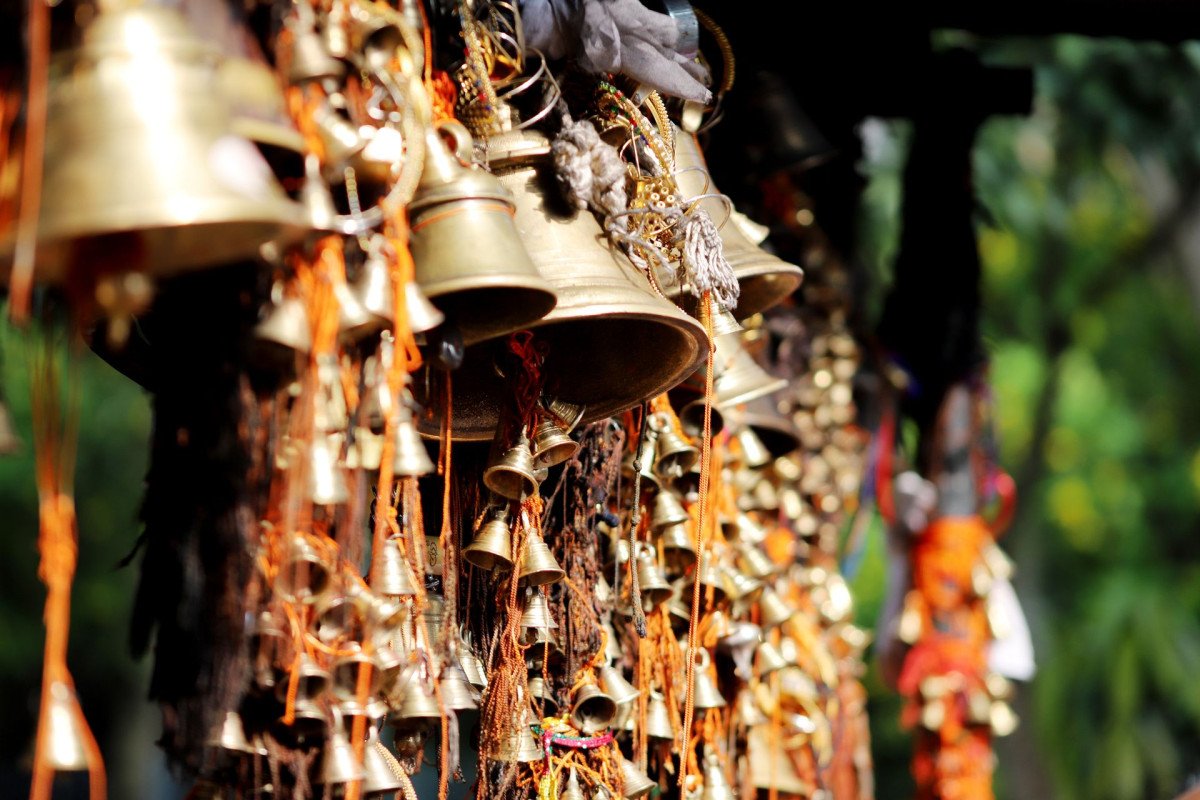
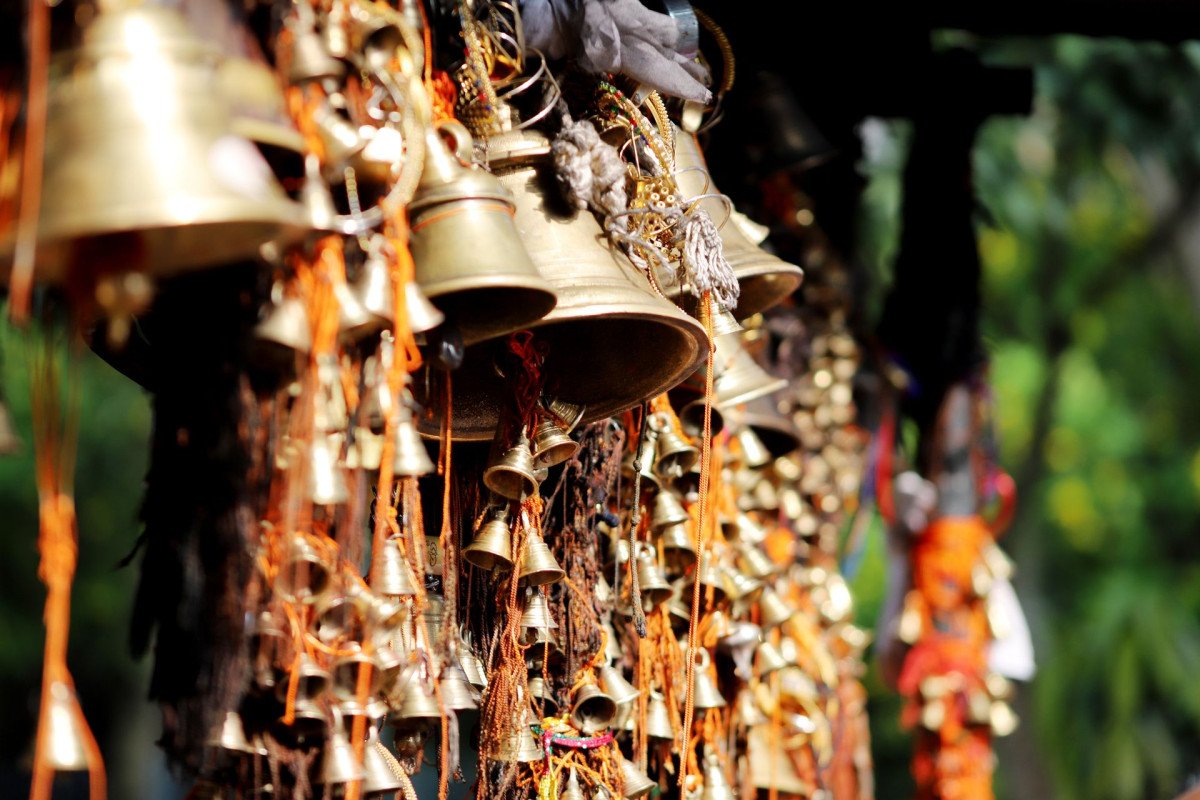
Raghunath Temple
General information
-
Ideal Duration:
1-2 HoursPlace Type:
Religious, Temple, PilgrimageEntry Fees:
No Entry Fee: There is generally no entry fee to visit the Raghunath Temple. Access to the temple is free for all devotees and visitors, aligning with the inclusive nature of Hindu places of worship.
Donations and Offerings: Visitors are we...No Entry Fee: There is generally no entry fee to visit the Raghunath Temple. Access to the temple is free for all devotees and visitors, aligning with the inclusive nature of Hindu places of worship.
Donations and Offerings: Visitors are welcome to purchase religious offerings (flowers, Prasad) from the local vendors outside (typically INR 20 to INR 100) and offer a voluntary cash donation to the temple Hundi (collection box). These donations are used for temple maintenance and religious ceremonies.
Guide/Priest Fees: If you wish for a special Puja or a detailed explanation of the temple's history and mythology from a priest, a small, voluntary fee or Dakshina is expected. Always clarify the payment beforehand.
:Timing:
Regular Timings: The temple is open daily from approximately 6:00 AM to 7:00 PM. The main Darshan (viewing of the deity) hours are usually continuous throughout the day, with a possible short break in the early afternoon for offering Bhog (food).
Read MoreRegular Timings: The temple is open daily from approximately 6:00 AM to 7:00 PM. The main Darshan (viewing of the deity) hours are usually continuous throughout the day, with a possible short break in the early afternoon for offering Bhog (food).
Ideal Visit Time: The best time is either the early morning (6:00 AM to 8:00 AM) for a quiet Darshan or the late afternoon (5:00 PM to 7:00 PM) to combine the visit with the spectacular evening Ganga Aarti at Triveni Ghat nearby. Avoid the main afternoon heat.
Ganga Aarti Timings: The Ganga Aarti at Triveni Ghat typically starts around sunset, which can be as early as 5:30 PM in Winter or as late as 7:00 PM in Summer. Plan to arrive at the Ghat at least 30 minutes before the start time for a good view.
:Special Events:
The Daily Evening Ganga Aarti: This is the most crucial, consistent special event, held every single evening at the adjoining Triveni Ghat. It involves a large crowd, synchronized rituals with fire and bells, and musical bhajans. The temple’s presence is central to this ...The Daily Evening Ganga Aarti: This is the most crucial, consistent special event, held every single evening at the adjoining Triveni Ghat. It involves a large crowd, synchronized rituals with fire and bells, and musical bhajans. The temple’s presence is central to this event's spiritual power.
Ram Navami Festival: The festival celebrating the birth of Lord Rama (March or April) is celebrated with immense devotion, special Puja ceremonies, Kirtans, and a large influx of Vaishnava pilgrims to the temple.
Deepotsav during Diwali: During Diwali (October-November), the temple and Triveni Ghat are spectacularly lit with thousands of traditional oil lamps (Diyas), creating a mesmerising Deepotsav (Festival of Lights) ceremony, drawing huge crowds.
:Best Photo Spots:
The Temple Shikhara from the Ghat: Frame the colourful Raghunath Temple's traditional Shikhara (tower) against the deep blue sky, especially at sunset, as the lights of the Triveni Ghat begin to flicker. This shot captures the temple's architectural prominence on the riverb...The Temple Shikhara from the Ghat: Frame the colourful Raghunath Temple's traditional Shikhara (tower) against the deep blue sky, especially at sunset, as the lights of the Triveni Ghat begin to flicker. This shot captures the temple's architectural prominence on the riverbank.
The Ramayana Carvings Close-up: Use a macro lens or frame a tight shot of the detailed and intricate stone carvings on the temple's exterior walls, focusing on the artistry and the mythological narrative of the Ramayana story.
Ganga Aarti Reflection: Capture the reflection of the large fire lamps (Aarti Diya) and the devotional atmosphere in the flowing water of the Ganga at the moment the ritual is performed. This requires a stable camera on the lower steps of Triveni Ghat.
The Shrine of Lord Surya: The dedicated shrine to Lord Surya (the Sun God) is an excellent spot for a photo, particularly in the morning when the sun's first rays hit the deity.
(Approx ) :Photo Gallery
Things To Do
-
Attend the Ganga Aarti at Triveni Ghat: The primary activity is to combine your visit with the daily evening Ganga Aarti (ritual of light). Arrive at the temple and then secure a place on the nearby Triveni Ghat steps before the sunset. Experience the collective chanting, the ringing of the bells, and the sight of lamps floating on the Ganga.
Perform Darshan and Puja: Enter the main temple to have Darshan (sight of the deity) of Lord Rama and Sita. Offer simple prayers, flowers, or sweets. Spend time in the smaller shrines dedicated to other deities within the complex, such as the one for Lord Surya.
Ritual Bathing (Ganga Snan): Take a holy dip in the Ganga river at Triveni Ghat before entering the temple. It is a traditional belief that bathing at this mythical confluence washes away all si...Attend the Ganga Aarti at Triveni Ghat: The primary activity is to combine your visit with the daily evening Ganga Aarti (ritual of light). Arrive at the temple and then secure a place on the nearby Triveni Ghat steps before the sunset. Experience the collective chanting, the ringing of the bells, and the sight of lamps floating on the Ganga.
Perform Darshan and Puja: Enter the main temple to have Darshan (sight of the deity) of Lord Rama and Sita. Offer simple prayers, flowers, or sweets. Spend time in the smaller shrines dedicated to other deities within the complex, such as the one for Lord Surya.
Ritual Bathing (Ganga Snan): Take a holy dip in the Ganga river at Triveni Ghat before entering the temple. It is a traditional belief that bathing at this mythical confluence washes away all sins. Designated, supervised bathing areas are available on the Ghat.
Study the Ramayana Carvings: Spend time examining the intricate carvings on the exterior walls and pillars of the temple. These carvings are essentially a visual retelling of the Ramayana epic; trying to identify scenes from Rama's life is a rewarding cultural activity.
Meditate on the Ghat: Find a quiet spot on the Triveni Ghat steps or the nearby riverbank during the daytime for peaceful, silent contemplation. The sound of the flowing Ganga and the energy of the temple make it an ideal place for reflection.
Explore the Local Market: The area around the temple and Triveni Ghat is a bustling, traditional market selling religious items, souvenirs, Prasad, prayer beads, flowers, and local sweets. Shopping here provides a lively cultural experience.
Attend Morning Aarti: The temple also conducts a morning Aarti (usually around 6:30 AM), which is a quieter, less crowded, and equally devotional ritual, often preferred by serious pilgrims.
Charitable Donations (Daan): The area is frequented by Sadhus and beggars. Offering small, respectful donations (Daan) is a traditional part of the pilgrimage experience.
:
Information
-
Why Famous:
Proximity to Triveni Ghat and Ganga Aarti: The temple's most significant fame comes from its location directly adjacent to Triveni Ghat, the most sacred bathing spot in Rishikesh. It is the main religious centre for pilgrims attending the spectacular, daily evening Ganga Aa...Proximity to Triveni Ghat and Ganga Aarti: The temple's most significant fame comes from its location directly adjacent to Triveni Ghat, the most sacred bathing spot in Rishikesh. It is the main religious centre for pilgrims attending the spectacular, daily evening Ganga Aarti, which happens right outside its doors, making it a focal point of Rishikesh's spiritual life.
The Ancient Shrine of Lord Rama: It is revered as one of the oldest temples dedicated to Lord Rama and Sita in the region. For Vaishnavites (worshippers of Vishnu), it is an essential place of pilgrimage, representing a powerful link to the Ramayana epic and the royal lineage of Ayodhya.
Detailed Ramayana Carvings: The temple walls are famous for the beautiful and detailed carvings and illustrations of the Ramayana story, attracting visitors interested in Hindu mythology, art, and history. The visual narrative provides a rich cultural experience.
: -
Architecture:
Classic North Indian Temple Architecture: The Raghunath Temple features a traditional North Indian (Nagara) style of temple architecture, characterized by its curvilinear tower (Shikhara) that gracefully rises over the main sanctum (Garbha Griha).
Read MoreClassic North Indian Temple Architecture: The Raghunath Temple features a traditional North Indian (Nagara) style of temple architecture, characterized by its curvilinear tower (Shikhara) that gracefully rises over the main sanctum (Garbha Griha).
Carvings and Ramayana Depictions: The most notable architectural feature is the intricate and beautiful carvings that cover the temple walls and pillars. These carvings vividly illustrate scenes from the epic Hindu scripture, the Ramayana (the story of Lord Rama), providing a visual narrative of his life and exploits. The main sanctuary houses the idols of Lord Rama and Sita. The temple structure is generally made of stone and mortar, standing as a testament to medieval craftsmanship.
Inner Sanctum and Courtyard: The temple has a central shrine for Raghunath and smaller subsidiary shrines dedicated to other Hindu deities, including Lord Surya (the Sun God). The temple is typically built around a central courtyard, which acts as a gathering place for devotees. The complex is maintained with a small, pleasant garden area, adding a touch of natural beauty to the devotional space. The overall design emphasizes religious iconography and narrative art.
:How To Reach:
By Air: The nearest airport is Jolly Grant Airport (DED) in Dehradun, approximately 25 KMS away. From the airport, hire a taxi directly to the temple area, instructing the driver to go to Triveni Ghat. The temple is right there.
By Train: ...By Air: The nearest airport is Jolly Grant Airport (DED) in Dehradun, approximately 25 KMS away. From the airport, hire a taxi directly to the temple area, instructing the driver to go to Triveni Ghat. The temple is right there.
By Train: The nearest major station is Rishikesh Railway Station (RKSH), which is only about 4. 6 KMS away. From the station, the temple is easily accessible via a short ride in an auto-rickshaw or taxi. Haridwar Railway Station (HW) is about 25 KMS away, and from there, a taxi or bus to the main Rishikesh bus stand is required.
By Road: Raghunath Temple is centrally located in the main part of the Rishikesh city area, on the road near Triveni Ghat. It is easily reachable by car, bus, or taxi from all parts of Rishikesh and the surrounding regions. Follow the signs for Triveni Ghat.
By Local Transport: Shared auto-rickshaws (Vikrams) are the most common and economical way to reach Triveni Ghat from other parts of the city like Ram Jhula or the bus stand. The final stop is usually right at the main road near the Ghat.
:Weather and Best Time to Visit:
Different Types of Seasons: The best time for comfortable weather and the most enjoyable experience is Autumn (October to November) and Spring (February to April). The crowds are manageable, and the evenings are perfect for the Ganga Aarti. Winter (December to January) is ...Different Types of Seasons: The best time for comfortable weather and the most enjoyable experience is Autumn (October to November) and Spring (February to April). The crowds are manageable, and the evenings are perfect for the Ganga Aarti. Winter (December to January) is also very good but cold. Summer (May to June) is hot, and the crowds are often smaller due to the heat. Monsoon (July to September) makes the Ganga water levels very high and muddy, but the rain often enhances the evening Aarti ambiance.
Different Parts of the Day: The early morning is best for a peaceful, solitary Darshan inside the temple. The late afternoon and evening (4:00 PM onwards) are the most popular times for the lively atmosphere of the Ganga Aarti and the surrounding market.
:Near Tourist Places:
Triveni Ghat (0 KM)Rishikesh Market (0. 5 KM)Bharat Mandir (1 KM)Shatrughna Temple (3 KM)Ram Jhula (4 KM)Lakshman Jhula (6 KM)Gita Bhawan (4. 5 KM)Parmarth Niketan Ashram (5 KM)Muni Ki Reti (4 KM)Neer Garh Waterfall (10 KM)Tourism Tips
-
Health & Safety: The temple is located in the main city and can get very crowded, especially during the evening Aarti; be cautious of pickpockets and keep belongings secure. Maintain hygiene, especially after taking a holy dip in the river. Wear safe, comfortable sandals ...Health & Safety: The temple is located in the main city and can get very crowded, especially during the evening Aarti; be cautious of pickpockets and keep belongings secure. Maintain hygiene, especially after taking a holy dip in the river. Wear safe, comfortable sandals for walking on the Ghat steps.
Packing: Dress modestly, covering shoulders and knees, as it is a deeply religious site. Carry a thin shawl or scarf to cover the head, especially inside the temple's main sanctum, which is a sign of respect. Carry a towel if you plan to take a Ganga Snan.
Accommodation: Numerous hotels, Dharamshalas, and budget guesthouses are available in the immediate vicinity of Triveni Ghat and the main Rishikesh market area. Booking here offers easy access to the temple and Aarti.
Other Different Topics:
Footwear: Shoes must be removed and left at the designated shoe stand before entering the temple or the Triveni Ghat area.
Respect the Aarti: During the evening Aarti, maintain silence and respect for the ritual. Do not try to take photos right in front of the performing Brahmins without permission.
Market Haggling: Bargaining is common and expected in the market stalls around the Ghat.
:
Reviews
FAQs
Rishikesh Itineray And Cost:-
Raghunath Temple Tourism:-
Other Places In Rishikesh :-
Other States In India :-
Information about New and Updated Locations() of Uttarakhand Has Been Added :-
Card subtitle
Note:-
Information provided here in good Faith and for reference only.
Near Places

Bharat Mandir
Some quick example text to build on the card title and make up the bulk of the card's content.
Go somewhere
Bhootnath Temple
Some quick example text to build on the card title and make up the bulk of the card's content.
Go somewhere
Garud Chatti Waterfall
Some quick example text to build on the card title and make up the bulk of the card's content.
Go somewhere
Geeta Bhawan Rishikesh
Some quick example text to build on the card title and make up the bulk of the card's content.
Go somewhere
Janki Setu
Some quick example text to build on the card title and make up the bulk of the card's content.
Go somewhere
Jumpin Heights
Some quick example text to build on the card title and make up the bulk of the card's content.
Go somewhere
Kunjapuri Devi Temple
Some quick example text to build on the card title and make up the bulk of the card's content.
Go somewhere
Lakshman Jhula
Some quick example text to build on the card title and make up the bulk of the card's content.
Go somewhere
Lakshman Temple
Some quick example text to build on the card title and make up the bulk of the card's content.
Go somewhere
Muni Ki Reti
Some quick example text to build on the card title and make up the bulk of the card's content.
Go somewhere
Neelkanth Mahadev Temple
Some quick example text to build on the card title and make up the bulk of the card's content.
Go somewhere
Neer Garh Waterfall
Some quick example text to build on the card title and make up the bulk of the card's content.
Go somewhere
Osho Ganga Ashram
Some quick example text to build on the card title and make up the bulk of the card's content.
Go somewhere
Parmarth Niketan Ashram
Some quick example text to build on the card title and make up the bulk of the card's content.
Go somewhere
Patna Waterfall
Some quick example text to build on the card title and make up the bulk of the card's content.
Go somewhere
Phool Chatti Ashram
Some quick example text to build on the card title and make up the bulk of the card's content.
Go somewherein Other Cities