Odisi Dance Center
General information
-
Ideal Duration:
1 - 2 Hours (Observation) / 3-4 Hours (Workshop):Place Type:
Cultural, Artistic, Educational, Performance VenueEntry Fees:
Entry Fee: There is generally no entry fee to visit or observe the premises of a private dance center, but it is essential to seek permission from the Guru beforehand.
Workshop/Class Fee: If you wish to participate in a short introductory cl...Entry Fee: There is generally no entry fee to visit or observe the premises of a private dance center, but it is essential to seek permission from the Guru beforehand.
Workshop/Class Fee: If you wish to participate in a short introductory class or workshop, a nominal fee will be charged, ranging from Rs.200 to Rs.1000 depending on the duration and the Guru's standing.
Photography Fee: There is usually no separate fee for casual photography, provided you have the Guru's permission and do not use a disruptive flash. Commercial photography or filming is strictly prohibited without official permission and a hefty fee.
Donation/Support: A voluntary, respectful donation to the center's maintenance or a small gift for the Guru is a thoughtful gesture, as these centers often run on limited resources to preserve the art form. :Timing:
Regular Timings: Most dance classes are held in the late afternoon or early evening (e. g. , 4:00 PM to 7:00 PM) after school hours, and sometimes in the early morning (e. g. , 6:00 AM to 8:00 AM). Avoid midday when the center is typically closed.
Read MoreRegular Timings: Most dance classes are held in the late afternoon or early evening (e. g. , 4:00 PM to 7:00 PM) after school hours, and sometimes in the early morning (e. g. , 6:00 AM to 8:00 AM). Avoid midday when the center is typically closed.
Ideal Visit Time: The Late Afternoon is the best time to visit, as this is when the main batch classes and rehearsals take place, offering the most dynamic viewing experience. Always call ahead to confirm the class schedule.
Performance Timings: Performances and annual day events typically start in the evening (e. g. , 6:30 PM onwards).
Weekend Schedule: Weekend timings can be highly variable, with longer classes or workshops scheduled, making them a good option for intensive observation. :Special Events:
Annual Day Performance: Every center hosts an annual day performance (usually in Winter or early Summer) showcasing the year's progress of all students, which is the center's largest event, featuring elaborate costumes and full-length ballets.
G...Annual Day Performance: Every center hosts an annual day performance (usually in Winter or early Summer) showcasing the year's progress of all students, which is the center's largest event, featuring elaborate costumes and full-length ballets.
Guru Purnima Celebrations: The center celebrates Guru Purnima (July) with deep reverence for the Guru. This day involves special pujas, padapuja (worshipping the Guru's feet), and a small private performance by senior students as an offering to their teacher.
Utkal Divas (Odisha Day) Program: The centers often participate heavily in the statewide cultural programs held on Odisha Day (April 1st), showcasing Odissi and Sambalpuri dances at major city venues.
Odissi Exams and Workshops: The centers frequently host external examiners for classical dance exams and organize intensive workshops with visiting Odissi experts, which are great periods for focused learning. :Best Photo Spots:
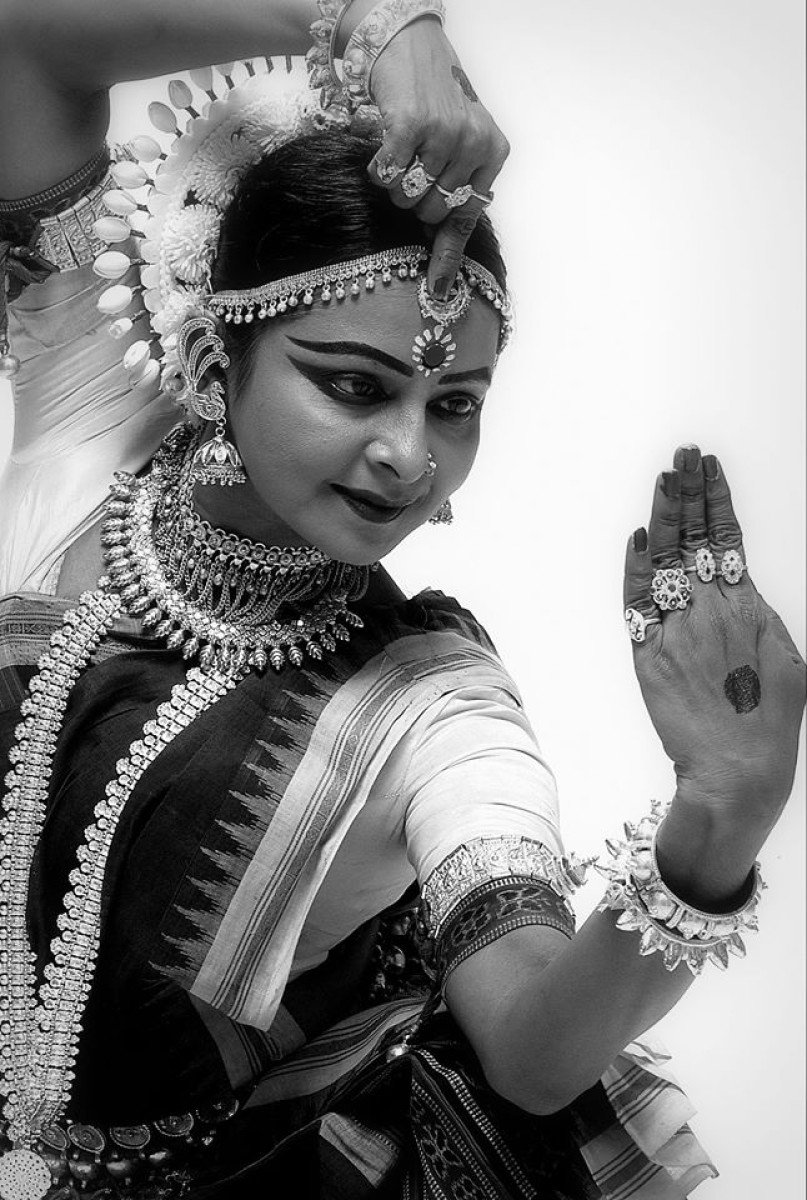
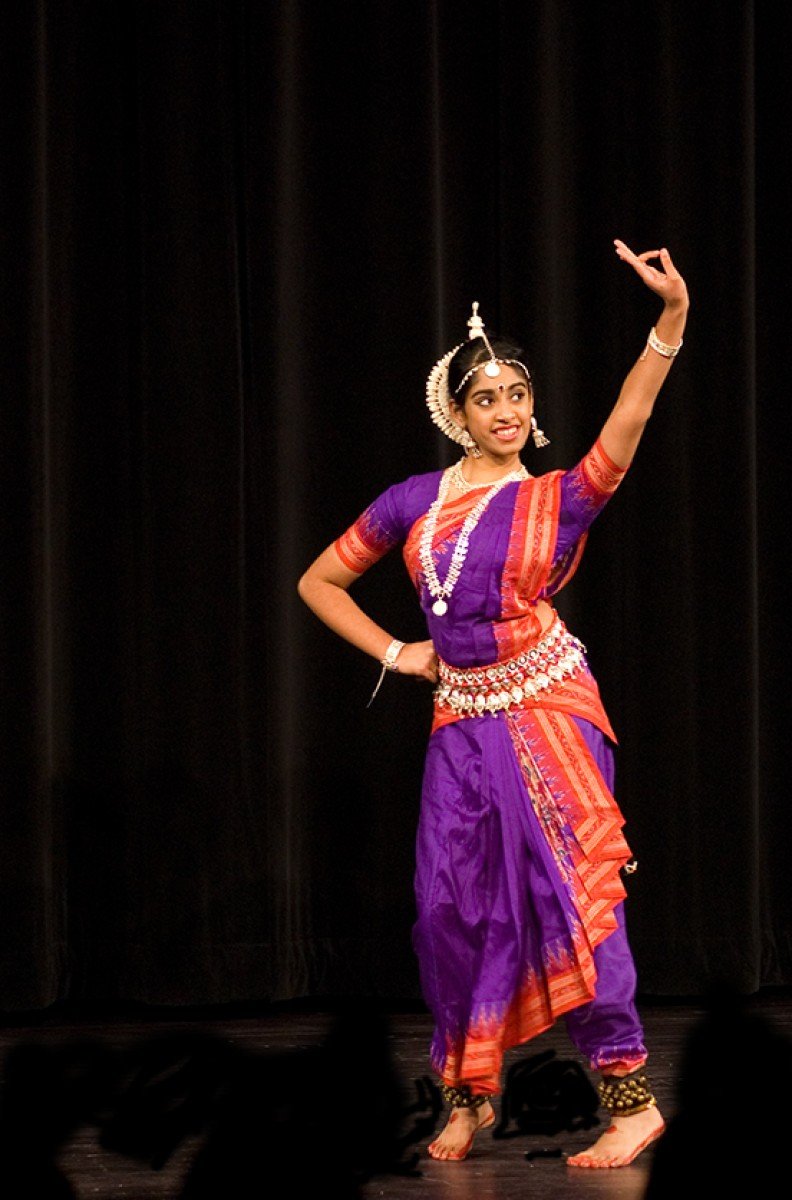
The Tribhanga Pose Statue: Photographing a student or a statue demonstrating the iconic Tribhanga (three-bend) pose of Odissi dance, often adorned with traditional jewelry, captures the essence of the art.
The Practice Hall Mirrors: Use the ...The Tribhanga Pose Statue: Photographing a student or a statue demonstrating the iconic Tribhanga (three-bend) pose of Odissi dance, often adorned with traditional jewelry, captures the essence of the art.
The Practice Hall Mirrors: Use the wall of mirrors in the practice hall to capture a dynamic, repeated image of the students practicing their synchronized steps.
The Guru and Student Interaction: A candid, respectful shot of the Guru correcting a student's mudra or posture captures the traditional teaching moment.
Costume and Jewellery Display: A close-up of the traditional Odissi Patta sari and the silver filigree jewelry, either on a mannequin or in storage, provides a rich, textural photo.
The Artistic Altar: A photo of the center's small altar, often featuring images of Lord Jagannath, Lord Shiva, or the Goddess of learning, Saraswati, surrounded by musical instruments. :Photo Gallery
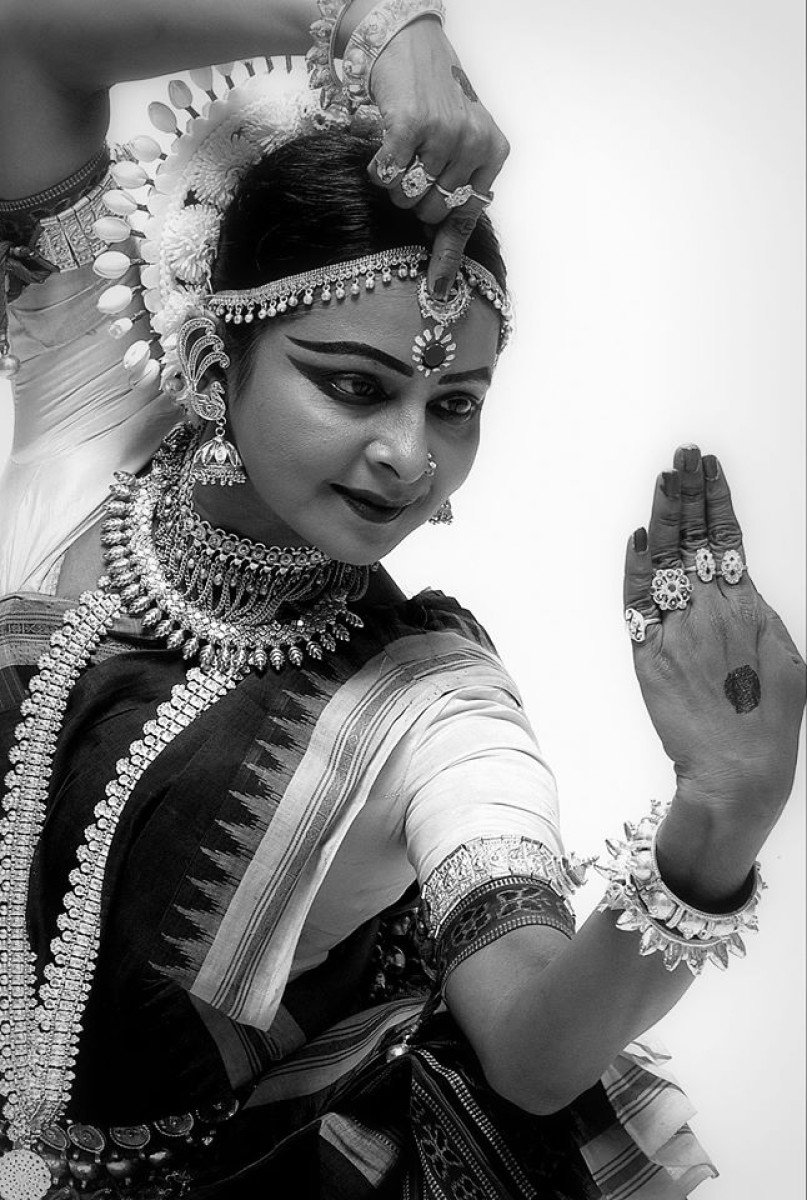
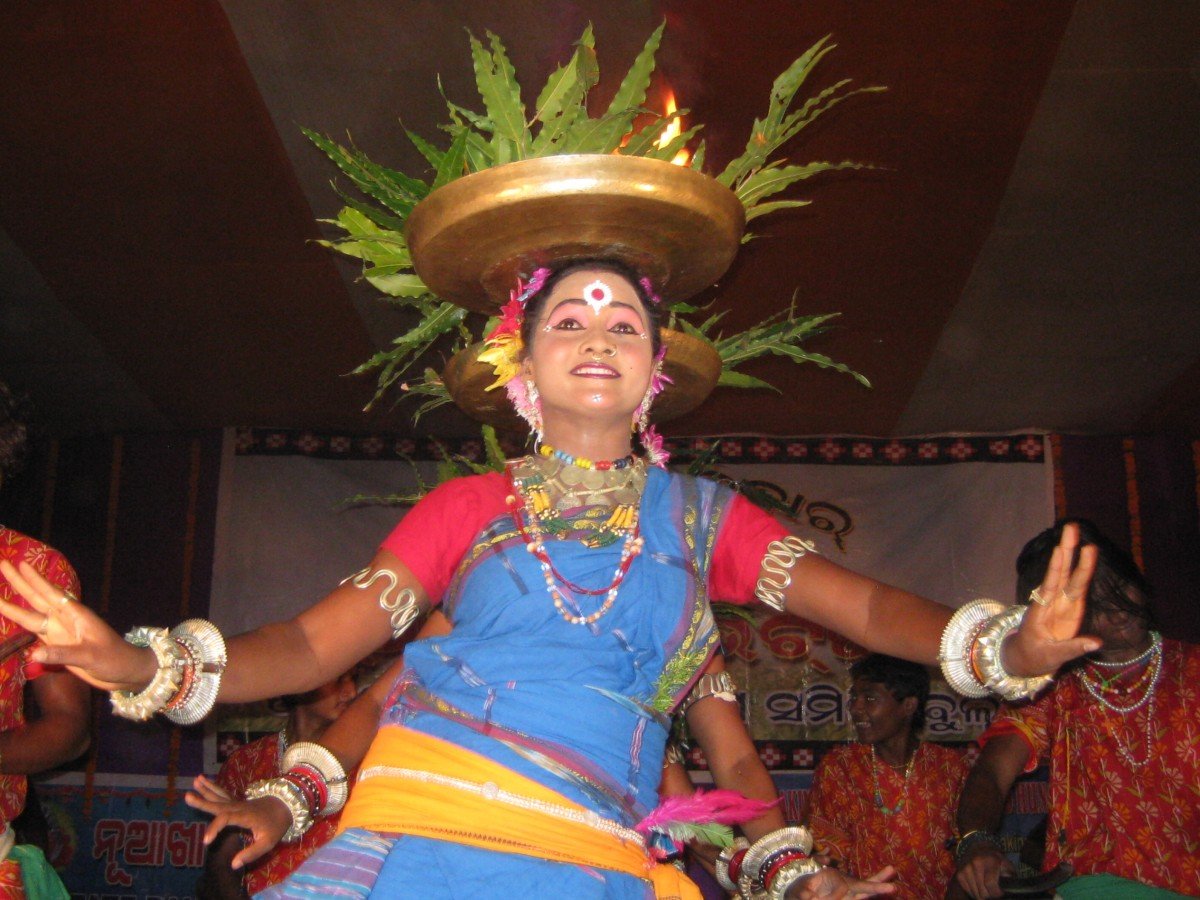
Things To Do
-
Attend an Odissi Class (with permission): The best way to engage is to observe a live class. With permission from the Guru (teacher), you can sit quietly and watch the students practice their steps and expressions.
Take a Short Workshop: Inquire about the possibility of a short, introductory workshop on Odissi footwork or mudras (hand gestures), which offers a physical appreciation of the art's complexity.
Watch a Student Rehearsal: If a performance is upcoming, observe the full rehearsal. This provides a more polished view of the choreography and the synchronization of the troupe.
Interact with the Guru: Speak to the dance Guru about the history of Odissi, the regional style of Sambalpur, and the challenges of preserving the classical art.
Read MoreAttend an Odissi Class (with permission): The best way to engage is to observe a live class. With permission from the Guru (teacher), you can sit quietly and watch the students practice their steps and expressions.
Take a Short Workshop: Inquire about the possibility of a short, introductory workshop on Odissi footwork or mudras (hand gestures), which offers a physical appreciation of the art's complexity.
Watch a Student Rehearsal: If a performance is upcoming, observe the full rehearsal. This provides a more polished view of the choreography and the synchronization of the troupe.
Interact with the Guru: Speak to the dance Guru about the history of Odissi, the regional style of Sambalpur, and the challenges of preserving the classical art.
Learn about the Musical Instruments: Take time to understand the Odissi music tradition, including the role of the Mridanga and Manjira (cymbals), which provide the rhythmic backbone.
Explore the Costume/Art: Study the traditional Odissi costumes and the specific silver filigree jewelry that defines the dancer's look. Take photos of the artwork and posters in the hall.
Attend a Local Recital: Check local listings for any student recitals or public performances by the center's troupe, which offers a full, professional-level performance experience.
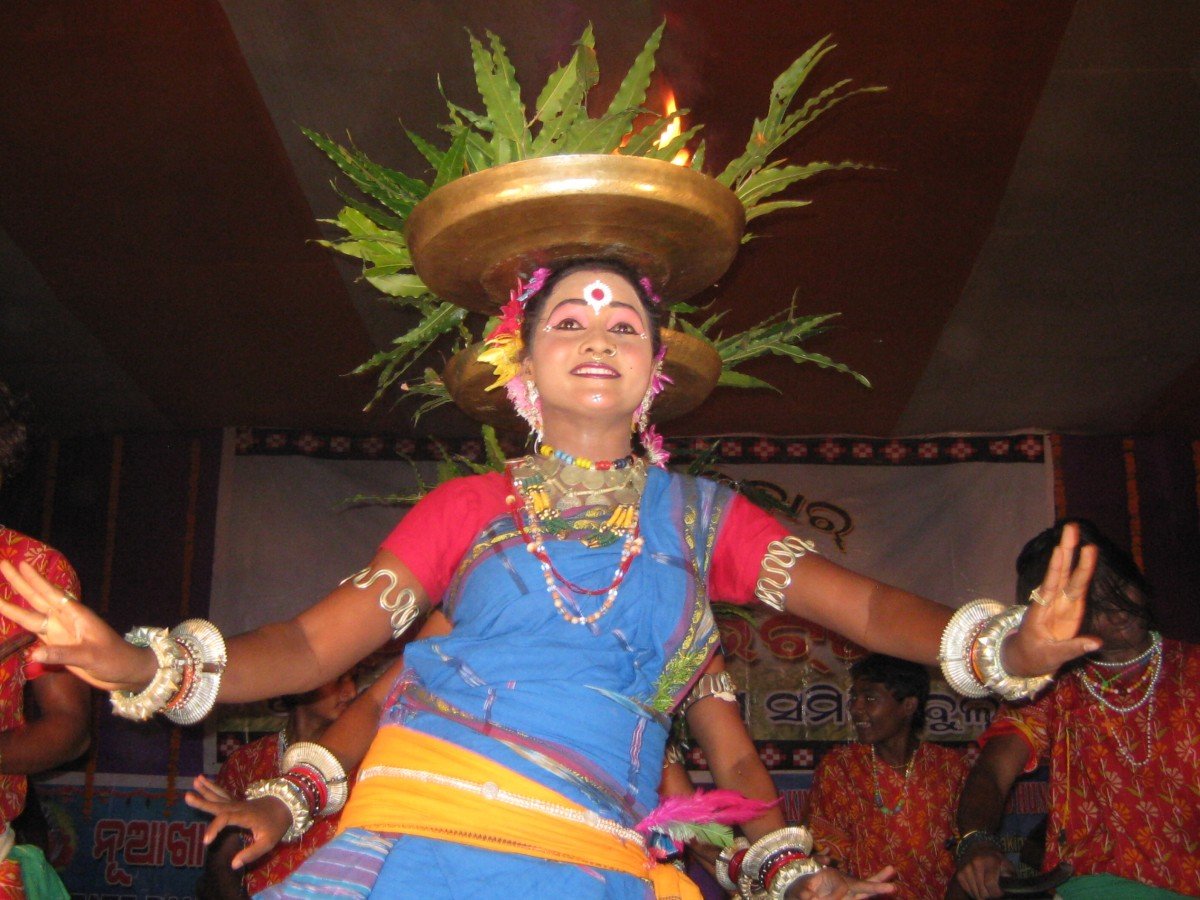
Try Sambalpuri Folk Steps: Some centers offer short folk dance instruction. Trying out the basic steps of a local dance like Dalkhai or Karma is fun and engaging. :
Information
-
Why Famous:
Preservation of Classical Art: These centers are famous for being the local torchbearers of the Odissi classical dance form, ensuring the art is passed down to the next generation in Western Odisha, a region more known for its folk traditions.
P...Preservation of Classical Art: These centers are famous for being the local torchbearers of the Odissi classical dance form, ensuring the art is passed down to the next generation in Western Odisha, a region more known for its folk traditions.
Promoting Sambalpuri Culture: Many centers also incorporate the teaching of vibrant local folk dances like the Danda Nacha and Dalkhai, making them cultural fusion hubs.
Showcasing Local Talent: They are the primary source for dancers who perform at local, state, and national cultural festivals, giving the city of Sambalpur a voice in the national art scene.
Training Excellence: The reputation of the dedicated gurus and the quality of the training they provide are why these centers are well-regarded by parents and aspiring dancers. : -
Architecture:
Functional and Dedicated Studio Space: The architecture of these centers is usually functional, prioritizing an open hall or studio space with smooth, non-slip flooring suitable for dance practice. They are often located in repurposed community halls or dedicated blocks wit...Functional and Dedicated Studio Space: The architecture of these centers is usually functional, prioritizing an open hall or studio space with smooth, non-slip flooring suitable for dance practice. They are often located in repurposed community halls or dedicated blocks within commercial/residential buildings.
Aesthetics and Atmosphere: The main studio walls are typically adorned with mirrors, classical Odissi artwork, posters of famous dancers, and images of deities like Lord Jagannath and Goddess Saraswati, creating an aesthetic atmosphere conducive to the classical art form.
Dimension of the Ranga Manch (Stage): The core space is the training hall, which must be large enough to accommodate a group of students practicing the expansive movements of Odissi. A standard hall may measure approximately 40 x 30 feet. Some centers include a small, dedicated Ranga Manch (performance stage) for recitals and exams.
Ancillary Facilities: They usually include changing rooms, a sound system corner, and an area for storing musical instruments like the Mridanga and Cymbal. The architecture is driven by the specific needs of a performance art studio. : -
How To Reach:
By Air: The nearest airport is Veer Surendra Sai Airport (JRG) in Jharsuguda (approx. 65 KMs). Hire a cab to Sambalpur, and then a local auto-rickshaw to the specific center's location.
By Train: The nearest station is Sambalpur Junction (...By Air: The nearest airport is Veer Surendra Sai Airport (JRG) in Jharsuguda (approx. 65 KMs). Hire a cab to Sambalpur, and then a local auto-rickshaw to the specific center's location.
By Train: The nearest station is Sambalpur Junction (SBP), about 3-5 KMs from the central parts of the city where most centers are located. An auto-rickshaw or taxi is the best way to reach the center.
By Road: The centers are generally located in central or accessible residential areas of Sambalpur (like Budharaja, Ainthapali, or Sakhipara). They are easily reached via the city's main roads.
By Local Transport: Auto-rickshaws are the most common and efficient way to reach the specific center. Be sure to have the correct address/landmark, as they may be located on smaller residential lanes. : -
Weather and Best Time to Visit:
Different Types of Seasons: Winter (October to February) is the Best Time to Visit for comfort. The Monsoon can make travel difficult on local roads. Summer is too hot for daytime travel, but the indoor practice halls are fine.
Different Parts...Different Types of Seasons: Winter (October to February) is the Best Time to Visit for comfort. The Monsoon can make travel difficult on local roads. Summer is too hot for daytime travel, but the indoor practice halls are fine.
Different Parts of the Day: Late Afternoon/Evening is the only practical time to visit, as this is when classes are held.
Festival/Event Time: Visiting during the period leading up to a major cultural event provides a chance to see intensive, high-energy rehearsals. : -
Near Tourist Places:
Veer Surendra Sai Stadium (3 KMs), Samaleswari Temple (5 KMs), Sambalpur Junction (4 KMs), Budharaja Temple (2 KMs), Maa Pataneswari Temple (6 KMs), Kandhara (Local Hill View) (5 KMs), Central Bus Terminal (2 KMs), Sambalpur University (18 KMs), Hirakud Dam (25 KMs), Huma Leaning Temple (28 KMs):
Tourism Tips
-
Health & safety: Be respectful of the Guru and the students. Maintain absolute silence during the class. Do not talk on the phone inside the practice hall.
Packing: Carry a small gift for the Guru (e. g. , a shawl, fruit, or a book) as a s...Health & safety: Be respectful of the Guru and the students. Maintain absolute silence during the class. Do not talk on the phone inside the practice hall.
Packing: Carry a small gift for the Guru (e. g. , a shawl, fruit, or a book) as a sign of respect for the art form and the teacher. Dress neatly.
Accommodation: Stay in Sambalpur city, which is close to most of the centers. Ainthapali or VSS Nagar are good, central areas.
Other Different Topics heading:
Permission is Key: Always seek the Guru's explicit permission before entering, observing, or taking photographs.
Footwear: Remove your footwear before stepping onto the practice hall's floor.
Support Local Art: If the center has any publications, recordings, or small performances for sale, consider supporting them. :
Reviews
FAQs
Sambalpur Itineray And Cost:-
Odisi Dance Center Tourism:-
Other Places In Sambalpur :-
Other States In India :-
Information about New and Updated Locations() of Odisha Has Been Added :-
Card subtitle
Note:-
Information provided here in good Faith and for reference only.
Near Places

Badrama Wildlife Sanctuary
Some quick example text to build on the card title and make up the bulk of the card's content.
Go somewhere
Bhima Mandap
Some quick example text to build on the card title and make up the bulk of the card's content.
Go somewhere
Budharaja Hill
Some quick example text to build on the card title and make up the bulk of the card's content.
Go somewhere
Budharaja Temple
Some quick example text to build on the card title and make up the bulk of the card's content.
Go somewhere
Cattle Island
Some quick example text to build on the card title and make up the bulk of the card's content.
Go somewhere
Chauhan Dev Temple
Some quick example text to build on the card title and make up the bulk of the card's content.
Go somewhere
Chipilima Hydro Electric Project
Some quick example text to build on the card title and make up the bulk of the card's content.
Go somewhere
Debrigarh Wildlife Sanctuary
Some quick example text to build on the card title and make up the bulk of the card's content.
Go somewhere
Deer Park
Some quick example text to build on the card title and make up the bulk of the card's content.
Go somewhere
Ghanteswari Temple
Some quick example text to build on the card title and make up the bulk of the card's content.
Go somewhere
Gopalji Math
Some quick example text to build on the card title and make up the bulk of the card's content.
Go somewhere
Haldipali Handicrafts Village
Some quick example text to build on the card title and make up the bulk of the card's content.
Go somewhere
Hirakud Dam
Some quick example text to build on the card title and make up the bulk of the card's content.
Go somewhere
Huma Leaning Temple
Some quick example text to build on the card title and make up the bulk of the card's content.
Go somewhere
Kumbharbandh
Some quick example text to build on the card title and make up the bulk of the card's content.
Go somewhere
Leaning Temple of Huma
Some quick example text to build on the card title and make up the bulk of the card's content.
Go somewherein Other Cities