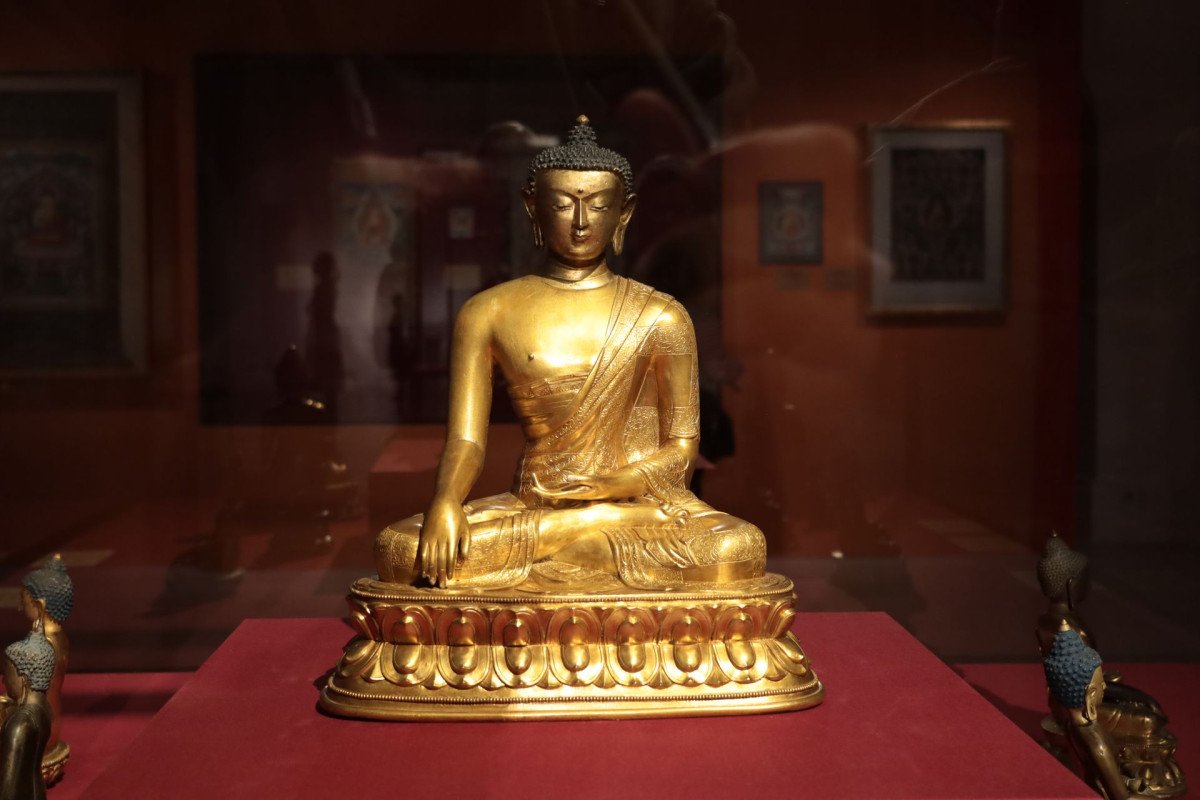
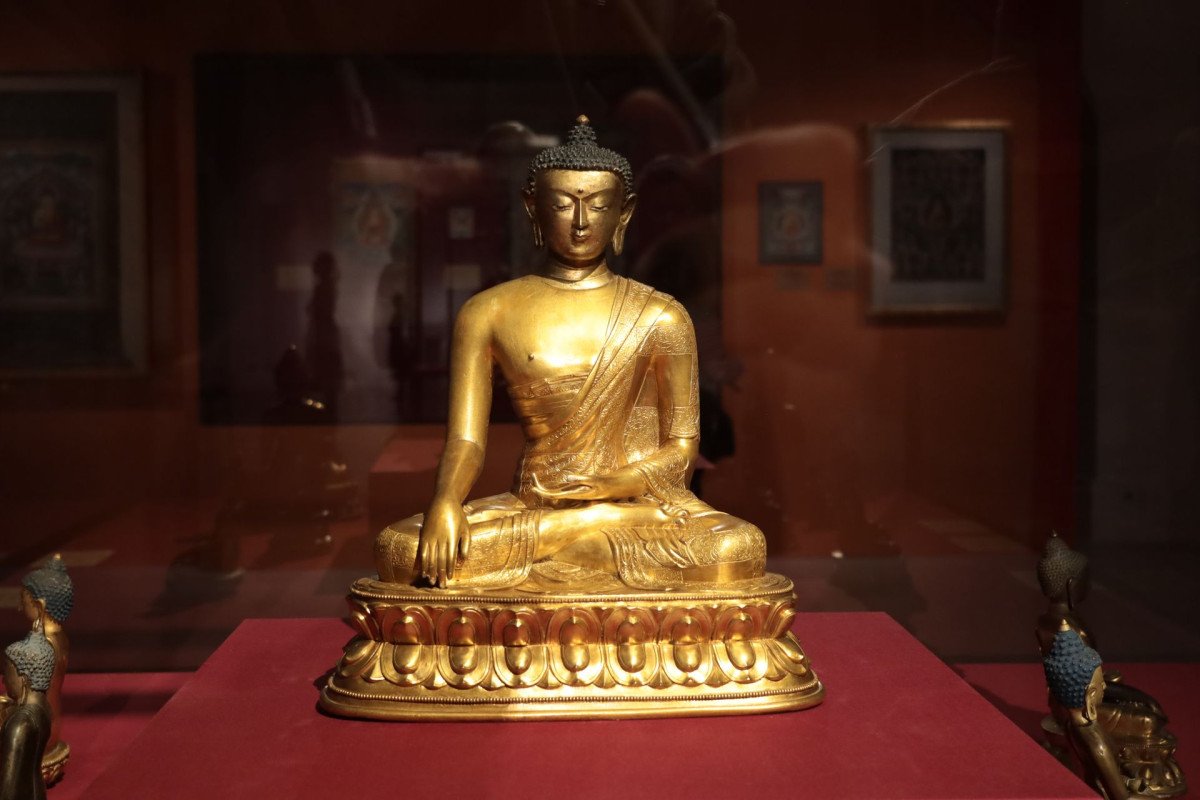
Oriya Literature Museum, Sambalpur
General information
-
Ideal Duration:
1 - 2 Hours:Place Type:
Academic, Historical, Literary, Cultural:Entry Fees:
Entry Fee for Museum: The entry fee for the Prof. N. K. Sahu Museum is typically very nominal (e. g. , Rs.10 to Rs.50) for general visitors and free or at a reduced rate for students from Sambalpur University or other educational institutions. Always carry a valid student ID...Entry Fee for Museum: The entry fee for the Prof. N. K. Sahu Museum is typically very nominal (e. g. , Rs.10 to Rs.50) for general visitors and free or at a reduced rate for students from Sambalpur University or other educational institutions. Always carry a valid student ID for discounts.
Camera Fee: A small fee (e. g. , Rs.50 to 100) may be charged for carrying a camera or professional video equipment, though casual phone photography might be permitted for free (while avoiding flash).
Research/Archival Fee: Scholars requiring access to the archival records or detailed manuscripts for research purposes will need to apply to the Head of the History Department or the Curator and may be charged a formal research/access fee, which can range from Rs.500 upwards based on the duration and scope of the research.
Lecture/Seminar Fees: While lectures are often free for students, external visitors attending a special seminar or workshop might be required to pay a registration fee, typically ranging from Rs.100 to 500. :Timing:
Regular Timings: The museum generally follows regular university working hours, typically 10:00 AM to 5:30 PM, Monday to Saturday. It is usually closed on Sundays and Public Holidays. Always confirm the hours with the university administration before planning a visit.
...Regular Timings: The museum generally follows regular university working hours, typically 10:00 AM to 5:30 PM, Monday to Saturday. It is usually closed on Sundays and Public Holidays. Always confirm the hours with the university administration before planning a visit.
Ideal Visit Time: The best time is during the mid-morning (10:30 AM to 1:00 PM) on a weekday to ensure the curator and academic staff are present, which increases the chance of securing a guided tour or a personal discussion. Avoid visiting during university examination periods or long vacations when staff presence might be minimal. Academic Year vs.
Vacation: Visiting during the regular academic year (August to May) is better as the campus is vibrant, and the museum is fully operational, contrasting with the slower pace during the summer and winter vacations. :Special Events:
University Foundation Day: As part of Sambalpur University, the Foundation Day (January 4th) is a major event. The museum often holds special exhibitions or scholarly lectures related to the university's history and its contribution to regional culture.
Read MoreUniversity Foundation Day: As part of Sambalpur University, the Foundation Day (January 4th) is a major event. The museum often holds special exhibitions or scholarly lectures related to the university's history and its contribution to regional culture.
Seminars and Workshops: The History and Odia departments frequently organize national or regional seminars, workshops, and exhibitions on topics related to Oriya Literature, history, and archaeology. Attending these events offers a high-level academic engagement with the museum's collections.
Manuscript Exhibition: Occasionally, the museum will display newly acquired or rarely seen palm-leaf manuscripts to the public, coinciding with major academic events, offering a special viewing opportunity for literary enthusiasts. :Best Photo Spots:
The Manuscript Display Cases: The best spot to photograph is the central display area for the palm-leaf manuscripts (without flash, of course), which highlights the meticulous preservation efforts and the beauty of the ancient script. The Prof. N. K.
Read MoreThe Manuscript Display Cases: The best spot to photograph is the central display area for the palm-leaf manuscripts (without flash, of course), which highlights the meticulous preservation efforts and the beauty of the ancient script. The Prof. N. K.
Sahu Statue/Memorial: A respectful photograph of the founder's memorial or portrait connects the museum's contents to the academic figure who established this important repository.
The Numismatics Display: A close-up (again, without flash) of the rare coins, especially the ancient gold coins, can be a highly rewarding and unique photo, showcasing the economic history of the region.
Exterior View of the University Building: A photo of the museum's exterior within the lush, green campus of Sambalpur University (Jyoti Vihar) captures the institutional and academic setting of the collection.
The Tribal Artifacts Gallery: The display of traditional tribal musical instruments and weaponry offers visually interesting, culturally rich photographs with unique textures and forms. :Photo Gallery
Things To Do
-
Engage with the Curator/Scholars: The primary thing to do is to seek out a curator or a student from the History Department to gain specialized insight into the exhibits, especially the delicate palm-leaf manuscripts and rare coins.
Study the Palm Leaf Manuscripts: Spend time in the dedicated manuscript section, observing the painstaking work of the ancient scribes and the unique calligraphy of the Odia and Kosali language.
Explore the Tribal Life Gallery: The museum offers a comprehensive gallery on the tribal life of Western Odisha. Study the traditional artifacts, musical instruments, and brass objects to understand the region's rich indigenous heritage.
Review the Archival Records: The Archival Records section, which includes copies of historical records, co...Engage with the Curator/Scholars: The primary thing to do is to seek out a curator or a student from the History Department to gain specialized insight into the exhibits, especially the delicate palm-leaf manuscripts and rare coins.
Study the Palm Leaf Manuscripts: Spend time in the dedicated manuscript section, observing the painstaking work of the ancient scribes and the unique calligraphy of the Odia and Kosali language.
Explore the Tribal Life Gallery: The museum offers a comprehensive gallery on the tribal life of Western Odisha. Study the traditional artifacts, musical instruments, and brass objects to understand the region's rich indigenous heritage.
Review the Archival Records: The Archival Records section, which includes copies of historical records, copper plate inscriptions (4th to 19th Century A. D. ), and research monographs published by the museum, is a valuable resource for in-depth understanding.
Compare Regional Architecture: Observe the Silpa Sastras (treatises on architecture) to understand the principles of temple building that were used in the construction of regional temples like Samaleswari and Huma.
Attend a University Lecture (if possible): Since the museum is on campus, check for any open lectures or seminars on Oriya Literature or regional history, which would complement the museum visit.
Purchase Monographs: The museum often has its own publications for sale, such as catalogues of antiquities and research volumes. Purchasing these is a great way to support the institution and take home detailed knowledge.
Photography (Check Rules): Take photographs of the exterior and general display halls, strictly following any rules about flash photography, especially around the light-sensitive manuscripts.
Research Facility Use: For serious researchers, utilize the museum's research facility, which includes equipment like an epidiascope and reprography machine for study purposes, after obtaining formal permission.
Visit the University Campus: After the museum, explore the larger Sambalpur University campus, a pleasant, green space ideal for a peaceful walk and observing student life. :
Information
-
Why Famous:
Preservation of Odia Manuscripts: It is famous as one of the key centers for the preservation of original Oriya and Kosali palm leaf manuscripts and archival records, many of which are centuries old. It is a lifeline for academic research into the history of the Odia langua...Preservation of Odia Manuscripts: It is famous as one of the key centers for the preservation of original Oriya and Kosali palm leaf manuscripts and archival records, many of which are centuries old. It is a lifeline for academic research into the history of the Odia language and its regional dialects.
Academic Excellence Hub: Being part of Sambalpur University, it serves as an indispensable teaching aid and a hub for research scholars, connecting students directly to primary historical and literary sources.
Western Odisha's Chronicle: It uniquely focuses on the history, culture, and tribal life of Western Odisha (the Kosala region), filling a significant gap in the state's cultural documentation outside the coastal areas. The display of tribal life artifacts and regional coins is especially significant.
Showcasing Literary Giants: The museum is an ode to the major literary figures of the region, prominently featuring the works of Upendra Bhanja and others who shaped the pre-modern Oriya literary landscape, allowing visitors to see the original physical form of these literary masterpieces. : -
Architecture:
A Modern Institutional Structure: The museum is housed within the academic campus of Sambalpur University, reflecting a modern institutional approach to preservation rather than a traditional temple or palace structure. It is designed to be a functional space for academic r...A Modern Institutional Structure: The museum is housed within the academic campus of Sambalpur University, reflecting a modern institutional approach to preservation rather than a traditional temple or palace structure. It is designed to be a functional space for academic research and public display.
Gallery Divisions: The museum is organized into various galleries, including Archaeology, Epigraphy, Numismatics, Icons and Sculpture, Armoury, Art & Craft, Portrait, Tribal Life, Palm Leaf Manuscript, and Archival Records. This sectional division provides a structured narrative for the exhibits.
Preservation and Display Features: The focus is on climate control, proper lighting, and secure display cases to protect the fragile manuscripts and antiquities, such as pre-historic tools, excavated potteries from sites like Asurgarh, various ancient coins (e. g. , Puri-Kusana coins), and war implements. The architecture prioritizes functional research needs and conservation.
Manuscript Section Dimension: The Palm Leaf Manuscript section is particularly significant, containing hundreds of delicate palm leaf documents. While specific room dimensions are not public, the storage employs specialized archival methods and equipment for the long-term preservation of these crucial literary artifacts against environmental decay. : -
How To Reach:
By Air: The nearest airport is Veer Surendra Sai Airport (JRG) in Jharsuguda (approx. 70 KMs). From there, hire a cab directly to the Sambalpur University campus in Burla.
By Train: The nearest major station is Sambalpur Junction (SBP), ab...By Air: The nearest airport is Veer Surendra Sai Airport (JRG) in Jharsuguda (approx. 70 KMs). From there, hire a cab directly to the Sambalpur University campus in Burla.
By Train: The nearest major station is Sambalpur Junction (SBP), about 15 KMs away. Hirakud Railway Station is closer, around 12 KMs. From either station, auto-rickshaws and taxis are readily available to take you to Jyoti Vihar, Burla. Always specify "Sambalpur University" as the destination.
By Road: Sambalpur University (Jyoti Vihar) is located in the town of Burla, which is a satellite town of Sambalpur. It is well-connected by local bus and taxi services. The journey from Sambalpur city center takes about 30-40 minutes.
By Local Transport: Shared auto-rickshaws frequently ply the route between Sambalpur and Burla at very low costs. For comfort, hire a private taxi or auto-rickshaw for the entire round trip. : -
Weather and Best Time to Visit:
Different Types of Seasons: Winter (October to February) is the Best Time to Visit for pleasant weather on the sprawling university campus. Monsoon (July to September) makes the surrounding area lush and green but can be inconvenient due to rain. Summer is extremely hot an...Different Types of Seasons: Winter (October to February) is the Best Time to Visit for pleasant weather on the sprawling university campus. Monsoon (July to September) makes the surrounding area lush and green but can be inconvenient due to rain. Summer is extremely hot and should be avoided.
Different Parts of the Day: Mid-Morning to Early Afternoon is the ideal time as it falls within the official working hours of the university and the museum staff.
Academic Cycle Consideration: Visiting during the regular academic session (outside of major exams) is better to observe the scholarly environment and potentially attend public lectures. : -
Near Tourist Places:
Sambalpur University Campus (0 KMs), VSS University of Technology (VSSUT) (2 KMs), Hirakud Dam (12 KMs), Hirakud Railway Station (5 KMs), Ghanteswari Temple (18 KMs), Sambalpur Junction (15 KMs), Saraswati Temple (Sambalpur) (16 KMs), Huma Leaning Temple (30 KMs), Budharaja Temple (18 KMs), Samaleswari Temple (17 KMs):
Tourism Tips
-
Health & safety: The campus is safe, but be cautious of heavy monsoon rains if visiting during that season. The interior of the museum is climate-controlled for the artifacts; visitors should dress to be comfortable outside.
Packing: Carry...Health & safety: The campus is safe, but be cautious of heavy monsoon rains if visiting during that season. The interior of the museum is climate-controlled for the artifacts; visitors should dress to be comfortable outside.
Packing: Carry a valid photo ID, especially if you intend to conduct any serious research or are claiming a student discount. Carry a pen and notepad for observations, as electronic note-taking might be restricted in some manuscript areas.
Accommodation: Accommodation is best found in Sambalpur city or nearby Burla town. The university may have a modest guest house, but it is typically reserved for official guests.
Other Different Topics heading:
Respect the Academic Environment: Maintain quietude, as the museum is an academic facility.
Manuscript Handling: Do not attempt to touch or handle any artifact, especially the palm-leaf manuscripts, as they are extremely fragile.
University Rules: Strictly follow the rules and regulations of the university campus while visiting. :
Reviews
FAQs
Sambalpur Itineray And Cost:-
Oriya Literature Museum, Sambalpur Tourism:-
Other Places In Sambalpur :-
Other States In India :-
Information about New and Updated Locations() of Odisha Has Been Added :-
Card subtitle
Note:-
Information provided here in good Faith and for reference only.
Near Places

Badrama Wildlife Sanctuary
Some quick example text to build on the card title and make up the bulk of the card's content.
Go somewhere
Bhima Mandap
Some quick example text to build on the card title and make up the bulk of the card's content.
Go somewhere
Budharaja Hill
Some quick example text to build on the card title and make up the bulk of the card's content.
Go somewhere
Budharaja Temple
Some quick example text to build on the card title and make up the bulk of the card's content.
Go somewhere
Cattle Island
Some quick example text to build on the card title and make up the bulk of the card's content.
Go somewhere
Chauhan Dev Temple
Some quick example text to build on the card title and make up the bulk of the card's content.
Go somewhere
Chipilima Hydro Electric Project
Some quick example text to build on the card title and make up the bulk of the card's content.
Go somewhere
Debrigarh Wildlife Sanctuary
Some quick example text to build on the card title and make up the bulk of the card's content.
Go somewhere
Deer Park
Some quick example text to build on the card title and make up the bulk of the card's content.
Go somewhere
Ghanteswari Temple
Some quick example text to build on the card title and make up the bulk of the card's content.
Go somewhere
Gopalji Math
Some quick example text to build on the card title and make up the bulk of the card's content.
Go somewhere
Haldipali Handicrafts Village
Some quick example text to build on the card title and make up the bulk of the card's content.
Go somewhere
Hirakud Dam
Some quick example text to build on the card title and make up the bulk of the card's content.
Go somewhere
Huma Leaning Temple
Some quick example text to build on the card title and make up the bulk of the card's content.
Go somewhere
Kumbharbandh
Some quick example text to build on the card title and make up the bulk of the card's content.
Go somewhere
Leaning Temple of Huma
Some quick example text to build on the card title and make up the bulk of the card's content.
Go somewherein Other Cities