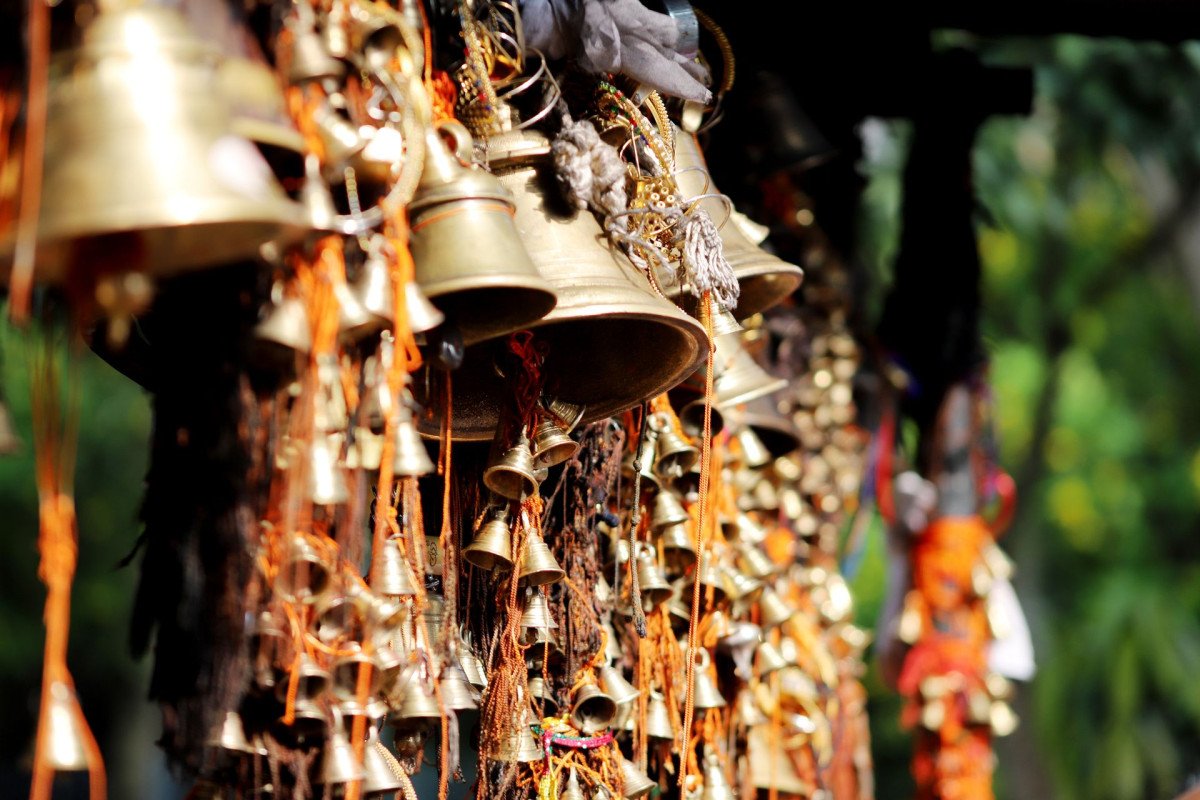
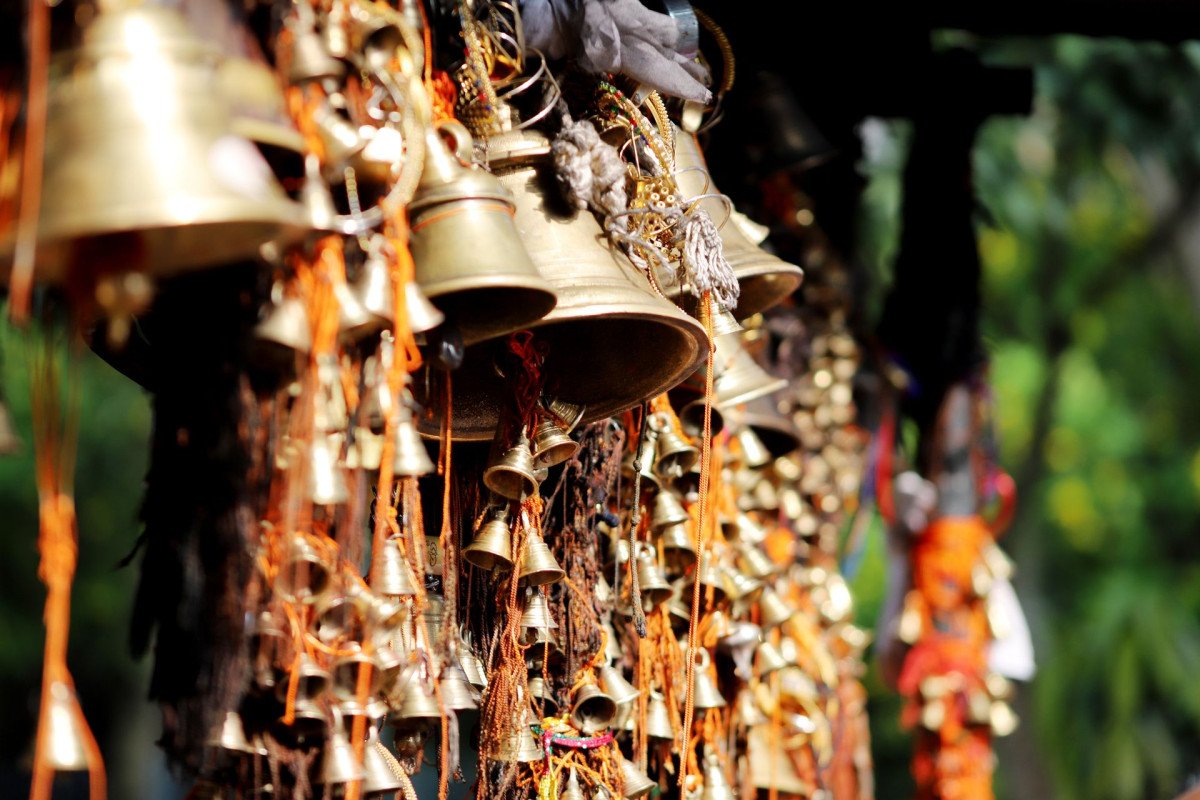
Sant Namdev Temple
General information
-
Ideal Duration:
1 to 1.
5 Hours:Place Type:
Syncretic Religious Pilgrimage and Bhakti MovementEntry Fees:
No Entry Fee Policy:: As a place of worship and a major pilgrimage site, the Sant Namdev Temple has a policy of Free Entry for all visitors and devotees, regardless of their nationality or religious background.
Voluntary Donations:: Voluntar...No Entry Fee Policy:: As a place of worship and a major pilgrimage site, the Sant Namdev Temple has a policy of Free Entry for all visitors and devotees, regardless of their nationality or religious background.
Voluntary Donations:: Voluntary donations are highly welcomed and are the primary source of funding for the temple's maintenance, daily langar (community kitchen), and the organization of the annual Basant Panchami fair. Donation boxes are readily available throughout the complex.
Special Ritual Costs:: There are no fixed fees for any special rituals or puja ceremonies; however, a small dakshina (offering) to the priest for their services is customary and highly encouraged as a gesture of respect.
Photography Fees:: Personal photography is generally free, but the use of professional equipment, elaborate light setups, or commercial filming requires prior permission from the temple management to ensure the sanctity of the worship area is not disturbed, and this may involve a significant fee.
Parking Charges:: Given its location in a small town, there might be a nominal, unofficial charge for vehicle parking collected by local youth or community members, particularly during the crowded fair period.Timing:
Regular Timings:: The temple is generally open for devotees from 5:00 AM to 9:00 PM every day of the week, aligning with the traditional timings for morning and evening prayers (Aarti or Path), allowing for a full day of worship.
Ideal Visit Tim...Regular Timings:: The temple is generally open for devotees from 5:00 AM to 9:00 PM every day of the week, aligning with the traditional timings for morning and evening prayers (Aarti or Path), allowing for a full day of worship.
Ideal Visit Time:: The ideal visit time is the Early Morning (6:00 AM to 8:00 AM) or the Late Evening (6:00 PM to 8:00 PM), which are the times of the main Aarti or Kirtan sessions, offering the most spiritual and serene atmosphere, while avoiding the midday heat and the usual crowd rush.
Duration:: A quick visit for darshan (viewing) can take 30 minutes, but a comprehensive, meditative visit involving attending the Satsang and partaking in Langar requires a minimum of 1. 5 hours to fully appreciate the peaceful atmosphere.
Fair Week Note:: During the three-day Basant Panchami fair, the temple is open much later, often until midnight, but the crowds are immense, necessitating an early morning visit if quiet contemplation is desired.Special Events:
Basant Panchami Fair:: The most important event is the three-day fair (Mela) held annually around the festival of Basant Panchami (marking the beginning of spring, usually in January or February). This event draws vast crowds with religious processions, cultural programs, a...Basant Panchami Fair:: The most important event is the three-day fair (Mela) held annually around the festival of Basant Panchami (marking the beginning of spring, usually in January or February). This event draws vast crowds with religious processions, cultural programs, and a large-scale community kitchen (Bhandara).
Annual Bhandara (Community Feast):: An additional large Bhandara (community feast) is often organized on the death anniversary (Punya Tithi) of Sant Namdev, which follows the lunar calendar. This day is marked by special recitations of his hymns and devotional songs (Kirtan and Bhajans).
Weekly Satsang:: The temple hosts weekly devotional gatherings (Satsang) on a specific day (often a Sunday or Thursday), featuring Kirtan (Sikh hymns) and Bhajans (Hindu devotional songs), showcasing the beautiful syncretic worship that defines the temple.Best Photo Spots:
Temple Entrance Facade:: The front entrance of the temple, with its colorful religious banners and intricate details (often featuring Sant Namdev's image or symbols), is the best spot for a formal photograph.
The Sarovar/Water Tank:: The are...Temple Entrance Facade:: The front entrance of the temple, with its colorful religious banners and intricate details (often featuring Sant Namdev's image or symbols), is the best spot for a formal photograph.
The Sarovar/Water Tank:: The area around the Sarovar (holy tank) offers an excellent location for reflective and peaceful photographs, especially at dawn when the water is still, reflecting the temple structure.
Worship in the Main Hall:: The interior of the main Mandap (hall), with its devotees engaged in prayer, provides an opportunity for powerful, candid photography of devotion (ensure non-flash and be highly respectful).
Bassi Pathana Town Vistas:: The town of Bassi Pathana itself, with its old streets and traditional Punjabi architecture, offers good cultural and street photography opportunities on the approach to the temple.
Festival Colors:: During the Basant Panchami fair, the entire temple and surrounding area are vibrant with color and activity, providing the most spectacular photo opportunities of the year, focusing on the crowds, the food stalls, and the traditional clothing.Photo Gallery
Things To Do
-
Participate in Prayer:: Engage in the main activity of offering prayers (puja or ardas) in the temple. Sit quietly in the main hall to meditate or listen to the recitation of hymns (Shabads), which may include Sant Namdev's compositions from the Guru Granth Sahib.
Explore the Dharamshala:: Walk through the Dharamshala area and the Sarovar (water tank) to understand the facilities provided for the hundreds of visiting pilgrims, especially during the annual fair. This gives a sense of the scale of the pilgrimage center.
Attend the Langar/Bhandara:: Partake in the community kitchen meal (Langar in the Sikh tradition or Bhandara in the Hindu tradition) often served at the temple. This practice is a central part of the shared religious culture, symbolizing equality and selfless service.Participate in Prayer:: Engage in the main activity of offering prayers (puja or ardas) in the temple. Sit quietly in the main hall to meditate or listen to the recitation of hymns (Shabads), which may include Sant Namdev's compositions from the Guru Granth Sahib.
Explore the Dharamshala:: Walk through the Dharamshala area and the Sarovar (water tank) to understand the facilities provided for the hundreds of visiting pilgrims, especially during the annual fair. This gives a sense of the scale of the pilgrimage center.
Attend the Langar/Bhandara:: Partake in the community kitchen meal (Langar in the Sikh tradition or Bhandara in the Hindu tradition) often served at the temple. This practice is a central part of the shared religious culture, symbolizing equality and selfless service.
Study the Hymns:: Read or listen to the compositions of Bhagat Namdev that are part of the Guru Granth Sahib. The verses, which focus on universal love and a formless God, are key to understanding the temple's significance.
Visit Bassi Pathana Town:: Since the temple is in Bassi Pathana, take time to walk through the small, historic town. Bassi Pathana itself has historical importance, being the birthplace of the renowned poet Hari Singh Dilbar, and provides a glimpse of an old Punjabi market town.
Photography of Devotion:: Take respectful, candid photographs of the devotees, the rituals, and the colorful decorations, particularly around the temple's facade and the Sarovar. Focus on capturing the spiritual devotion and the cultural attire of the pilgrims.
Seek Blessings:: Seek a brief interaction with the head priest or the Sikh Granthi (custodian) for blessings and a deeper understanding of the temple's history and its role in fostering interfaith dialogue in the region.
Contemplate the Bhakti Movement:: Use the visit as an opportunity to reflect on the historical and theological importance of the Bhakti movement's spread to North India, as represented by the saint's travels and the temple's enduring presence.
Fair Timing Visit:: If you are visiting during the Basant Panchami fair, dedicate time to watching the traditional folk performances, local arts, and the massive community feast that accompanies the three-day festival.
Information
-
Why Famous:
Bhagat Namdev's Connection:: The temple's primary fame comes from its dedication to Bhagat Namdev, one of the most respected spiritual figures of the Bhakti movement, whose teachings transcended caste and creed, making the temple a symbol of religious unity.Bhagat Namdev's Connection:: The temple's primary fame comes from its dedication to Bhagat Namdev, one of the most respected spiritual figures of the Bhakti movement, whose teachings transcended caste and creed, making the temple a symbol of religious unity.
Inclusion in Guru Granth Sahib:: It is exceptionally famous because 61 of Sant Namdev's devotional compositions are enshrined in the Guru Granth Sahib, making the temple a significant, shared holy site for the Sikh community as well, reinforcing its status as a sacred pilgrimage center.
Basant Panchami Fair:: The temple is well-known for hosting a massive three-day fair around Basant Panchami (January/February), drawing devotees from across Punjab and Haryana to celebrate the saint's spiritual contributions.
Syncretic Heritage:: Its fame rests on its representation of the syncretic religious tradition of Punjab, where Hindu and Sikh devotional paths converge, fostering mutual respect and shared worship.
Historical Continuity:: The temple in Bassi Pathana provides a tangible link to the widespread travels and historical presence of the 13th-century Bhakti movement in North India, a fact that is highly valued by historians and pilgrims. -
Architecture:
Temple Structure:: The current temple structure is a blend of traditional North Indian temple architecture and local Punjabi style, predominantly constructed of red brick and concrete, with a simple yet elegant facade.
The 1925 Renovation:: ...Temple Structure:: The current temple structure is a blend of traditional North Indian temple architecture and local Punjabi style, predominantly constructed of red brick and concrete, with a simple yet elegant facade.
The 1925 Renovation:: The major renovation in 1925 led to the construction of the present-day sanctum (Garbhagriha) and the main Mandap (hall), which typically features high ceilings and sturdy pillars to accommodate a large congregation of devotees.
Dharamshala and Sarovar:: The complex includes a large Dharamshala (pilgrim rest house) and a modest Sarovar (holy water tank), which are essential components of a major pilgrimage center, providing facilities for visiting devotees.
Dimension (Sanctum Area):: While specific dimensions are unavailable, the main prayer hall is built to be expansive, likely covering an area of approximately 20 by 30 meters, to handle the heavy footfall of pilgrims, especially during the Basant Panchami fair. The overall design emphasizes a large congregational space over intricate carving, focusing on functionality for worship.
Architectural Symbolism:: The presence of both a temple dedicated to a Hindu Sant and the recitation of his hymns from the Guru Granth Sahib within the complex is a powerful architectural and spiritual symbol of the syncretic and unifying nature of the Bhakti and Sikh traditions in Punjab. -
How To Reach:
By Air:: The nearest major airport is Chandigarh International Airport (IXC), about 55-60 KM from Bassi Pathana. From the airport, a taxi can be hired directly to the temple in Bassi Pathana, taking approximately 1 hour and 15 minutes.
By Train...By Air:: The nearest major airport is Chandigarh International Airport (IXC), about 55-60 KM from Bassi Pathana. From the airport, a taxi can be hired directly to the temple in Bassi Pathana, taking approximately 1 hour and 15 minutes.
By Train:: Sirhind Junction Railway Station (SIR) is the closest major railhead, approximately 6-7 KM away. From the station, an auto-rickshaw or a local shared taxi (available outside the station) is the most efficient and direct route to the temple in Bassi Pathana.
By Road:: The temple is located in Bassi Pathana, which is well-connected by road. State-run bus services from Sirhind Bus Stand frequently run to Bassi Pathana. The temple is on the main road passing through the town, making navigation easy.
By Local Transport:: From the center of Sirhind/Fatehgarh Sahib, the most common way is to hire an auto-rickshaw for a round trip or take a shared tempo/taxi that plies the Sirhind–Bassi Pathana route, which is a very cheap option, taking about 15-20 minutes to reach the temple. -
Weather and Best Time to Visit:
The Winter Season (October to March): The period from October to March is highly recommended, as the cool, dry weather is ideal for comfortable travel, walking through the town, and participating in the fair (if it falls in January/February).
Su...The Winter Season (October to March): The period from October to March is highly recommended, as the cool, dry weather is ideal for comfortable travel, walking through the town, and participating in the fair (if it falls in January/February).
Summer Season (April to June): Summer should be avoided due to the extremely high temperatures, which make the daytime travel and participation in the community feast uncomfortable.
Monsoon Season (July to September): The monsoon makes the approach roads muddy and humid, but the temple itself remains functional. Visits during this time are best reserved for late evenings.
Different Parts of the Day: Morning visits are best for the main religious rituals and peaceful reflection. Evening visits are recommended to witness the colorful Aarti ceremonies and the illumination of the temple, offering a different spiritual mood. -
Near Tourist Places:
Gurudwara Fatehgarh Sahib:
4 KM, Haveli Todar Mal (Jahaz Haveli):
4 KM, Aam Khas Bagh:
6 KM, Rauza Sharif (Nabis Tomb):
7 KM, Sirhind Tank (Aam Khas Bagh):
6 KM, Phuwara Chawk:
6 KM, Kos Minar:
7 KM, Ustad-Shagird Tombs:
8 KM, Floating Restaurant (Sirhind Canal):
12 KM, Mata Chakreshvari Devi Jain Temple:
1 KM:
Tourism Tips
-
Health & Safety:: Maintain all cleanliness standards, especially around the Sarovar and the community kitchen. Be aware of the extremely heavy crowds if visiting during the Basant Panchami fair and keep valuables secured.
Packing Essentials:Health & Safety:: Maintain all cleanliness standards, especially around the Sarovar and the community kitchen. Be aware of the extremely heavy crowds if visiting during the Basant Panchami fair and keep valuables secured.
Packing Essentials:: Carry a head covering (dupatta or scarf) out of respect for the religious site. Dress modestly, covering shoulders and knees. Carry water, as the area can get congested.
Accommodation Options:: Basic, budget-friendly accommodation is available in Dharamshalas in Bassi Pathana and near Sirhind Junction. For more modern amenities, hotels in Fatehgarh Sahib or the nearby major city of Patiala (about 40 KM) are better options.
Other Tips:: If visiting during the fair, book accommodation and transport well in advance. Be polite and respectful when interacting with devotees and participating in the community meal. Always park vehicles a short distance away to avoid congestion.
Reviews
FAQs
Sirhind Itineray And Cost:-
Sant Namdev Temple Tourism:-
Other Places In Sirhind :-
Other States In India :-
Information about New and Updated Locations() of Punjab Has Been Added :-
Card subtitle
Note:-
Information provided here in good Faith and for reference only.
Near Places

Aam Khas Bagh
Some quick example text to build on the card title and make up the bulk of the card's content.
Go somewhere
Archeological Museum
Some quick example text to build on the card title and make up the bulk of the card's content.
Go somewhere
Brass Haveli Todar Mal
Some quick example text to build on the card title and make up the bulk of the card's content.
Go somewhere
Floating Restaurant
Some quick example text to build on the card title and make up the bulk of the card's content.
Go somewhere
Kos Minar
Some quick example text to build on the card title and make up the bulk of the card's content.
Go somewhere
Mata Chakreshwari Devi Jain Temple
Some quick example text to build on the card title and make up the bulk of the card's content.
Go somewhere
Mosque Of Sadhana Kasai
Some quick example text to build on the card title and make up the bulk of the card's content.
Go somewhere
Mosque of Sadhna Kasai
Some quick example text to build on the card title and make up the bulk of the card's content.
Go somewhere
Nabis Tomb
Some quick example text to build on the card title and make up the bulk of the card's content.
Go somewhere
Old Fort Ruins
Some quick example text to build on the card title and make up the bulk of the card's content.
Go somewhere
Phuwara Chawk
Some quick example text to build on the card title and make up the bulk of the card's content.
Go somewhere
Rauza Sharif
Some quick example text to build on the card title and make up the bulk of the card's content.
Go somewhere
Sanghol Museum
Some quick example text to build on the card title and make up the bulk of the card's content.
Go somewhere
Sant Namdev Temple
Some quick example text to build on the card title and make up the bulk of the card's content.
Go somewhere
Shagird Di Mazar
Some quick example text to build on the card title and make up the bulk of the card's content.
Go somewhere
Sirhind Canal
Some quick example text to build on the card title and make up the bulk of the card's content.
Go somewherein Other Cities