Pandoh Dam
General information
-
Ideal Duration:
1. 5 - 2 HoursPlace Type:
Hydroelectric Dam & ViewpointEntry Fees:
Entry Policy: There is no entry fee to view the Pandoh Dam from the highway viewpoints, as it is a public infrastructure site.
Photography Restrictions: While general landscape photography is allowed, taking close-up photos of the sensitive ...Entry Policy: There is no entry fee to view the Pandoh Dam from the highway viewpoints, as it is a public infrastructure site.
Photography Restrictions: While general landscape photography is allowed, taking close-up photos of the sensitive technical areas or the powerhouse may be restricted for security reasons.Timing:
Regular Timings: The dam viewpoints are accessible from 06:00 AM to 06:00 PM daily for general tourists.
Ideal Visit Time: The best time of day is early morning or late afternoon when the light is soft, highlighting the colors of the lake. ...Regular Timings: The dam viewpoints are accessible from 06:00 AM to 06:00 PM daily for general tourists.
Ideal Visit Time: The best time of day is early morning or late afternoon when the light is soft, highlighting the colors of the lake.Special Events:
The Monsoon Release: While not a festival, the opening of the floodgates during the peak July or August rains is a grand event where the sheer volume of water creates a spectacular natural display.
National Engineers Day: Celebrated on Septe...The Monsoon Release: While not a festival, the opening of the floodgates during the peak July or August rains is a grand event where the sheer volume of water creates a spectacular natural display.
National Engineers Day: Celebrated on September 15th, this day often sees a focus on the dam's contribution to India's infrastructure, with local workers and engineers acknowledging its legacy.Best Photo Spots:
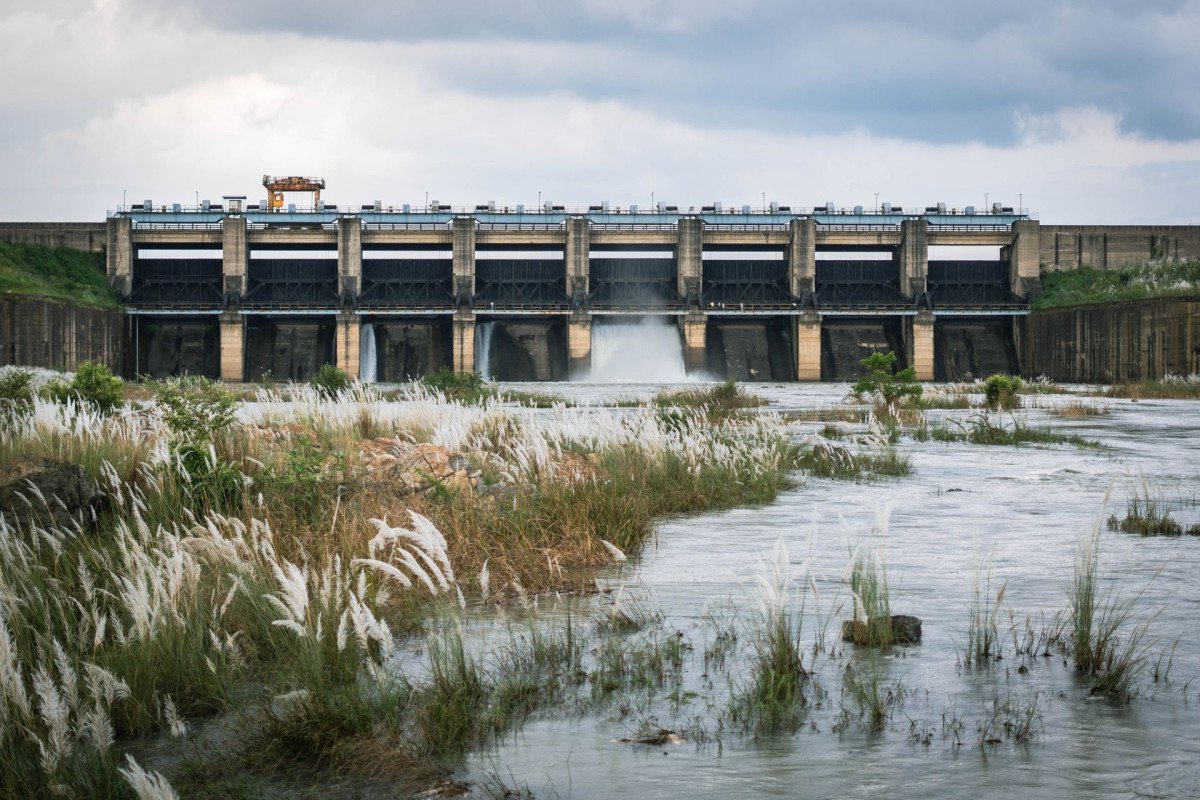
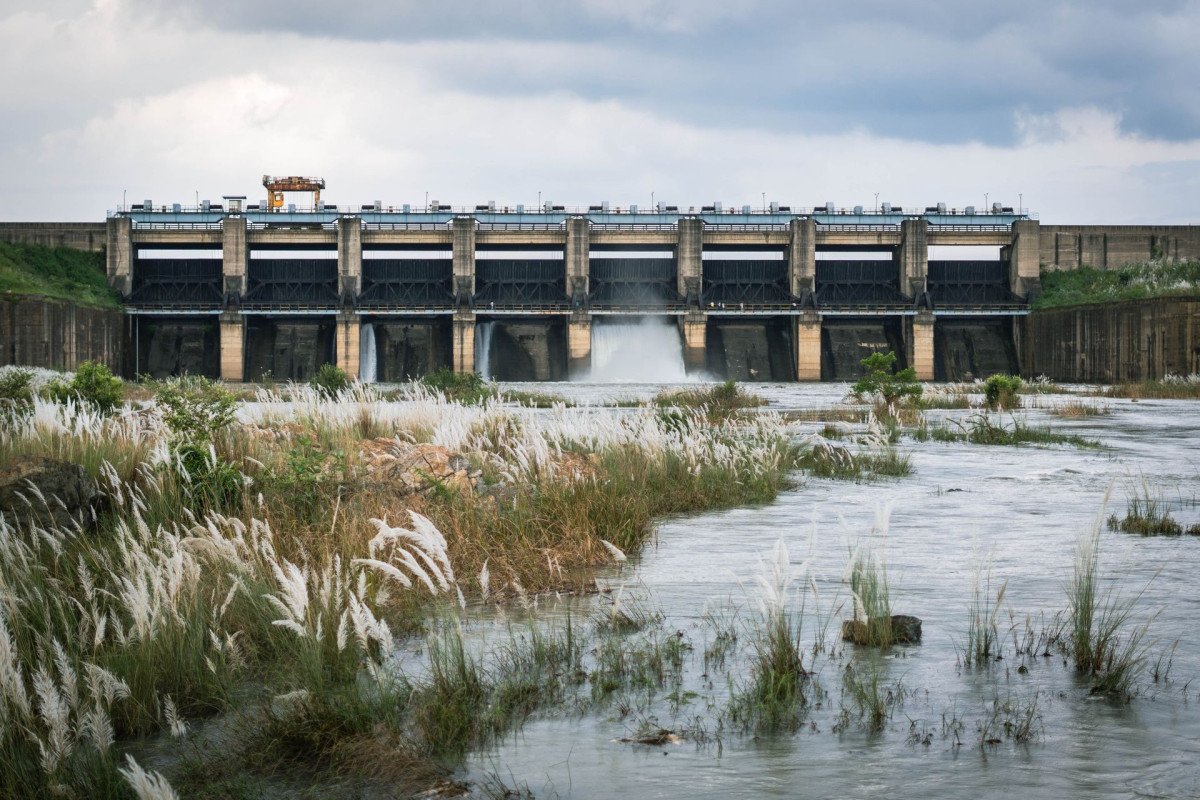
The Main Spillway View: This is the best spot to capture the grandeur of the dam's architecture, especially when the water is flowing through the gates.
Lakeside Panorama: Position yourself on the highway overlooking the Pandoh Lake to get t...The Main Spillway View: This is the best spot to capture the grandeur of the dam's architecture, especially when the water is flowing through the gates.
Lakeside Panorama: Position yourself on the highway overlooking the Pandoh Lake to get the perfect reflection of the mountains in the emerald water during the morning hours.
Gorge View: Frame your shots from the curves of the road to include the deep valley and the winding river downstream for a dramatic landscape photograph.Photo Gallery
Things To Do
-
Scenic Sightseeing: The primary activity is enjoying the panoramic views of the massive reservoir and the surrounding deodar-covered hills from the designated viewpoints.
Photography: Capture the stunning contrast of the blue-green water against the grey concrete of the dam and the lush green background of the mountains.
Bird Watching: Bring a pair of binoculars to spot cormorants and other water birds that frequent the calm reservoir waters throughout the year.
Nature Walks: Take a leisurely stroll along the highway stretches near the dam to soak in the mountain air and the rhythmic sound of the river.
Road Trip Stopover: Use this as a perfect picnic spot during a long drive, enjoying snacks while looking at the engineering marv...Scenic Sightseeing: The primary activity is enjoying the panoramic views of the massive reservoir and the surrounding deodar-covered hills from the designated viewpoints.
Photography: Capture the stunning contrast of the blue-green water against the grey concrete of the dam and the lush green background of the mountains.
Bird Watching: Bring a pair of binoculars to spot cormorants and other water birds that frequent the calm reservoir waters throughout the year.
Nature Walks: Take a leisurely stroll along the highway stretches near the dam to soak in the mountain air and the rhythmic sound of the river.
Road Trip Stopover: Use this as a perfect picnic spot during a long drive, enjoying snacks while looking at the engineering marvel.
Learning Engineering: It is an educational spot for students and enthusiasts to understand the mechanics of rockfill dams and hydroelectric diversion systems.
Exploring Nearby Gorges: The drive around the dam features deep river gorges that are perfect for those who love dramatic, rugged landscapes.
Information
-
Why Famous:
Hydroelectric Power Hub: Pandoh Dam is globally recognized for its contribution to the Beas-Sutlej Link Project, which generates nearly 990 MW of electricity at the Dehar Power Plant. This project is a pioneer in inter-basin water transfer, moving water from the Beas to the...Hydroelectric Power Hub: Pandoh Dam is globally recognized for its contribution to the Beas-Sutlej Link Project, which generates nearly 990 MW of electricity at the Dehar Power Plant. This project is a pioneer in inter-basin water transfer, moving water from the Beas to the Sutlej to maximize power potential.
Emerald Green Reservoir: The dam is famous for the stunning Pandoh Lake, which boasts a unique emerald green hue due to the glacial minerals carried by the river. This visual spectacle makes it one of the most photographed spots on the highway to Kullu, attracting thousands of nature lovers and photography enthusiasts annually. -
Architecture:
Engineering and Structural Design: The architecture of Pandoh Dam is a masterclass in modern civil engineering, specifically designed as an earth-core rockfill dam to withstand the seismic activity of the Himalayan region. It reaches a maximum height of 76 meters and stretc...Engineering and Structural Design: The architecture of Pandoh Dam is a masterclass in modern civil engineering, specifically designed as an earth-core rockfill dam to withstand the seismic activity of the Himalayan region. It reaches a maximum height of 76 meters and stretches approximately 150 meters in length, with a massive chute-type spillway featuring five gated bays to regulate water flow. The dam’s structure utilizes local stone and earth materials for its core, ensuring it blends with the natural geology while providing the necessary weight to hold back the immense pressure of the Beas River. The spillway design is optimized for high-velocity discharge, protecting the main embankment from erosion during peak monsoon seasons when the river's volume increases significantly.
Hydraulic Dimensions: The reservoir created by the dam covers a surface area of 1. 65 square kilometers at full capacity, with a total catchment area spanning over 5,000 square kilometers. The water is diverted through a complex system of 38-kilometer-long tunnels and open canals, showcasing the intricate planning involved in the Beas-Sutlej Link project. -
How To Reach:
By Air: The nearest airport is Bhuntar Airport in Kullu, located about 40 KMS away; from there, you can hire a taxi.
By Train: The nearest broad-gauge railway station is in Chandigarh (approx. 220 KMS), while the nearest narrow-gauge stati...By Air: The nearest airport is Bhuntar Airport in Kullu, located about 40 KMS away; from there, you can hire a taxi.
By Train: The nearest broad-gauge railway station is in Chandigarh (approx. 220 KMS), while the nearest narrow-gauge station is in Joginder Nagar (approx. 75 KMS).
By Road: It is situated directly on NH21, making it easily accessible via state transport buses (HRTC) or private cars from Delhi, Chandigarh, or Manali.
By Local Transport: Local buses and shared taxis frequently run between Mandi and Kullu, stopping right at the dam. -
Weather and Best Time to Visit:
Seasons: Summer (April to June) is the most pleasant time for visiting, offering clear skies and comfortable temperatures for sightseeing. Winter (September to December) provides a crisp atmosphere and the best chance to see migratory birds in the reservoir.Seasons: Summer (April to June) is the most pleasant time for visiting, offering clear skies and comfortable temperatures for sightseeing. Winter (September to December) provides a crisp atmosphere and the best chance to see migratory birds in the reservoir.
Daily Timing: Mid-day is great for seeing the vibrant green color of the water, while sunset offers a golden glow over the mountains. -
Near Tourist Places:
Mandi Town (20 KMS), Rewalsar Lake (45 KMS), Prashar Lake (65 KMS), Hanogi Mata Temple (15 KMS), Aut (18 KMS), Kullu (50 KMS), Bajaura Temple (35 KMS), Tirthan Valley (40 KMS), Jibhi (50 KMS), Jana Waterfall (70 KMS)
Tourism Tips
-
Health & Safety: Do not attempt to go near the water or climb over safety fences, as the water levels can rise suddenly and the slopes are steep.
Packing: Carry a light jacket even in summer, as the wind coming off the reservoir can be chill...Health & Safety: Do not attempt to go near the water or climb over safety fences, as the water levels can rise suddenly and the slopes are steep.
Packing: Carry a light jacket even in summer, as the wind coming off the reservoir can be chilly; don't forget your camera and binoculars.
Accommodation: While there are no hotels at the dam, comfortable stays are available in nearby Mandi (20 KMS) or Kullu (50 KMS).
Environment: Avoid littering around the reservoir to maintain the pristine beauty of this ecological and industrial zone.
Reviews
FAQs
Kullu Itineray And Cost:-
Other Places In Kullu :-
Other States In India :-
Information about New and Updated Locations() of Himachal Pradesh Has Been Added :-
Card subtitle
Note:-
Information provided here in good Faith and for reference only.
Near Places
Akhara Bazaar
Some quick example text to build on the card title and make up the bulk of the card's content.
Go somewhere
Basheshwar Mahadev Temple
Some quick example text to build on the card title and make up the bulk of the card's content.
Go somewhere
Bijli Mahadev Temple
Some quick example text to build on the card title and make up the bulk of the card's content.
Go somewhere
Dechen Choekhor Mahavihara
Some quick example text to build on the card title and make up the bulk of the card's content.
Go somewhere
Dhakpo Shedrupling Monastery
Some quick example text to build on the card title and make up the bulk of the card's content.
Go somewhere
Gauri Shankar Temple
Some quick example text to build on the card title and make up the bulk of the card's content.
Go somewhere
Hanogi Mata Temple
Some quick example text to build on the card title and make up the bulk of the card's content.
Go somewhere
Jalori Pass
Some quick example text to build on the card title and make up the bulk of the card's content.
Go somewhere
Jana Waterfall
Some quick example text to build on the card title and make up the bulk of the card's content.
Go somewhere
Maha Devi Tirth Temple
Some quick example text to build on the card title and make up the bulk of the card's content.
Go somewhere
Naggar Castle
Some quick example text to build on the card title and make up the bulk of the card's content.
Go somewhere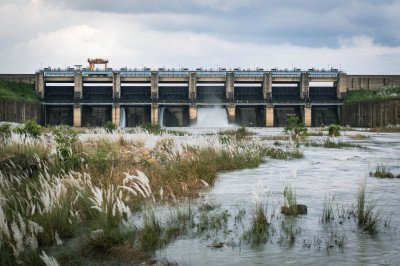
Pandoh Dam
Some quick example text to build on the card title and make up the bulk of the card's content.
Go somewhere
Raghunath Temple
Some quick example text to build on the card title and make up the bulk of the card's content.
Go somewhere
Roerich Art Gallery
Some quick example text to build on the card title and make up the bulk of the card's content.
Go somewhere
Sissu
Some quick example text to build on the card title and make up the bulk of the card's content.
Go somewhere
Sultanpur Palace
Some quick example text to build on the card title and make up the bulk of the card's content.
Go somewherein Other Cities