

Raj Mahal
General information
-
Ideal Duration:
1-2 HoursPlace Type:
Historic, Palace, ArchitectureEntry Fees:
Entry is often Free for the general compound area, especially since the entrance is integrated with the Balbir Hospital; however, access to the interior palace wings is strictly Prohibited or requires prior Royal Permission due to it being a private/official residence.
...Entry is often Free for the general compound area, especially since the entrance is integrated with the Balbir Hospital; however, access to the interior palace wings is strictly Prohibited or requires prior Royal Permission due to it being a private/official residence.
Hospital Area Access: There is no fee to enter the hospital or the general public access area, but visitors must maintain silence and respect the environment of a functioning medical facility.
Special Permission Costs: Any required permission to photograph or film professionally or to access restricted areas (if granted at all) would incur a significantly higher, discretionary fee determined by the management or the royal estate office.
Museum Fee (if any): If a specific section is converted into a small museum in the future, it would likely charge a nominal fee similar to other Indian heritage sites (e. g. , INR 20 to INR 100).Timing:
Regular Timings: The compound is generally open all day, from approximately 7:00 AM to 7:00 PM, particularly because of the hospital's 24-hour nature, "but tourist-specific access to viewing points is usually restricted to daylight hours, roughly 9:00 AM to 6:00 PM.
...Regular Timings: The compound is generally open all day, from approximately 7:00 AM to 7:00 PM, particularly because of the hospital's 24-hour nature, "but tourist-specific access to viewing points is usually restricted to daylight hours, roughly 9:00 AM to 6:00 PM.
" Ideal Visit Time: The best time is the early morning (Sunrise) or late evening (Sunset) for the most beautiful light, which enhances the palace's facade for photography, and to avoid the daytime heat.
Visit Etiquette: Visitors must be especially mindful of the hospital's operations, avoiding noise and ensuring their visit does not interfere with patient care.Special Events:
Local Government and Social Gatherings: While primarily residential and partly institutional, the expansive grounds occasionally host high-profile government meetings, official receptions, or cultural events organized in collaboration with the local administration, reflectin...Local Government and Social Gatherings: While primarily residential and partly institutional, the expansive grounds occasionally host high-profile government meetings, official receptions, or cultural events organized in collaboration with the local administration, reflecting its enduring status.
Heritage Walks: Specific organized heritage walks focusing on the British Raj era architecture and princely state lifestyle sometimes include the Raj Mahal compound as a key stop, often coinciding with annual state heritage weeks.
Hospital Anniversaries: Events related to the Balbir Hospital's anniversary or major health campaigns utilize the palace entrance area, attracting large crowds and showcasing the building to the public in a non-tourism context.Best Photo Spots:
The Grand Facade: The main elevation of the palace, with its Neo-Classical columns and symmetry, provides a perfect wide-angle shot for capturing the scale and style.
The Raj Deori Entrance: Photograph the grand entrance gate now housing the...The Grand Facade: The main elevation of the palace, with its Neo-Classical columns and symmetry, provides a perfect wide-angle shot for capturing the scale and style.
The Raj Deori Entrance: Photograph the grand entrance gate now housing the hospital, a visually intriguing contrast between the heritage architecture and the modern signage of the hospital.
The Lawn and Palace: A shot across the manicured lawns towards the palace facade emphasizes the oasis-like setting of the residence.
Architectural Details: Focus on the ornate window frames, archways, and any preserved carvings that showcase the skilled craftsmanship of the late 19th century.Photo Gallery
Things To Do
-
Architectural Photography Session: Focus on capturing the French design elements—the ornate balconies, columns, and the contrast between the building's color and the surrounding greenery—especially the grand entrance area.
Strolling in the Compound: Take a leisurely walk through the grounds and available open spaces, appreciating the scale of the compound and the effort involved in maintaining the lush lawns in the region.
Observing the Balbir Hospital: Visit the Raj Deori section, now the Balbir Hospital, and observe how a heritage building has been repurposed for modern public utility, reflecting a unique intersection of past and present.
Vintage Auto Viewing: If the vintage car collection is on display or visible, take time to examine the classic automobil...Architectural Photography Session: Focus on capturing the French design elements—the ornate balconies, columns, and the contrast between the building's color and the surrounding greenery—especially the grand entrance area.
Strolling in the Compound: Take a leisurely walk through the grounds and available open spaces, appreciating the scale of the compound and the effort involved in maintaining the lush lawns in the region.
Observing the Balbir Hospital: Visit the Raj Deori section, now the Balbir Hospital, and observe how a heritage building has been repurposed for modern public utility, reflecting a unique intersection of past and present.
Vintage Auto Viewing: If the vintage car collection is on display or visible, take time to examine the classic automobiles, imagining the Maharajas using them in the late 19th and early 20th centuries.
Relaxation and Reflection: Utilize the peaceful environment of the lawns for a moment of quiet reflection on the life of the royalty and the history of Faridkot as a princely state.
Local History Interaction: Engage with local security staff or hospital employees (where appropriate) who might share oral histories or anecdotes about the palace, providing a personal connection to the site's past.
Drawing and Sketching: The magnificent facade of the Raj Mahal is an excellent subject for artists looking to sketch or draw historical buildings with distinctive architectural features.
Information
-
Why Famous:
A Blend of Cultures: It is highly famous for its unique amalgamation of French and traditional Indian architectural styles, representing the sophisticated cosmopolitan tastes of the Maharajas of Faridkot during the British Raj.
Royal Residency:<...A Blend of Cultures: It is highly famous for its unique amalgamation of French and traditional Indian architectural styles, representing the sophisticated cosmopolitan tastes of the Maharajas of Faridkot during the British Raj.
Royal Residency: It served as the key residence and administrative center of the Faridkot rulers for decades, a symbol of their modernizing efforts and opulence.
The Raj Deori and Hospital: The entrance gate, Raj Deori, being converted into the Balbir Hospital, is a notable feature, signifying a pragmatic shift in the use of royal assets for community service.
Vintage Collection: The palace compound has been associated with the display of a vintage collection, including historical cars and motorbikes, a significant draw for auto enthusiasts and historians. -
Architecture:
Architectural Style and Materials: The Raj Mahal is a magnificent example of Indo-Saracenic architecture blended heavily with Neo-Classical and French design elements, distinguishing it from older regional structures.
Exterior Dimensions and Fac...Architectural Style and Materials: The Raj Mahal is a magnificent example of Indo-Saracenic architecture blended heavily with Neo-Classical and French design elements, distinguishing it from older regional structures.
Exterior Dimensions and Facade: The palace is expansive, covering a significant footprint within its 15-acre compound. "Its facade is marked by colonnades, grand arches, and a symmetrical layout characteristic of Neo-Classical buildings. " The structure features intricate stonework and plaster finishes, often with subtle ornamentation.
Interior Features and Opulence: The interiors, where still preserved, boast antique paintings, elaborate ceiling work, and high, ornate windows, reflecting a royal lifestyle. "The design emphasizes light and air, unlike the enclosed style of the old fort, with large halls and interconnected rooms suitable for modern social gatherings. " The use of vibrant plasterwork and detailed carvings contrasts with the austerity of the surrounding environment, enhancing its majestic appearance. -
How To Reach:
By Air: The closest international airport is Shri Guru Ram Dass International Airport, Amritsar (ATQ), about 130-150 KMS away, requiring a 3-4 hour taxi trip.
By Train: Faridkot Railway Station (FDK) is located just a few kilometers away, co...By Air: The closest international airport is Shri Guru Ram Dass International Airport, Amritsar (ATQ), about 130-150 KMS away, requiring a 3-4 hour taxi trip.
By Train: Faridkot Railway Station (FDK) is located just a few kilometers away, connecting the town to the major Indian railway network via the Firozpur-Bathinda-Delhi line; "From the station, a short auto-rickshaw ride of about 10 minutes is sufficient to reach the palace.
" By Road: Faridkot is well-connected by road; "It is approximately 218 KMS from Chandigarh and 65 KMS from Bathinda, easily reachable by local or inter-state bus services which run frequently to the Faridkot Bus Stand. " The palace is a short distance from the bus stand.
By Local Transport: Auto-rickshaws and cycle-rickshaws are the most common and inexpensive modes of transport within the city, taking you directly to the palace from any central location. Local taxis can also be hired for a more comfortable journey. -
Weather and Best Time to Visit:
Climatic Conditions: The months of November to February are highly recommended, as the cool, pleasant winter weather allows for comfortable outdoor walks in the expansive compound and gardens.
Avoid Midday Sun: Regardless of the season, it i...Climatic Conditions: The months of November to February are highly recommended, as the cool, pleasant winter weather allows for comfortable outdoor walks in the expansive compound and gardens.
Avoid Midday Sun: Regardless of the season, it is best to visit during the soft light hours—early morning or late afternoon—to appreciate the palace's aesthetics without the harsh glare or heat.
Monsoon Considerations: The Monsoon season (July to September) makes the gardens lush but can bring sudden heavy rains, which might restrict outdoor viewing. -
Near Tourist Places:
Qila Mubarak (3 KMS), Tilla Baba Farid (3. 5 KMS), Gurudwara Godri Sahib (5 KMS), Moti Mahal (Faridkot) (1 KM), Darbar Ganj (Circuit House) (1. 5 KMS), Shaheedi Jor Mela (Jaitu) (28 KMS), Muktsar Sahib (45 KMS), Bathinda Lake (65 KMS), Harike Wetland (90 KMS), Abohar Branch Canal (3 KMS).
Tourism Tips
-
Health & Safety: Be highly respectful of the Balbir Hospital area; maintain absolute silence and avoid any activity that could disturb the patients or medical staff.
Packing Essentials: Wear light, breathable clothing in summer and carry a ...Health & Safety: Be highly respectful of the Balbir Hospital area; maintain absolute silence and avoid any activity that could disturb the patients or medical staff.
Packing Essentials: Wear light, breathable clothing in summer and carry a light jacket in winter. Since it is an open compound, wear comfortable shoes for walking on the lawns and pathways.
Photography Etiquette: Avoid aiming cameras directly into private or restricted windows or areas and respect all 'No Photography' signs, especially near the hospital's critical care zones.
Gardens and Grounds: While walking on the lawns, be careful not to damage the grass or planting beds; stay on designated pathways where available.
Local Snacks: Carry some local snacks or visit nearby eateries after your visit, as dining options might be limited within the immediate palace compound.
Reviews
FAQs
Faridkot Itineray And Cost:-
Information about New and Updated Locations() of Punjab Has Been Added :-
Card subtitle
Note:-
Information provided here in good Faith and for reference only.
All information and pictures will be updated soon, please keep visiting.
Near Places

Baba Farid Cultural Centre
Some quick example text to build on the card title and make up the bulk of the card's content.
Go somewhere
Clock Tower
Some quick example text to build on the card title and make up the bulk of the card's content.
Go somewhere
Darbar Ganj
Some quick example text to build on the card title and make up the bulk of the card's content.
Go somewhere
District Library, Faridkot
Some quick example text to build on the card title and make up the bulk of the card's content.
Go somewhere
Fairy Cottage
Some quick example text to build on the card title and make up the bulk of the card's content.
Go somewhere
Faridkot City
Some quick example text to build on the card title and make up the bulk of the card's content.
Go somewhere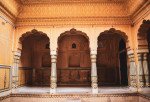
Faridkot Fort
Some quick example text to build on the card title and make up the bulk of the card's content.
Go somewhere
Government Brijindra College
Some quick example text to build on the card title and make up the bulk of the card's content.
Go somewhere
Gurdwara Godari Sahib
Some quick example text to build on the card title and make up the bulk of the card's content.
Go somewhere
Gurdwara Tilla Baba Farid
Some quick example text to build on the card title and make up the bulk of the card's content.
Go somewherein Other Cities