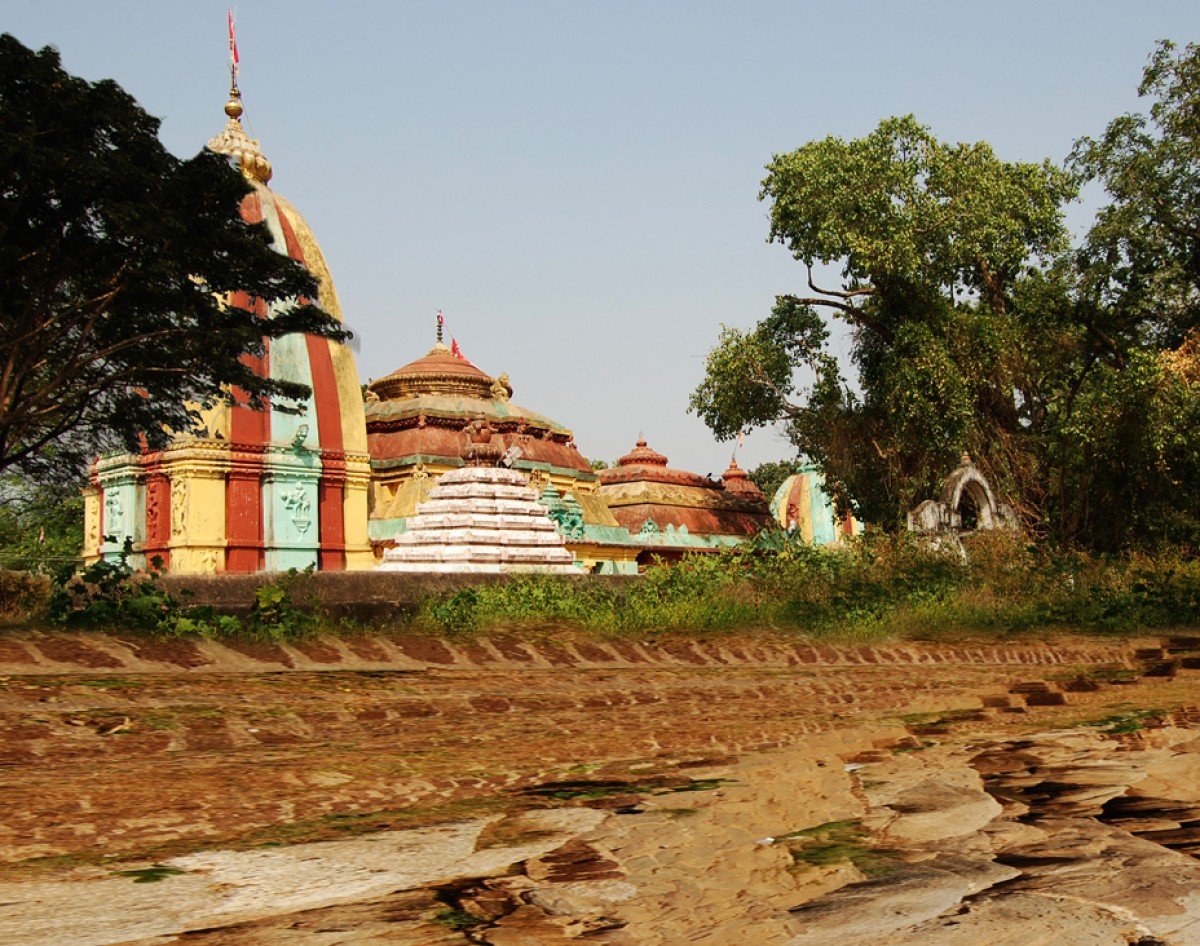
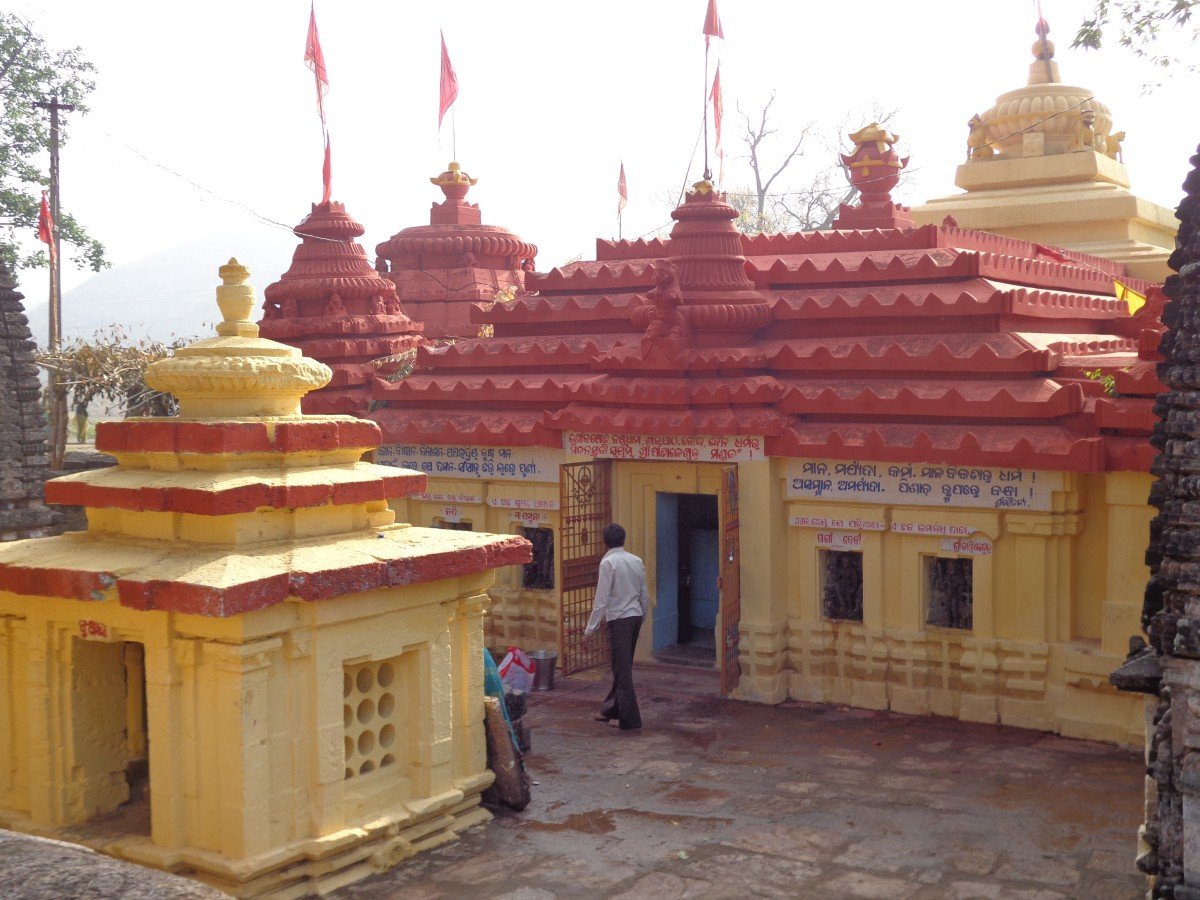
Rameswar Temple
General information
-
Ideal Duration:
1.
5 - 2 Hours:Place Type:
Hindu Pilgrimage, River Confluence Site, HistoricaEntry Fees:
Fee for Darshan: Entry to the temple is Free for all visitors.
Pooja/Ritual Charges: Priests may charge a small fee for performing specific pujas, abhishekams, or other rituals on behalf of the devotee; these are voluntary service charges, ...Fee for Darshan: Entry to the temple is Free for all visitors.
Pooja/Ritual Charges: Priests may charge a small fee for performing specific pujas, abhishekams, or other rituals on behalf of the devotee; these are voluntary service charges, not mandatory entry fees.
Donation/Contribution: Visitors are encouraged to make voluntary donations (Dakshina) towards the maintenance and upkeep of the temple premises; specific boxes are kept for this purpose.
Photography Fee: Taking photographs inside the main sanctum is generally restricted, but there is No Fee for photography outside in the temple complex and on the river banks. :Timing:
Regular Timings: 6:00 AM to 7:00 PM (Daily, though the main doors may be closed during the afternoon for Bhog).
Ideal Visit Time: Sunrise (6:00 AM - 8:00 AM) for ritual bathing and peaceful darshan, or Late Afternoon (4:00 PM - 6:00 PM) for ...Regular Timings: 6:00 AM to 7:00 PM (Daily, though the main doors may be closed during the afternoon for Bhog).
Ideal Visit Time: Sunrise (6:00 AM - 8:00 AM) for ritual bathing and peaceful darshan, or Late Afternoon (4:00 PM - 6:00 PM) for cooler weather and sunset views.
Festival Timings: During Maha Shivratri, the temple remains open 24 hours. :Special Events:
Maha Shivaratri Festival: This is the most significant annual event, drawing tens of thousands of devotees who observe a day-long fast, perform Jagara (night vigil), and offer water and Bel leaves to the Shiva Lingam.
Shravan Month Festivities:<...Maha Shivaratri Festival: This is the most significant annual event, drawing tens of thousands of devotees who observe a day-long fast, perform Jagara (night vigil), and offer water and Bel leaves to the Shiva Lingam.
Shravan Month Festivities: Throughout the entire holy month of Shravan (July-August), the temple is vibrant with pilgrims (Bol Bom devotees) carrying holy water from the rivers to offer to the deity.
Kartik Purnima Snan: A major day for ritual bathing (snan) at the confluence. :Best Photo Spots:
River Confluence Viewpoint: The specific spot where the Tel and Mahanadi waters meet, best captured from the temple steps or an elevated ghat, especially at dawn.
The Jagamohan Pillars: The interior architectural details, carvings on the pil...River Confluence Viewpoint: The specific spot where the Tel and Mahanadi waters meet, best captured from the temple steps or an elevated ghat, especially at dawn.
The Jagamohan Pillars: The interior architectural details, carvings on the pillars, and the view of the main sanctum door.
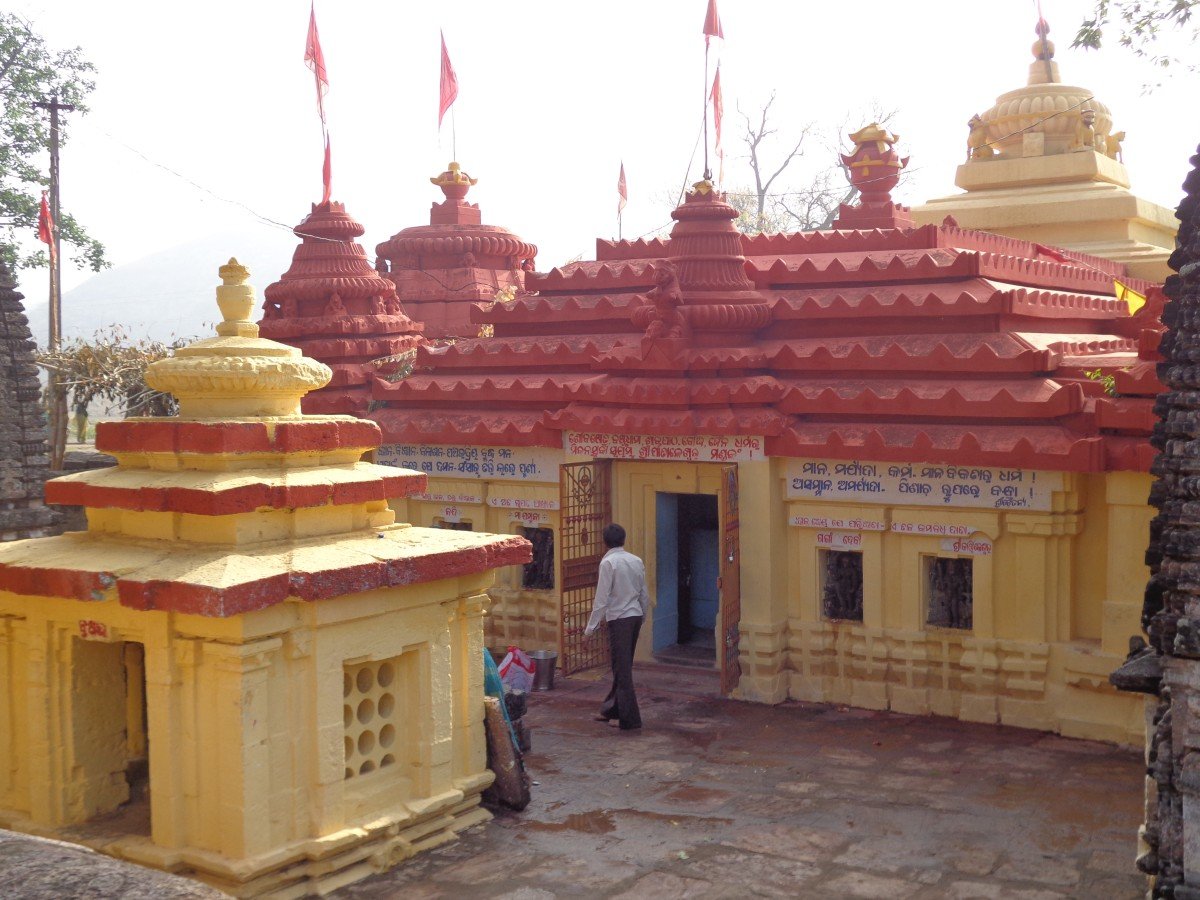
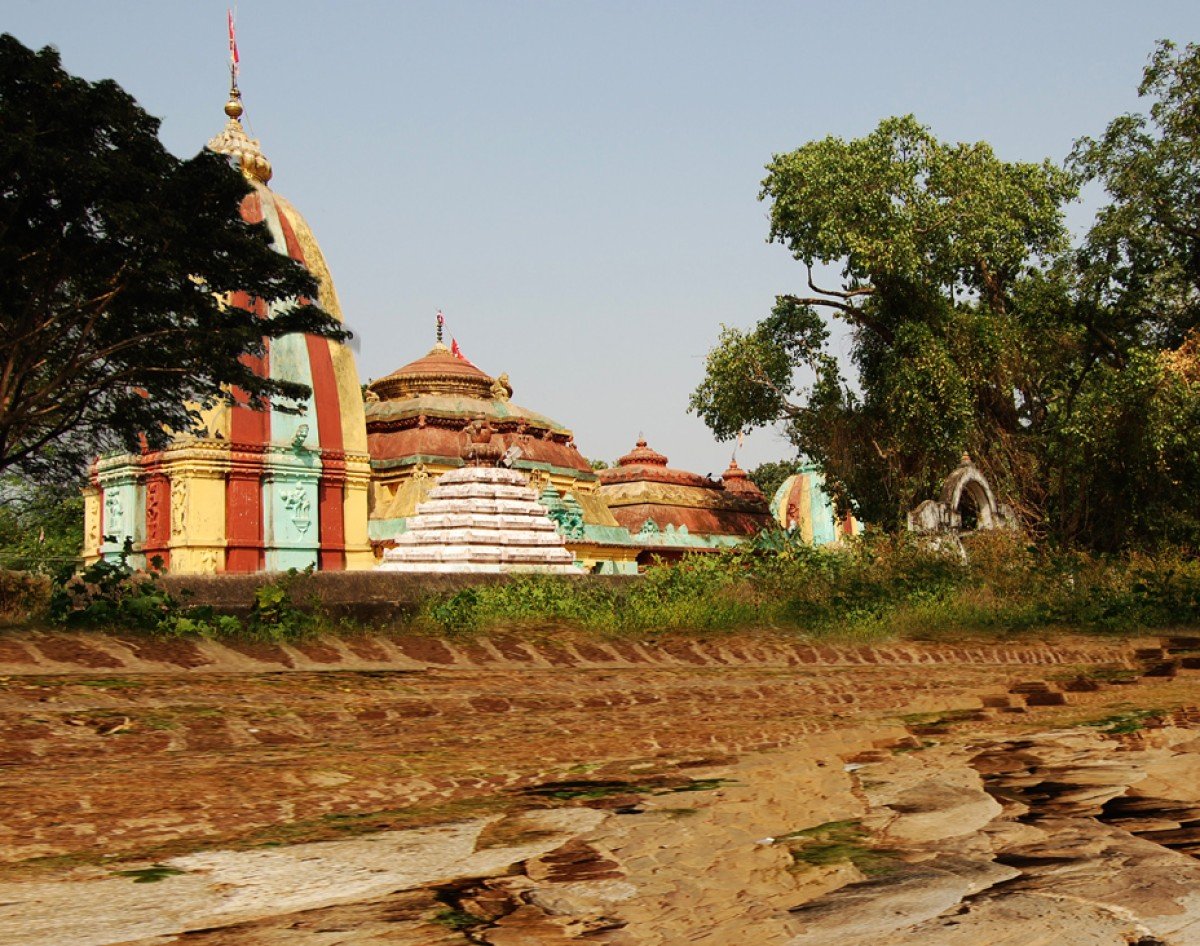
Sunset by the River: The panoramic view of the sun setting over the wide expanse of the Mahanadi and Tel rivers, framed by the temple's silhouette. :Photo Gallery
Things To Do
-
Ritual Bathing & Purification: (200+ words) Take a holy dip at the Triveni Sangam (confluence) of the Mahanadi and Tel rivers, believed to cleanse sins, especially on Makar Sankranti or Kartik Purnima. Perform Pooja and Abhisheka for Lord Shiva within the sanctum, especially on Mondays and during Shravan month.
Photography & Scenic Views: (250+ words) Capture the confluence view, particularly at sunrise or sunset, for stunning landscape shots; photograph the traditional Odia temple architecture and the river ghats.
Exploration of Shrines: (150+ words) Explore the subsidiary shrines dedicated to Ganesh, Kartik, and Parvati within the complex. Meditate quietly by the riverbank to experience the serene atmosphere. Stroll through the surrounding village and interact with local priests to learn mo...Ritual Bathing & Purification: (200+ words) Take a holy dip at the Triveni Sangam (confluence) of the Mahanadi and Tel rivers, believed to cleanse sins, especially on Makar Sankranti or Kartik Purnima. Perform Pooja and Abhisheka for Lord Shiva within the sanctum, especially on Mondays and during Shravan month.
Photography & Scenic Views: (250+ words) Capture the confluence view, particularly at sunrise or sunset, for stunning landscape shots; photograph the traditional Odia temple architecture and the river ghats.
Exploration of Shrines: (150+ words) Explore the subsidiary shrines dedicated to Ganesh, Kartik, and Parvati within the complex. Meditate quietly by the riverbank to experience the serene atmosphere. Stroll through the surrounding village and interact with local priests to learn more about the temple's history and folklore.
Local Souvenir Shopping: (100+ words) Look for local religious items and small crafts sold by vendors near the temple entrance. :
Information
-
Why Famous:
Mythological Connection: Famous for the legend that Lord Ram himself consecrated the Shiva Lingam during his forest exile, giving the temple its name, Rameswar.
Geographical Significance: Its location at the Tel-Mahanadi Sangam is considered...Mythological Connection: Famous for the legend that Lord Ram himself consecrated the Shiva Lingam during his forest exile, giving the temple its name, Rameswar.
Geographical Significance: Its location at the Tel-Mahanadi Sangam is considered extremely auspicious (a holy confluence), making it a major spot for Kartik Purnima and Makar Sankranti rituals.
Spiritual Importance: It is one of the most revered Saiva Pithas in the Subarnapur district, central to the religious identity of Western Odisha. : -
Architecture:
Style & Components: The temple features a traditional Odia temple style, comprising a sanctum (Garvagriha), an Assembly Hall (Jagamohan), and a Festival Hall (Natamandap), reminiscent of the Lingaraj Temple in Bhubaneswar but on a smaller scale.
...Style & Components: The temple features a traditional Odia temple style, comprising a sanctum (Garvagriha), an Assembly Hall (Jagamohan), and a Festival Hall (Natamandap), reminiscent of the Lingaraj Temple in Bhubaneswar but on a smaller scale.
Key Features: The Deula (sanctum tower) would typically follow the Rekha Deula style.
Dimension Estimate: While specific historical dimensions are unavailable, typical village temples of this era might measure approximately 10m in height, with the main structure base being around 8m x 8m. The use of local sandstone and simple, robust masonry is common in this region's post-Somavamshi era architecture. : -
How To Reach:
By Air: The Nearest Airport is Veer Surendra Sai Airport (JHG), Jharsuguda (approx. 144 KMS). From the airport, hire a prepaid taxi or take a bus to Sonepur.
By Train: The Nearest Major Railway Station is Rairakhol (RAIR) (approx. 68 KMS)...By Air: The Nearest Airport is Veer Surendra Sai Airport (JHG), Jharsuguda (approx. 144 KMS). From the airport, hire a prepaid taxi or take a bus to Sonepur.
By Train: The Nearest Major Railway Station is Rairakhol (RAIR) (approx. 68 KMS). Sonepur also has a local railway station, which may serve passenger trains.
By Road: Sonepur is well-connected by State Highways. Regular public and private bus services are available from major cities like Bhubaneswar, Sambalpur, and Bolangir.
By Local Transport: From Sonepur town center, hire an auto-rickshaw (Tuk-Tuk) or a cycle rickshaw; the temple is about 3 KMS away. : -
Weather and Best Time to Visit:
Different Seasons: Winter (October to March) is the Best Time due to pleasant temperatures (15°C to 25°C), making outdoor exploration comfortable. Monsoon (July to September) is scenic with a full river, but travel can be difficult. Summer (April to June) is Extremely Ho...Different Seasons: Winter (October to March) is the Best Time due to pleasant temperatures (15°C to 25°C), making outdoor exploration comfortable. Monsoon (July to September) is scenic with a full river, but travel can be difficult. Summer (April to June) is Extremely Hot (Avoid peak midday).
Different Parts of the Day: Early Morning (Sunrise) for the most spiritual experience (holy bath and calm atmosphere). Late Afternoon for sunset viewing and cooler air. : -
Near Tourist Places:
Subarnameru Temple (1 KM), Sureswari Temple (1. 5 KMS), Samaleswari Temple (4 KMS), Sonepur Royal Palace Ruins (4. 5 KMS), Patali Srikhetra (8 KMS), Bhima Bhoi Samadhi Pitha (15 KMS), Mahanadi Ghat (Sonepur), Lankeswari Temple (10 KMS), Kapileswar Temple (3 KMS), Gundicha & Nrusimhanath Temple (5 KMS). :
Tourism Tips
-
Health & Safety: Drink only bottled water. Be cautious while taking a bath in the river confluence, as currents can be strong.
Packing: Carry lightweight cotton clothing, and a hat/cap for sun protection. A small towel if you plan to bathe...Health & Safety: Drink only bottled water. Be cautious while taking a bath in the river confluence, as currents can be strong.
Packing: Carry lightweight cotton clothing, and a hat/cap for sun protection. A small towel if you plan to bathe in the river. Wear modest attire suitable for a temple.
Accommodation: Sonepur town offers budget and mid-range hotels/lodges. Bolangir (50 KMS) or Sambalpur (110 KMS) offer better options.
Other Topics: Respect local customs by removing footwear before entering. Carry cash as digital payment options might be limited. :
Reviews
FAQs
Sonepur Itineray And Cost:-
Other Places In Sonepur :-
Other States In India :-
Information about New and Updated Locations() of Odisha Has Been Added :-
Card subtitle
Note:-
Information provided here in good Faith and for reference only.
Near Places
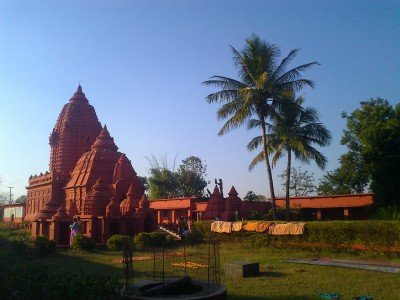
Bhima Bhoi Samadhi Pitha
Some quick example text to build on the card title and make up the bulk of the card's content.
Go somewhere
Forest Park / Manikeswari Park
Some quick example text to build on the card title and make up the bulk of the card's content.
Go somewhere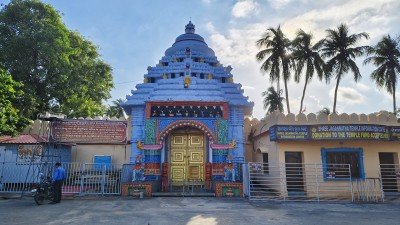
Gundicha Temple / Nursinghanath Temple
Some quick example text to build on the card title and make up the bulk of the card's content.
Go somewhere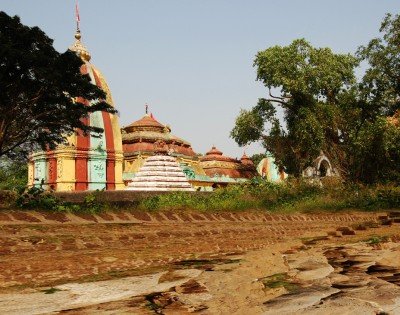
Kapileswar Temple
Some quick example text to build on the card title and make up the bulk of the card's content.
Go somewhere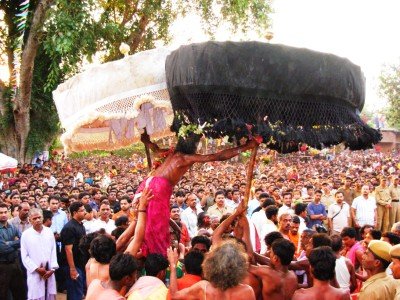
Lankeswari Temple
Some quick example text to build on the card title and make up the bulk of the card's content.
Go somewhere
Mahanadi Bridge Hikudi
Some quick example text to build on the card title and make up the bulk of the card's content.
Go somewhere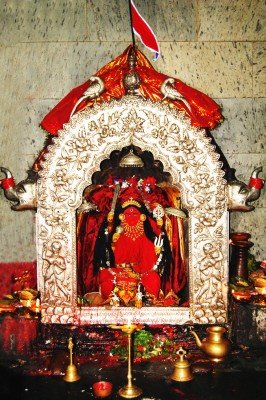
Mahanadi Ghat
Some quick example text to build on the card title and make up the bulk of the card's content.
Go somewhere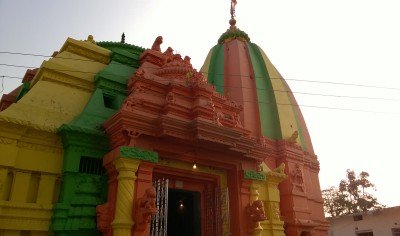
Manikeswari Temple
Some quick example text to build on the card title and make up the bulk of the card's content.
Go somewhere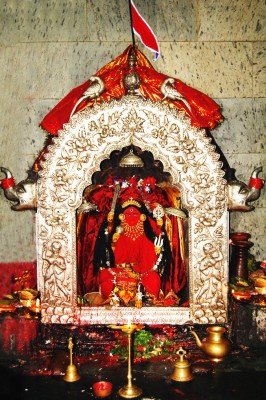
Metakani Temple
Some quick example text to build on the card title and make up the bulk of the card's content.
Go somewhere
Pancharatha Temple
Some quick example text to build on the card title and make up the bulk of the card's content.
Go somewhere
Papakshya Ghat
Some quick example text to build on the card title and make up the bulk of the card's content.
Go somewhere
Paschima Lanka
Some quick example text to build on the card title and make up the bulk of the card's content.
Go somewhere
Patali Srikhetra
Some quick example text to build on the card title and make up the bulk of the card's content.
Go somewhere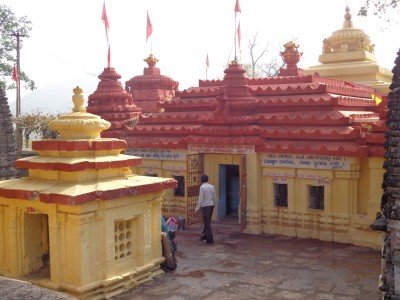
Rameswar Temple
Some quick example text to build on the card title and make up the bulk of the card's content.
Go somewhere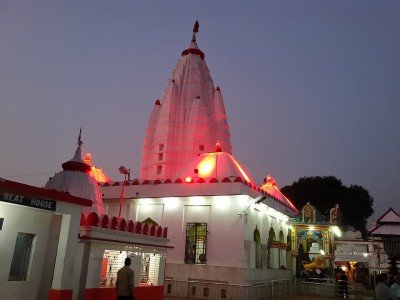
Samaleswari Temple
Some quick example text to build on the card title and make up the bulk of the card's content.
Go somewhere
Sashisena Temple
Some quick example text to build on the card title and make up the bulk of the card's content.
Go somewherein Other Cities