Ratanpur Fort
General information
-
Ideal Duration:
2 to 3 hours:Place Type:
Historical Site and Ancient Ruin:Entry Fees:
Admission and Accessibility: As of the latest reports, there is no official entry fee to visit the Ratanpur Fort (Gaj Kila) complex. The site is maintained by the Archaeological Survey of India (ASI) and is generally free for all domestic and international tourists to enter...Admission and Accessibility: As of the latest reports, there is no official entry fee to visit the Ratanpur Fort (Gaj Kila) complex. The site is maintained by the Archaeological Survey of India (ASI) and is generally free for all domestic and international tourists to enter and explore.
Photography and Videography Fees: There are typically no fees for carrying and using standard cameras or mobile phones for photography and videography. However, for commercial filming or drone usage, prior permission from the ASI and potential nominal fees may be required.
Parking and Guide Fees: Parking near the main fort entrance might involve a nominal fee collected by local authorities or a nearby trust. If a licensed local guide is hired, their charges are separate and should be negotiated beforehand.Timing:
Regular Timings and General Access: The fort is generally open for visitors throughout the week, typically from 6:00 AM to 6:00 PM or 10:00 AM to 5:00 PM, allowing ample time for exploration and sightseeing. Access is generally permitted during daylight hours.Regular Timings and General Access: The fort is generally open for visitors throughout the week, typically from 6:00 AM to 6:00 PM or 10:00 AM to 5:00 PM, allowing ample time for exploration and sightseeing. Access is generally permitted during daylight hours.
Ideal Visit Time for Comfort and Light: The ideal time to visit for comfortable walking and the best light for photography is during the early morning (6:00 AM to 10:00 AM) or the late afternoon (4:00 PM to 6:00 PM), as the midday sun can be intense.Special Events:
The Ratanpur Heritage Festival (Tentative): While not a yearly fixture, the fort grounds occasionally host a small-scale heritage festival or cultural event, often organized by the State Tourism Board in the winter months (November to February), featuring folk dances and his...The Ratanpur Heritage Festival (Tentative): While not a yearly fixture, the fort grounds occasionally host a small-scale heritage festival or cultural event, often organized by the State Tourism Board in the winter months (November to February), featuring folk dances and historical exhibitions related to the Kalachuri and Maratha eras.
Shivaratri Celebrations: Due to the nearby presence of ancient Shiva temples within the complex, the festival of Maha Shivaratri in February or March sees an increased religious fervor, attracting devotees who often combine their pilgrimage with a visit to the fort and its ruins.Best Photo Spots:
Panoramic View from the Highest Ruin: The best vantage point is from the highest accessible ruin or a surviving bastion wall, offering a sweeping panoramic view of the Ratanpur town, surrounding hills, and the distant tanks. This spot is ideal for wide-angle landscape shots...Panoramic View from the Highest Ruin: The best vantage point is from the highest accessible ruin or a surviving bastion wall, offering a sweeping panoramic view of the Ratanpur town, surrounding hills, and the distant tanks. This spot is ideal for wide-angle landscape shots.
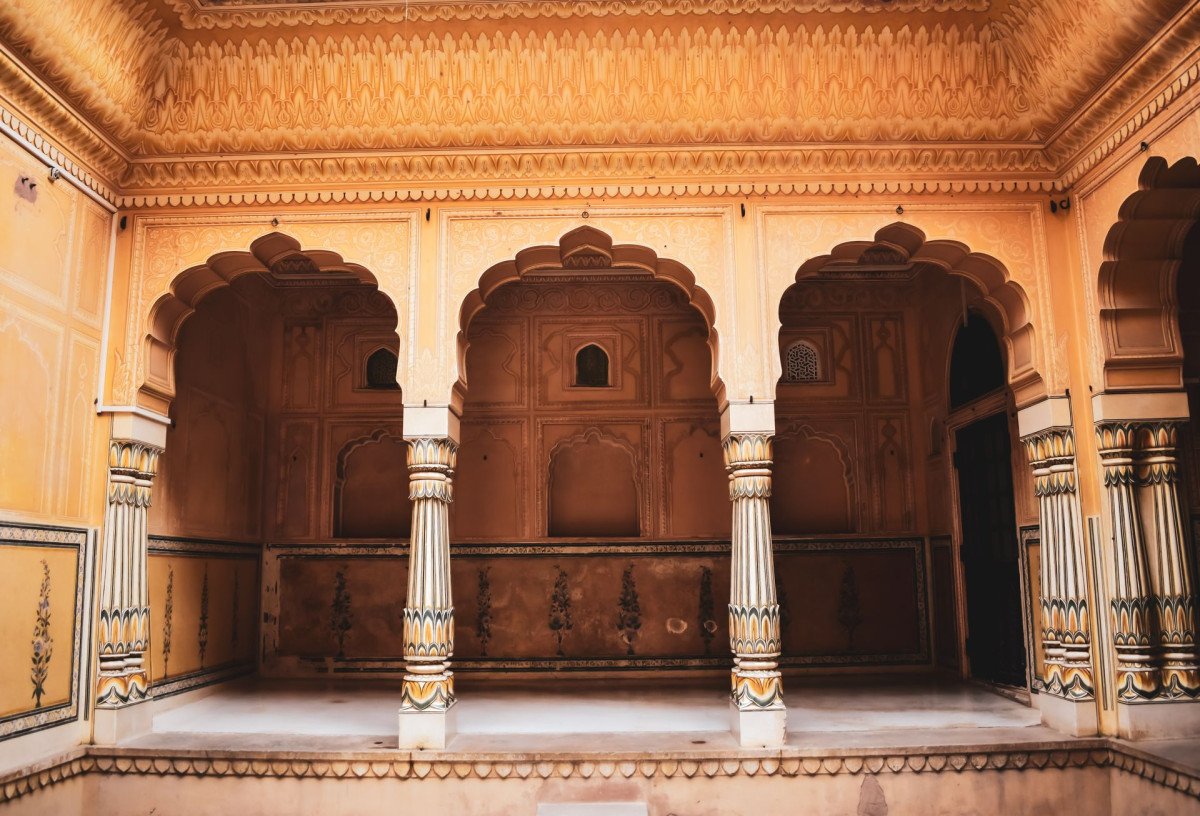
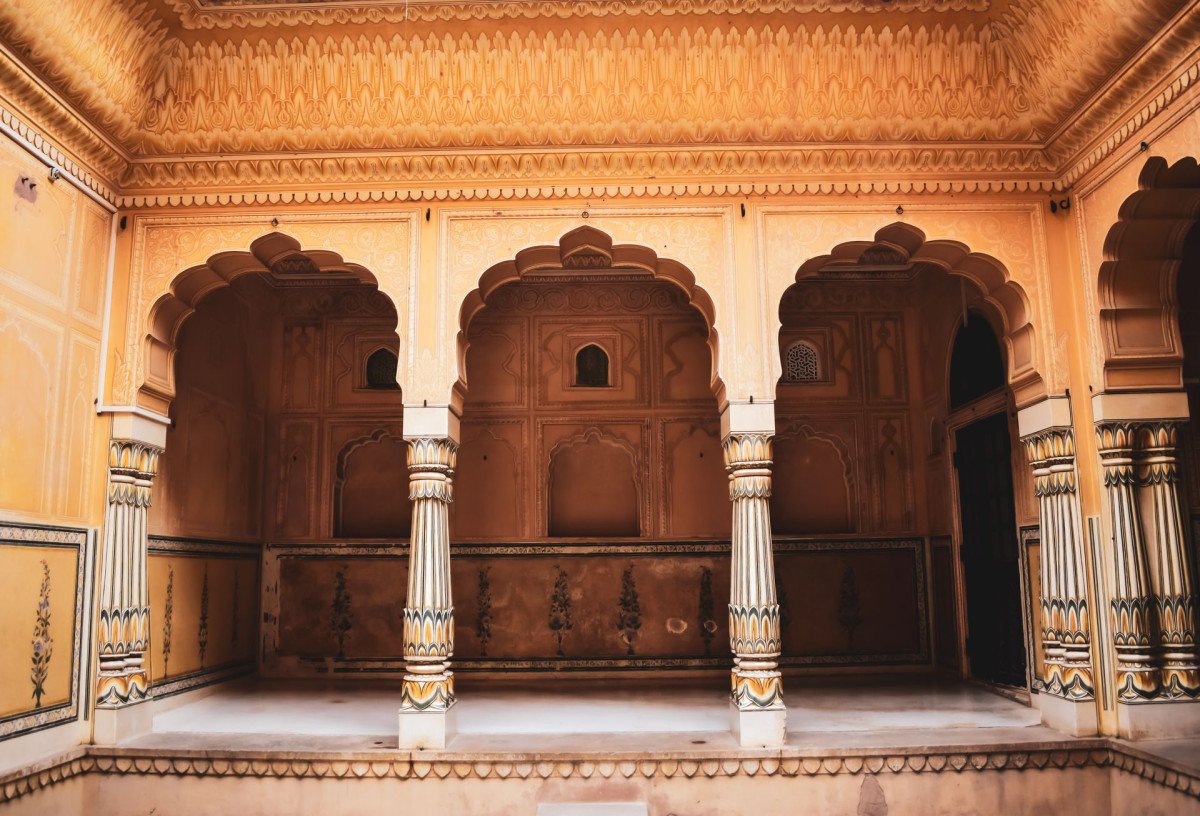
Intricate Carvings on the Main Gate: The remnants of the main fort gate feature beautifully detailed stone carvings of deities and figures; capturing these carvings in close-up detail, especially with the texture of the old stone, makes for striking cultural photos.
The Archway Silhouettes at Sunset: The broken archways and standing pillars of the inner structures offer dramatic silhouette photo opportunities, particularly during the golden hour of sunset when the sky casts vibrant colors.
Texture and Detail of the Ancient Masonry: Focus on the contrast between the rough-hewn, massive laterite stones and the finer, artistic work on the sandstone sections, ideal for abstract or textural photography that emphasizes the fort’s age.Photo Gallery
Things To Do
-
Exploring the Majestic Ruins and History: Visitors can spend several hours trekking through the extensive ruins, climbing the surviving watchtowers, and exploring the remains of the old palace and court areas. This activity offers a deep dive into the history of the Kalachuri era.
Photography of the Ancient Walls and Landscape: The crumbling ramparts and majestic gates provide stunning, dramatic backdrops for photography, especially during sunset. Capture the intricate carvings on the stone structures and the panoramic views of the Ratanpur town from the elevated sections of the fort.
Historical Walk and Picnic: Engage in a historical walk along the periphery, imagining the life of the medieval kings and soldiers. The surrounding areas, sometimes maintained as gardens, offer a peaceful setting...Exploring the Majestic Ruins and History: Visitors can spend several hours trekking through the extensive ruins, climbing the surviving watchtowers, and exploring the remains of the old palace and court areas. This activity offers a deep dive into the history of the Kalachuri era.
Photography of the Ancient Walls and Landscape: The crumbling ramparts and majestic gates provide stunning, dramatic backdrops for photography, especially during sunset. Capture the intricate carvings on the stone structures and the panoramic views of the Ratanpur town from the elevated sections of the fort.
Historical Walk and Picnic: Engage in a historical walk along the periphery, imagining the life of the medieval kings and soldiers. The surrounding areas, sometimes maintained as gardens, offer a peaceful setting for a small, reflective picnic.
Studying Kalachuri Art and Iconography: Take time to examine the surviving stone carvings, which depict various Hindu deities, royal figures, and cultural scenes. These carvings are invaluable sources for understanding the Kalachuri school of art and iconography.
Meditation and Reflection: The ruins, away from the main temple crowds, offer a quiet, ancient ambiance perfect for meditation or simple, peaceful reflection on the passage of time and the remnants of a once-great kingdom.
Visiting the Nearby ASI Protected Structures: Combine the visit with other nearby, smaller, ASI-protected remnants within the complex, which include minor shrines and old water tanks (talabs), often overlooked by general tourists.
Guided Tour for Deeper Insight: Hiring a local guide (if available) can transform the experience, providing detailed narratives and historical facts about the different sections of the fort and the lives of the Kalachuri kings.
Information
-
Why Famous:
The Grandeur of the Kalachuri Capital: The fort's primary fame comes from being the capital of the powerful Kalachuri dynasty of Ratanpur for many centuries, which controlled a vast region of Dakshin Kosal (modern Chhattisgarh). It was the seat of King Ratnadeva I and his s...The Grandeur of the Kalachuri Capital: The fort's primary fame comes from being the capital of the powerful Kalachuri dynasty of Ratanpur for many centuries, which controlled a vast region of Dakshin Kosal (modern Chhattisgarh). It was the seat of King Ratnadeva I and his successors.
Architectural Significance and Defence: The impressive ruins showcase the strategic and engineering prowess of the medieval builders. Its massive walls, formidable gateways, and elevated plateau location underscore its importance as an unconquered military base for a long period. The surviving relics offer historians and tourists a tangible connection to the region's ancient political and cultural apex, making it a major historical landmark in the state of Chhattisgarh. -
Architecture:
Fortification Style and Material Use: The fort primarily exhibits the structural style prevalent in the medieval era, focusing on defensive architecture. The use of locally sourced red sandstone and laterite stone is evident in the surviving walls and structures.Fortification Style and Material Use: The fort primarily exhibits the structural style prevalent in the medieval era, focusing on defensive architecture. The use of locally sourced red sandstone and laterite stone is evident in the surviving walls and structures.
Dimension: The exact total area is vast, but the surviving perimeter wall sections are thick, approximately 10 to 15 feet in places, designed for robust defense.
Gateways and Bastions: The fort originally featured four main gateways; the surviving gates and bastions show intricate stone carvings with Hindu mythological figures and scenes, suggesting a blend of military function with religious reverence. The architecture includes strategically placed watchtowers and semi-circular bastions along the wall. The style is characterized by strong, unadorned walls contrasted with finely carved details around the entrance and interior structures. The ruins of the internal palaces and buildings showcase the Kalachuri architectural influence, often featuring pillared halls and stone lintels. -
How To Reach:
By Air (Approx.
160 KMS): The nearest major airport is Swami Vivekananda International Airport (RPR) in Raipur. From Raipur, you can hire a private taxi or take a bus to Ratanpur via Bilaspur (NH130 and State Highways), which takes approximately 3. 5 to 4 hours. B...By Air (Approx.
160 KMS): The nearest major airport is Swami Vivekananda International Airport (RPR) in Raipur. From Raipur, you can hire a private taxi or take a bus to Ratanpur via Bilaspur (NH130 and State Highways), which takes approximately 3. 5 to 4 hours. By Train (Approx.
30 KMS): The nearest convenient railway station is Bilaspur Junction (BSP), which is a major railhead well-connected to all parts of India. From Bilaspur, numerous options like taxis, state buses, or private cabs are available to reach Ratanpur in about 1 hour. By Road (Approx.
30 KMS from Bilaspur): Ratanpur is well-connected by road on the Bilaspur-Ambikapur State Highway. State-run buses and private buses operate frequently from Bilaspur, Raipur, and other major cities. Self-driving is also convenient with well-maintained roads.
By Local Transport: Once in Ratanpur, the fort is easily accessible. You can use local auto-rickshaws or simply walk from the main town center, as the fort is located very close to the market area. -
Weather and Best Time to Visit:
Different Types of Seasons (Cooler Months are Best): The best time to visit is during the winter season, from October to March, when the weather is pleasantly cool and dry, making it ideal for exploring the open-air ruins. The monsoon season (July to September) brings lush greenery, which is beauti...Different Types of Seasons (Cooler Months are Best): The best time to visit is during the winter season, from October to March, when the weather is pleasantly cool and dry, making it ideal for exploring the open-air ruins. The monsoon season (July to September) brings lush greenery, which is beautiful but can make the ruins slippery. The summer months (April to June) are extremely hot and should be avoided.
Different Parts of the Day (Avoid Midday Sun): The ideal time of day is either early morning (post-sunrise) or late afternoon (pre-sunset) to avoid the harsh midday sun, which is best for comfortable exploration and taking high-quality photographs with soft, golden light. -
Near Tourist Places:
Mahamaya Temple (1 KM), Kanti Deval Temple Complex (1. 5 KMS), Bhairavnath Mandir (2 KMS), Ram Tekri Temple (3 KMS), Khutaghat Dam (5 KMS), Lutara Shareef (20 KMS), Achanakmar Wildlife Sanctuary (65 KMS), Malhar Archaeological Site (40 KMS), Pali (55 KMS), Kanan Pendari Zoo (28 KMS).
Tourism Tips
-
Health & Safety (Sun Protection and Hydration): Always carry water bottles and wear a hat or cap, especially during sunny days, to prevent heatstroke. Wear comfortable, closed-toe walking shoes as the terrain within the ruins can be uneven and rocky. Be cautious of broken ...Health & Safety (Sun Protection and Hydration): Always carry water bottles and wear a hat or cap, especially during sunny days, to prevent heatstroke. Wear comfortable, closed-toe walking shoes as the terrain within the ruins can be uneven and rocky. Be cautious of broken steps and crumbling walls.
Packing (Camera Gear and ID): Bring a camera to capture the majestic ruins. Carry a valid Government ID for identification. Sunscreen and insect repellent are recommended, especially if visiting during the late afternoon or monsoon.
Accommodation (Bilaspur or Local Ratanpur): For better amenities and comfort, consider staying in Bilaspur (approx. 30 KMS away), which has better hotels. Basic guesthouses and dharamshalas are available in Ratanpur near the major temples.
Other Different Topics (Local Guides and Respect): Hiring a local guide can enrich the historical understanding of the fort. Respect the ancient structure by not climbing on delicate walls and disposing of waste properly. Check the latest ASI timings before planning.
Reviews
FAQs
Ratanpur Itineray And Cost:-
Other Places In Ratanpur :-
Other States In India :-
Information about New and Updated Locations() of Chhattisgarh Has Been Added :-
Card subtitle
Note:-
Information provided here in good Faith and for reference only.
Near Places
Ancient Fort
Some quick example text to build on the card title and make up the bulk of the card's content.
Go somewhere
Bhairavnath Mandir
Some quick example text to build on the card title and make up the bulk of the card's content.
Go somewhere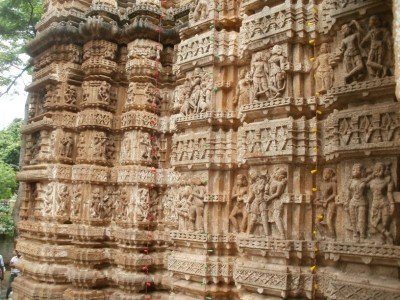
Bhoramdeo Temple
Some quick example text to build on the card title and make up the bulk of the card's content.
Go somewhere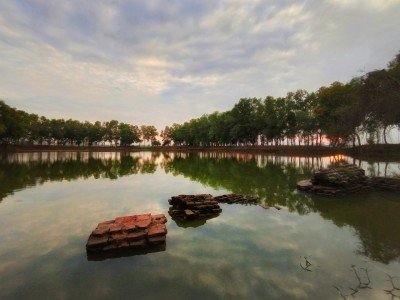
Chacheri Dam
Some quick example text to build on the card title and make up the bulk of the card's content.
Go somewhere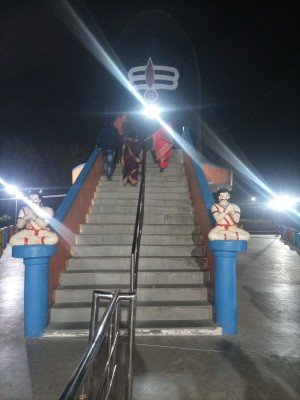
Damru Ghati
Some quick example text to build on the card title and make up the bulk of the card's content.
Go somewhere
Devrani Jethani Temple
Some quick example text to build on the card title and make up the bulk of the card's content.
Go somewhere
Didneswari Temple
Some quick example text to build on the card title and make up the bulk of the card's content.
Go somewhere
Jaitkham
Some quick example text to build on the card title and make up the bulk of the card's content.
Go somewhere
Kanan Pendari Zoo Park
Some quick example text to build on the card title and make up the bulk of the card's content.
Go somewhere
Kanti Deval Temple Complex
Some quick example text to build on the card title and make up the bulk of the card's content.
Go somewhere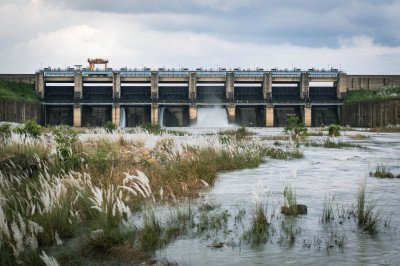
Khadia Dam
Some quick example text to build on the card title and make up the bulk of the card's content.
Go somewhere
Kharaud
Some quick example text to build on the card title and make up the bulk of the card's content.
Go somewhere
Khutaghat Dam
Some quick example text to build on the card title and make up the bulk of the card's content.
Go somewhere
Lafagarh
Some quick example text to build on the card title and make up the bulk of the card's content.
Go somewhere
Mahamaya Temple
Some quick example text to build on the card title and make up the bulk of the card's content.
Go somewhere
Malhar
Some quick example text to build on the card title and make up the bulk of the card's content.
Go somewherein Other Cities