
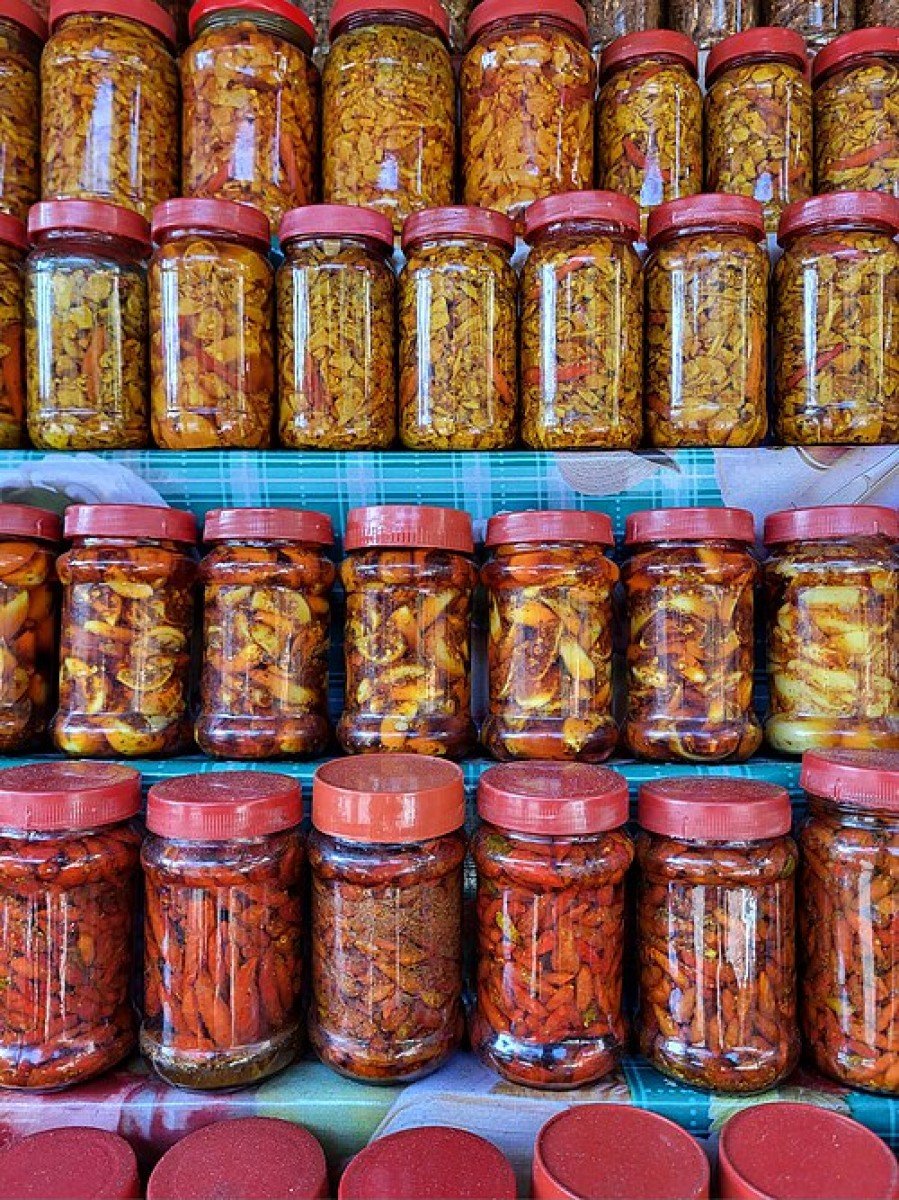
Ribhoi District Museum
General information
-
Ideal Duration:
1 Hour:Place Type:
Museum, Heritage Site:Entry Fees:
Minimal Entry Fee: The entry fee is very small, typically ranging from Rs.10 to Rs.20 per person, meant to make the cultural heritage accessible to all citizens and visitors.
Fee for Foreign Nationals: A slightly higher fee (e. g. , Rs.50 to Rs.100)...Minimal Entry Fee: The entry fee is very small, typically ranging from Rs.10 to Rs.20 per person, meant to make the cultural heritage accessible to all citizens and visitors.
Fee for Foreign Nationals: A slightly higher fee (e. g. , Rs.50 to Rs.100) may be levied for foreign tourists, a common practice in Indian museums and heritage sites.
Photography/Videography Fees: There may be a small, separate fee (e. g. , Rs.50 to Rs.100) required for using a camera, but mobile phone photography is often included in the entry price. The fee helps fund the conservation of the delicate artifacts.Timing:
Regular Timings: Open from 10:00 AM to 5:00 PM on all weekdays (Monday to Saturday). It is generally Closed on Sundays and major national/state holidays for maintenance.
Ideal Visit Time: Late Morning (11:00 AM to 1:00 PM) is usually the qu...Regular Timings: Open from 10:00 AM to 5:00 PM on all weekdays (Monday to Saturday). It is generally Closed on Sundays and major national/state holidays for maintenance.
Ideal Visit Time: Late Morning (11:00 AM to 1:00 PM) is usually the quietest time, offering the best opportunity for a detailed and peaceful exploration of the exhibits without the rush of other visitors.
Curator Availability: Visiting during the administrative hours (10:00 AM to 4:00 PM) increases the chances of meeting the curator or a knowledgeable attendant who can provide valuable insights into the exhibits.Special Events:
International Museum Day (May 18th): The museum may host special talks, guided tours, and even temporary exhibits focused on a specific theme, drawing in local schools and the public for a day of cultural immersion.
Ri-Bhoi Cultural Festival (In...International Museum Day (May 18th): The museum may host special talks, guided tours, and even temporary exhibits focused on a specific theme, drawing in local schools and the public for a day of cultural immersion.
Ri-Bhoi Cultural Festival (Informal): Occasionally, the museum coordinates with the district administration to host a small, informal cultural event that includes live traditional music and dance performances right on the museum grounds.Best Photo Spots:
The Entrance Exhibit: The first artifact or large photograph at the entry often summarizes the Bhoi identity, providing a strong contextual background for a header photo.
The Traditional Weapons Display: The display of historical hunting spe...The Entrance Exhibit: The first artifact or large photograph at the entry often summarizes the Bhoi identity, providing a strong contextual background for a header photo.
The Traditional Weapons Display: The display of historical hunting spears, bows, and shields offers a dramatic, cultural photo opportunity, focusing on the texture of the materials.
Attire and Textiles Display: The intricate patterns and vibrant colors of the traditional shawls and ceremonial costumes provide excellent subjects for close-up, detail-oriented photography.Photo Gallery
Things To Do
-
Guided Tour Experience: Request a brief, guided tour from the museum attendant, as they can often provide oral histories and context for the artifacts that are not available in the written labels, deepening your understanding of the Bhoi culture.
Studying Traditional Attire: Spend time examining the traditional dress, textiles, and weaving patterns of the local community, noting the differences between everyday wear and ceremonial dress.
Photography of Artifacts: Take respectful, close-up photographs of the traditional musical instruments and tools, focusing on the craftsmanship and materials (often wood, bamboo, and metal). Check for photography rules first.
Reading the Descriptive Panels: Carefully read the accompanying texts for a deeper understanding of the ...Guided Tour Experience: Request a brief, guided tour from the museum attendant, as they can often provide oral histories and context for the artifacts that are not available in the written labels, deepening your understanding of the Bhoi culture.
Studying Traditional Attire: Spend time examining the traditional dress, textiles, and weaving patterns of the local community, noting the differences between everyday wear and ceremonial dress.
Photography of Artifacts: Take respectful, close-up photographs of the traditional musical instruments and tools, focusing on the craftsmanship and materials (often wood, bamboo, and metal). Check for photography rules first.
Reading the Descriptive Panels: Carefully read the accompanying texts for a deeper understanding of the matrilineal system and the indigenous belief systems of the area.
Visiting the Monolith Display: If a section is dedicated to the Bhoi Monoliths, study the photos and descriptions to plan a visit to the actual sites in the villages around Nongpoh.
Purchasing Souvenirs: Check if the museum has a small shop selling local crafts or replicas, as this is a great way to support local artisans and acquire an authentic memento.
Documenting Folk Instruments: Research the names and uses of the traditional folk instruments on display, such as the Duitara (string instrument), to appreciate their role in local ceremonies and music.
Information
-
Why Famous:
Showcase of the Bhoi Culture: It is renowned as the only dedicated public space that systematically documents and preserves the unique history and distinct culture of the Bhoi people, giving this sub-tribe its own identity platform.
Historical C...Showcase of the Bhoi Culture: It is renowned as the only dedicated public space that systematically documents and preserves the unique history and distinct culture of the Bhoi people, giving this sub-tribe its own identity platform.
Historical Context Provider: For any traveler, it offers the essential historical and cultural context needed to appreciate the villages and landscapes of the Ri-Bhoi district, acting as an introduction to the local world view. -
Architecture:
Simple Display Gallery Design: The museum is likely housed in a part of a government building or a small, purpose-built structure, featuring a simple, linear gallery layout with glass display cases and wall panels. The design is functional, prioritizing the safety and visib...Simple Display Gallery Design: The museum is likely housed in a part of a government building or a small, purpose-built structure, featuring a simple, linear gallery layout with glass display cases and wall panels. The design is functional, prioritizing the safety and visibility of the artifacts.
Exhibit Case Dimensions: Artifacts are displayed in standard museum-quality display cases, usually about 1. 5 meters high and ranging in length, with controlled lighting to prevent damage to the delicate textiles and wooden items.
Interior Themes: The internal architecture uses distinct sections to cover different themes: Tribal Dress, Weapons and Tools, Musical Instruments, and Daily Life, using a neutral color palette on the walls to draw attention to the artifacts. The entry lobby might feature a large map of the Ri-Bhoi district. -
How To Reach:
By Air: Fly to Guwahati Airport (GAU, 55 KMS). Take a direct taxi or bus to Nongpoh via NH 6. The museum is located in the town's administrative area, usually well signposted from the main highway.
By Train: Reach Guwahati Railway Station ...By Air: Fly to Guwahati Airport (GAU, 55 KMS). Take a direct taxi or bus to Nongpoh via NH 6. The museum is located in the town's administrative area, usually well signposted from the main highway.
By Train: Reach Guwahati Railway Station (GHY, 48 KMS). From there, take a shared or private taxi to Nongpoh. Ask for the DC Office Complex or the main administrative area.
By Road: Nongpoh is on NH 6. Buses from Guwahati and Shillong are frequent. Once in Nongpoh town, the museum is located in a cluster of government buildings, which is a known area.
By Local Transport: The museum is easily reachable by local shared taxis or hired auto-rickshaws from the main market area of Nongpoh. Since it's in the government complex, all local drivers know the destination well. -
Weather and Best Time to Visit:
Different Types of Seasons: Winter (October to March) is the ideal season for a visit, as the cool weather makes the overall experience and the travel to the location very comfortable, without the risk of rain disrupting the commute. Monsoon offers a good indoor activity fo...Different Types of Seasons: Winter (October to March) is the ideal season for a visit, as the cool weather makes the overall experience and the travel to the location very comfortable, without the risk of rain disrupting the commute. Monsoon offers a good indoor activity for rainy days.
Different Parts of the Day: Morning is the best time for a focused, educational visit. The lighting inside may be best during the middle of the day, utilizing the maximum natural light for viewing the artifacts. -
Near Tourist Places:
Ribhoi College (0. 5 KM), DC Office Complex (0. 2 KM), Nongpoh Market (2. 5 KMS), Nongpoh Eco Park (5 KMS), Nongpoh Sports Stadium (3 KMS), Lum Sohpetbneng (21 KMS), Bhoi Monoliths (various locations), Umsning (25 KMS), Guwahati (48 KMS), Shillong (52 KMS).
Tourism Tips
-
Health & Safety: Do not touch the artifacts; keep a safe distance from the display cases to prevent accidental damage. Respect the silence required in a museum.
Packing: Carry a small notebook to take notes on the exhibits, especially the ...Health & Safety: Do not touch the artifacts; keep a safe distance from the display cases to prevent accidental damage. Respect the silence required in a museum.
Packing: Carry a small notebook to take notes on the exhibits, especially the Bhoi cultural information, which is a great travel memory. Be sure to carry your photo ID.
Accommodation: Stay in the main town of Nongpoh near the administrative centre or the highway for best access to the museum and other local amenities.
Other Tips: Inquire about any temporary exhibitions that might be running. Always ask permission before taking a photo inside. Plan to combine the visit with the nearby Ribhoi District Library and other administrative offices.
Reviews
FAQs
Nongpoh Itineray And Cost:-
Ribhoi District Museum Tourism:-
Other Places In Nongpoh :-
Other States In India :-
Information about New and Updated Locations() of Meghalaya Has Been Added :-
Card subtitle
Note:-
Information provided here in good Faith and for reference only.
Near Places

Baniun Waterfall
Some quick example text to build on the card title and make up the bulk of the card's content.
Go somewhere
Barapani River
Some quick example text to build on the card title and make up the bulk of the card's content.
Go somewhere
Dwarksuid
Some quick example text to build on the card title and make up the bulk of the card's content.
Go somewhere
Jingmaw
Some quick example text to build on the card title and make up the bulk of the card's content.
Go somewhere
Kyrdemkulai
Some quick example text to build on the card title and make up the bulk of the card's content.
Go somewhere
Lum Sohpetbneng Peak
Some quick example text to build on the card title and make up the bulk of the card's content.
Go somewhere
Madan Laban
Some quick example text to build on the card title and make up the bulk of the card's content.
Go somewhere
Mawhati
Some quick example text to build on the card title and make up the bulk of the card's content.
Go somewhere
Mawroh Viewpoint
Some quick example text to build on the card title and make up the bulk of the card's content.
Go somewhere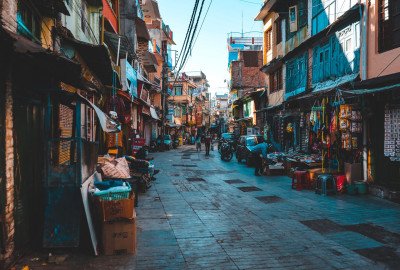
Nongpoh Bazaar
Some quick example text to build on the card title and make up the bulk of the card's content.
Go somewhere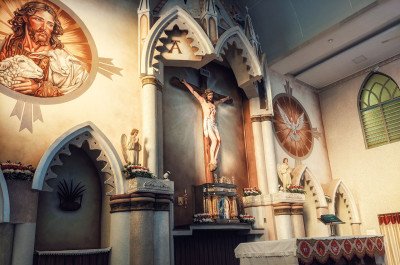
Nongpoh Catholic Church
Some quick example text to build on the card title and make up the bulk of the card's content.
Go somewhere
Ri-Bhoi District Museum
Some quick example text to build on the card title and make up the bulk of the card's content.
Go somewhere
Ri-Bhoi Tea Estate
Some quick example text to build on the card title and make up the bulk of the card's content.
Go somewhere
Sankhat
Some quick example text to build on the card title and make up the bulk of the card's content.
Go somewhere
Sohliya Farm
Some quick example text to build on the card title and make up the bulk of the card's content.
Go somewhere
Thangskai
Some quick example text to build on the card title and make up the bulk of the card's content.
Go somewherein Other Cities