
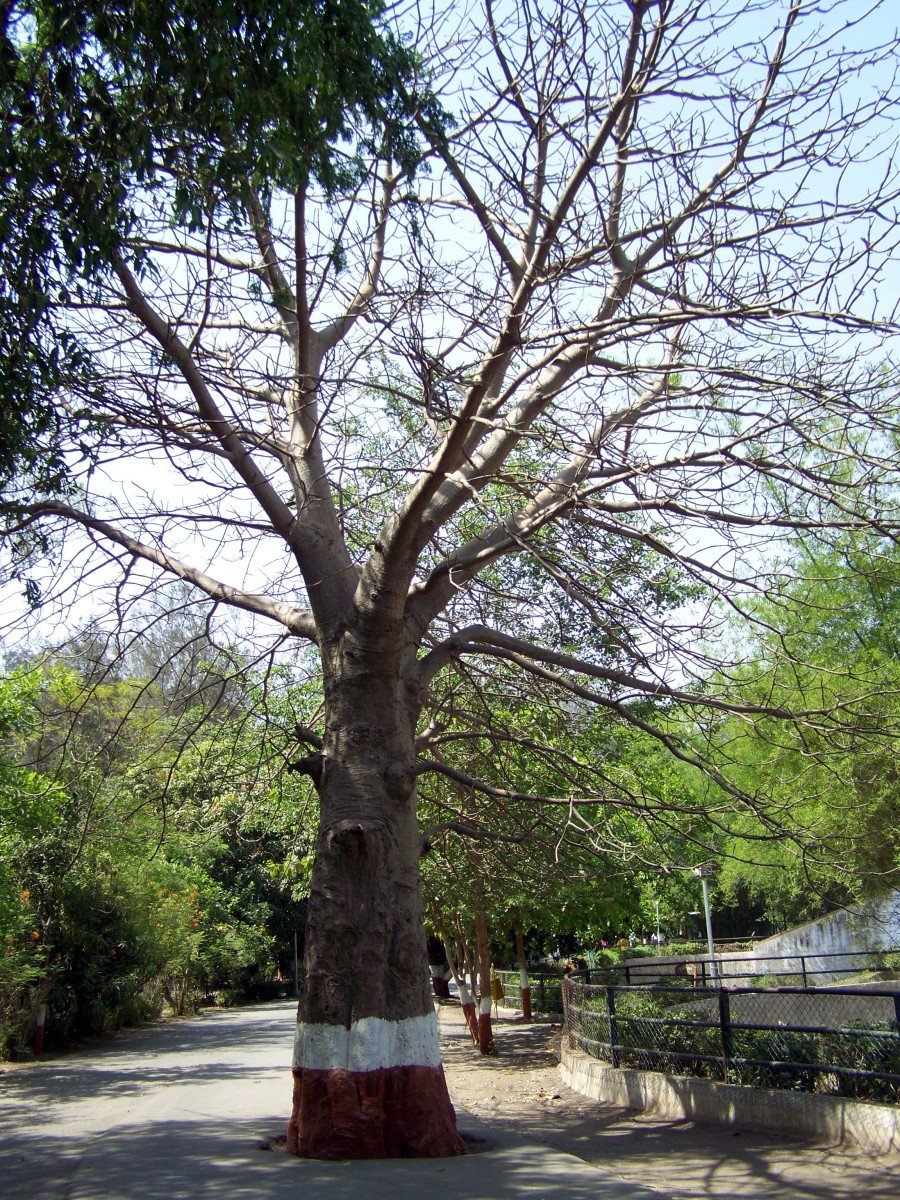
Sarthana Nature Park
General information
-
Ideal Duration:
3-4 HoursPlace Type:
Zoo, Nature Park, Wildlife, EducationalEntry Fees:
Adult Entry Fee (12+ Years): The entry fee for Sarthana Nature Park is very low-cost, typically around Rs.30 per person for adults (age 12+ years).
Child/Senior Fee: There is a concession rate for children (ages 3-12) and senior citizens (e. g...Adult Entry Fee (12+ Years): The entry fee for Sarthana Nature Park is very low-cost, typically around Rs.30 per person for adults (age 12+ years).
Child/Senior Fee: There is a concession rate for children (ages 3-12) and senior citizens (e. g. , Rs.20), and a heavily subsidized or free rate for school groups and certain welfare institutes (e. g. , Rs.10 or Free).
Foreigner Fee: Foreign visitors are charged a higher, yet still reasonable, fee (e. g. , Rs.200 for adults, Rs.50 for children), often including a guide map.
Camera Charges: There are separate charges for still cameras (e. g. , Rs.50) and domestic video cameras (e. g. , Rs.150), and a very high fee for professional filming (Rs.5,000+), which requires prior approval.Timing:
Regular Timings: The park is generally open from 10:00 AM to 5:00 PM (Tuesday to Sunday).
Note: It is typically Closed on Mondays and certain public holidays, so check before visiting.
Ideal Visit Time: The ...Regular Timings: The park is generally open from 10:00 AM to 5:00 PM (Tuesday to Sunday).
Note: It is typically Closed on Mondays and certain public holidays, so check before visiting.
Ideal Visit Time: The Ideal Visit Time is during the early morning hours, immediately after opening (10:00 AM to 12:00 PM). Animals are most active and likely to be seen during the cooler morning hours before the heat of the day, offering the best viewing opportunity.Special Events:
Wildlife Week Celebrations: The most significant event is the observance of Wildlife Week (usually in October), during which the park offers free entry for certain groups, organizes special educational activities, photography competitions, and expert talks to promote conserv...Wildlife Week Celebrations: The most significant event is the observance of Wildlife Week (usually in October), during which the park offers free entry for certain groups, organizes special educational activities, photography competitions, and expert talks to promote conservation.
World Environment Day: On June 5th, World Environment Day, the park often hosts special events, tree-planting drives, and educational programs, with free entry for children and students to raise environmental awareness.
Animal Adoption Programs: Periodically, the park organizes events to promote its animal adoption and sponsorship schemes, which are crucial for the park's funding and the animal's welfare, inviting public participation.Best Photo Spots:
Animal Action Shots: The best photo spots are near the viewing windows of active animals, especially during feeding or when they are moving around, providing dynamic wildlife shots (be patient!).
Landscape with Water Features: Capture the la...Animal Action Shots: The best photo spots are near the viewing windows of active animals, especially during feeding or when they are moving around, providing dynamic wildlife shots (be patient!).
Landscape with Water Features: Capture the large enclosures that incorporate water bodies, such as the hippo or crocodile enclosures, using the water as a foreground element for a more scenic shot.
Main Entrance and Signage: The official entrance gate with the large sign is a good spot for a standard tourist picture, marking your visit to the park.
Thematic Displays: Photograph the thematic educational displays or any animal sculptures around the park, which make for good background photos, symbolizing the park's mission.Photo Gallery
Things To Do
-
Observe Wildlife in Naturalistic Enclosures:
Primary Activity: Spend time observing the behavior of the various animals—the leopards, the deer, the crocodiles, and the array of birds—in their spacious, naturalistic habitats.
Take the Safari Bus Tour (If Available): Check if the park offers a mini-bus or tram service for a guided tour, which can be helpful for covering the large area and gaining guided commentary on the different species and park's operations.
Visit the Educational Kiosks: Read the informational signboards at each enclosure, which provide details about the species, their habitat, diet, and conservation status, maximizing the educational value of your visit.
Enjoy a Family Picnic: Utilize the designated picnic a...Observe Wildlife in Naturalistic Enclosures:
Primary Activity: Spend time observing the behavior of the various animals—the leopards, the deer, the crocodiles, and the array of birds—in their spacious, naturalistic habitats.
Take the Safari Bus Tour (If Available): Check if the park offers a mini-bus or tram service for a guided tour, which can be helpful for covering the large area and gaining guided commentary on the different species and park's operations.
Visit the Educational Kiosks: Read the informational signboards at each enclosure, which provide details about the species, their habitat, diet, and conservation status, maximizing the educational value of your visit.
Enjoy a Family Picnic: Utilize the designated picnic areas and lawns for a relaxing break with family and friends amidst the greenery, but ensure you only consume food in the allowed areas.
Bird Watching: Bring a pair of binoculars and dedicate time to the bird enclosures or the areas with tall trees, as the park attracts many local bird species.
Photography of Animals and Nature: Capture the animals, the lush greenery, and the interesting enclosure designs. Use a zoom lens to respect the animal's space and get clear shots.
Children’s Play Area: Utilize the dedicated children's play area, which usually features swings and other activities suitable for younger visitors, allowing them to expend energy safely.
Information
-
Why Famous:
Wildlife Conservation and Biodiversity: It is famous as the only major zoo and nature park in Surat, serving as the primary center for wildlife conservation, education, and animal rescue operations in the region.
Home to Diverse Species: The...Wildlife Conservation and Biodiversity: It is famous as the only major zoo and nature park in Surat, serving as the primary center for wildlife conservation, education, and animal rescue operations in the region.
Home to Diverse Species: The park is renowned for its diverse collection of indigenous and exotic species, including large mammals like Hippos and various feline species, making it a unique place for viewing and learning about animal life.
Educational Outing: It is a favorite educational destination for school children and families, combining a fun outing with important lessons on biodiversity and environmental science. -
Architecture:
Naturalistic and Functional Enclosure Design: The architecture of Sarthana Nature Park is focused on "naturalistic enclosures," aiming to recreate the animals' natural habitat using rocks, water features, and dense vegetation. This modern approach is a move away from the ol...Naturalistic and Functional Enclosure Design: The architecture of Sarthana Nature Park is focused on "naturalistic enclosures," aiming to recreate the animals' natural habitat using rocks, water features, and dense vegetation. This modern approach is a move away from the older, cage-style zoo architecture.
Enclosure Dimensions and Layout: The park spans a large area, providing expansive, open-air enclosures for large mammals. For example, the enclosures for animals like the Leopards or the Hippos are built to a substantial size, often measuring several hundred square meters, to allow for natural movement and behavior. The public viewing areas are separated from the enclosures by moats, reinforced fencing, or thick glass, ensuring safety and an optimal, barrier-free viewing experience. The overall layout includes wide, pedestrian-only paths that weave through the various sections, with resting points and information kiosks. The materials used are durable, animal-safe, and blend with the natural surroundings, such as reinforced concrete for moats and sturdy, high-tensile steel mesh for the perimeter fencing of certain sections. The design is utilitarian, emphasizing animal welfare and visitor education. -
How To Reach:
By Air: The nearest airport is Surat International Airport (STV), approx. 20-25 KMS away. A taxi/cab is the best way to cover the distance to the park, which is located on the outskirts, taking about 45-60 minutes.
By Train: Surat Railway ...By Air: The nearest airport is Surat International Airport (STV), approx. 20-25 KMS away. A taxi/cab is the best way to cover the distance to the park, which is located on the outskirts, taking about 45-60 minutes.
By Train: Surat Railway Station (ST) is about 12-15 KMS away. You can hire a pre-paid auto-rickshaw or app-based cab. The distance is significant, so negotiate the fare or use a cab app. The travel time is typically 30-40 minutes.
By Road: The park is located on the Surat-Kamrej Highway (a bypass route), making it easily accessible by road from the city center via the Ring Road.
By Local Transport: Due to its peripheral location, local buses are an option but may require walking from the main highway stops. App-based cabs or hiring a full-day auto-rickshaw are the most convenient ways to reach the park and return to the city. -
Weather and Best Time to Visit:
Different Types of Seasons: Winter (October to March) is the Best Time to Visit. The weather is cool and pleasant for a 3-4 hour walk outdoors, and the animals are more active. Monsoon makes the park lush green, but heavy rain can restrict movement and animal visibility. ...Different Types of Seasons: Winter (October to March) is the Best Time to Visit. The weather is cool and pleasant for a 3-4 hour walk outdoors, and the animals are more active. Monsoon makes the park lush green, but heavy rain can restrict movement and animal visibility. Avoid the extreme heat of the Summer months.
Different Parts of the Day: Morning (10:00 AM to 12:00 PM) is the Best Part of the Day to visit. The air is cooler, and the animals, especially the big cats and primates, are more active and visible before they retreat to the shade in the hotter afternoon hours. -
Near Tourist Places:
Jagdish Chandra Bose Aquarium (12 KMS), Science Centre (13 KMS), ISKCON Temple (Surat) (11 KMS), Gopi Talav (15 KMS), Kamrej Town (15 KMS), Amaazia Waterpark (10 KMS), Sneh Rashmi Botanical Garden (15 KMS), Jawaharlal Nehru Garden (14 KMS), VR Surat Mall (15 KMS), Dumas Beach (30 KMS).
Tourism Tips
-
Health & Safety: Follow all safety instructions, especially around the enclosures. Never feed the animals, as it is dangerous for them and strictly prohibited. Keep children close and under supervision.
Packing: Wear comfortable walking sh...Health & Safety: Follow all safety instructions, especially around the enclosures. Never feed the animals, as it is dangerous for them and strictly prohibited. Keep children close and under supervision.
Packing: Wear comfortable walking shoes, as the park is very large. Carry a hat, sunglasses, and sunblock for protection. Bring your own water bottle, though water points are available. Binoculars and a zoom lens for your camera are highly recommended.
Accommodation: Accommodation should be booked in the main city (Surat) in areas like Piplod or near the Ring Road for easy access. There are no tourist hotels near the park itself.
Other Different Topics Heading:
Food: Eating inside the main enclosure areas is usually restricted to specific picnic spots.
Littering: Maintain strict no-littering rules to keep the park clean and the animals safe.
Animal Welfare: Respect the animals’ space and silence; loud noises can stress them.
Reviews
FAQs
Surat Itineray And Cost:-
Sarthana Nature Park Tourism:-
Other Places In Surat :-
Other States In India :-
Information about New and Updated Locations() of Gujarat Has Been Added :-
Card subtitle
Note:-
Information provided here in good Faith and for reference only.
Near Places

Amaazia Water Park
Some quick example text to build on the card title and make up the bulk of the card's content.
Go somewhere
Ambika Niketan Temple
Some quick example text to build on the card title and make up the bulk of the card's content.
Go somewhere
Chintamani Jain Temple
Some quick example text to build on the card title and make up the bulk of the card's content.
Go somewhere
Dumas Beach
Some quick example text to build on the card title and make up the bulk of the card's content.
Go somewhere
Dutch Garden
Some quick example text to build on the card title and make up the bulk of the card's content.
Go somewhere
Galteshwar Mahadev Mandir
Some quick example text to build on the card title and make up the bulk of the card's content.
Go somewhere
Gavier Lake
Some quick example text to build on the card title and make up the bulk of the card's content.
Go somewhere
Gopi Talav
Some quick example text to build on the card title and make up the bulk of the card's content.
Go somewhere
Hajira Village
Some quick example text to build on the card title and make up the bulk of the card's content.
Go somewhere
ISKCON Temple
Some quick example text to build on the card title and make up the bulk of the card's content.
Go somewhere
Jagdishchandra Bose Aquarium
Some quick example text to build on the card title and make up the bulk of the card's content.
Go somewhere
Jawaharlal Nehru Garden
Some quick example text to build on the card title and make up the bulk of the card's content.
Go somewhere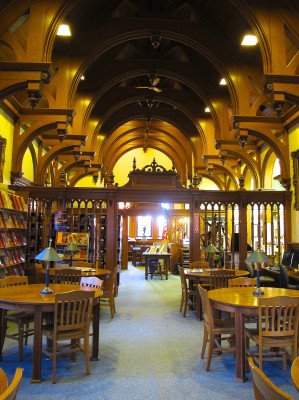
Kavi Narmad Central Library
Some quick example text to build on the card title and make up the bulk of the card's content.
Go somewhere
Nehru Bridge
Some quick example text to build on the card title and make up the bulk of the card's content.
Go somewhere
Rang Upavan
Some quick example text to build on the card title and make up the bulk of the card's content.
Go somewhere
Sardar Patel Museum
Some quick example text to build on the card title and make up the bulk of the card's content.
Go somewherein Other Cities