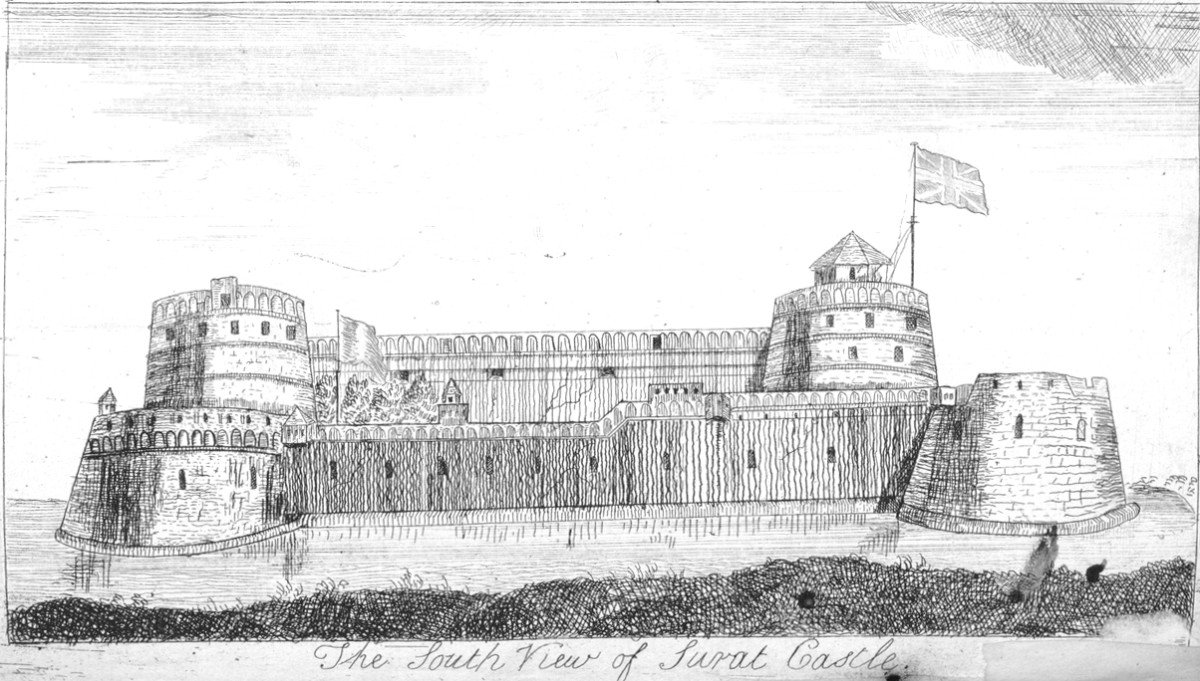
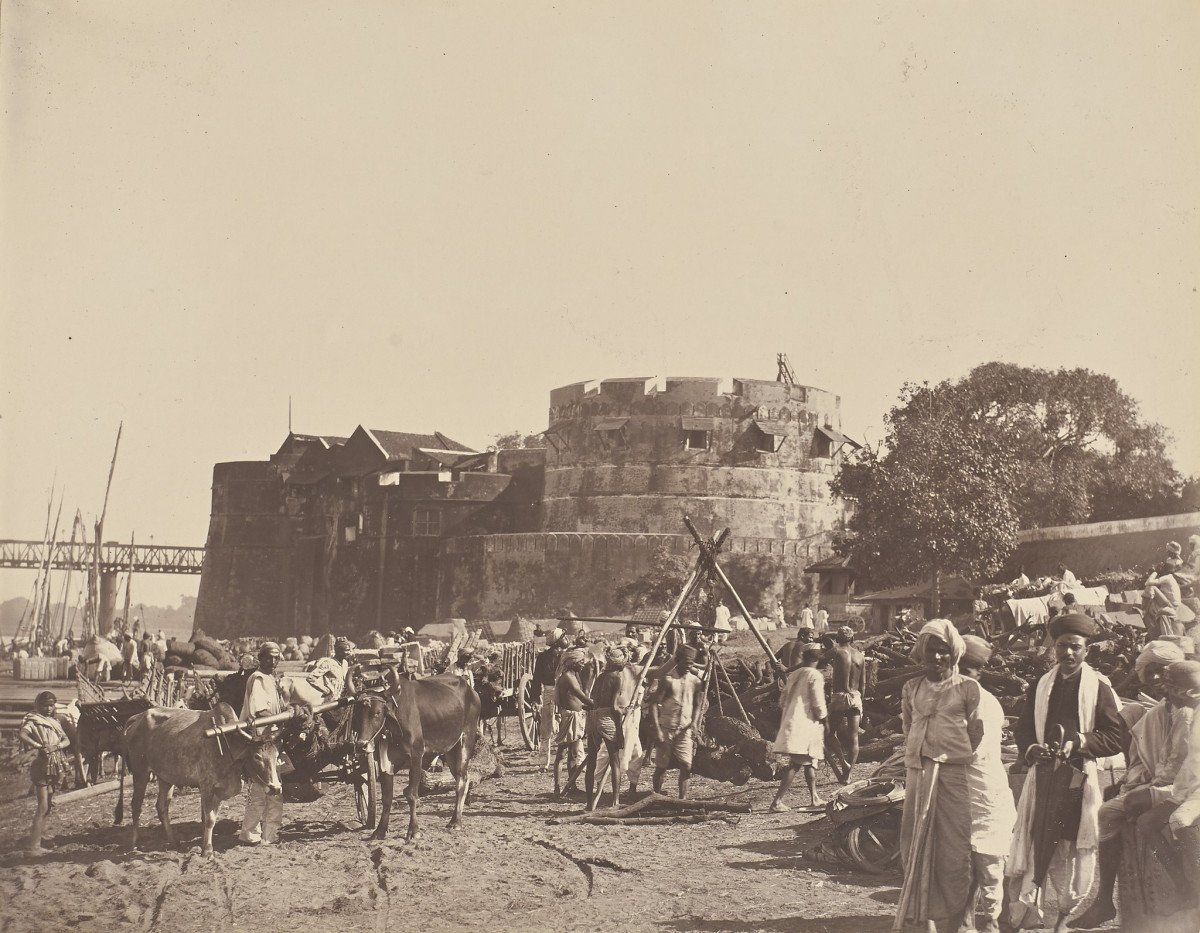
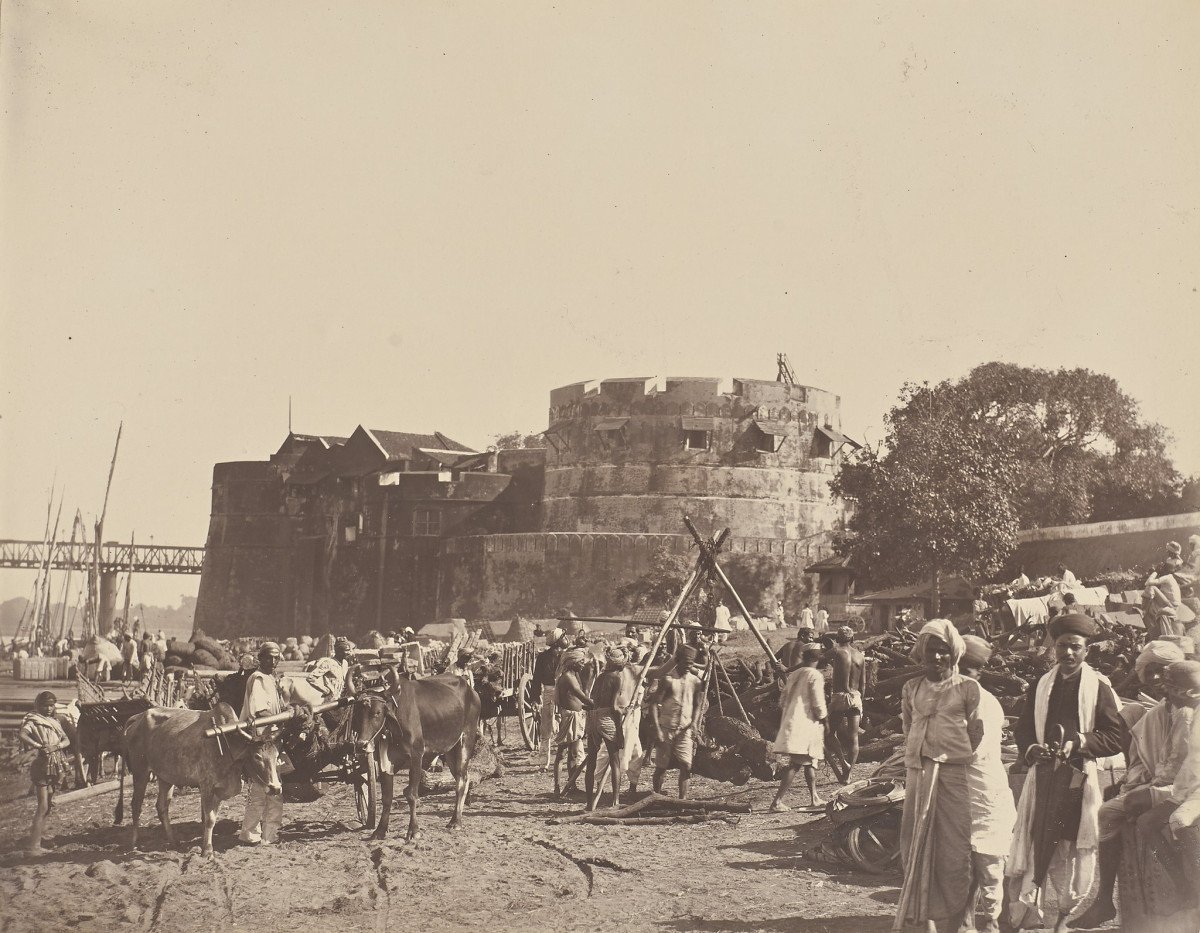
Surat Castle
General information
-
Ideal Duration:
2 to 3 HoursPlace Type:
Historical Monument, Fort, Museum, Heritage SiteEntry Fees:
Adult Entry Fees: The entry fee to visit the main fort complex and the museum is exceptionally reasonable. For Indian citizens, the fee is generally divided by age group: visitors between 16 and 20 years of age typically pay about Rs.20, while those between 17 and 40 years pa...Adult Entry Fees: The entry fee to visit the main fort complex and the museum is exceptionally reasonable. For Indian citizens, the fee is generally divided by age group: visitors between 16 and 20 years of age typically pay about Rs.20, while those between 17 and 40 years pay a slightly higher fee of approximately Rs.40. Children below a certain age (often below 15 or 16) and Senior Citizens are sometimes granted Free Entry, though current policies should always be verified at the counter.
Foreign Tourist Fees: Fees for foreign tourists are typically higher than those for domestic visitors, often set at a standard, nominal rate (e. g. , around Rs.100 or more), which is a common policy at many Indian historical sites to support maintenance and restoration efforts.
Special Charges for Media: As a major historical monument, professional photography and videography (using specialized equipment or for commercial purposes) usually require an official permit from the Surat Municipal Corporation (SMC) or the site administration, along with the payment of Additional Charges which can be substantial, while casual photography with mobile phones is generally allowed without extra charge.Timing:
Regular Timings: The Surat Castle is open on all days of the week except Monday and certain National Holidays, which are strictly observed for maintenance. The regular operating hours are typically from 10:00 AM to 6:00 PM. Visitors must plan to arrive well before the clos...Regular Timings: The Surat Castle is open on all days of the week except Monday and certain National Holidays, which are strictly observed for maintenance. The regular operating hours are typically from 10:00 AM to 6:00 PM. Visitors must plan to arrive well before the closing time, as entry is usually stopped 30 minutes prior.
Ideal Visit Time: The Ideal Visit Time is during the early morning (10:00 AM to 12:00 PM) to avoid the intense afternoon heat and the subsequent crowds, allowing for a cooler walk along the ramparts. The late Afternoon (4:00 PM to 6:00 PM) is also excellent, as the lowering sun casts dramatic shadows on the massive stone walls, providing the best light for photography, and the river view is often spectacular during this period.
Best Day: Visiting on a Weekday (Tuesday to Friday) is highly recommended, as weekends and public holidays can see heavy local crowds, especially in the central Chowk Bazar area, making the experience less tranquil and more crowded inside the museum.Special Events:
Annual Surat Heritage Festival: The Surat Castle is a central venue for the annual Surat Heritage Festival, typically held in January or February. During this event, the fort comes alive with cultural performances, historical re-enactments of battles and court life, traditi...Annual Surat Heritage Festival: The Surat Castle is a central venue for the annual Surat Heritage Festival, typically held in January or February. During this event, the fort comes alive with cultural performances, historical re-enactments of battles and court life, traditional food stalls, guided heritage walks, and light-and-sound shows that dramatically narrate the fort's history, significantly enhancing the visitor experience and attracting global attention.
National Day Celebrations: Being a monument of national importance, the fort plays a key role in celebrating Independence Day (August 15) and Republic Day (January 26). Special flag-hoisting ceremonies, patriotic programs, and public gatherings are often organized on the fort grounds, where the historical structure serves as a powerful symbol of national pride and freedom, often involving special lighting in the evenings.
History and Art Workshops: The restored complex often hosts temporary art exhibitions, history seminars, and architectural workshops, often targeting students and local historians, turning the monument into an active center for learning and cultural discourse beyond its standard museum function.Best Photo Spots:
The Grand Eastern Gateway: The main eastern entrance of the fort, with its massive, robust door shutters, exterior spikes, and intricate decorative features on the inner facade, is the most dramatic and essential photo spot, perfectly capturing the military-architectural gra...The Grand Eastern Gateway: The main eastern entrance of the fort, with its massive, robust door shutters, exterior spikes, and intricate decorative features on the inner facade, is the most dramatic and essential photo spot, perfectly capturing the military-architectural grandeur of the fortress.
The Bastion View of the Tapi River: Ascend to the top of one of the corner bastions (burj) that overlooks the river. This vantage point offers a striking, elevated panoramic photo opportunity that contrasts the rough-hewn stone of the ancient fort with the flowing waters of the Tapi River and the modern cityscape beyond, symbolizing the confluence of history and contemporary life.
The Restored Moat and Wall: Capture the perfect angle of the exterior wall with the restored moat in the foreground. The sheer height of the curtain wall (4. 1 meters thick) rising from the edge of the moat creates a dramatic, imposing composition that highlights the fort's defensive dimensions.
The Archways and Corridors: The interior of the fort is characterized by long, arched stone corridors and shadowed walkways. These areas provide excellent opportunities for high-contrast, moody, and architectural photographs that play with light and shadow, capturing the essence of the building's age and texture.
The Museum Courtyard: The well-maintained central courtyard near the museum buildings, often featuring restored masonry and sometimes a cannon or artifact display, offers a spacious, well-lit background perfect for formal group photographs with the fort's walls visible in the background.Photo Gallery
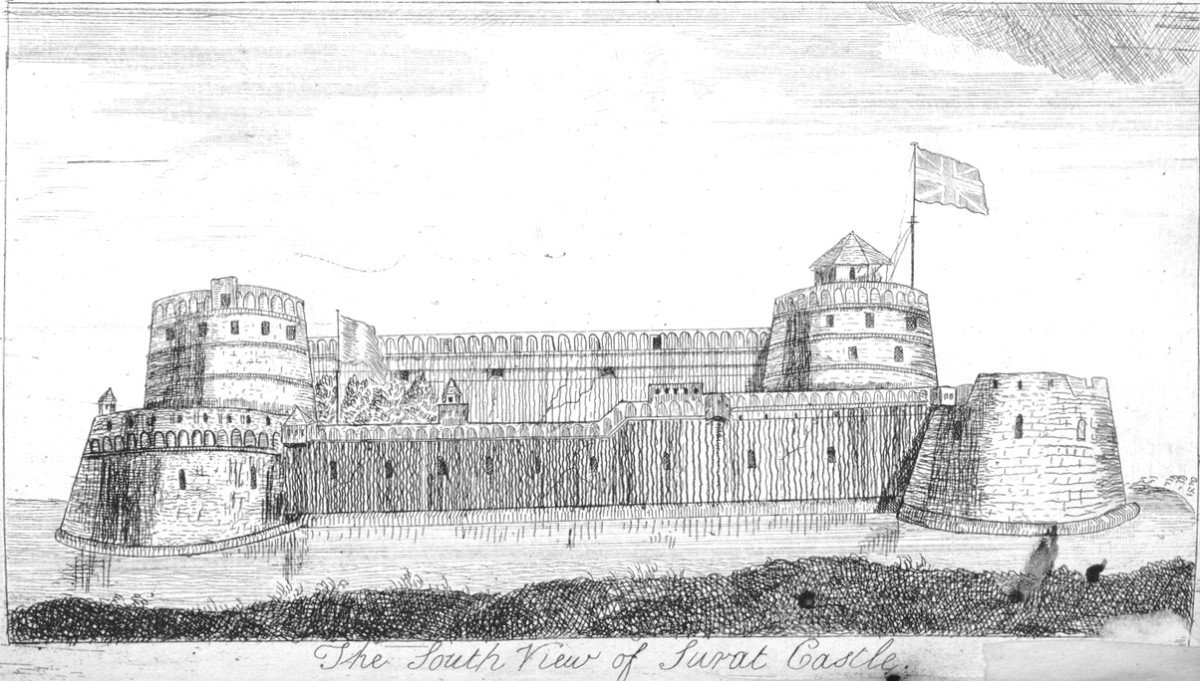
Things To Do
-
Walking the Massive Ramparts: The primary activity is walking along the restored massive ramparts of the fort. This offers a clear view of the fort's defense mechanisms, including the intricate positioning of the four main bastions and the curtain walls, allowing you to appreciate the military strategy and the sheer scale of the fortification.
Exploring the Museum and Exhibition: Dedicate time to the fort's modern museum, which is located inside the restored buildings. It houses an impressive collection of Mughal and British era artifacts, historical maps, intricate paintings, and documents detailing Surat's trade history, offering an in-depth educational experience about the region's past.
Watching the Documentary Film: A crucial element of the fort's modern presentation is the short, informat...Walking the Massive Ramparts: The primary activity is walking along the restored massive ramparts of the fort. This offers a clear view of the fort's defense mechanisms, including the intricate positioning of the four main bastions and the curtain walls, allowing you to appreciate the military strategy and the sheer scale of the fortification.
Exploring the Museum and Exhibition: Dedicate time to the fort's modern museum, which is located inside the restored buildings. It houses an impressive collection of Mughal and British era artifacts, historical maps, intricate paintings, and documents detailing Surat's trade history, offering an in-depth educational experience about the region's past.
Watching the Documentary Film: A crucial element of the fort's modern presentation is the short, informative documentary film provided by the SMC. This film visually narrates the history of the fort's construction, its role in the Portuguese conflicts, and its restoration journey. This is highly recommended to appreciate the site's significance fully.
Visiting the Restored Moat and Drawbridge: Spend time viewing the meticulously re-excavated moat (though no longer connected to the river) and the working hydraulic drawbridge. This provides a clear, tangible understanding of the formidable layered defense system that protected the fort's main eastern gateway from ground assault.
Photography of Architecture: The fort's impressive architecture, with its towering stone walls, massive gateways, and unique blend of styles, offers excellent subjects for historical photography. Focus on the contrasting texture of the stone masonry, the decorative elements on the inner facade, and the dramatic archways.
Relaxing by the River View: Head to the sections of the ramparts facing the Tapi River. This area, especially during the late afternoon, is perfect for a quiet moment of reflection, enjoying the river breeze, and watching the modern city life unfold against the backdrop of the ancient stone structure, making the contrast between the past and present palpable.
The Chowk Bazar Experience: Since the fort is located in the bustling Chowk Bazar area, a short walk around the perimeter allows visitors to immerse themselves in the local life, traditional markets, and historic streets of Old Surat, which are an extension of the fort's historical context.
Information
-
Why Famous:
A Symbol of Military Resilience: The Surat Castle is famously known as the sentinel of the city's coastal defense, built explicitly to protect the vital international port of Surat from the powerful and relentless raids of the Portuguese in the 16th century. Its massive, le...A Symbol of Military Resilience: The Surat Castle is famously known as the sentinel of the city's coastal defense, built explicitly to protect the vital international port of Surat from the powerful and relentless raids of the Portuguese in the 16th century. Its massive, lead-fortified walls and innovative construction techniques made it one of the most formidable defensive structures of its time.
Historical and Administrative Crossroads: The fort is a celebrated landmark for having served as a strategic administrative and military headquarters for successive powers—the Gujarat Sultanate, the Mughal Empire, and the British East India Company. Its ownership by the British marked a pivotal moment in the history of Surat, highlighting its enduring importance as a power center right up to the modern era, making it a critical site for understanding Indian colonial history and the rise and fall of great empires in the region. -
Architecture:
Architectural Style:
Indo-Islamic and Defensive Prowess: The castle exemplifies a highly functional, robust Indo-Islamic architectural style heavily focused on military defense, featuring elements from the Gujarat Sultanate and later Mughal i...Architectural Style:
Indo-Islamic and Defensive Prowess: The castle exemplifies a highly functional, robust Indo-Islamic architectural style heavily focused on military defense, featuring elements from the Gujarat Sultanate and later Mughal influences. It has an irregular square or quadrilateral plan, dictated by the riverbank.
Dimension and Fortification Details: The original walls were approximately 20 Gaj (yards) high, and the walls were exceptionally thick, measuring about 4. 1 meters (13. 5 feet) in thickness, designed to withstand cannon fire. The large round corner bastions (burj) stand at a height of about 12. 2 meters (40 feet). A crucial defensive element was the surrounding moat, which was originally 18. 3 meters (60 feet) wide and connected to the river to fill with water. The construction employed innovative techniques for its time, with stones and bricks bonded together with iron strips and joints filled with melted lead for exceptional strength and structural integrity, setting a benchmark for medieval fortifications in the region.
Restoration Focus: The recent restoration focused on highlighting the various historical construction layers (Tughlaq, Sultanate, Mughal, British) while reinstating the original features like the hydraulic drawbridge mechanism and re-excavating the moat, preserving its composite historical character. -
How To Reach:
By Air: The nearest major airport is Surat International Airport (STV), located approximately 18 KMS from the fort. The fastest way to reach the central city area is by pre-paid taxi or a ride-sharing service. The drive takes around 40-50 minutes, depending on the city tra...By Air: The nearest major airport is Surat International Airport (STV), located approximately 18 KMS from the fort. The fastest way to reach the central city area is by pre-paid taxi or a ride-sharing service. The drive takes around 40-50 minutes, depending on the city traffic, especially as the fort is located in the older, denser part of Surat.
By Train: The closest and most convenient major railway station is Surat Junction (ST), which is only about 1. 5 to 2 KMS from the fort. From the station, the fort is easily reachable by a quick auto-rickshaw ride (approximately 10 minutes) or even a brisk walk. Since the fort is located in the old city, auto-rickshaws are often the best local transport option for navigating the narrow, busy streets.
By Road: Surat Castle is located in the congested but central Chowk Bazar area of Old Surat. While it is easily accessible by road from NH 48 and other major city roads, driving a personal car can be challenging due to limited parking and narrow lanes. It is best to park outside the immediate vicinity and walk or arrive via public transport. The address is a famous landmark known to all local drivers.
By Local Transport: The fort is a main hub and is very well-served by local transport. Auto-rickshaws, city buses, and app-based taxis frequently ply the routes leading to the Chowk Bazar area. It is a very central location, making it highly accessible from the rest of the city, and it is advisable to get dropped off at the nearest wide intersection and walk the final few hundred meters. -
Weather and Best Time to Visit:
Different Types of Seasons: Winter (October to March) is the undisputed Best Time to Visit. The cooler and pleasant climate is essential for comfortably walking the entire fort complex and its ramparts, which are exposed to the sun. Summer (April to mid-June) is harsh and ...Different Types of Seasons: Winter (October to March) is the undisputed Best Time to Visit. The cooler and pleasant climate is essential for comfortably walking the entire fort complex and its ramparts, which are exposed to the sun. Summer (April to mid-June) is harsh and should be avoided, as the stone walls reflect intense heat. Monsoon (mid-June to September) makes the stone slippery and less safe, but the dramatic cloud cover and the high water level in the Tapi River (visible from the ramparts) offer a unique and beautiful photographic opportunity.
Different Parts of the Day: The Ideal Part of the Day is the Late Afternoon (4:00 PM to 6:00 PM). The sunlight is less intense, and the golden hour light beautifully illuminates the ancient stone texture, making the atmosphere more dramatic and perfect for historical photography. The Morning (10:00 AM to 12:00 PM) is the second-best option for a cooler, less crowded experience, focusing more on the indoor museum exhibits before the midday heat sets in. -
Near Tourist Places:
Tomb of Khudawand Khan (1 KM), Gopi Talav (3 KMS), Sardar Patel Museum (3 KMS), Jain Temple Old City (2 KMS), Dutch Cemetery (4 KMS), Rander (8 KMS), Science Centre Surat (6 KMS), Rang Upvan (4 KMS), Sri Ambika Niketan Mandir (4 KMS), Tapi Riverfront (3 KMS).
Tourism Tips
-
Health & safety: Be careful when walking on the ramparts and staircases, as the old stone can be uneven or slippery, especially in the monsoon. Since the area is central and often crowded, keep valuables secure. Carry water, as the open ramparts are hot during midday.
...Health & safety: Be careful when walking on the ramparts and staircases, as the old stone can be uneven or slippery, especially in the monsoon. Since the area is central and often crowded, keep valuables secure. Carry water, as the open ramparts are hot during midday.
Packing: Wear light, comfortable, and breathable clothing, especially if visiting in the warmer months. Sturdy, closed-toe walking shoes are essential for navigating the old stone steps and ramparts safely. A good zoom lens for a camera can capture the river view and architectural details effectively.
Accommodation: Staying in the central areas near Surat Junction or along Ring Road will provide the best access to the fort and other old city sights. The Athwalines area also has many high-quality hotels within a reasonable taxi ride.
Other Different Topics heading:
Guided Tours: Inquire at the ticket counter for any available official Guided Tours or audio guides. These are often inexpensive and provide valuable historical context that the museum plaques might miss, significantly enriching the visit.
Local Cuisine: The Chowk Bazar area surrounding the fort is famous for traditional Surati street food and sweets, especially local snacks. Plan to sample the local delicacies like Locho, Khaman, or Surati Ghari after your visit to complete the cultural experience.
Reviews
FAQs
Surat Itineray And Cost:-
Other Places In Surat :-
Other States In India :-
Information about New and Updated Locations() of Gujarat Has Been Added :-
Card subtitle
Note:-
Information provided here in good Faith and for reference only.
Near Places

Amaazia Water Park
Some quick example text to build on the card title and make up the bulk of the card's content.
Go somewhere
Ambika Niketan Temple
Some quick example text to build on the card title and make up the bulk of the card's content.
Go somewhere
Chintamani Jain Temple
Some quick example text to build on the card title and make up the bulk of the card's content.
Go somewhere
Dumas Beach
Some quick example text to build on the card title and make up the bulk of the card's content.
Go somewhere
Dutch Garden
Some quick example text to build on the card title and make up the bulk of the card's content.
Go somewhere
Galteshwar Mahadev Mandir
Some quick example text to build on the card title and make up the bulk of the card's content.
Go somewhere
Gavier Lake
Some quick example text to build on the card title and make up the bulk of the card's content.
Go somewhere
Gopi Talav
Some quick example text to build on the card title and make up the bulk of the card's content.
Go somewhere
Hajira Village
Some quick example text to build on the card title and make up the bulk of the card's content.
Go somewhere
ISKCON Temple
Some quick example text to build on the card title and make up the bulk of the card's content.
Go somewhere
Jagdishchandra Bose Aquarium
Some quick example text to build on the card title and make up the bulk of the card's content.
Go somewhere
Jawaharlal Nehru Garden
Some quick example text to build on the card title and make up the bulk of the card's content.
Go somewhere
Kavi Narmad Central Library
Some quick example text to build on the card title and make up the bulk of the card's content.
Go somewhere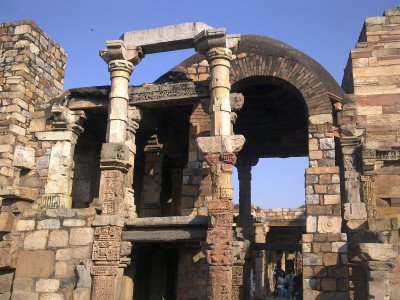
Nehru Bridge
Some quick example text to build on the card title and make up the bulk of the card's content.
Go somewhere
Rang Upavan
Some quick example text to build on the card title and make up the bulk of the card's content.
Go somewhere
Sardar Patel Museum
Some quick example text to build on the card title and make up the bulk of the card's content.
Go somewherein Other Cities