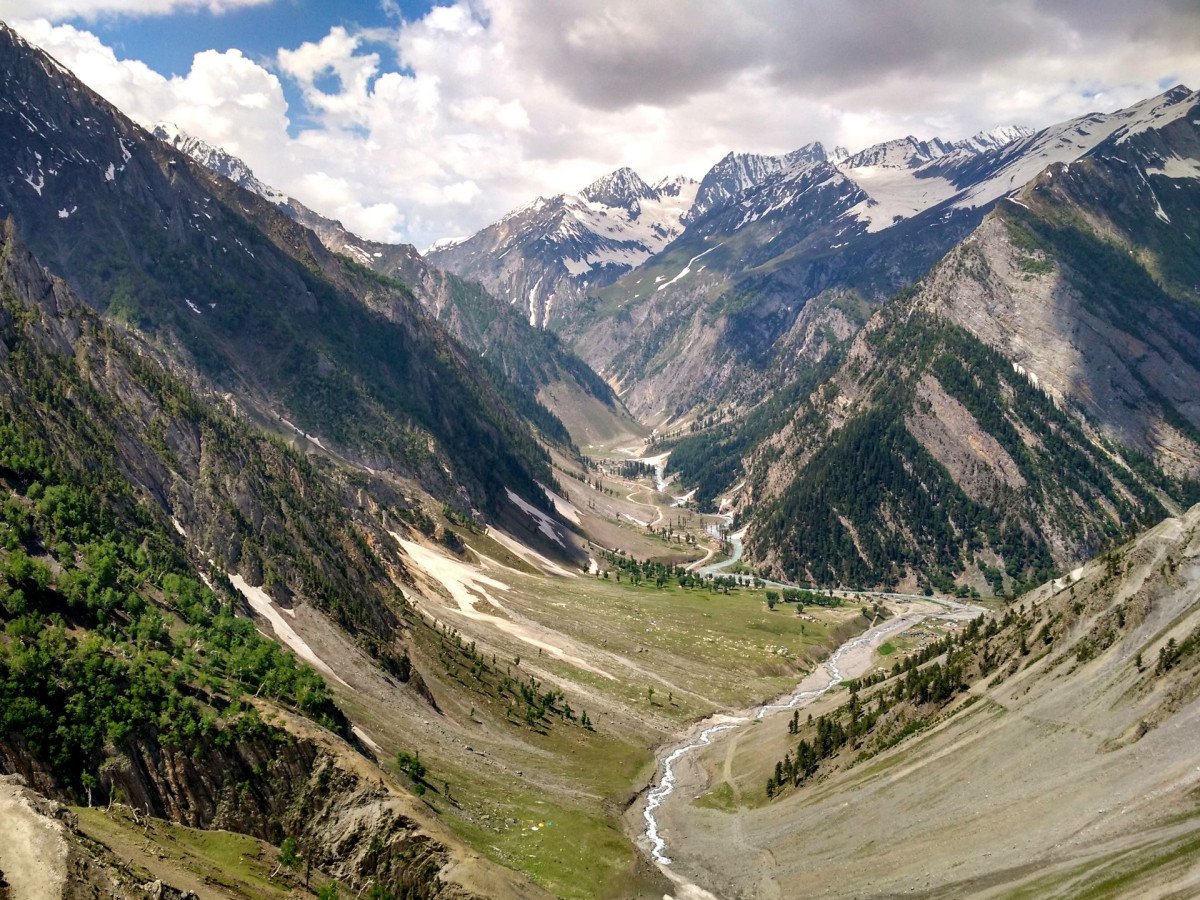
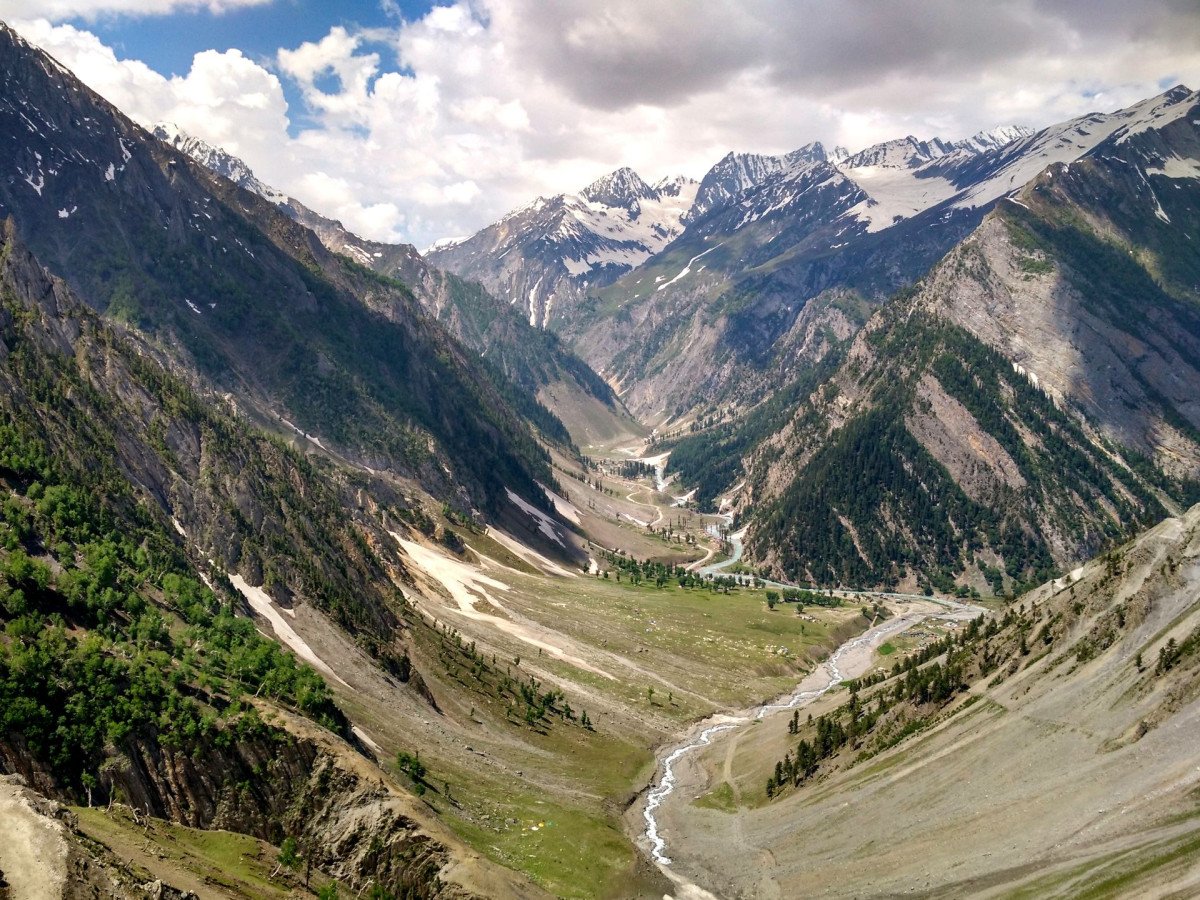
Thangu Valley
General information
-
Ideal Duration:
3-5 HoursPlace Type:
Nature & AdventureEntry Fees:
Permit Costs: There is no direct "entry fee" for the valley, but you must pay for a Protected Area Permit (PAP). This usually costs between Rs.200 to Rs.500 per person as part of your tour package.
Vehicle Entry: Commercial vehicles are charged...Permit Costs: There is no direct "entry fee" for the valley, but you must pay for a Protected Area Permit (PAP). This usually costs between Rs.200 to Rs.500 per person as part of your tour package.
Vehicle Entry: Commercial vehicles are charged a small environmental fee at the Toong check post. Ensure your driver has all the necessary documents to avoid delays at the army checkpoints.Timing:
Regular Timings: The valley is accessible from 7:00 AM to 4:00 PM. However, travelers usually arrive by 8:00 AM and leave for Gurudongmar very early, often passing through by 6:00 AM.
Ideal Visit Time: The best time to be in the valley is b...Regular Timings: The valley is accessible from 7:00 AM to 4:00 PM. However, travelers usually arrive by 8:00 AM and leave for Gurudongmar very early, often passing through by 6:00 AM.
Ideal Visit Time: The best time to be in the valley is between 9:00 AM and 1:00 PM when the sunlight is bright and the weather is relatively stable. Avoid being outside after dark due to the extreme drop in temperature.Special Events:
The Losar Festival: The Tibetan New Year, Losar, is celebrated with great fervor by the local community in February or March. It involves traditional dances, local feasts, and colorful decorations on the houses.
The Alpine Bloom Festival: W...The Losar Festival: The Tibetan New Year, Losar, is celebrated with great fervor by the local community in February or March. It involves traditional dances, local feasts, and colorful decorations on the houses.
The Alpine Bloom Festival: While not a formal event, the period between May and June is treated as a natural celebration when the entire valley "wakes up" from its winter slumber, attracting botanists and nature lovers.Best Photo Spots:
The Teesta River Bridge: The bridge over the river with fluttering prayer flags in the foreground and snow peaks in the back is the most iconic shot. The colorful flags represent the five elements and add a spiritual vibration to your photos.
T...The Teesta River Bridge: The bridge over the river with fluttering prayer flags in the foreground and snow peaks in the back is the most iconic shot. The colorful flags represent the five elements and add a spiritual vibration to your photos.
Traditional Wooden Huts: The rustic architecture of the village provides a perfect subject for cultural photography. The weathered wood and stone textures against the white snow create a stunning contrast for close-up shots.
Panoramic Valley View: A short climb up the surrounding slopes provides a wide-angle view of the entire valley floor. This spot is best captured during the "golden hour" just before sunset when the peaks glow in shades of orange and pink.Photo Gallery
Things To Do
-
High-Altitude Trekking: The valley offers some of the most scenic trekking routes in North Sikkim. The trek to Chopta Valley is a popular choice, taking about 2 to 3 hours through meadows filled with wildflowers. For more adventurous souls, the trek to Muguthang offers a rugged experience through high mountain passes.
Birdwatching and Wildlife: Thangu is a paradise for bird lovers. You can spot species like the Himalayan Monal, Snow Partridge, and various types of Sunbirds. Keep an eye out for Blue Sheep (Bharal) grazing on the steep cliffs surrounding the valley.
Photography Sessions: The landscape changes every hour as the sun moves. Photographers can capture the play of light on the Teesta River, the rustic wooden huts, and the dramatic clouds hanging over the peaks. The contrasting colo...High-Altitude Trekking: The valley offers some of the most scenic trekking routes in North Sikkim. The trek to Chopta Valley is a popular choice, taking about 2 to 3 hours through meadows filled with wildflowers. For more adventurous souls, the trek to Muguthang offers a rugged experience through high mountain passes.
Birdwatching and Wildlife: Thangu is a paradise for bird lovers. You can spot species like the Himalayan Monal, Snow Partridge, and various types of Sunbirds. Keep an eye out for Blue Sheep (Bharal) grazing on the steep cliffs surrounding the valley.
Photography Sessions: The landscape changes every hour as the sun moves. Photographers can capture the play of light on the Teesta River, the rustic wooden huts, and the dramatic clouds hanging over the peaks. The contrasting colors of the blue sky and white snow are perfect for landscape photography.
Cultural Interaction: Visit a local homestay and share a cup of salted butter tea with the residents. Learning about their mountain folklore and how they survive the winter is a deeply enriching experience.
Acclimatization Walks: Since the altitude is high, taking short, slow walks around the village is a recommended activity. This helps your body adjust to the low oxygen levels while you enjoy the crisp mountain air.
Riverbank Relaxation: Sit by the banks of the Thangu Chu and listen to the gushing water. The stones in the river are often covered in colorful moss, making it a peaceful spot for meditation and reflection.
Visiting the Army Base: While photography is restricted, talking to the brave soldiers stationed here provides a sense of the strategic importance of this border region. Their dedication is inspiring to every visitor.
Information
-
Why Famous:
Gateway to Gurudongmar: Thangu Valley is primarily famous for being the final civilized outpost before the ascent to Gurudongmar Lake. Its strategic importance as an acclimatization zone makes it a vital stop for every traveler.
Alpine Flora an...Gateway to Gurudongmar: Thangu Valley is primarily famous for being the final civilized outpost before the ascent to Gurudongmar Lake. Its strategic importance as an acclimatization zone makes it a vital stop for every traveler.
Alpine Flora and Fauna: The valley is a biodiversity hotspot for high-altitude plants. It is renowned for its spectacular bloom of alpine wild flowers in May and June, which transforms the brown landscape into a colorful tapestry.
Stunning River Confluences: It is the site where multiple Himalayan streams, including the Thangu Chu and Chopta Chu, meet. This creates a visually stunning network of water bodies that shimmer against the backdrop of the rugged mountains. -
Architecture:
Traditional Alpine Structures: The architecture in Thangu Valley is primarily functional and designed to withstand extreme cold and heavy snowfall. Houses are built using locally sourced stone and heavy timber. The dimensions of these traditional huts are typically modest,...Traditional Alpine Structures: The architecture in Thangu Valley is primarily functional and designed to withstand extreme cold and heavy snowfall. Houses are built using locally sourced stone and heavy timber. The dimensions of these traditional huts are typically modest, often spanning 20 feet by 15 feet, to ensure internal heat retention during the freezing winters.
Sloping Roof Designs: A key architectural feature is the steeply pitched roof, usually made of corrugated iron sheets or wooden shingles. These roofs are angled at approximately 45 degrees to prevent the accumulation of snow, which could otherwise collapse the structure.
Sustainable Living Spaces: Most dwellings include a central hearth or "Bukhari" for heating and cooking. The walls are thick, often measuring 1. 5 feet in width, providing natural insulation against the biting Himalayan winds. Modern constructions are few and restricted to army barracks. -
How To Reach:
By Air: The nearest airport is Pakyong Airport (155 km) or Bagdogra International Airport (220 km). From there, you must hire a private cab to Gangtok and then move toward North Sikkim.
By Train: New Jalpaiguri (NJP) is the closest major ra...By Air: The nearest airport is Pakyong Airport (155 km) or Bagdogra International Airport (220 km). From there, you must hire a private cab to Gangtok and then move toward North Sikkim.
By Train: New Jalpaiguri (NJP) is the closest major railway station, about 215 km away. From NJP, shared or private taxis are available to Gangtok.
By Road: The journey starts from Gangtok to Lachen (107 km) and then to Thangu (30 km). The roads are winding and can be rough, requiring a 4WD vehicle like a Bolero or Scorpio.
By Local Transport: Shared jeeps run between Mangan and Lachen, but for Thangu, tourists must book a full tour package as it is a restricted area. -
Weather and Best Time to Visit:
Summer Season (March to June): This is the peak season with temperatures between 5°C and 15°C. The flowers are in bloom, and the roads are mostly clear.
Autumn Season (October to November): The skies are crystal clear, offering the best v...Summer Season (March to June): This is the peak season with temperatures between 5°C and 15°C. The flowers are in bloom, and the roads are mostly clear.
Autumn Season (October to November): The skies are crystal clear, offering the best views of the mountain ranges. Temperatures start to dip below freezing at night.
Morning Visits: Early morning is the best part of the day as the weather is calm and the visibility is highest before the clouds roll in by noon. -
Near Tourist Places:
Gurudongmar Lake (30 km), Chopta Valley (4 km), Lachen Monastery (30 km), Tso Lhamo Lake (35 km), Muguthang Valley (15 km), Kala Patthar (15 km), Naga Falls (50 km), Chungthang Confluence (30 km), Seven Sisters Waterfalls (90 km), Shingba Rhododendron Sanctuary (60 km)
Tourism Tips
-
Health and Safety: High altitude sickness (AMS) is a real risk. Carry portable oxygen cylinders and medications like Diamox. Drink plenty of water but avoid over-exertion.
Packing Essentials: Layered clothing is mandatory. Carry heavy woo...Health and Safety: High altitude sickness (AMS) is a real risk. Carry portable oxygen cylinders and medications like Diamox. Drink plenty of water but avoid over-exertion.
Packing Essentials: Layered clothing is mandatory. Carry heavy woolens, a windproof jacket, thermal innerwear, and sturdy waterproof boots. Don't forget sunglasses to prevent snow blindness.
Accommodation: Stay options in Thangu are very basic homestays. Most tourists stay in Lachen and visit Thangu as a day trip. Always book in advance through a registered agent.
Cash and Connectivity: There are no ATMs in Thangu; the last one is in Mangan or Lachen. Mobile network is almost non-existent; BSNL works occasionally. Inform your family beforehand.
Reviews
FAQs
Chungthang Itineray And Cost:-
Other Places In Chungthang :-
Other States In India :-
Information about New and Updated Locations() of Sikkim Has Been Added :-
Card subtitle
Note:-
Information provided here in good Faith and for reference only.
Near Places
Bhewma Falls
Some quick example text to build on the card title and make up the bulk of the card's content.
Go somewhere
Bhim Nala Falls
Some quick example text to build on the card title and make up the bulk of the card's content.
Go somewhere
Chungthang
Some quick example text to build on the card title and make up the bulk of the card's content.
Go somewhere
Chungthang Dam
Some quick example text to build on the card title and make up the bulk of the card's content.
Go somewhere
Chungthang Dam View Point
Some quick example text to build on the card title and make up the bulk of the card's content.
Go somewhere
Chungthang Monastery
Some quick example text to build on the card title and make up the bulk of the card's content.
Go somewhere
Gurudwara Nanak Lama Chungthang
Some quick example text to build on the card title and make up the bulk of the card's content.
Go somewhere
Kabi Lungchok
Some quick example text to build on the card title and make up the bulk of the card's content.
Go somewhere
Lachen Viewpoint
Some quick example text to build on the card title and make up the bulk of the card's content.
Go somewhere
Naga Falls
Some quick example text to build on the card title and make up the bulk of the card's content.
Go somewhere
Naga Waterfall
Some quick example text to build on the card title and make up the bulk of the card's content.
Go somewhere
Phodong Monastery
Some quick example text to build on the card title and make up the bulk of the card's content.
Go somewhere
River Confluence
Some quick example text to build on the card title and make up the bulk of the card's content.
Go somewhere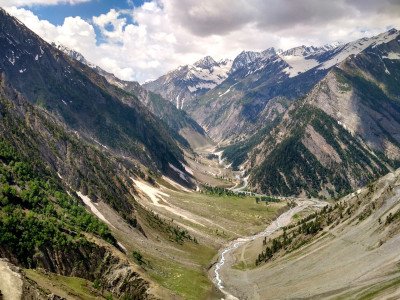
Thangu Valley
Some quick example text to build on the card title and make up the bulk of the card's content.
Go somewhere
Thangu Village
Some quick example text to build on the card title and make up the bulk of the card's content.
Go somewhere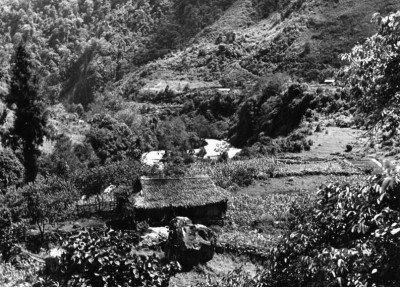
The Holy Rock and Paddy Field
Some quick example text to build on the card title and make up the bulk of the card's content.
Go somewherein Other Cities