Thangu Village
General information
-
Ideal Duration:
2-3 HoursPlace Type:
Cultural & HeritageEntry Fees:
Permit Documentation: While there is no entry fee for the village itself, the Protected Area Permit (PAP) for North Sikkim includes this region. Ensure you have 4 copies of your ID and photos.
Army Checkpost: There is no fee, but you must r...Permit Documentation: While there is no entry fee for the village itself, the Protected Area Permit (PAP) for North Sikkim includes this region. Ensure you have 4 copies of your ID and photos.
Army Checkpost: There is no fee, but you must register your vehicle and passenger details at the entrance of the village.Timing:
Regular Timings: The village "opens" for tourists around 6:00 AM and most activity ceases by 5:00 PM.
Ideal Visit Time: Early morning (7:00 AM to 9:00 AM) is the best time for breakfast and interaction before the tourist rush for Gurudongmar...Regular Timings: The village "opens" for tourists around 6:00 AM and most activity ceases by 5:00 PM.
Ideal Visit Time: Early morning (7:00 AM to 9:00 AM) is the best time for breakfast and interaction before the tourist rush for Gurudongmar arrives.Special Events:
Lhabab Duchen: This festival, commemorating Buddha's descent from heaven, is observed with prayers and butter lamp lighting in the village Gompa during November.
The Yak Race: Occasionally, during local summer celebrations, informal yak race...Lhabab Duchen: This festival, commemorating Buddha's descent from heaven, is observed with prayers and butter lamp lighting in the village Gompa during November.
The Yak Race: Occasionally, during local summer celebrations, informal yak races are held in the nearby meadows, showcasing the agility of these mountain beasts.Best Photo Spots:
The Main Street: Capturing the row of colorful wooden houses with the mountain peaks in the background is a classic shot. The vibrant colors of the doors and windows pop against the gray stone walls.
Yak Herders: Photographing the nomads in...The Main Street: Capturing the row of colorful wooden houses with the mountain peaks in the background is a classic shot. The vibrant colors of the doors and windows pop against the gray stone walls.
Yak Herders: Photographing the nomads in their traditional gear with their herds offers a powerful narrative of Himalayan life.
The Village Well: The communal water source where villagers gather is a great spot for candid lifestyle photography, especially in the early morning light.Photo Gallery
Things To Do
-
Cultural Immersion: Spend time walking through the village lanes. Observe how the locals dry their meat and vegetables for the winter. This provides a deep understanding of the survival strategies used in high-altitude zones.
Sampling Local Cuisine: Don't just eat Maggi; ask for traditional Sikkimese dishes like Thukpa or Phagshapa. Drinking the local salt tea (Suja) is an essential experience to keep your body warm.
Visit the Local School: If it's a weekday, visit the small village school. Interacting with the local children, who are incredibly resilient and cheerful, is a heartwarming activity.
Exploring the Alpine Pastures: Walk just a few hundred meters outside the village to reach the grazing grounds. Watching hundreds of yaks against the backdrop of s...Cultural Immersion: Spend time walking through the village lanes. Observe how the locals dry their meat and vegetables for the winter. This provides a deep understanding of the survival strategies used in high-altitude zones.
Sampling Local Cuisine: Don't just eat Maggi; ask for traditional Sikkimese dishes like Thukpa or Phagshapa. Drinking the local salt tea (Suja) is an essential experience to keep your body warm.
Visit the Local School: If it's a weekday, visit the small village school. Interacting with the local children, who are incredibly resilient and cheerful, is a heartwarming activity.
Exploring the Alpine Pastures: Walk just a few hundred meters outside the village to reach the grazing grounds. Watching hundreds of yaks against the backdrop of snow-capped mountains is a sight you won't forget.
Meditating at the Gompa: The small village monastery offers a quiet space for meditation. The sound of the wind through the prayer flags and the distant chanting of monks creates a deeply spiritual atmosphere.
Souvenir Hunting: Look for hand-knitted woolen caps and socks made by the village women. These are authentic, warm, and support the local economy directly.
Stargazing: If you are staying overnight, the village offers an unparalleled view of the night sky. The absence of electricity in many parts of the village ensures a perfect dark-sky experience.
Information
-
Why Famous:
The Final Rest Stop: Thangu Village is famous as the last place where travelers can find cooked food and basic supplies before heading into the uninhabited zones of the Tibetan Plateau.
Acclimatization Hub: It is the most important site for ...The Final Rest Stop: Thangu Village is famous as the last place where travelers can find cooked food and basic supplies before heading into the uninhabited zones of the Tibetan Plateau.
Acclimatization Hub: It is the most important site for altitude adjustment. Most tour itineraries mandate a stop here to prevent altitude sickness during the Gurudongmar visit.
Nomadic Culture: It is one of the few places in India where one can still see the authentic lifestyle of Himalayan nomads who live in harmony with the seasonal migration of their herds. -
Architecture:
Himalayan Vernacular Architecture: The houses in Thangu Village follow a specific vernacular style optimized for the sub-zero climate. They are mostly two-story structures where the ground floor is used for livestock and storage, while the upper floor serves as the living q...Himalayan Vernacular Architecture: The houses in Thangu Village follow a specific vernacular style optimized for the sub-zero climate. They are mostly two-story structures where the ground floor is used for livestock and storage, while the upper floor serves as the living quarters. The typical footprint of a house is 25 feet by 18 feet.
Wood-Stone Composite: The construction utilizes a heavy timber frame infilled with fieldstones. This composite method allows the building to be flexible during seismic activity, which is common in Sikkim.
The Central Kitchen: The heart of the house is the kitchen, usually measuring 10 feet by 10 feet, featuring a massive iron stove. This room acts as the primary heat source for the entire dwelling. The windows are small, roughly 2 feet by 2 feet, to minimize heat loss. -
How To Reach:
By Air: Fly to Bagdogra or Pakyong. Take a taxi to Gangtok. From Gangtok, book a 2-night/3-day tour package to Lachen and Thangu.
By Train: Reach NJP station. Hire a vehicle to Gangtok (4-5 hours). From Gangtok, move north via Mangan and...By Air: Fly to Bagdogra or Pakyong. Take a taxi to Gangtok. From Gangtok, book a 2-night/3-day tour package to Lachen and Thangu.
By Train: Reach NJP station. Hire a vehicle to Gangtok (4-5 hours). From Gangtok, move north via Mangan and Chungthang.
By Road: Thangu Village is reached via the North Sikkim Highway. The road from Chungthang is narrow and prone to landslides during monsoons, requiring an experienced mountain driver.
By Local Transport: Private hired jeeps (Bolero/Max) are the only reliable way to reach. Public buses do not ply this far up. -
Weather and Best Time to Visit:
Spring (May to June): The most pleasant time when the village is fully inhabited and the weather is bearable.
Winter (December to February): For those who want to see the village under a heavy blanket of snow, though many homestays might be ...Spring (May to June): The most pleasant time when the village is fully inhabited and the weather is bearable.
Winter (December to February): For those who want to see the village under a heavy blanket of snow, though many homestays might be closed.
Late Morning: The best time of day to explore the village on foot as the sun provides much-needed warmth. -
Near Tourist Places:
Gurudongmar Lake (30 km), Chopta Valley (4 km), Lachen (32 km), Vishwa Vinayaka Temple (95 km), Donkia La Pass (40 km), Tso Lhamo Lake (36 km), Bhim Nala Falls (45 km), Chungthang Gurudwara (32 km), Lachung (55 km), Yumthang Valley (80 km)
Tourism Tips
-
Health and Safety: Avoid alcohol as it increases the risk of dehydration and altitude sickness. Carry a basic first-aid kit with bandages and antiseptic.
Packing: Sunblock and lip balm are essential due to the high UV radiation and dry air....Health and Safety: Avoid alcohol as it increases the risk of dehydration and altitude sickness. Carry a basic first-aid kit with bandages and antiseptic.
Packing: Sunblock and lip balm are essential due to the high UV radiation and dry air. Carry a thermos to keep your water warm throughout the day.
Accommodation: Homestays are the only option. Expect very basic amenities like pit toilets and limited electricity. Carrying a power bank is a must.
Cash and Connectivity: Carry enough cash for meals and tips. There are no digital payment facilities. Jio and Airtel usually have no signal here.
Reviews
FAQs
Chungthang Itineray And Cost:-
Other Places In Chungthang :-
Other States In India :-
Information about New and Updated Locations() of Sikkim Has Been Added :-
Card subtitle
Note:-
Information provided here in good Faith and for reference only.
Near Places
Bhewma Falls
Some quick example text to build on the card title and make up the bulk of the card's content.
Go somewhere
Bhim Nala Falls
Some quick example text to build on the card title and make up the bulk of the card's content.
Go somewhere
Chungthang
Some quick example text to build on the card title and make up the bulk of the card's content.
Go somewhere
Chungthang Dam
Some quick example text to build on the card title and make up the bulk of the card's content.
Go somewhere
Chungthang Dam View Point
Some quick example text to build on the card title and make up the bulk of the card's content.
Go somewhere
Chungthang Monastery
Some quick example text to build on the card title and make up the bulk of the card's content.
Go somewhere
Gurudwara Nanak Lama Chungthang
Some quick example text to build on the card title and make up the bulk of the card's content.
Go somewhere
Kabi Lungchok
Some quick example text to build on the card title and make up the bulk of the card's content.
Go somewhere
Lachen Viewpoint
Some quick example text to build on the card title and make up the bulk of the card's content.
Go somewhere
Naga Falls
Some quick example text to build on the card title and make up the bulk of the card's content.
Go somewhere
Naga Waterfall
Some quick example text to build on the card title and make up the bulk of the card's content.
Go somewhere
Phodong Monastery
Some quick example text to build on the card title and make up the bulk of the card's content.
Go somewhere
River Confluence
Some quick example text to build on the card title and make up the bulk of the card's content.
Go somewhere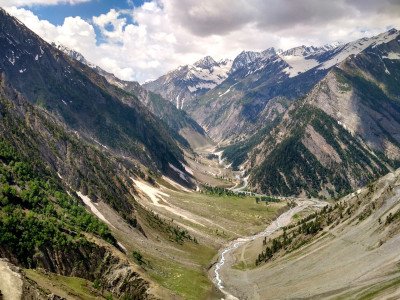
Thangu Valley
Some quick example text to build on the card title and make up the bulk of the card's content.
Go somewhere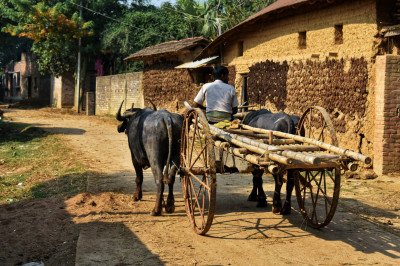
Thangu Village
Some quick example text to build on the card title and make up the bulk of the card's content.
Go somewhere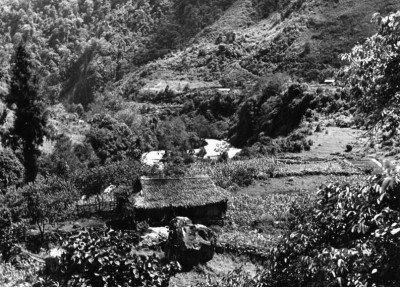
The Holy Rock and Paddy Field
Some quick example text to build on the card title and make up the bulk of the card's content.
Go somewherein Other Cities