Abujhmarh
General information
-
Ideal Duration:
Given the size and sensitive nature, a dedicated permit-based research or cultural trip would require 4 days to 7 days to cover the core accessible parts and engage respectfully with the communities.Place Type:
Tribal Cultural Zone & Biosphere Reserve:Entry Fees:
Permits and Official Fees: Direct entry to the core sensitive area requires specific Government permits, which may incur a nominal processing fee. This is less an "entry fee" and more an administrative cost for restricted access.
Local Guide Fe...Permits and Official Fees: Direct entry to the core sensitive area requires specific Government permits, which may incur a nominal processing fee. This is less an "entry fee" and more an administrative cost for restricted access.
Local Guide Fees and Security Costs: The essential cost is hiring an authorized, experienced local guide, which is mandatory for safety and cultural integrity; daily fees for guides and security arrangements (if deemed necessary by authorities) can be substantial, often ranging from Rs. 2,000 to Rs. 5,000 per day depending on the group size and duration. This mandatory expenditure ensures the safety and well-being of the visitor while compensating the local community for their expertise. The remote nature means these costs must be calculated meticulously, including provisions for the guide's food and rest.
Community Donation: While not a fee, visitors are strongly advised to make a small, voluntary donation to the village Ghotul or Gram Panchayat to support local development or cultural preservation. This act of reciprocity is a vital part of responsible tourism in tribal areas.Timing:
Regular Timings: Access is severely restricted and depends entirely on official permits; typically daylight hours, from 7:00 AM to 5:00 PM, for movement within the accessible zones. Night travel is strictly discouraged due to safety concerns and wildlife activity.
...Regular Timings: Access is severely restricted and depends entirely on official permits; typically daylight hours, from 7:00 AM to 5:00 PM, for movement within the accessible zones. Night travel is strictly discouraged due to safety concerns and wildlife activity.
Ideal Visit Time: The ideal time for trekking and cultural interaction is during the Winter season, from November to March, when the weather is cool and dry (10Rs.C to 25Rs.C). The Monsoon (June to October) makes the internal roads impassable and is the worst time to visit. May is usually too hot.
Permit and Security Window: The government often opens up the approach roads from January 20th onwards, making the period from late January to early April the best window for a comprehensive visit.Special Events:
Madai Festival and Diwad: The primary special events are closely tied to the regional Bastar cultural calendar and harvest cycles.
The Madai Festival: This is the most significant annual gathering, typically held across various villages in t...Madai Festival and Diwad: The primary special events are closely tied to the regional Bastar cultural calendar and harvest cycles.
The Madai Festival: This is the most significant annual gathering, typically held across various villages in the Bastar region, often in February or March. While the main event might be in nearby areas, Abujhmarh residents participate in satellite festivities or gather near key temples like the Maa Mavali Temple in Narayanpur. The festival involves processions, tribal dances (Mandari), marketplace activities where villagers trade forest produce, and worship of local deities. It serves as a major social, religious, and economic congregation for the forest dwellers.
Diwad (Tribal Deepawali): Instead of the urbanized Deepawali (Diwali), the tribes celebrate Diwad, often around the same time of October or November. This festival involves cleansing the sacred places (Gudi, Gathan, Kadma), lighting lamps to honor folk deities and ancestral spirits, and preparing specific ritualistic food. It is a period of deep spiritual significance, centered on agricultural well-being and protection from malevolent spirits.Best Photo Spots:
Valley Vistas and Shifting Cultivation Fields: The best photo spots are often found at high vantage points along the winding forest roads and trekking paths, providing panoramic views of the entire valley floor and the layered blue hills fading into the distance.Valley Vistas and Shifting Cultivation Fields: The best photo spots are often found at high vantage points along the winding forest roads and trekking paths, providing panoramic views of the entire valley floor and the layered blue hills fading into the distance.
The Indravati River Tributaries: Capturing the raw, untamed beauty of the numerous streams and nalas that crisscross the region, especially where they tumble over rocks. This provides dramatic shots of pristine water flow.
The Vernacular Huts and Village Life: Focusing on the aesthetically simple and earth-toned architecture of the Abujhmarhia villages, capturing the integration of life and nature. This includes details like simple wooden fences and the patterns of the thatched roofs, always respecting the privacy of the inhabitants.
The Penda (Shifting Cultivation) Terraces: These unique geometric patterns carved into the hillsides for agriculture offer culturally significant and striking landscape photography, especially during the planting or harvest seasons of November to January.Photo Gallery
Things To Do
-
Cultural Immersion, Trekking, and Wildlife Observation:
Guided Cultural Exchange: The primary activity is engaging in respectful cultural exchange, which must be facilitated by authorized local guides. This involves visiting selected villages to observe the traditional lifestyle, witness folk dances like the Mandari Dance, and learn about the local Gondi and Halbi dialects. Visitors can participate in small community activities or share a meal, which is a powerful way to understand their symbiotic relationship with nature. This activity requires humility, patience, and adherence to tribal customs. Ethno-botanical Trails and Forest Trekking ( target): Embarking on challenging, multi-day treks through the hilly terrain, guided by knowledgeable locals, is essential. The trails are rugged, often following stream beds or old footpaths, making it a true ad...Cultural Immersion, Trekking, and Wildlife Observation:
Guided Cultural Exchange: The primary activity is engaging in respectful cultural exchange, which must be facilitated by authorized local guides. This involves visiting selected villages to observe the traditional lifestyle, witness folk dances like the Mandari Dance, and learn about the local Gondi and Halbi dialects. Visitors can participate in small community activities or share a meal, which is a powerful way to understand their symbiotic relationship with nature. This activity requires humility, patience, and adherence to tribal customs. Ethno-botanical Trails and Forest Trekking ( target): Embarking on challenging, multi-day treks through the hilly terrain, guided by knowledgeable locals, is essential. The trails are rugged, often following stream beds or old footpaths, making it a true adventure. These treks focus on observing the unique biodiversity, identifying the dense forest canopy of species like Sal and Teak, and searching for evidence of endemic wildlife such as bison, four-horned antelope, and various deer species. Due to the remoteness, this is a deep-forest experience where the journey itself is the reward. Ensure all trekking is done during the prescribed dry months (November to May).
Responsible Photography and Journaling: Given the scenic beauty of the Khursel and other valleys within the area, photography is highly rewarding, capturing the mist-covered hills, the shifting cultivation fields (penda), and the raw, natural landscapes. However, photography of the tribal people themselves must be conducted with explicit permission and immense respect for privacy. Maintaining a detailed journal documenting observations of nature and culture enhances the experience.
Traditional Crafts and Skills Workshop: Engage with artisans to learn primitive skills, such as gathering forest produce, the basics of bamboo craft, or traditional fishing techniques. This hands-on interaction fosters a deeper appreciation for their self-sufficient economy.
Star Gazing and Night Camping: Due to the almost total lack of light pollution, the area offers spectacular opportunities for astronomical observation. Camping in designated, secure locations under the vast, clear night sky is a serene and unforgettable activity, far removed from urban chaos.
Bird Watching and Sound Ecology: The dense, mature forests are a haven for numerous bird species. Dedicated bird-watching sessions and simply sitting quietly to listen to the "soundscape" of the jungle—the rushing water of the Indravati tributaries and the calls of unseen animals—provide a unique, meditative connection to nature. This comprehensive approach ensures deep, enriching engagement with the region.
Information
-
Why Famous:
Ecological and Anthropological Significance: Abujhmarh is famously known for being the home of the uncontacted or least-contacted Abujhmarhia tribe, one of the most primitive communities in India. This makes it an area of profound anthropological interest, as the people ret...Ecological and Anthropological Significance: Abujhmarh is famously known for being the home of the uncontacted or least-contacted Abujhmarhia tribe, one of the most primitive communities in India. This makes it an area of profound anthropological interest, as the people retain ancient customs, Gondi dialects, and unique knowledge of herbal medicine and forest ecology. It is famous because it remained an un-surveyed territory for over 130 years after the British rule, earning it the moniker "liberated-zone" in historical context due to its isolation from the mainstream civil system. The sheer size of the unexploited forest, covering 4,000 sq km, is also famous for its vast biodiversity, mineral wealth, and proposal as a vital UNESCO-protected biosphere reserve. The topography, with its high density of hills (marh) and impenetrable forest, makes it a natural fortress and a key focus for ecological study. The area is a prime example of the indigenous way of life persisting against modernization. -
Architecture:
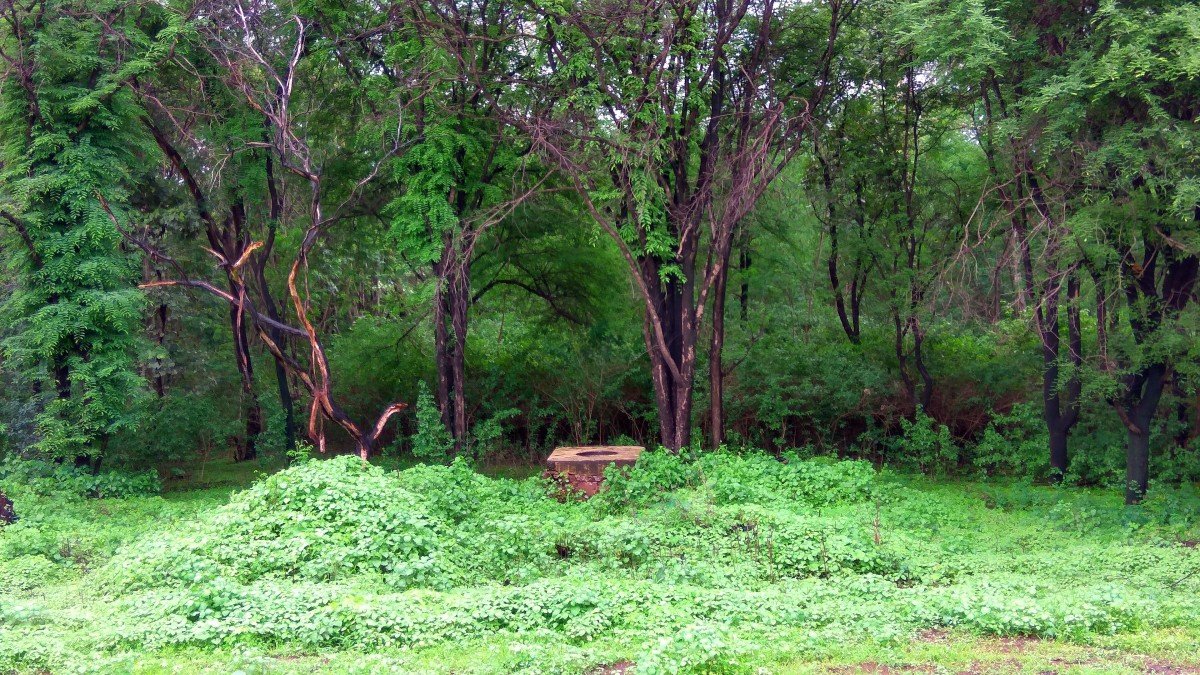
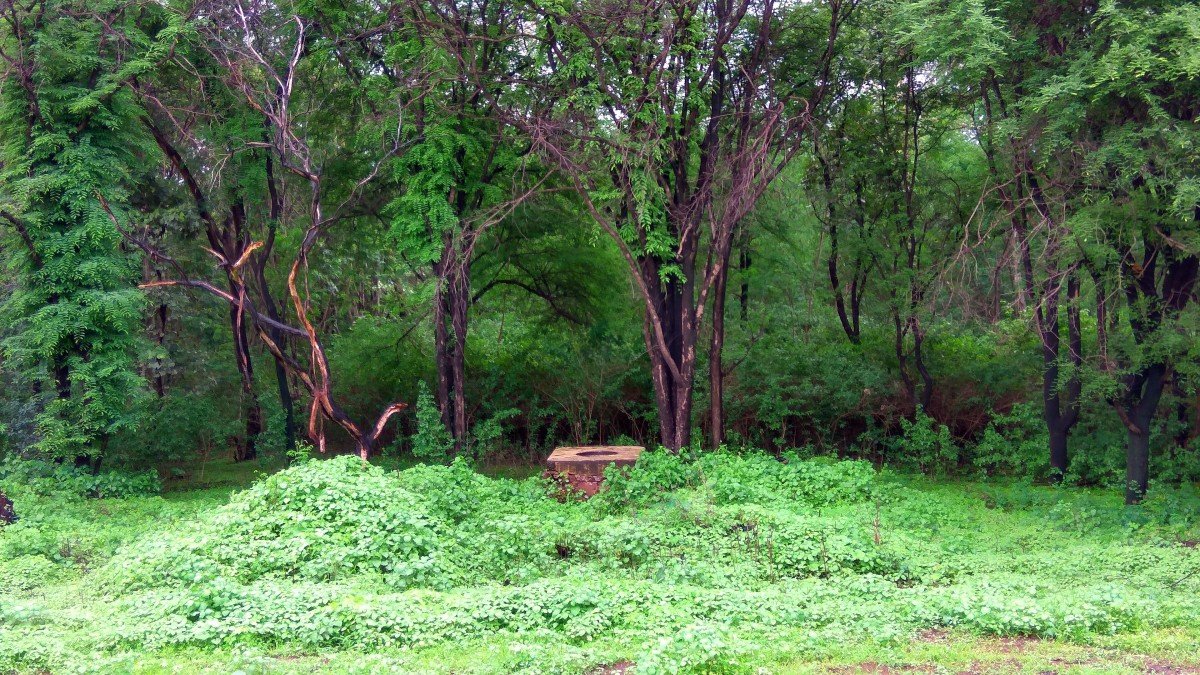
Tribal Dwellings and Sacred Groves: The Architecture of Abujhmarh is defined not by monuments but by sustainable, indigenous structures and natural temples.
Vernacular Construction: Homes of the Abujhmarhia are typically constructed using lo...Tribal Dwellings and Sacred Groves: The Architecture of Abujhmarh is defined not by monuments but by sustainable, indigenous structures and natural temples.
Vernacular Construction: Homes of the Abujhmarhia are typically constructed using locally sourced materials: mud, wood, bamboo, and thatched roofs (khar grass or similar forest vegetation). These homes are designed to be cool in the harsh summers and offer protection during the heavy Monsoon rains. The architectural style is utilitarian, focusing on functionality and harmony with the immediate environment. The dwelling unit typically includes a main living space, a small kitchen area, and a verandah or porch area for social interaction.
Dimensions and Layout: Individual hut dimensions are generally small, perhaps 3 meters by 4 meters, and are often built on raised plinths to prevent water ingress. Villages are not clustered in the modern sense but are sparsely scattered across the hills. Crucially, the village layout often revolves around the Ghotul (youth dormitory, though this is changing) and the sacred grove (the Devgudi), which acts as the architectural and social centerpiece. The Devgudi is often an open-air temple marked by simple stone arrangements, sometimes under a giant old tree, representing the community's spiritual connection to the land and forest deities. This natural Architecture reflects a low-impact, sustainable human presence. -
How To Reach:
By Air: The nearest major airport is Swami Vivekananda Airport (RPR) in Raipur, Chhattisgarh (approx. 300 KMS). From Raipur, visitors must take a taxi or bus to Narayanpur city. Jagdalpur Airport (JGA) is closer (approx. 150 KMS) but has limited connectivity. The final ...By Air: The nearest major airport is Swami Vivekananda Airport (RPR) in Raipur, Chhattisgarh (approx. 300 KMS). From Raipur, visitors must take a taxi or bus to Narayanpur city. Jagdalpur Airport (JGA) is closer (approx. 150 KMS) but has limited connectivity. The final journey from Narayanpur into the Abujhmarh interior requires a pre-arranged specialized vehicle or a trek.
By Train: The nearest major railway station is Jagdalpur Railway Station (JAG) (approx. 150 KMS). Alternatively, Dantewada Railway Station is also used (approx. 120 KMS). From the station, hire a jeep or taxi directly to Narayanpur town. The rail journey itself is scenic, traversing the Eastern Ghats.
By Road: Narayanpur is well-connected by National Highway NH-16 and State Highways. A direct bus or taxi can be hired from major cities like Raipur (approx. 7 hours) or Jagdalpur (approx. 3 hours) to reach Narayanpur. The road quality varies significantly, and the last mile journey into the interior of Abujhmarh is often on unmetalled forest roads, requiring a 4×4 vehicle or a high-clearance jeep, and often involves trekking.
By Local Transport: Within Narayanpur town, local jeeps or shared taxis can be arranged to reach the periphery villages like Orchha or Chhota Dongar, which are the jump-off points. Further travel must be on foot with a local guide, as regular local transport does not service the deep forest villages. -
Weather and Best Time to Visit:
The Winter Advantage (November to March): This is undeniably the best time. The cool, dry weather (day temperatures around 25Rs.C) is perfect for strenuous trekking and camping. The forest is beautiful, and the risk of malaria is significantly lower. The local Madai festiva...The Winter Advantage (November to March): This is undeniably the best time. The cool, dry weather (day temperatures around 25Rs.C) is perfect for strenuous trekking and camping. The forest is beautiful, and the risk of malaria is significantly lower. The local Madai festivals often occur during this time, providing cultural highlights. The Post-Monsoon Bloom (Late October to Mid-November): The forest is lush and emerald green, and the air is clean, but some trails may still be muddy and difficult to traverse, making trekking more challenging. Water levels in the rivers are high, which can be scenic but complicates river crossing.
The Early Summer Window (April to Mid-May): While daytime temperatures can be high (up to 40Rs.C), this period ensures absolutely dry trails and allows access to areas inaccessible during the wet season. However, carrying ample water is critical to avoid heat exhaustion.
Different Parts of the Day: Early Morning (6:00 AM to 10:00 AM) is the best time for wildlife spotting, trekking, and photography due to the soft light and cool temperatures. Late Afternoon (4:00 PM to 6:00 PM) is ideal for engaging with village communities and enjoying sunsets over the hills. -
Near Tourist Places:
Ramakrishna Mission Ashram (Narayanpur City, 50 KMS away), Maa Mavali Temple (Narayanpur, 50 KMS away), Binjali Dam (35 KMS away), Pharasgaon Town (60 KMS away), Gadiya Mountain (Kanker, 100 KMS away), Chitrakote Falls (Jagdalpur, 160 KMS away), Tirathgarh Waterfall (Kanger Valley, 180 KMS away), Dantewada Town (120 KMS away), Barsur (Dantewada, 80 KMS away), Keshkal Ghat (100 KMS away).
Tourism Tips
-
Health & Safety First: Given the remoteness, Health & Safety is paramount. Carry a comprehensive first-aid kit, including anti-malarial medication (if visiting post-monsoon), insect repellent (high DEET concentration), and adequate prescription medications. Always travel w...Health & Safety First: Given the remoteness, Health & Safety is paramount. Carry a comprehensive first-aid kit, including anti-malarial medication (if visiting post-monsoon), insect repellent (high DEET concentration), and adequate prescription medications. Always travel with a certified local guide who knows the terrain and local customs. Ensure you are vaccinated against common diseases like typhoid and hepatitis.
Packing Essentials: Packing should focus on durable, quick-drying clothing suitable for trekking. Bring robust trekking boots, a hat, sunscreen, water purification tablets or a filter bottle, a reliable headlamp/torch, and high-energy snacks. A rain poncho is advisable even in the dry season. For cultural sensitivity, pack modest clothing that covers the shoulders and knees, especially when visiting villages.
Accommodation Protocol: Accommodation inside Abujhmarh is extremely limited; expect to camp or stay in basic tribal huts/rest houses (if available and authorized). You must carry your own sleeping bag, mosquito net, and basic sanitary items. Always inform local authorities in Narayanpur of your travel plans and expected return time.
Other Important Topics: Carry sufficient local currency (Indian Rupees) as digital payments are non-existent.
Respect the tribal culture: never enter a shrine (Devgudi) without permission, never photograph people without consent, and always offer a sincere thank you to villagers for their hospitality. Avoid political discussions and prioritize conservation; leave no trace of your visit (pack out all trash).
Reviews
FAQs
Narayanpur Itineray And Cost:-
Other Places In Narayanpur :-
Other States In India :-
Information about New and Updated Locations() of Chhattisgarh Has Been Added :-
Card subtitle
Note:-
Information provided here in good Faith and for reference only.
Near Places

Abujhmarh
Some quick example text to build on the card title and make up the bulk of the card's content.
Go somewhere
Dhokra Bell Metal Handicraft Centre
Some quick example text to build on the card title and make up the bulk of the card's content.
Go somewhere
Handawada Waterfall
Some quick example text to build on the card title and make up the bulk of the card's content.
Go somewhere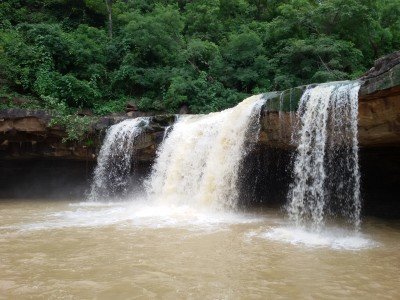
Kachchapal Waterfall
Some quick example text to build on the card title and make up the bulk of the card's content.
Go somewhere
Khursel Ghati
Some quick example text to build on the card title and make up the bulk of the card's content.
Go somewhere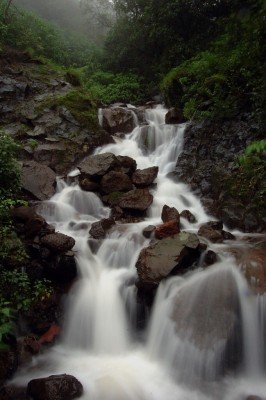
Khursel Waterfall
Some quick example text to build on the card title and make up the bulk of the card's content.
Go somewhere
Mata Mavli Mela Ground
Some quick example text to build on the card title and make up the bulk of the card's content.
Go somewhere
Pahadi Mata Mandir
Some quick example text to build on the card title and make up the bulk of the card's content.
Go somewhere
Ramkrishna Mission Ashram
Some quick example text to build on the card title and make up the bulk of the card's content.
Go somewhere
Statue of Lord Shiva
Some quick example text to build on the card title and make up the bulk of the card's content.
Go somewherein Other Cities