Dhokra/Bell Metal Handicraft Centre
General information
-
Ideal Duration:
A comprehensive visit to witness the process and shop would require 2 hours to 4 hours.Place Type:
Cultural Heritage and Artisan Workshop:Entry Fees:
No Direct Entry Fee: There is generally No Direct Entry Fee to the Dhokra/Bell Metal Handicraft Centre or workshop spaces in Narayanpur. The focus is on promoting the craft and sales.
Workshop Donation/Tip: A small, voluntary tip or donatio...No Direct Entry Fee: There is generally No Direct Entry Fee to the Dhokra/Bell Metal Handicraft Centre or workshop spaces in Narayanpur. The focus is on promoting the craft and sales.
Workshop Donation/Tip: A small, voluntary tip or donation (ranging from Rs. 50 to Rs. 200) is highly appreciated by the artisans if you spend a significant amount of time observing their work or taking photographs, as a respectful gesture for their time and hospitality. This is an ethical contribution to their livelihood.
Purchasing Artifacts: The main financial transaction is the purchase of the artifacts themselves. Prices vary significantly based on the size, weight, and intricacy of the piece, starting from around Rs. 500 for small pieces to tens of thousands for large ceremonial items. Visitors should allocate a budget for purchasing at least one piece to directly support the conservation of this traditional craft and the local community that sustains it. This support is the most meaningful "fee" for the experience.Timing:
Regular Timings: The centre and workshops typically operate during standard business hours, from 9:30 AM to 5:30 PM, Monday to Saturday. Sunday may be closed or have reduced hours depending on the cooperative's schedule. It is best to call ahead.
Read MoreRegular Timings: The centre and workshops typically operate during standard business hours, from 9:30 AM to 5:30 PM, Monday to Saturday. Sunday may be closed or have reduced hours depending on the cooperative's schedule. It is best to call ahead.
Ideal Visit Time: The best time to visit is during the mid-morning (10:00 AM to 12:00 PM) or early afternoon (2:00 PM to 4:00 PM), as this is when the artisans are most actively engaged in the intensive stages of the casting process, such as mold preparation and the critical metal pouring. Visiting during the Winter months (November to February) is physically more comfortable due to the cooler weather, as the workshops can be warm from the furnace heat.Special Events:
Artisan Day and Shilp Mela: While specific dates vary, the centre often organizes an Artisan Day or participates actively in the regional Shilp Mela (Craft Fair), typically held during major festivals like Dussehra (in October) or the Narayanpur Mela (February).Artisan Day and Shilp Mela: While specific dates vary, the centre often organizes an Artisan Day or participates actively in the regional Shilp Mela (Craft Fair), typically held during major festivals like Dussehra (in October) or the Narayanpur Mela (February).
Skill Demonstration Day: The special event is often a public demonstration day where multiple artisans gather to showcase the various stages of the Dhokra process simultaneously, attracting buyers, researchers, and media. These events are characterized by vibrant tribal music and dance performances, creating a festive atmosphere. They are the best time to see a wide variety of products and interact with multiple craftspeople from the surrounding villages who bring their unique pieces to the market.
Dussehra Exhibition: During the Bastar Dussehra celebrations (lasting over 75 days), the centre holds special exhibitions to display the finest metal and terracotta works created throughout the year, often including large, custom-commissioned pieces of exceptional detail.Best Photo Spots:
The Wax Model Display: Capture the fragile beauty of the original beeswax model before it is fired, showcasing the detailed artistry that will be permanently rendered in metal.
The Furnace Glow: A challenging but rewarding shot is capturing ...The Wax Model Display: Capture the fragile beauty of the original beeswax model before it is fired, showcasing the detailed artistry that will be permanently rendered in metal.
The Furnace Glow: A challenging but rewarding shot is capturing the dramatic, intense glow of the crucible and the molten metal during the pouring stage, emphasizing the heat and skill required.
Artisan Portraits: Close-up portraits of the artisans' hands (with consent) manipulating the wax threads or filing the finished metal, highlighting the focus, wisdom, and dexterity necessary for the craft.
Display of Finished Goods: The organized display of numerous finished Dhokra pieces, particularly the towering ceremonial figures or clustered animal motifs (like the Deer or Bullock Cart), offers an opportunity for beautiful pattern and texture photography against a rustic backdrop.Photo Gallery
Things To Do
-
Witnessing the Casting Process, Shopping, and Cultural Exchange:
In-Depth Workshop Observation ( target): The primary activity is spending time observing the multi-stage lost-wax casting process. This begins with watching the meticulous creation of the wax model, then the application of the clay layers, the firing process where the wax is 'lost,' the pouring of the molten metal (brass/bronze), and finally, the arduous process of breaking the mold and finishing the metal artifact. Visitors should try to time their visit to coincide with the metal pouring, which is the most dramatic part of the process, typically taking place in the late morning or early afternoon. Detailed explanations from the artisans about the furnace construction and the precise temperature control are invaluable.
Ethical Shopping and Patronage: Pur...Witnessing the Casting Process, Shopping, and Cultural Exchange:
In-Depth Workshop Observation ( target): The primary activity is spending time observing the multi-stage lost-wax casting process. This begins with watching the meticulous creation of the wax model, then the application of the clay layers, the firing process where the wax is 'lost,' the pouring of the molten metal (brass/bronze), and finally, the arduous process of breaking the mold and finishing the metal artifact. Visitors should try to time their visit to coincide with the metal pouring, which is the most dramatic part of the process, typically taking place in the late morning or early afternoon. Detailed explanations from the artisans about the furnace construction and the precise temperature control are invaluable.
Ethical Shopping and Patronage: Purchase authentic Dhokra artifacts directly from the artisans or the cooperative shop. This directly supports the tribal economy. Focus on items representing local motifs like the Bastar Deer, tribal deities, or the traditional measuring bowls. Spend time understanding the stories behind the motifs, such as the significance of the Peacock or the Fish in Gond mythology, making the purchase more meaningful.
Photography of the Craftsmanship: Capture the raw, earthy beauty of the workshop environment: the tools, the fire pit, the heaps of red soil, and the intricate hands of the artisans at work (always ask permission). The contrast between the rough mold material and the shiny, finished metal artifact makes for excellent photographic studies.
Short-Term Skill Demonstration: Some centers offer short, introductory demonstrations on how to roll the beeswax threads or how to mix the basic clay for the mold. Participating in this small, hands-on activity provides a deeper appreciation for the technical complexity of the craft.
Learning Local Terminology: Engage the artisans in conversation to learn the local Halbi or Gondi terms for the tools and stages of the process, such as the name for the bellows or the firing pit. This linguistic engagement adds a layer of cultural depth to the visit.
Art Appreciation Session: Dedicate time to studying the subtle stylistic differences between different artisans' works—the thickness of the wax wires, the posture of the tribal figures, and the raw finish that gives Dhokra its distinctive appeal.
Information
-
Why Famous:
Preservation of the Lost-Wax Technique: This centre is famously known for its role in preserving the ancient Dhokra art form, a craft that has survived millennia with minimal technological change. The entire process—from preparing the wax threads to the final metal filing...Preservation of the Lost-Wax Technique: This centre is famously known for its role in preserving the ancient Dhokra art form, a craft that has survived millennia with minimal technological change. The entire process—from preparing the wax threads to the final metal filing—is entirely done by hand, showcasing unparalleled artisan dedication. The fame is not just regional; Dhokra art from the Bastar region has gained international recognition for its unique, rustic, and expressive tribal aesthetic. It stands as a beacon for cultural continuity. Additionally, the centre is famous for its direct connection to the Muria and Gond tribal communities, ensuring that the economic benefits directly support the local indigenous population, thus promoting sustainable and ethical trade. It offers a tangible piece of Chhattisgarh's rich cultural history. -
Architecture:
The Cire Perdue Casting Architecture: The Architecture of the Dhokra process is not structural but procedural, centered around the temporary casting model and the natural furnace used for melting the metal.
The Wax Model and Mold: The 'archi...The Cire Perdue Casting Architecture: The Architecture of the Dhokra process is not structural but procedural, centered around the temporary casting model and the natural furnace used for melting the metal.
The Wax Model and Mold: The 'architecture' begins with the construction of the wax model, where beeswax is extruded into fine wires and sheets, used to create the intricate form, texture, and ornamentation of the final product. This wax structure forms the exact negative image of the metal artifact. The mold itself is constructed layer by layer using natural materials: a thin, fine layer of clay (red soil) mixed with cow dung and rice husk is applied first to capture the fine details of the wax, and this is reinforced with successive layers of coarser clay.
The Furnace and Dimensions: The casting requires a specialized, rudimentary furnace, often just a round pit dug into dry land, approximately 1 foot deep with a diameter of 2 to 2. 5 feet. This furnace is lined with wet termite hill (pola) material and has an angled wooden pipe for airflow (bellows). The furnace's architecture ensures high, even heat for melting the brass/bronze. The typical Dhokra artifact dimensions range widely, from small jewelry pieces of 5 cm to large figurines or wall hangings reaching up to 60 cm or more in height, reflecting the versatility of the indigenous casting technique. -
How To Reach:
By Air: The nearest airport is Swami Vivekananda Airport (RPR) in Raipur (approx. 300 KMS). From Raipur, take an inter-city bus or a private taxi directly to Narayanpur city. Jagdalpur Airport (JGA) is another, closer option (approx. 150 KMS).
Read MoreBy Air: The nearest airport is Swami Vivekananda Airport (RPR) in Raipur (approx. 300 KMS). From Raipur, take an inter-city bus or a private taxi directly to Narayanpur city. Jagdalpur Airport (JGA) is another, closer option (approx. 150 KMS).
By Train: The nearest major railway station is Jagdalpur Railway Station (JAG) (approx. 150 KMS) or Dantewada Railway Station (approx. 120 KMS). From the station, hire a local cab or take a state transport bus to Narayanpur.
By Road: Narayanpur is easily reachable by road from Raipur via NH-30 or from Jagdalpur via NH-16. State and private buses run frequently. Once in Narayanpur, the centre is usually located on the main road (like NH-30) or in a central artisanal cluster.
By Local Transport: Within Narayanpur city, the Dhokra Centre is easily accessible by auto-rickshaws, cycle-rickshaws, or local shared taxis, given its close proximity (approx. 5 KMS) to the city center. Ask for the Shilp Gram or the Bell Metal Centre.Weather and Best Time to Visit:
The Dry Season (October to March): This is the most comfortable and ideal time. The pleasant weather makes it easy to travel, and many regional craft fairs and festivals, which the artisans participate in, occur during this period. This ensures a wider variety of artwork m...The Dry Season (October to March): This is the most comfortable and ideal time. The pleasant weather makes it easy to travel, and many regional craft fairs and festivals, which the artisans participate in, occur during this period. This ensures a wider variety of artwork may be available for viewing and purchase.
Different Parts of the Day: Mid-day (10:00 AM to 3:00 PM) is the most productive time in the workshop, increasing the chances of seeing the most exciting parts of the casting process. Avoid lunch hours (1:00 PM to 2:00 PM).Near Tourist Places:
Maa Mavali Temple (Narayanpur, 4 KMS away), Ramakrishna Mission Ashram (Narayanpur, 6 KMS away), Kachchapal Waterfall (47 KMS away), Khursel Ghati (45 KMS away), Bhatpal Waterfall (80 KMS away), Kanker Town (75 KMS away), Ghotul Village Museum (15 KMS away), Mandari Dance Centre (10 KMS away), Keskal Ghat (100 KMS away), Dandami Maria Tribal Villages (60 KMS away).Tourism Tips
-
Health & Safety First: While generally safe, the workshops involve high-temperature metal pouring; Health & Safety requires visitors to maintain a respectful distance from the furnace and hot metal areas as directed by the artisans. Wear covered footwear (no open sandals)....Health & Safety First: While generally safe, the workshops involve high-temperature metal pouring; Health & Safety requires visitors to maintain a respectful distance from the furnace and hot metal areas as directed by the artisans. Wear covered footwear (no open sandals). Do not touch any materials without permission.
Packing Essentials: Packing should include a sturdy bag to safely carry any purchased artifacts. Carry cash for small purchases and tips. A camera is essential to capture the craftsmanship.
Accommodation Protocol: Stay in one of the many available hotels or guesthouses in Narayanpur city, which offer better amenities and access than the remote locations. Book accommodation well in advance if visiting during the peak Dussehra or Madai festival times in October or February.
Other Important Topics: Negotiate prices respectfully; the cost reflects many hours of skilled labor. Do not litter. Ask for a demonstration of the bell metal's sound quality, as the metal composition is highly valued for its resonant properties.
Reviews
FAQs
Narayanpur Itineray And Cost:-
Dhokra/Bell Metal Handicraft Centre Tourism:-
Other Places In Narayanpur :-
Other States In India :-
Information about New and Updated Locations() of Chhattisgarh Has Been Added :-
Card subtitle
Note:-
Information provided here in good Faith and for reference only.
Near Places

Abujhmarh
Some quick example text to build on the card title and make up the bulk of the card's content.
Go somewhere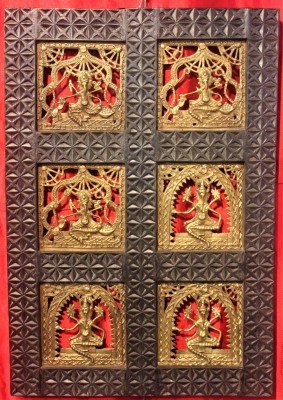
Dhokra Bell Metal Handicraft Centre
Some quick example text to build on the card title and make up the bulk of the card's content.
Go somewhere
Handawada Waterfall
Some quick example text to build on the card title and make up the bulk of the card's content.
Go somewhere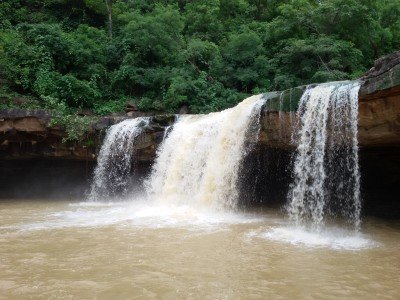
Kachchapal Waterfall
Some quick example text to build on the card title and make up the bulk of the card's content.
Go somewhere
Khursel Ghati
Some quick example text to build on the card title and make up the bulk of the card's content.
Go somewhere
Khursel Waterfall
Some quick example text to build on the card title and make up the bulk of the card's content.
Go somewhere
Mata Mavli Mela Ground
Some quick example text to build on the card title and make up the bulk of the card's content.
Go somewhere
Pahadi Mata Mandir
Some quick example text to build on the card title and make up the bulk of the card's content.
Go somewhere
Ramkrishna Mission Ashram
Some quick example text to build on the card title and make up the bulk of the card's content.
Go somewhere
Statue of Lord Shiva
Some quick example text to build on the card title and make up the bulk of the card's content.
Go somewherein Other Cities