Archaeological Museum
General information
-
Ideal Duration:
1 to 2 HoursPlace Type:
Museum/Cultural HeritageEntry Fees:
Entry Fee: There is typically a nominal Entry Fee for the Archaeological Museum, usually around INR 10-20 for Indian citizens and potentially slightly higher for foreign nationals. There are concessional rates for children and students with valid ID.
Read MoreEntry Fee: There is typically a nominal Entry Fee for the Archaeological Museum, usually around INR 10-20 for Indian citizens and potentially slightly higher for foreign nationals. There are concessional rates for children and students with valid ID.
Camera Charges: There is usually a separate, higher fee for using a still camera (INR 50-100) and a significantly higher fee for a video camera (INR 200-500). Always purchase the required ticket before taking photos inside.
Guided Tour Fees (Formal): If the museum provides a formal, sanctioned tour guide service, there might be a fixed fee for the group or individual. This is separate from the entry ticket.
Lockers/Storage Fees: A small fee might be charged for utilizing locker facilities to store large bags or backpacks, which are often not allowed inside the galleries.Timing:
Regular Timings: The Archaeological Museum generally follows standard government working hours, typically from 10:30 AM to 5:00 PM or 10:00 AM to 5:30 PM. It is generally Closed on Fridays and sometimes on major public holidays. Always confirm the exact opening days before...Regular Timings: The Archaeological Museum generally follows standard government working hours, typically from 10:30 AM to 5:00 PM or 10:00 AM to 5:30 PM. It is generally Closed on Fridays and sometimes on major public holidays. Always confirm the exact opening days before planning your visit.
Ideal Visit Time: The Ideal Visit Time is the Late Morning (10:30 AM to 1:00 PM) on a weekday (Monday to Thursday). Weekends might see slightly more school groups. The museum offers a great, cool indoor activity to escape the midday heat before heading to the outdoor Fort.
Seasonal Timing: The museum is a great all-weather destination. The indoor, climate-controlled environment makes it an excellent retreat during the extremely hot Summer months (April-June) and a pleasant activity during the Monsoon season.Special Events:
World Heritage Day: The museum often holds special exhibitions, talks, or educational programs on World Heritage Day (April 18th) or International Museum Day (May 18th), which aim to promote awareness of local heritage and the importance of conservation.
Read MoreWorld Heritage Day: The museum often holds special exhibitions, talks, or educational programs on World Heritage Day (April 18th) or International Museum Day (May 18th), which aim to promote awareness of local heritage and the importance of conservation.
Lectures and Seminars: On occasion, the museum premises are used to host lectures, seminars, or workshops by visiting archaeologists and historians, often focused on new discoveries or detailed studies of the Telangana region's past. Check the local district administration website for any scheduled events.
School and College Tours: The museum frequently organizes guided tours and quizzes for local schools and colleges, particularly during the academic session (July to March), which can involve special, interactive presentations that are not available to general tourists.Best Photo Spots:
Sculpture Gallery Focus: The best photographs (where permitted) are of the larger, well-preserved stone sculptures. Focus on the intricate carvings and the details of the deity's iconography. Use the museum lighting to create depth and shadow.
...Sculpture Gallery Focus: The best photographs (where permitted) are of the larger, well-preserved stone sculptures. Focus on the intricate carvings and the details of the deity's iconography. Use the museum lighting to create depth and shadow.
The Building Exterior: The museum's exterior, often a government-style building, can offer a contrast or a civic photography subject, especially with the surrounding government offices or trees.
Specific Featured Artifacts: If a particular artifact (like a rare coin or a unique terracotta piece) is spotlighted in a central display, focus your shot on that piece as the narrative highlight of your visit.
Wide Shot of the Galleries: A wide-angle shot down a gallery, where permitted, can capture the atmosphere of the museum and the density of the collection, conveying the sheer number of historical pieces on display. Always check photography rules before clicking.Photo Gallery
Things To Do
-
In-Depth Artifact Study: Dedicate time not just to quickly viewing, but to reading the detailed information plaques next to the exhibits. Focus on one specific area, like the numismatic or sculpture gallery, for a deeper understanding of the craftsmanship and historical context.
Connecting the Artifacts to Sites: Try to mentally link the artifacts (e. g. , Kondapur pottery, Kakatiya sculpture fragments) to the actual sites you have visited or plan to visit (Medak Fort, local temples). This exercise brings the district's history to life.
Engage with the Curator/Staff: If staff are available and unengaged, politely ask if they can provide further context on any specific exhibit. Local museum staff often have profound, specific knowledge of the artifacts' provenance and significance.In-Depth Artifact Study: Dedicate time not just to quickly viewing, but to reading the detailed information plaques next to the exhibits. Focus on one specific area, like the numismatic or sculpture gallery, for a deeper understanding of the craftsmanship and historical context.
Connecting the Artifacts to Sites: Try to mentally link the artifacts (e. g. , Kondapur pottery, Kakatiya sculpture fragments) to the actual sites you have visited or plan to visit (Medak Fort, local temples). This exercise brings the district's history to life.
Engage with the Curator/Staff: If staff are available and unengaged, politely ask if they can provide further context on any specific exhibit. Local museum staff often have profound, specific knowledge of the artifacts' provenance and significance.
Take Detailed Notes and Sketches: Since photography might be restricted or difficult, carry a notebook to make sketches or detailed notes of the most interesting inscriptions, coin details, or artistic motifs. This is a practice favored by scholars.
Visit the Bookshop (if any): Check for locally published booklets or excavation reports related to Medak district's archaeology, which are often unique to the museum and unavailable elsewhere.
Educational Day Out: Bring children or students here to engage them with interactive exhibits (if available) or the visually appealing sculptures to foster an appreciation for local history and science.
Follow the Chronological Flow: Start at the earliest exhibits (prehistoric, Satavahana) and methodically move forward through the timeline to the medieval exhibits. This ensures a clear understanding of the region's historical progression.
Information
-
Why Famous:
Kondapur Excavations Artifacts: The museum is most famous for housing a significant portion of the artifacts recovered from the celebrated Kondapur archaeological site. These include relics of the Satavahana dynasty, such as rare coins, terracotta art, and remnants of Buddh...Kondapur Excavations Artifacts: The museum is most famous for housing a significant portion of the artifacts recovered from the celebrated Kondapur archaeological site. These include relics of the Satavahana dynasty, such as rare coins, terracotta art, and remnants of Buddhist stupas and Viharas, establishing the region's ancient connection to Buddhism.
Educational Value: It is a vital educational hub for students, historians, and researchers who want to study the material culture and historical timeline of the Medak district in a concentrated setting. The museum acts as a comprehensive reference point for local history.
Showcase of Regional Sculpture: The collection of stone sculptures from various local temples and historical sites provides a deep insight into the regional art styles and the iconography of different periods, ranging from the Chalukyan to the Kakatiya era. It preserves artistic elements that might otherwise be lost in the original field sites. -
Architecture:
Simple, Functional Design: The Archaeological Museum in Medak typically follows a more modern, functional, and utilitarian architectural design, suitable for housing and protecting sensitive artifacts, unlike the grand historical structures of the Cathedral or Fort. The bui...Simple, Functional Design: The Archaeological Museum in Medak typically follows a more modern, functional, and utilitarian architectural design, suitable for housing and protecting sensitive artifacts, unlike the grand historical structures of the Cathedral or Fort. The building is usually a straightforward structure with adequate lighting and ventilation to maintain the integrity of the exhibits.
Interior Layout and Galleries: The interior is generally designed with a series of rooms or galleries that follow a chronological or thematic sequence. Displays are typically arranged in glass cases with informative plaques. The layout focuses on maximizing exhibit space while ensuring a comfortable viewing path for visitors. The architectural style prioritizes safety and preservation of artifacts over external grandiosity.
Dimension (Approximate): While specific dimensions are not widely published, a district-level museum is generally of a moderate size, often covering a floor area of approximately 500 to 1000 square meters, distributed over one or two floors. The key architectural element is the internal configuration, which includes sections dedicated to sculpture, epigraphy (inscriptions), numismatics (coins), and prehistoric or protohistoric findings. The building is usually designed to withstand the climate and protect the artifacts from dust and moisture. -
How To Reach:
By Air: The nearest airport is Rajiv Gandhi International Airport (HYD) in Hyderabad (146 KM). From Hyderabad, take a bus or taxi to Medak.
By Train: The nearest functional railway station is Akkannapet (AKNT) (19 KM). Take a local taxi or...By Air: The nearest airport is Rajiv Gandhi International Airport (HYD) in Hyderabad (146 KM). From Hyderabad, take a bus or taxi to Medak.
By Train: The nearest functional railway station is Akkannapet (AKNT) (19 KM). Take a local taxi or auto to Medak town. Secunderabad Railway Station (SC) is the major long-distance hub.
By Road: Medak is about 96 KM from Hyderabad and is well-connected by TSRTC buses and taxis. The museum is centrally located, often near the Collectorate or District Administration buildings.
By Local Transport: The museum is located in the center of Medak town, often a short walk (5-10 minutes) or a quick auto-rickshaw ride from the main Medak Bus Stand and the city center. It is easily found due to its proximity to major government offices. Use a local auto-rickshaw for convenience. -
Weather and Best Time to Visit:
Different Types of Seasons: The museum is an indoor activity and is excellent to visit year-round. It is especially ideal during the Summer (April to June) when outdoor activities are difficult due to the heat, as the museum offers a cool, quiet, and engaging retreat. Wint...Different Types of Seasons: The museum is an indoor activity and is excellent to visit year-round. It is especially ideal during the Summer (April to June) when outdoor activities are difficult due to the heat, as the museum offers a cool, quiet, and engaging retreat. Winter (October to March) remains pleasant for overall travel in Medak.
Different Parts of the Day: The Ideal Time of Day is Midday (11:00 AM to 2:00 PM). Start your outdoor visits (Fort, Cathedral) in the morning or late afternoon, and utilize the museum as a midday break to avoid the strong sun and heat, making the best use of your day's schedule. -
Near Tourist Places:
Medak Clock Tower (0. 3 KM) An easy, quick stop nearby. Medak Market Area (0. 5 KM) For a local shopping and lunch experience. Medak Cathedral (1. 5 KM) The primary architectural landmark. Medak Fort (2 KM) The main historical hill-top structure. Nandi Kaman (2 KM) Historic fort gateway. Old Shiva Temple (2 KM) Ancient temple near the fort. Pocharam Lake & Sanctuary (20 KM) For a nature break after history. Wargal Saraswati Temple (45 KM) A significant pilgrimage destination. Kondapur Archaeological Site (60 KM) The source of many museum artifacts. Singur Dam (65 KM) Scenic dam and picnic spot.
Tourism Tips
-
Health & Safety: Being an indoor facility, the primary safety concern is trip hazards. Move carefully around the glass cases. Follow any rules regarding silence and touching exhibits. Carry minimal bags, as large bags may need to be deposited.Health & Safety: Being an indoor facility, the primary safety concern is trip hazards. Move carefully around the glass cases. Follow any rules regarding silence and touching exhibits. Carry minimal bags, as large bags may need to be deposited.
Packing: Carry your student or research ID to potentially avail of concessional entry fees. A small notebook and pen are valuable for note-taking. Leave food and drinks outside the facility.
Accommodation: The museum's central location means it is easily accessible from any accommodation in Medak town. Prioritize a stay in Medak for convenient access to all central sites.
Other Topics (Rules and Conduct): Strictly adhere to the "No Photography" or "No Flash" rules if indicated, especially for older manuscripts or fragile exhibits. Maintain a respectful distance from the artifacts. Plan your visit for the morning of a day where you have afternoon outdoor activities planned, making it a good historical appetizer.
Reviews
FAQs
Medak Itineray And Cost:-
Archaeological Museum Tourism:-
Other Places In Medak :-
Other States In India :-
Information about New and Updated Locations() of Telangana Has Been Added :-
Card subtitle
Note:-
Information provided here in good Faith and for reference only.
Near Places

District Science Centre
Some quick example text to build on the card title and make up the bulk of the card's content.
Go somewhere
Edithanur Cave
Some quick example text to build on the card title and make up the bulk of the card's content.
Go somewhere
Edupayala Vana Durga Bhavani Temple
Some quick example text to build on the card title and make up the bulk of the card's content.
Go somewhere
Gajulpet Church
Some quick example text to build on the card title and make up the bulk of the card's content.
Go somewhere
Ghanpur Dam
Some quick example text to build on the card title and make up the bulk of the card's content.
Go somewhere
Komuravelli
Some quick example text to build on the card title and make up the bulk of the card's content.
Go somewhere
Lakshmi Narasimha Swamy Temple, Nacharam
Some quick example text to build on the card title and make up the bulk of the card's content.
Go somewhere
Manjeera River Tributaries
Some quick example text to build on the card title and make up the bulk of the card's content.
Go somewhere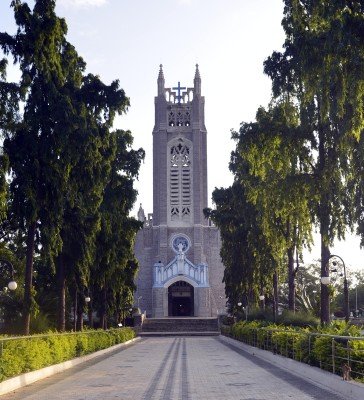
Medak Cathedral
Some quick example text to build on the card title and make up the bulk of the card's content.
Go somewhere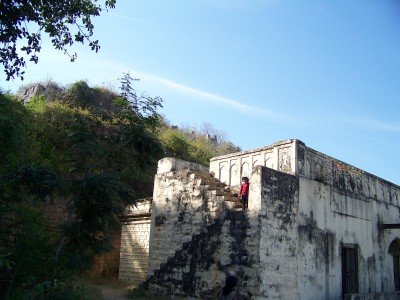
Medak Clock Tower
Some quick example text to build on the card title and make up the bulk of the card's content.
Go somewhere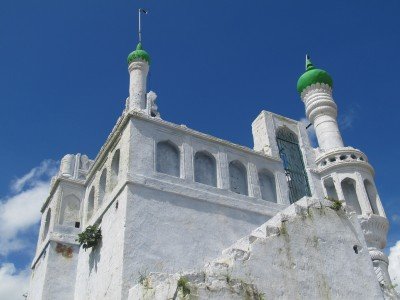
Medak Fort
Some quick example text to build on the card title and make up the bulk of the card's content.
Go somewhere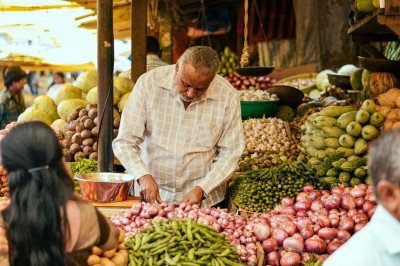
Medak Market Area
Some quick example text to build on the card title and make up the bulk of the card's content.
Go somewhere
Nandi Kaman
Some quick example text to build on the card title and make up the bulk of the card's content.
Go somewhere
Narsapur Forest
Some quick example text to build on the card title and make up the bulk of the card's content.
Go somewhere
Old Shiva Temple
Some quick example text to build on the card title and make up the bulk of the card's content.
Go somewhere
Pocharam Dam & Wildlife Sanctuary
Some quick example text to build on the card title and make up the bulk of the card's content.
Go somewherein Other Cities