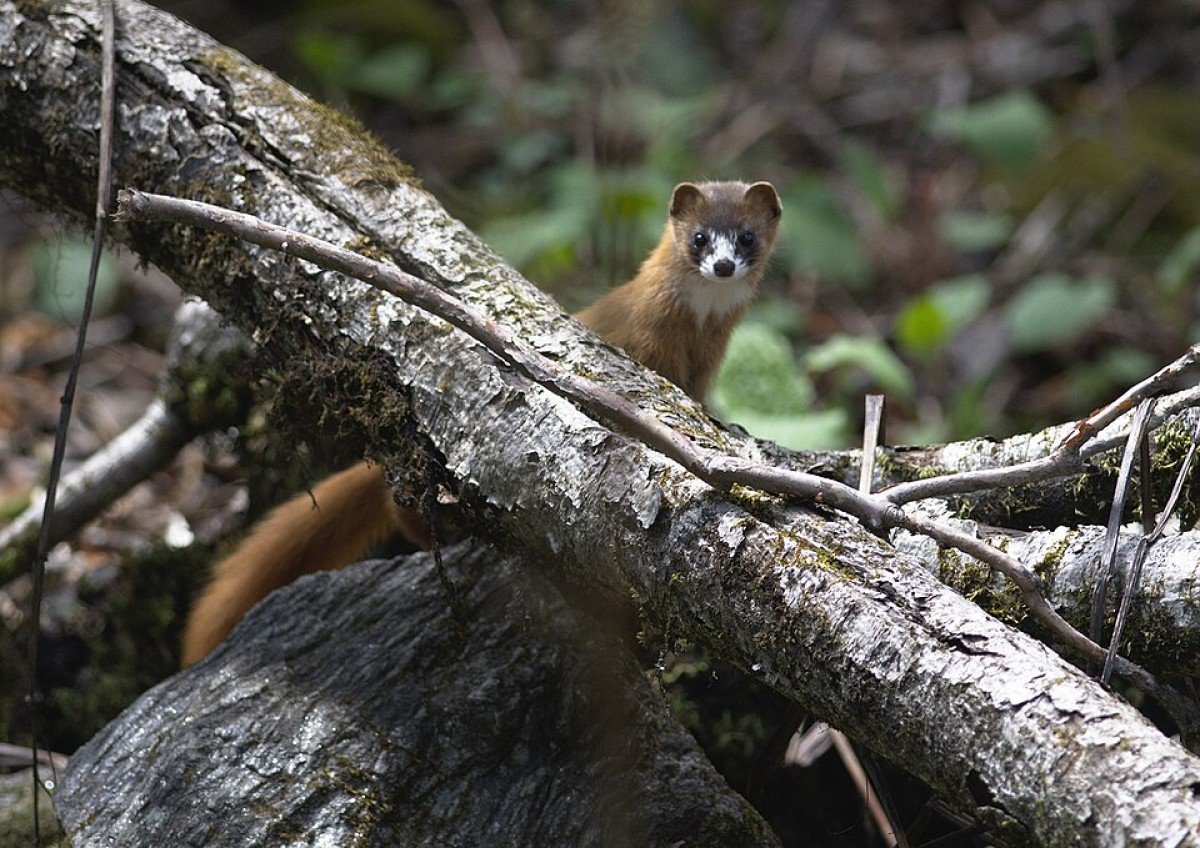
Askot Musk Deer Sanctuary
General information
-
Ideal Duration:
1 to 2 DaysPlace Type:
Wildlife / NatureEntry Fees:
Permit and Entry Costs:
Nominal Fees: Entry for Indian nationals is approximately INR 50-100, while foreigners may be charged around INR 500-600. Camera fees are extra, usually INR 100-500 depending on the type of equipment. Hiring a forest...Permit and Entry Costs:
Nominal Fees: Entry for Indian nationals is approximately INR 50-100, while foreigners may be charged around INR 500-600. Camera fees are extra, usually INR 100-500 depending on the type of equipment. Hiring a forest guide is mandatory for deep treks and costs about INR 500-1000 per day.Timing:
Daylight Hours:
Ideal Season: The sanctuary is open from Sunrise to Sunset (approx. 6:00 AM to 6:00 PM). The best time to visit is from April to June and September to November. It remains closed or restricted during heavy monsoon months (J...Daylight Hours:
Ideal Season: The sanctuary is open from Sunrise to Sunset (approx. 6:00 AM to 6:00 PM). The best time to visit is from April to June and September to November. It remains closed or restricted during heavy monsoon months (July-August) due to leeches and landslides.Special Events:
Annual Wildlife Week:
Local Religious Fairs: The sanctuary participates in Wildlife Week (October), focusing on conservation awareness. Local fairs at the Panchachuli base and nearby temples during Maha Shivratri attract locals who perform t...Annual Wildlife Week:
Local Religious Fairs: The sanctuary participates in Wildlife Week (October), focusing on conservation awareness. Local fairs at the Panchachuli base and nearby temples during Maha Shivratri attract locals who perform traditional music using instruments like the 'Dhol' and 'Damau'.Best Photo Spots:
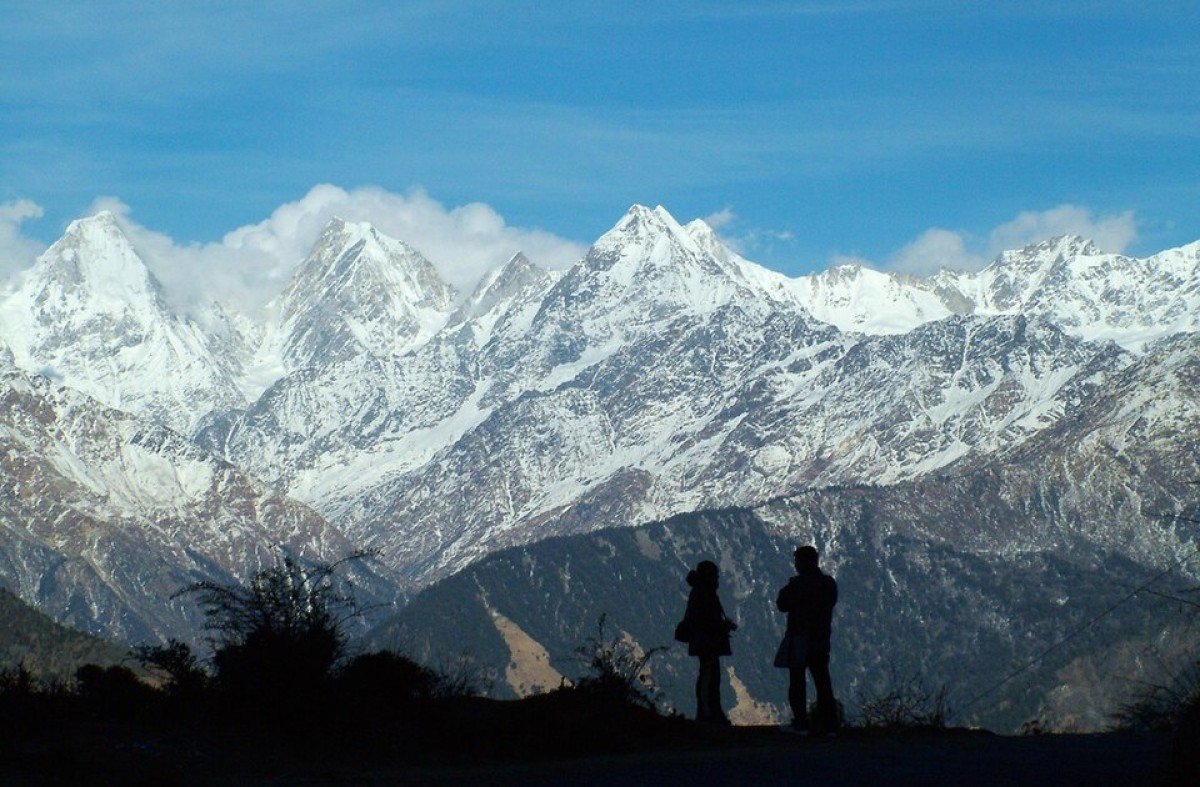
Panchachuli Viewpoints:
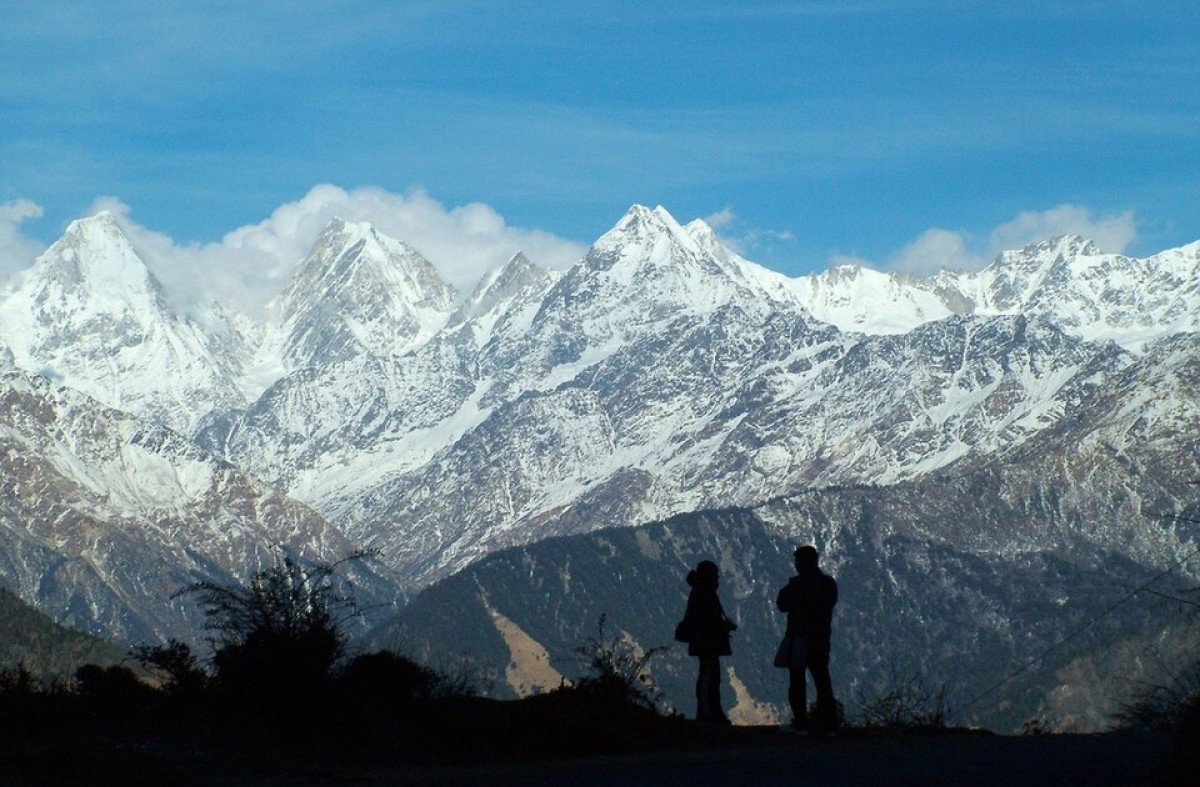
Forest Canopy Shots: The best photo spots are the high ridges overlooking the Kali River and the Panchachuli range. Capturing the blood-red Rhododendron blossoms in spring is a favorite for photographers. The ancient...Panchachuli Viewpoints:
Forest Canopy Shots: The best photo spots are the high ridges overlooking the Kali River and the Panchachuli range. Capturing the blood-red Rhododendron blossoms in spring is a favorite for photographers. The ancient ruins of the Askot forts provide a rustic, historical backdrop for architectural and landscape photography.Photo Gallery
Things To Do
-
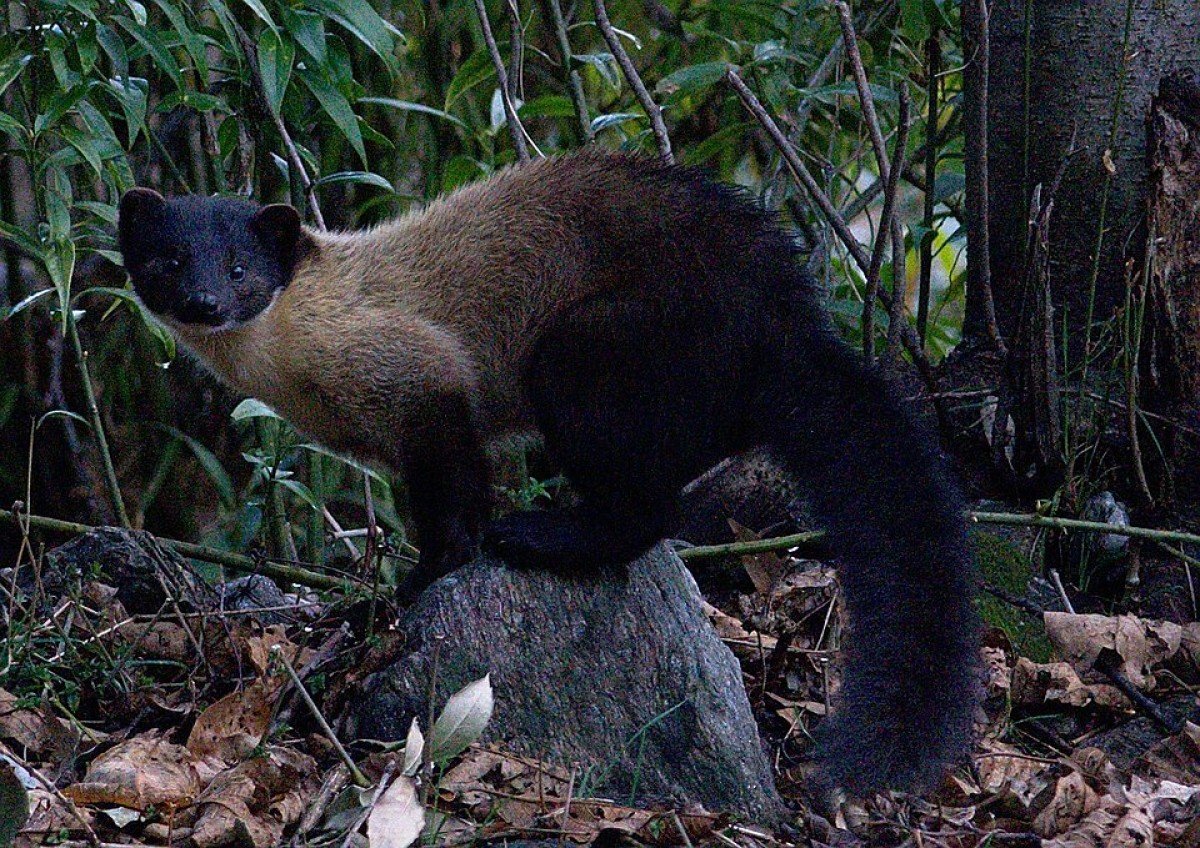
Wildlife Safari and Spotting:
Trekking through Deodar Forests: Visitors can trek through the marked forest trails to spot rare fauna and flora.
Bird Watching: The sanctuary is a paradise for ornithologists, with over 200 species of birds.
Visiting Ancient Temples: Exploring shrines like Chiplakot and Bhanar within the park limits.
Photography of Himalayan Peaks: Capturing the Panchachuli peaks from various vantage points.
River Side Camping: Setting up camps near the banks of the Kali River for a peaceful night.
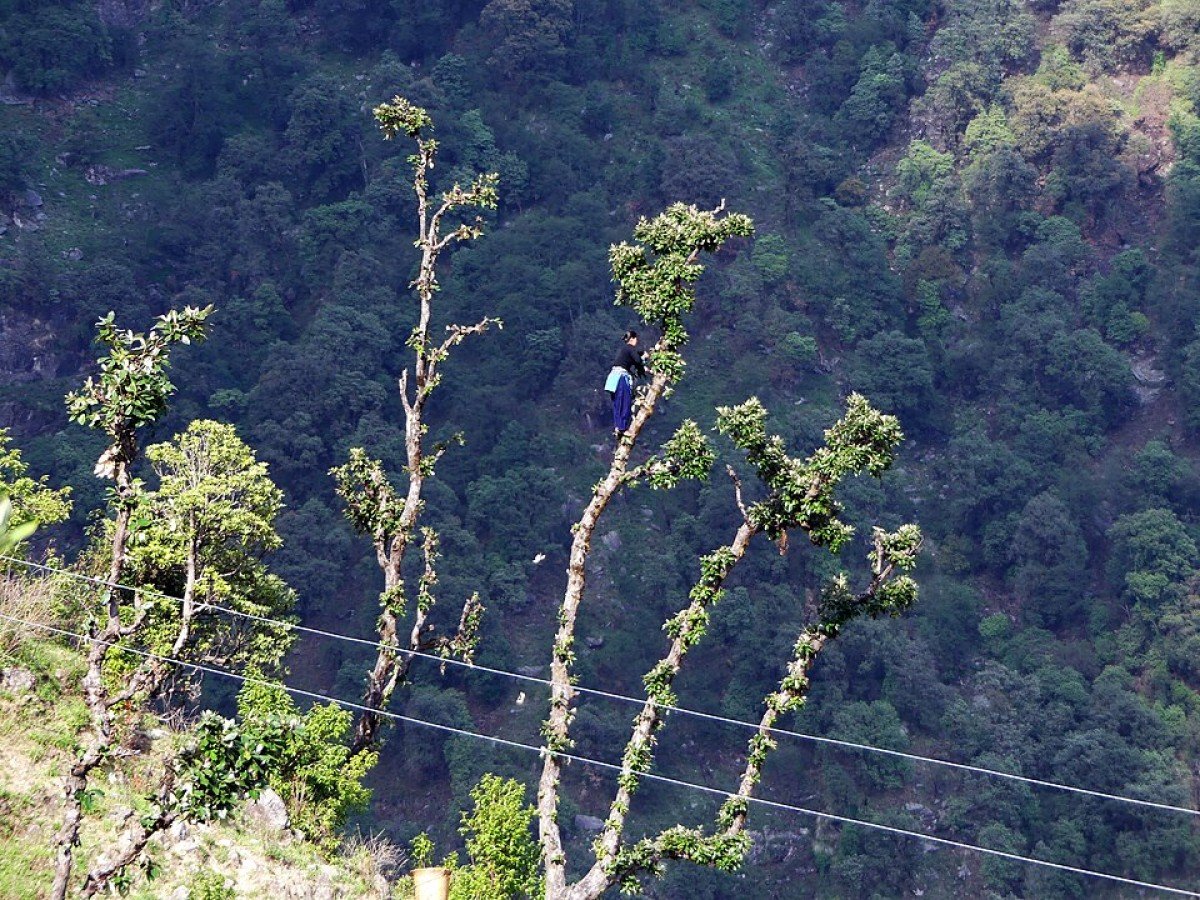
Nature Walks: Guided walks to identify medicinal herbs and rare Himalayan plants.
Village Tourism: Visiting the nearby A...Wildlife Safari and Spotting:
Trekking through Deodar Forests: Visitors can trek through the marked forest trails to spot rare fauna and flora.
Bird Watching: The sanctuary is a paradise for ornithologists, with over 200 species of birds.
Visiting Ancient Temples: Exploring shrines like Chiplakot and Bhanar within the park limits.
Photography of Himalayan Peaks: Capturing the Panchachuli peaks from various vantage points.
River Side Camping: Setting up camps near the banks of the Kali River for a peaceful night.
Nature Walks: Guided walks to identify medicinal herbs and rare Himalayan plants.
Village Tourism: Visiting the nearby Askot village to experience local Kumaoni culture.
Information
-
Why Famous:
Sanctuary of the Elusive Musk Deer:
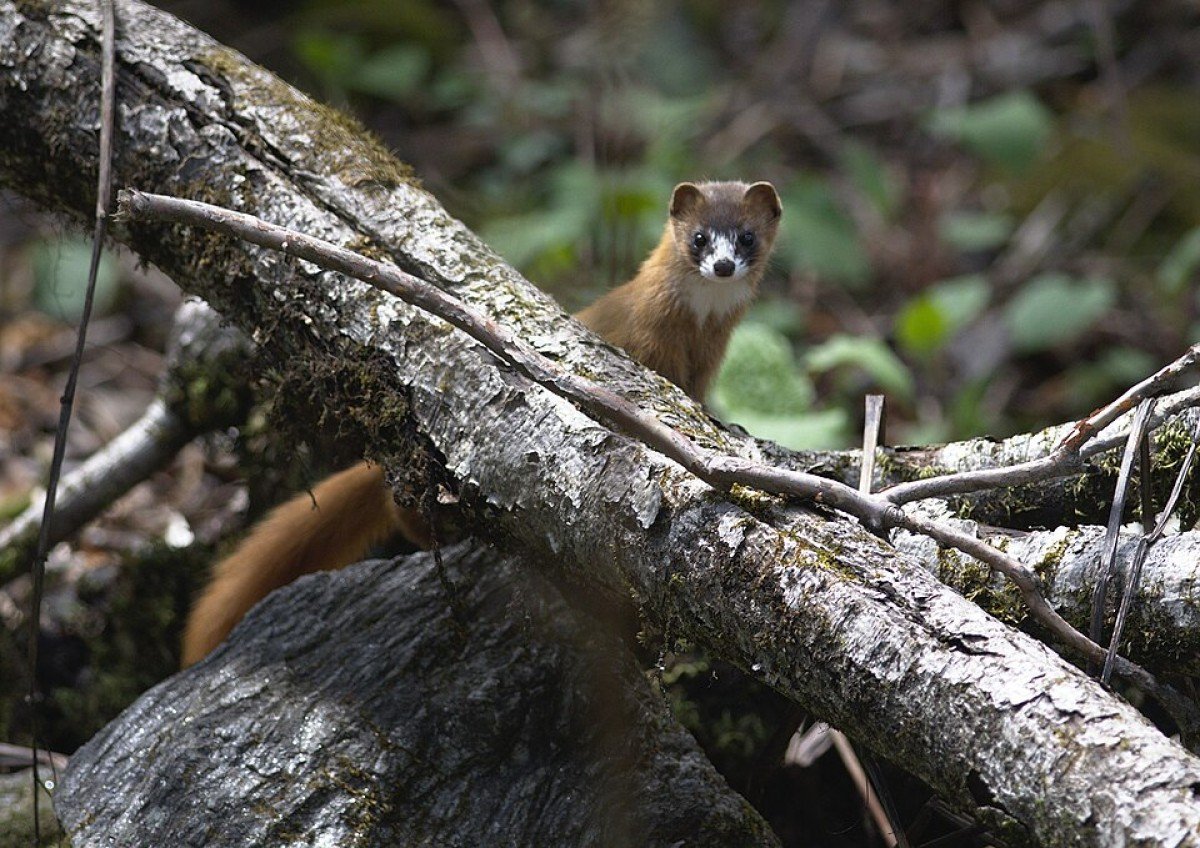
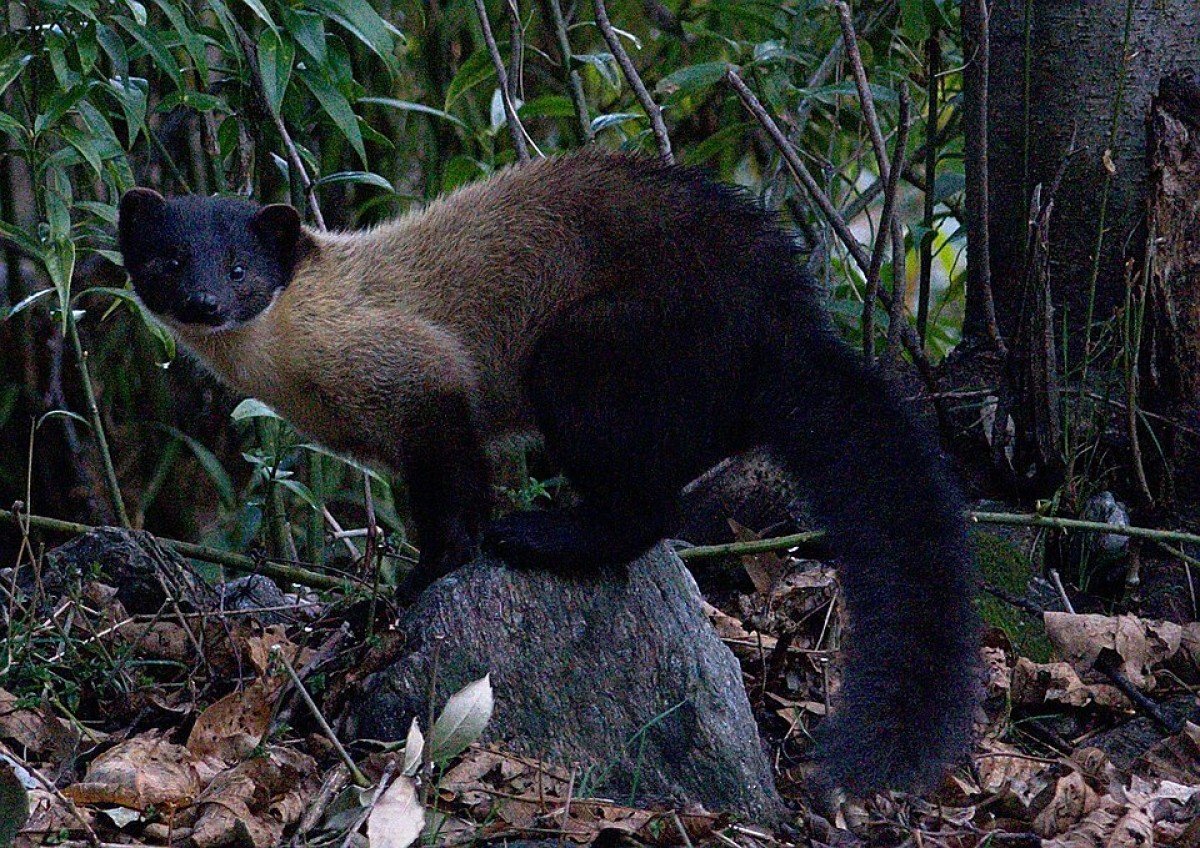
Himalayan Biodiversity: The sanctuary is world-renowned for its dedicated efforts in preserving the Musk Deer (Moschus leucogaster). It is famous for its extreme altitudinal variation, which supports both ...Sanctuary of the Elusive Musk Deer:
Himalayan Biodiversity: The sanctuary is world-renowned for its dedicated efforts in preserving the Musk Deer (Moschus leucogaster). It is famous for its extreme altitudinal variation, which supports both tigers at the base and snow leopards at the peaks. The historical significance of the Rajwar dynasty of Askot and the presence of ancient fort ruins also contribute to its fame among historians. -
Architecture:
Natural Habitats and Rustic Shrines:
Design Elements: The architecture within the sanctuary is mostly limited to forest rest houses and ancient temples like the Bhanar temple. These structures are built in the traditional hill style, using h...Natural Habitats and Rustic Shrines:
Design Elements: The architecture within the sanctuary is mostly limited to forest rest houses and ancient temples like the Bhanar temple. These structures are built in the traditional hill style, using heavy stone masonry and timber. The rest houses typically feature sloping roofs to manage heavy snowfall. The dimensions of the local forest bungalows are around 40x60 feet, designed to blend into the surrounding forest without disturbing the natural aesthetic. -
How To Reach:
Road to the Wild:
By Air: Nearest airport is Naini Saini in Pithoragarh (60 KM).
By Train: Tanakpur (204 KM) is the nearest station.
By Road: Well connected by road from Pith...Road to the Wild:
By Air: Nearest airport is Naini Saini in Pithoragarh (60 KM).
By Train: Tanakpur (204 KM) is the nearest station.
By Road: Well connected by road from Pithoragarh city; one can hire a taxi or take a state bus.
Local Transport: Shared jeeps are the most common way to reach Askot from Pithoragarh or Didihat. -
Weather and Best Time to Visit:
Spring and Autumn:
Morning Wildlife Sightings: April to June is perfect for seeing the flora in full bloom. October to November offers the best visibility of the snow peaks. Early mornings (6 AM to 9 AM) are the best time for wildlife spott...Spring and Autumn:
Morning Wildlife Sightings: April to June is perfect for seeing the flora in full bloom. October to November offers the best visibility of the snow peaks. Early mornings (6 AM to 9 AM) are the best time for wildlife spotting as animals come to the water sources before the sun gets too high. -
Near Tourist Places:
Didihat (21 KM), Jauljibi (30 KM), Pithoragarh (54 KM), Dharchula (45 KM), Panchachuli Peaks (60 KM), Kali River (5 KM), Bhanar Temple (10 KM), Chiplakot (15 KM), Askot Village (2 KM), Narayan Ashram (80 KM)
Tourism Tips
-
Wildlife Safety Guidelines:
What to Carry: Carry binoculars, sturdy trekking boots, and a first-aid kit.
Connectivity: Mobile network is patchy; BSNL is the best bet.
Cash: ...Wildlife Safety Guidelines:
What to Carry: Carry binoculars, sturdy trekking boots, and a first-aid kit.
Connectivity: Mobile network is patchy; BSNL is the best bet.
Cash: No ATMs inside the sanctuary; the nearest one is in Askot or Didihat.
Health: Be aware of leeches during the rainy season and carry salt or sprays.
Reviews
FAQs
Pithoragarh Itineray And Cost:-
Askot Musk Deer Sanctuary Tourism:-
Other Places In Pithoragarh :-
Other States In India :-
Information about New and Updated Locations() of Uttarakhand Has Been Added :-
Card subtitle
Note:-
Information provided here in good Faith and for reference only.
Near Places

Adi Kailash
Some quick example text to build on the card title and make up the bulk of the card's content.
Go somewhere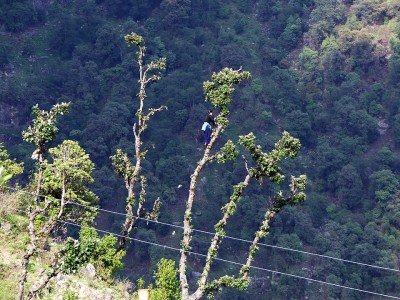
Askot Musk Deer Sanctuary
Some quick example text to build on the card title and make up the bulk of the card's content.
Go somewhere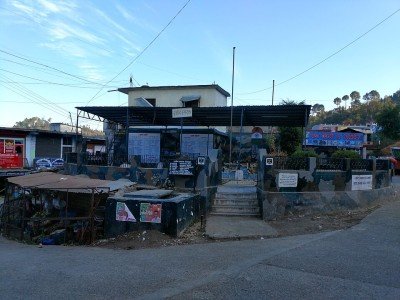
Berinag
Some quick example text to build on the card title and make up the bulk of the card's content.
Go somewhere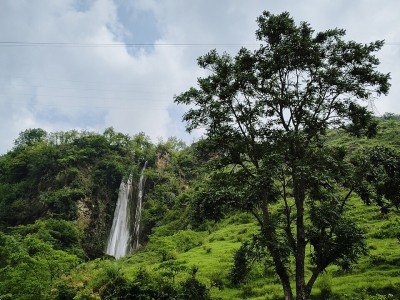
Bhurmuni Waterfall
Some quick example text to build on the card title and make up the bulk of the card's content.
Go somewhere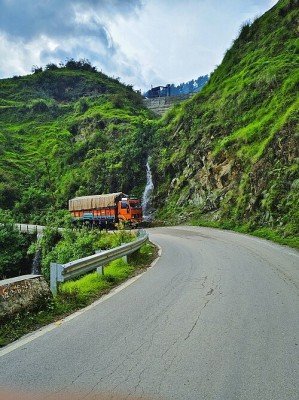
Chandak Hill
Some quick example text to build on the card title and make up the bulk of the card's content.
Go somewhere
Chaukori
Some quick example text to build on the card title and make up the bulk of the card's content.
Go somewhere
Dhwaj Temple
Some quick example text to build on the card title and make up the bulk of the card's content.
Go somewhere
Didihat
Some quick example text to build on the card title and make up the bulk of the card's content.
Go somewhere
Gangolihat
Some quick example text to build on the card title and make up the bulk of the card's content.
Go somewhere
Jauljibi
Some quick example text to build on the card title and make up the bulk of the card's content.
Go somewhere
Jhulaghat
Some quick example text to build on the card title and make up the bulk of the card's content.
Go somewhere
Kapileshwar Mahadev Cave
Some quick example text to build on the card title and make up the bulk of the card's content.
Go somewhere
Nakuleshwara Temple
Some quick example text to build on the card title and make up the bulk of the card's content.
Go somewhere
Narayan Ashram
Some quick example text to build on the card title and make up the bulk of the card's content.
Go somewhere
Om Parvat
Some quick example text to build on the card title and make up the bulk of the card's content.
Go somewhere
Patal Bhuvaneshwar
Some quick example text to build on the card title and make up the bulk of the card's content.
Go somewherein Other Cities