

Kapileshwar Mahadev Cave
General information
-
Ideal Duration:
1-2 HoursPlace Type:
Religious, Natural Cave, Scenic ViewpointEntry Fees:
No Fixed Entry Fee: As a religious site, there is no ticket fee for entry into the cave.
Voluntary Donations: Visitors are expected to give a voluntary donation (dakshina) to the temple fund for its maintenance and the upkeep of the steps an...No Fixed Entry Fee: As a religious site, there is no ticket fee for entry into the cave.
Voluntary Donations: Visitors are expected to give a voluntary donation (dakshina) to the temple fund for its maintenance and the upkeep of the steps and platform. This is a token amount.
Guide Fees: A local guide is often unnecessary due to the site's proximity and well-marked path, but a nominal guide fee might be applicable if you hire one for local mythological context:Timing:
Regular Timings: The temple is typically open from 6:00 AM to 7:00 PM daily. It is strongly advised to visit during daylight hours due to the steps and the nature of the cave.
Ideal Visit Time: The Ideal Visit Time is morning (8:00 AM - 11:...Regular Timings: The temple is typically open from 6:00 AM to 7:00 PM daily. It is strongly advised to visit during daylight hours due to the steps and the nature of the cave.
Ideal Visit Time: The Ideal Visit Time is morning (8:00 AM - 11:00 AM) when the air is cool for the climb and the visibility of the valley is usually clearest. The cave's internal temperature remains constant, making it a cool retreat during summer mid-day.
Aarti Timings: The morning and evening aarti (prayers) are generally around 7:00 AM and 6:
00 PM:Special Events:
Shivaratri Celebrations: The most significant event is the grand celebration of Maha Shivaratri (February or March). Special pujas (worship rituals) are held inside the cave all day and night, attracting a huge local crowd and creating a deeply devotional atmosphere.Shivaratri Celebrations: The most significant event is the grand celebration of Maha Shivaratri (February or March). Special pujas (worship rituals) are held inside the cave all day and night, attracting a huge local crowd and creating a deeply devotional atmosphere.
Sawan Month: During the holy month of Sawan (July to August), which is dedicated to Lord Shiva, the temple sees a daily influx of devotees performing abhishek (water offering) and special ceremonies:Best Photo Spots:
The Cave Entrance and Steps: A well-composed shot of the carved stone steps leading into the dark mouth of the cave provides a dramatic, mysterious, and inviting photo.
The Valley View from the Platform: Capturing the wide-angle view of the ...The Cave Entrance and Steps: A well-composed shot of the carved stone steps leading into the dark mouth of the cave provides a dramatic, mysterious, and inviting photo.
The Valley View from the Platform: Capturing the wide-angle view of the Soar Valley, with the railings or part of the viewing platform in the foreground, provides context and depth to the landscape.
The Interior Light Spot: While challenging due to the dark interior, capturing the soft lighting around the main Shiva Lingam can result in a unique and ethereal photograph of the sanctum:Photo Gallery
Things To Do
-
Pilgrimage and Worship: Descend the steps to the main chamber to offer prayers to Lord Shiva and the natural Shiva Lingam. Many devotees carry water or milk for abhishek (ritual bathing).
Meditation: The naturally quiet, cool, and dark atmosphere inside the cave is ideal for a period of deep meditation and introspection.
Viewpoint Photography: Utilize the viewing platform near the entrance to capture the stunning, expansive vista of the Soar Valley below and the distant Himalayan range on a clear day.
Stair Climb for Fitness: The climb of over 200 steps (down and then up) serves as a great short, intensive physical exercise challenge.
Exploring Geological Formations: Carefully observe the various stalactite (hanging from the cei...Pilgrimage and Worship: Descend the steps to the main chamber to offer prayers to Lord Shiva and the natural Shiva Lingam. Many devotees carry water or milk for abhishek (ritual bathing).
Meditation: The naturally quiet, cool, and dark atmosphere inside the cave is ideal for a period of deep meditation and introspection.
Viewpoint Photography: Utilize the viewing platform near the entrance to capture the stunning, expansive vista of the Soar Valley below and the distant Himalayan range on a clear day.
Stair Climb for Fitness: The climb of over 200 steps (down and then up) serves as a great short, intensive physical exercise challenge.
Exploring Geological Formations: Carefully observe the various stalactite (hanging from the ceiling) and stalagmite (rising from the floor) formations inside the cave, which appear like natural, intricate sculptures.
Interaction with Priest: Engage with the resident priest to learn about the legends of Kapil Muni and the specific mythological interpretations of the rock formations:
Information
-
Why Famous:
Ancient Spiritual Significance: The cave is highly famous for its connection to Sage Kapil Muni, who is believed to have meditated here, making it a powerful spiritual site for devotion and penance. It is one of the oldest temples in the region.Ancient Spiritual Significance: The cave is highly famous for its connection to Sage Kapil Muni, who is believed to have meditated here, making it a powerful spiritual site for devotion and penance. It is one of the oldest temples in the region.
Natural Shiva Lingam: The main attraction is the naturally formed Shiva Lingam deep inside the cavern, created by stalagmites, which is considered a powerful and self-manifested form of Lord Shiva.
The Cave Experience: The unique experience of descending into the dark, damp, and cool earth to reach the sanctum, surrounded by surreal rock formations, is a memorable and sacred journey for devotees.
Scenic Soar Valley Views: Its close proximity to Pithoragarh and its elevated position offer a beautiful, easily accessible viewpoint overlooking the whole Soar Valley: -
Architecture:
Cave Temple Architecture: The 'architecture' is predominantly natural and geological, formed by the flow of water and limestone deposits over millions of years. The cave is approximately 20 meters deep and features a low ceiling in many places, requiring devotees to often s...Cave Temple Architecture: The 'architecture' is predominantly natural and geological, formed by the flow of water and limestone deposits over millions of years. The cave is approximately 20 meters deep and features a low ceiling in many places, requiring devotees to often stoop or crawl.
Man-made Interventions: The main architectural additions are the approximately 200 carved stone steps leading down to the cave entrance, and the small, constructed entrance and exit points to maintain safety. Inside, a small, permanent platform and lighting have been added for worship.
Key Formations: The most significant feature is the natural Shiva Lingam formation created by stalagmites, located deep within the cave. Other formations resemble idols of gods and goddesses, adding to the spiritual ambiance.
Viewing Platform: A well-built, open viewing platform (approx. 50 square meters) is located near the entry point, offering panoramic valley views: -
How To Reach:
By Air: Nearest is Pantnagar Airport (PGH) (approx. 210 KMS). From the airport, hire a taxi or bus to Pithoragarh.
By Train: Nearest major station is Tanakpur Railway Station (TPU) (approx. 158 KMS). From Tanakpur, take a shared taxi or ...By Air: Nearest is Pantnagar Airport (PGH) (approx. 210 KMS). From the airport, hire a taxi or bus to Pithoragarh.
By Train: Nearest major station is Tanakpur Railway Station (TPU) (approx. 158 KMS). From Tanakpur, take a shared taxi or bus to Pithoragarh.
By Road: Pithoragarh is well-connected. From the city, the cave (3 KMS) is a very short drive on a well-maintained road. Hire a local taxi or auto-rickshaw.
By Local Transport: Due to its proximity, a short auto-rickshaw ride or a local shared jeep from the main Pithoragarh market is the easiest way. Alternatively, it is a pleasant and easy 30-45 minute walk from the city center: -
Weather and Best Time to Visit:
Different Types of Seasons: March to June (Summer/Spring) is the best time for comfortable weather and good valley visibility. The monsoon (July to August) makes the steps to the cave very slippery, requiring extreme caution. September to November (Post-Monsoon) offers cle...Different Types of Seasons: March to June (Summer/Spring) is the best time for comfortable weather and good valley visibility. The monsoon (July to August) makes the steps to the cave very slippery, requiring extreme caution. September to November (Post-Monsoon) offers clear skies and the best photographic light for the valley views.
Different Parts of the Day: Morning is preferred for the cool climate for the climb. The cave's interior is a welcome, cool retreat during a hot mid-day. Evening is good for sunset views from the top platform: -
Near Tourist Places:
1. Pithoragarh Fort (approx. 5 KMS), 2. Nakuleshwara Temple (approx. 7 KMS), 3. Chandak Hill (approx. 11 KMS), 4. War Memorial (approx. 6 KMS), 5. Thal Kedar Temple (approx. 18 KMS), 6. Bhurmuni Waterfall (approx. 20 KMS), 7. Dhwaj Temple (approx. 13 KMS), 8. Sor Valley (Viewpoint overlook), 9. Maa Vardani View Point (approx. 10 KMS), 10. Simalgair Market (approx.
4 KMS):
Tourism Tips
-
Health & Safety: Wear shoes with excellent grip to safely navigate the steep, often damp stone steps. Watch your head inside the cave, as the ceiling is very low in certain sections. Carry a small flashlight/torch, although the cave is minimally lit.
Read MoreHealth & Safety: Wear shoes with excellent grip to safely navigate the steep, often damp stone steps. Watch your head inside the cave, as the ceiling is very low in certain sections. Carry a small flashlight/torch, although the cave is minimally lit.
Packing: Bring an extra layer of clothing, as the temperature inside the cave is significantly lower than outside. Avoid carrying large bags into the cave.
Accommodation: Stay in the numerous hotels and guesthouses in the main Pithoragarh town, as the cave site offers no official lodging.
Other Topics: Be respectful of the religious nature of the site; remove shoes before entering the sanctum. The descent of the steps is harder on the knees, so take it slow:Reviews
FAQs
Pithoragarh Itineray And Cost:-
Kapileshwar Mahadev Cave Tourism:-
Other Places In Pithoragarh :-
Other States In India :-
Information about New and Updated Locations() of Uttarakhand Has Been Added :-
Card subtitle
Note:-
Information provided here in good Faith and for reference only.
Near Places

Adi Kailash
Some quick example text to build on the card title and make up the bulk of the card's content.
Go somewhere
Askot Musk Deer Sanctuary
Some quick example text to build on the card title and make up the bulk of the card's content.
Go somewhere
Berinag
Some quick example text to build on the card title and make up the bulk of the card's content.
Go somewhere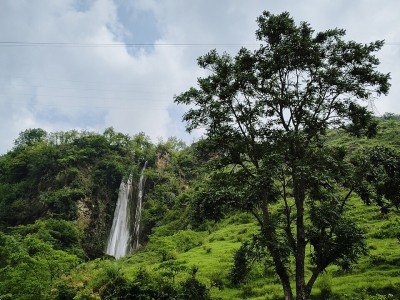
Bhurmuni Waterfall
Some quick example text to build on the card title and make up the bulk of the card's content.
Go somewhere
Chandak Hill
Some quick example text to build on the card title and make up the bulk of the card's content.
Go somewhere
Chaukori
Some quick example text to build on the card title and make up the bulk of the card's content.
Go somewhere
Dhwaj Temple
Some quick example text to build on the card title and make up the bulk of the card's content.
Go somewhere
Didihat
Some quick example text to build on the card title and make up the bulk of the card's content.
Go somewhere
Gangolihat
Some quick example text to build on the card title and make up the bulk of the card's content.
Go somewhere
Jauljibi
Some quick example text to build on the card title and make up the bulk of the card's content.
Go somewhere
Jhulaghat
Some quick example text to build on the card title and make up the bulk of the card's content.
Go somewhere
Kapileshwar Mahadev Cave
Some quick example text to build on the card title and make up the bulk of the card's content.
Go somewhere
Nakuleshwara Temple
Some quick example text to build on the card title and make up the bulk of the card's content.
Go somewhere
Narayan Ashram
Some quick example text to build on the card title and make up the bulk of the card's content.
Go somewhere
Om Parvat
Some quick example text to build on the card title and make up the bulk of the card's content.
Go somewhere
Patal Bhuvaneshwar
Some quick example text to build on the card title and make up the bulk of the card's content.
Go somewherein Other Cities