Thal Kedar Temple
General information
-
Ideal Duration:
3-5 Hours (including trek)Place Type:
Religious, Trekking, Scenic ViewpointEntry Fees:
No Fixed Entry Fee: As an ancient place of worship, there is no ticket fee for entry to the Thal Kedar Temple.
Voluntary Donations: Visitors are expected to give a voluntary donation to the temple's trust for its maintenance and daily ritual...No Fixed Entry Fee: As an ancient place of worship, there is no ticket fee for entry to the Thal Kedar Temple.
Voluntary Donations: Visitors are expected to give a voluntary donation to the temple's trust for its maintenance and daily rituals.
Guide Fees: A local guide is recommended for the trek, especially for first-time visitors or during the winter, and their services will require a negotiated fee.
Accommodation Fee: Staying at the simple dharamshala may require a nominal fee or a donation:Timing:
Regular Timings: The temple is generally accessible from 7:00 AM to 6:00 PM daily. The full trek should only be attempted during bright daylight hours.
Ideal Visit Time: Early morning (6:00 AM onwards) is the best time to start the trek to ...Regular Timings: The temple is generally accessible from 7:00 AM to 6:00 PM daily. The full trek should only be attempted during bright daylight hours.
Ideal Visit Time: Early morning (6:00 AM onwards) is the best time to start the trek to reach the temple before the midday sun and ensure a return before dark. Clear weather days are ideal for views.
Festival Timings: During Shivaratri, the temple remains open overnight for special pujas and the mela:Special Events:
Maha Shivaratri Mela: The most important event is the massive fair (mela) held during Maha Shivaratri (February or March). This festival is the central annual pilgrimage, involving special overnight pujas, music, and a large local gathering that transforms the quiet hilltop...Maha Shivaratri Mela: The most important event is the massive fair (mela) held during Maha Shivaratri (February or March). This festival is the central annual pilgrimage, involving special overnight pujas, music, and a large local gathering that transforms the quiet hilltop into a vibrant center of devotion.
Sawan Month Gatherings: During the holy month of Sawan (July to August), dedicated to Lord Shiva, the temple sees an increased influx of pilgrims who travel together in groups (Kaanwarias) to offer holy water:Best Photo Spots:
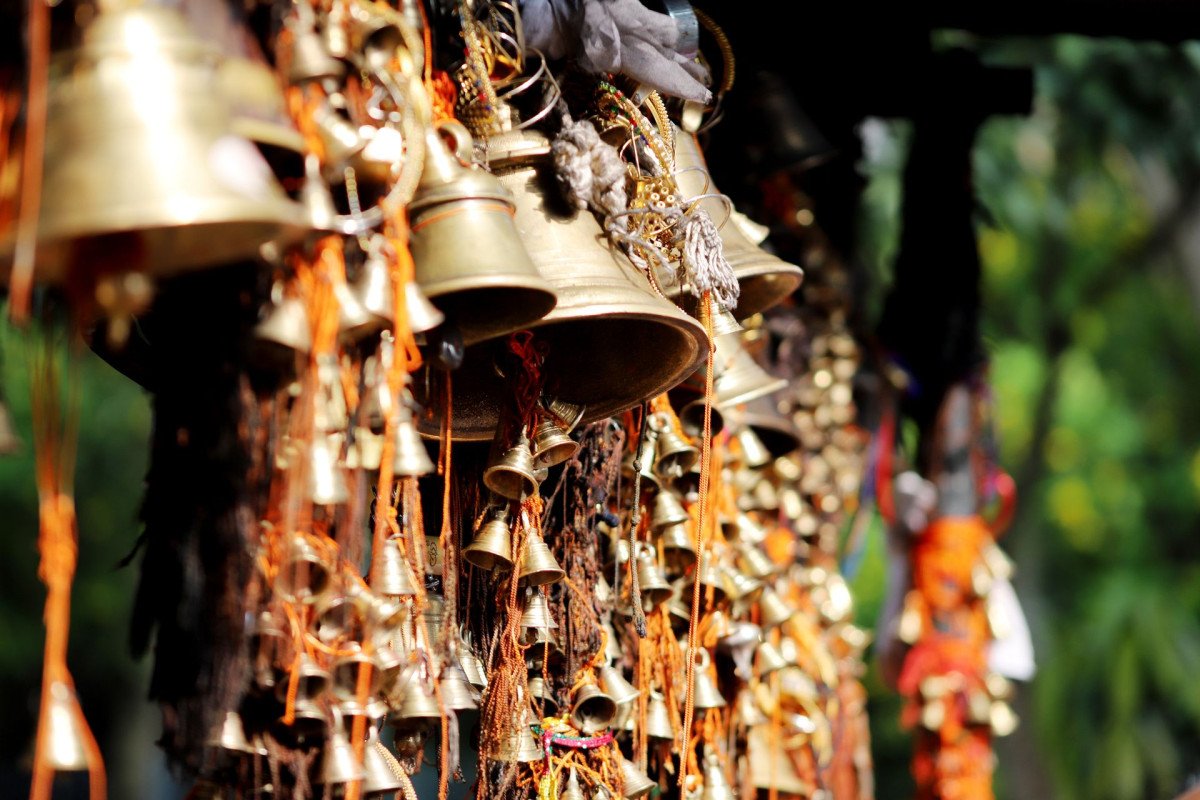
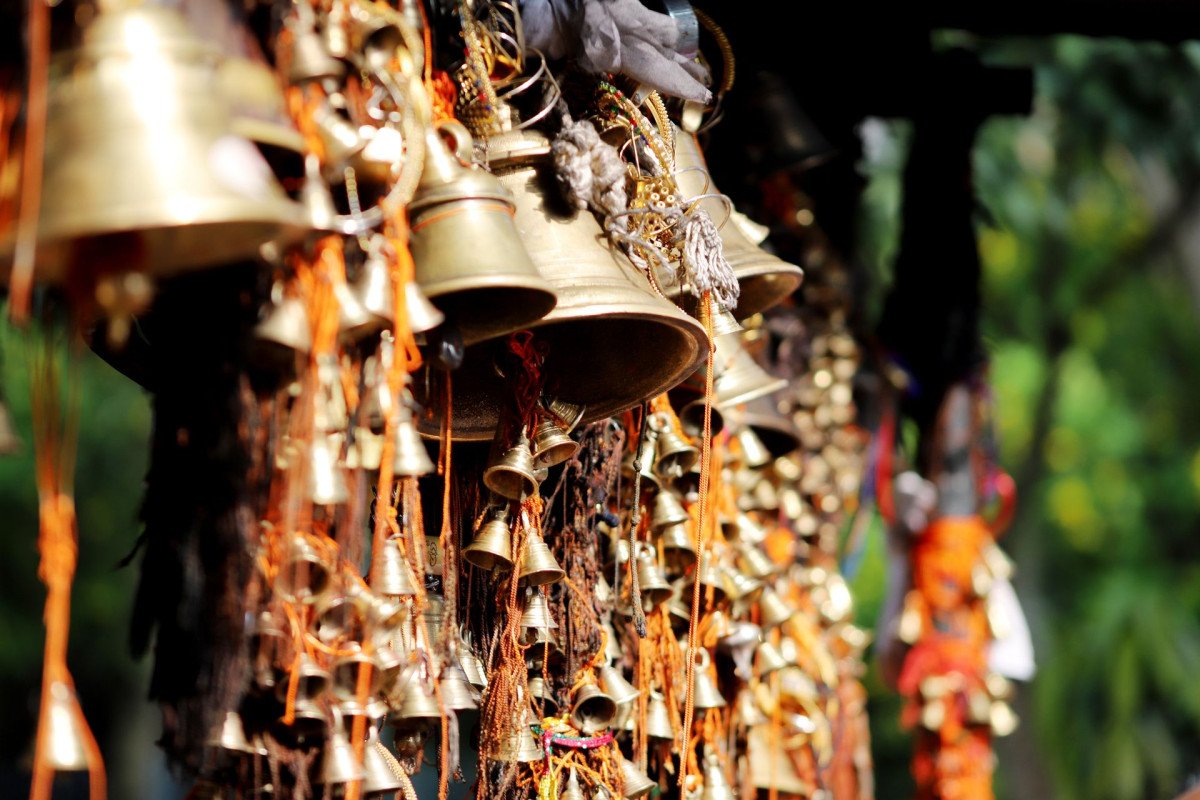
The Temple and Bell Frame: A shot of the ancient temple structure framed by the numerous bells that devotees tie to the premises is a strong cultural photo.
The Forest Tunnel Path: Photographing the straight stretch of the trekking path wher...The Temple and Bell Frame: A shot of the ancient temple structure framed by the numerous bells that devotees tie to the premises is a strong cultural photo.
The Forest Tunnel Path: Photographing the straight stretch of the trekking path where the dense Deodar and Pine trees form a natural, dark canopy.
The High-Altitude Panorama: The highest spot near the temple complex offers an incredible, 360-degree panoramic view of the hills and distant snowy peaks, ideal for a wide-angle landscape shot:Photo Gallery
Things To Do
-
Pilgrimage and Rituals: Offer water and bel leaves to the Shiva Lingam in the sanctum, and participate in the morning aarti for a profound spiritual experience.
Trekking: Undertake the moderate 6-8 KM trek (one way) from the road-head, enjoying the dense forest cover and the scenic views along the way. Ensure proper trekking gear.
Himalayan Viewing: From the temple courtyard, identify and photograph the clear views of the distant, high peaks like Chhirkila and the surrounding Kumaon range.
Meditation and Quiet Contemplation: Utilize the temple's incredibly serene and isolated hilltop location for meditation or quiet spiritual reflection.
Photography: Focus on the simple, ancient architecture of the temple and the spectacular, wi...Pilgrimage and Rituals: Offer water and bel leaves to the Shiva Lingam in the sanctum, and participate in the morning aarti for a profound spiritual experience.
Trekking: Undertake the moderate 6-8 KM trek (one way) from the road-head, enjoying the dense forest cover and the scenic views along the way. Ensure proper trekking gear.
Himalayan Viewing: From the temple courtyard, identify and photograph the clear views of the distant, high peaks like Chhirkila and the surrounding Kumaon range.
Meditation and Quiet Contemplation: Utilize the temple's incredibly serene and isolated hilltop location for meditation or quiet spiritual reflection.
Photography: Focus on the simple, ancient architecture of the temple and the spectacular, wide-angle forest and mountain views, especially the sun filtering through the Deodar trees.
Picnicking/Rest: Use the grounds outside the temple for a much-needed rest and a small, respectful picnic after the arduous trek:
Information
-
Why Famous:
Shaivite Pilgrimage Center: It is one of the most prominent and ancient Shaivite temples in the Kumaon region, attracting pilgrims who consider it a key stop on their spiritual journey.
Shivaratri Festival: The temple is extremely famous for...Shaivite Pilgrimage Center: It is one of the most prominent and ancient Shaivite temples in the Kumaon region, attracting pilgrims who consider it a key stop on their spiritual journey.
Shivaratri Festival: The temple is extremely famous for the grand Maha Shivaratri fair (mela) held annually, which draws thousands of devotees and is a huge local religious and cultural event.
Trekking and Scenery: The location is renowned for the rewarding moderate-level trek through the beautiful, dense mountain forests, making the journey an enjoyable experience for nature and adventure lovers.
Historical Depth: Its association with the powerful Katyuri dynasty provides it with deep historical roots, differentiating it from more recent temples: -
Architecture:
Temple Architecture: The temple exhibits a simple, traditional Kumaoni architectural style, constructed mainly from large, dressed stones. The design is modest but highly functional for the mountain climate. It features a simple sanctum (garbhagriha) and a small open area ...Temple Architecture: The temple exhibits a simple, traditional Kumaoni architectural style, constructed mainly from large, dressed stones. The design is modest but highly functional for the mountain climate. It features a simple sanctum (garbhagriha) and a small open area for worship.
Dimension and Scale: The temple structure is small, estimated to be around 10 x 10 meters. The main feature is the Shiva Lingam within the sanctum. The complex includes the main shrine and a small dharamshala (rest house) for visiting pilgrims.
Surrounding Path: The path leading to the temple is a clear, well-worn pilgrimage route, often featuring rough-cut stone steps and forested trails (estimated total trekking distance of 6-8 KMS one way from the base road).
Age and Material: The ancient construction, possibly dating back to the Katyuri era, utilizes locally available, durable stone, giving the temple a timeless, weathered look: -
How To Reach:
By Air: Nearest is Pantnagar Airport (PGH) (approx. 225 KMS). From the airport, hire a taxi or bus to Pithoragarh.
By Train: Nearest major station is Tanakpur Railway Station (TPU) (approx. 163 KMS). From Tanakpur, take a shared taxi or ...By Air: Nearest is Pantnagar Airport (PGH) (approx. 225 KMS). From the airport, hire a taxi or bus to Pithoragarh.
By Train: Nearest major station is Tanakpur Railway Station (TPU) (approx. 163 KMS). From Tanakpur, take a shared taxi or bus to Pithoragarh.
By Road: Pithoragarh is well-connected. From the city, hire a local taxi or shared jeep for the 15 KMS drive to the base point road-head of Thal Kedar Hill.
By Local Transport: A local cab or a hired vehicle is essential for reaching the road-head. From there, the 6-8 KM moderate trek to the temple is mandatory, and no motor vehicle can reach the top: -
Weather and Best Time to Visit:
Different Types of Seasons: March to June (Spring/Summer) and September to November (Post-Monsoon) are the most comfortable times for the trek and offer the clearest mountain views. The monsoon (July to August) is very challenging due to the slippery and leech-prone trek pa...Different Types of Seasons: March to June (Spring/Summer) and September to November (Post-Monsoon) are the most comfortable times for the trek and offer the clearest mountain views. The monsoon (July to August) is very challenging due to the slippery and leech-prone trek path. Winter (December to February) is extremely cold, but a snow-covered trek to the temple is a unique experience (only for experienced trekkers).
Different Parts of the Day: Morning is the best time to start the trek. Mid-day should be spent at the temple, and the return trek should begin by 3:
00 PM at the latest: -
Near Tourist Places:
1. Nakuleshwara Temple (approx. 15 KMS), 2. Pithoragarh Fort (approx. 15 KMS), 3. Kapileshwar Mahadev Cave (approx. 18 KMS), 4. Chandak Hill (approx. 23 KMS), 5. Dhwaj Temple (approx. 20 KMS), 6. Sor Valley (Viewpoint overlook), 7. Simalgair Market (approx. 16 KMS), 8. War Memorial (approx. 17 KMS), 9. Bhurmuni Waterfall (approx. 32 KMS), 10. Mostamanu Temple (approx.
20 KMS):
Tourism Tips
-
Health & Safety: The trek is moderate; carry sufficient water and energy food. Wear sturdy, waterproof trekking boots as the path is uneven. Trek in groups and inform your hotel/homestay of your plans. If you are prone to altitude sickness, take precautions.Health & Safety: The trek is moderate; carry sufficient water and energy food. Wear sturdy, waterproof trekking boots as the path is uneven. Trek in groups and inform your hotel/homestay of your plans. If you are prone to altitude sickness, take precautions.
Packing: Bring an adequate supply of water, snacks, a basic first-aid kit, a warm jacket (it gets windy at the top), and sun protection. Walking sticks are recommended for the trek.
Accommodation: Lodging must be secured in Pithoragarh town. The temple has a very simple dharamshala for pilgrims, offering only basic facilities, which should not be relied upon by general tourists.
Other Topics: Start the trek early. Respect the religious environment and maintain silence on the premises:
Reviews
FAQs
Pithoragarh Itineray And Cost:-
Thal Kedar Temple Tourism:-
Other Places In Pithoragarh :-
Other States In India :-
Information about New and Updated Locations() of Uttarakhand Has Been Added :-
Card subtitle
Note:-
Information provided here in good Faith and for reference only.
Near Places

Adi Kailash
Some quick example text to build on the card title and make up the bulk of the card's content.
Go somewhere
Askot Musk Deer Sanctuary
Some quick example text to build on the card title and make up the bulk of the card's content.
Go somewhere
Berinag
Some quick example text to build on the card title and make up the bulk of the card's content.
Go somewhere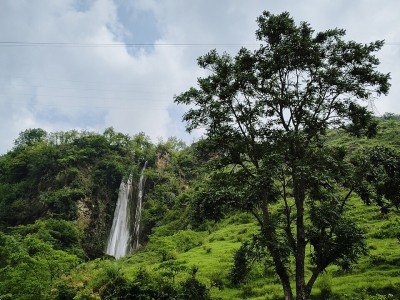
Bhurmuni Waterfall
Some quick example text to build on the card title and make up the bulk of the card's content.
Go somewhere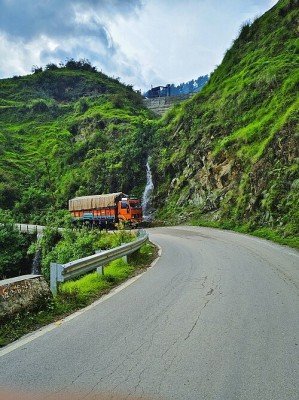
Chandak Hill
Some quick example text to build on the card title and make up the bulk of the card's content.
Go somewhere
Chaukori
Some quick example text to build on the card title and make up the bulk of the card's content.
Go somewhere
Dhwaj Temple
Some quick example text to build on the card title and make up the bulk of the card's content.
Go somewhere
Didihat
Some quick example text to build on the card title and make up the bulk of the card's content.
Go somewhere
Gangolihat
Some quick example text to build on the card title and make up the bulk of the card's content.
Go somewhere
Jauljibi
Some quick example text to build on the card title and make up the bulk of the card's content.
Go somewhere
Jhulaghat
Some quick example text to build on the card title and make up the bulk of the card's content.
Go somewhere
Kapileshwar Mahadev Cave
Some quick example text to build on the card title and make up the bulk of the card's content.
Go somewhere
Nakuleshwara Temple
Some quick example text to build on the card title and make up the bulk of the card's content.
Go somewhere
Narayan Ashram
Some quick example text to build on the card title and make up the bulk of the card's content.
Go somewhere
Om Parvat
Some quick example text to build on the card title and make up the bulk of the card's content.
Go somewhere
Patal Bhuvaneshwar
Some quick example text to build on the card title and make up the bulk of the card's content.
Go somewherein Other Cities