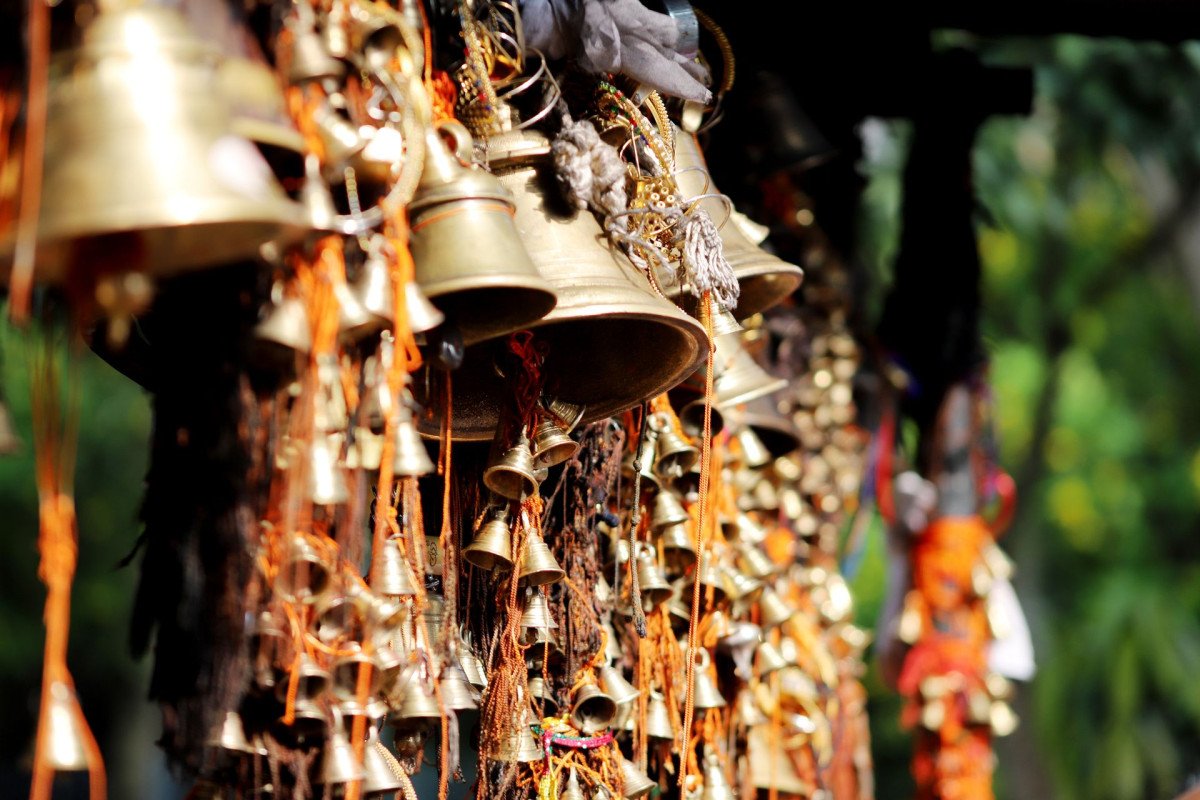
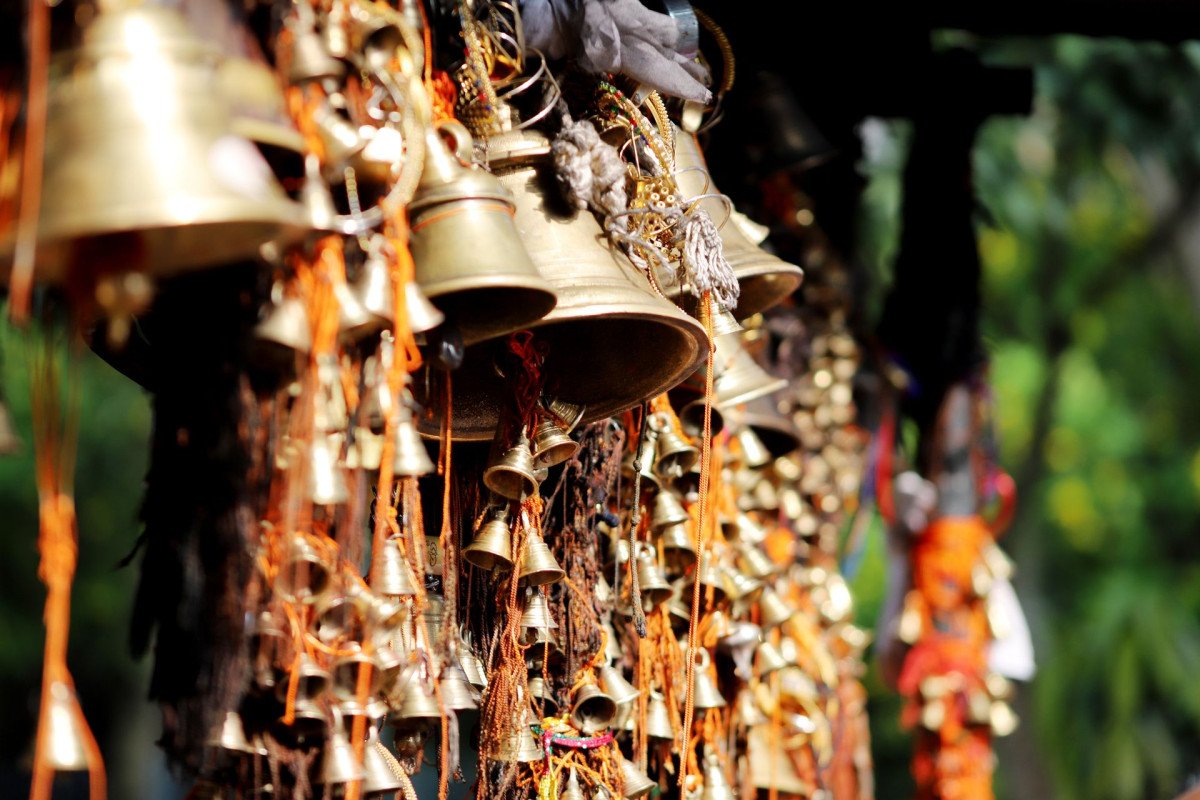
Dhwaj Temple
General information
-
Ideal Duration:
3-4 HoursPlace Type:
Religious, Scenic Viewpoint, TrekkingEntry Fees:
No Fixed Entry Fee: There is no entry fee to the Dhwaj Temple, as it is a place of worship. All donations are voluntary.
Trekking/Mule Charges: If you choose to hire a pony or mule for the uphill journey, especially for older pilgrims or ch...No Fixed Entry Fee: There is no entry fee to the Dhwaj Temple, as it is a place of worship. All donations are voluntary.
Trekking/Mule Charges: If you choose to hire a pony or mule for the uphill journey, especially for older pilgrims or children, charges are applicable and must be negotiated with the local service providers beforehand.
Guide Fees: Hiring a local guide to navigate the trek route and point out specific peaks is optional but recommended, and a nominal fee will apply:Timing:
Regular Timings: The temple is generally open for devotees from 6:00 AM to 7:00 PM daily. The main trek should only be attempted during daylight hours.
Ideal Visit Time: Early morning (7:00 AM - 10:00 AM) is the most preferred time for a co...Regular Timings: The temple is generally open for devotees from 6:00 AM to 7:00 PM daily. The main trek should only be attempted during daylight hours.
Ideal Visit Time: Early morning (7:00 AM - 10:00 AM) is the most preferred time for a cool trek and the best, clearest visibility of the Himalayan peaks before the afternoon haze sets in. Sunset is also spectacular, but plan the descent carefully.
Aarti Time: Morning and evening aarti times vary but are generally around 7:00 AM and 6:00 PM, respectively, offering a deep spiritual experience:Special Events:
Shivaratri Fair: The most important annual event is the large fair (mela) held during Maha Shivaratri (February or March). Thousands of devotees gather to offer prayers, celebrate, and witness the grandeur of the occasion, which is a major cultural and religious spectacle. ...Shivaratri Fair: The most important annual event is the large fair (mela) held during Maha Shivaratri (February or March). Thousands of devotees gather to offer prayers, celebrate, and witness the grandeur of the occasion, which is a major cultural and religious spectacle.
Navaratri Celebrations: Special prayers and community feasts (bhandara) are often organized by the local temple committee during Navaratri (twice a year, in March/April and September/October) in honor of Maa Jayanti:Best Photo Spots:
The Temple Gate Frame: Photographing the vast Himalayan peaks through the archway or framing the temple structure itself provides a wonderful juxtaposition of the human and natural elements.
The Trishul and Nanda Devi Vista: Specific points ...The Temple Gate Frame: Photographing the vast Himalayan peaks through the archway or framing the temple structure itself provides a wonderful juxtaposition of the human and natural elements.
The Trishul and Nanda Devi Vista: Specific points on the highest part of the ridge are known to offer the clearest, most spectacular views of the prominent Trishul and Nanda Devi peaks.
The Flag and Sky Shot: A low-angle shot of the prayer flag (Dhwaj) fluttering against the dramatic backdrop of the deep blue mountain sky can be a powerful symbol of the place:Photo Gallery
Things To Do
-
Pilgrimage and Prayer: Offer prayers to Lord Shiva and Maa Jayanti and participate in the morning or evening aarti for a profound spiritual experience.
Himalayan Viewing: Spend time simply gazing at and identifying the magnificent peaks visible from the top, such as Nanda Devi, Trishul, and Panchachuli. Carry a map or ask a local to help identify them.
Trekking: Complete the invigorating 4 KM trek from the road-head (near Totana or Lalku) through the mountain forests, ensuring you carry water and wear comfortable shoes.
Nature Photography: Capture the breathtaking mountain vistas, the simple, devout architecture of the temple, and the surrounding green meadows and forests. The views at sunrise and sunset are particularly compelling.Pilgrimage and Prayer: Offer prayers to Lord Shiva and Maa Jayanti and participate in the morning or evening aarti for a profound spiritual experience.
Himalayan Viewing: Spend time simply gazing at and identifying the magnificent peaks visible from the top, such as Nanda Devi, Trishul, and Panchachuli. Carry a map or ask a local to help identify them.
Trekking: Complete the invigorating 4 KM trek from the road-head (near Totana or Lalku) through the mountain forests, ensuring you carry water and wear comfortable shoes.
Nature Photography: Capture the breathtaking mountain vistas, the simple, devout architecture of the temple, and the surrounding green meadows and forests. The views at sunrise and sunset are particularly compelling.
Picnicking: Carry a light picnic and enjoy it in the peaceful, open meadows near the temple, taking care not to litter the sacred site.
Birdwatching: The altitude and dense forest cover make it an excellent spot for observing various high-altitude avian species:
Information
-
Why Famous:
Spiritual Significance: It is one of the most important pilgrimage sites in the Pithoragarh region, dedicated to Lord Shiva and Maa Jayanti. It holds immense mythological significance, believed to grant the wishes of true devotees.
Panoramic Vi...Spiritual Significance: It is one of the most important pilgrimage sites in the Pithoragarh region, dedicated to Lord Shiva and Maa Jayanti. It holds immense mythological significance, believed to grant the wishes of true devotees.
Panoramic Views: The temple is renowned for offering one of the clearest and most expansive 360-degree panoramic views of the towering, snow-covered Himalayan peaks. The sheer scale of the mountains seen from this altitude is the prime draw.
Trekking Experience: The moderate trek (around 4 KMS on foot from a base point like Lalku or Totana) to reach the peak is a major attraction, passing through dense forests of Rhododendron and Pine, offering an authentic mountain experience.
Serene Location: The temple’s secluded hilltop location provides a deep sense of tranquility and is an ideal place for spiritual contemplation and quiet prayer: -
Architecture:
Temple Style: The temple's architecture is typical of the traditional Kumaoni hill temples, which are generally simple, stone structures built with locally available materials to withstand the harsh mountain weather. The structure features a basic shikhara (spire) and a sma...Temple Style: The temple's architecture is typical of the traditional Kumaoni hill temples, which are generally simple, stone structures built with locally available materials to withstand the harsh mountain weather. The structure features a basic shikhara (spire) and a small sanctum (garbhagriha) housing the idols of Lord Shiva and Maa Jayanti.
Dimension and Scale: The temple complex is modest in size, encompassing the main shrine and a small open courtyard for devotees to perform parikrama (circumambulation) and offer prayers. The overall temple area is approximately 50 square meters.
Hilltop Design: The temple is strategically placed on the highest point of the ridge, which serves as its primary design feature, offering a commanding viewpoint. The approach often involves stone steps (estimated 200-300 steps) and a clearly marked path leading up to the shrine: -
How To Reach:
By Air: Nearest airport is Pantnagar Airport (PGH) (approx. 220 KMS). From the airport, hire a taxi or bus to Pithoragarh.
By Train: Nearest major station is Tanakpur Railway Station (TPU) (approx. 158 KMS). From Tanakpur, take a shared ...By Air: Nearest airport is Pantnagar Airport (PGH) (approx. 220 KMS). From the airport, hire a taxi or bus to Pithoragarh.
By Train: Nearest major station is Tanakpur Railway Station (TPU) (approx. 158 KMS). From Tanakpur, take a shared taxi or bus to Pithoragarh.
By Road: Pithoragarh is well-connected. From the city, drive approximately 10 KMS to the base point near Totana or Lalku. The final 4-5 KM trek is mandatory. Hire a local taxi for the drive.
By Local Transport: Shared jeeps or taxis can be taken from Pithoragarh to the road-head (base point). A dedicated, guided trek is required for the final ascent: -
Weather and Best Time to Visit:
Different Types of Seasons: April to June and September to November are the best times for ideal trekking conditions and maximum mountain visibility. The monsoon (July to August) is challenging due to slippery trails, but the environment is exceptionally green. Winter (Dec...Different Types of Seasons: April to June and September to November are the best times for ideal trekking conditions and maximum mountain visibility. The monsoon (July to August) is challenging due to slippery trails, but the environment is exceptionally green. Winter (December to February) offers snow and a pristine view but requires heavy warm clothing and caution on the icy paths.
Different Parts of the Day: Morning is crucial for clear mountain viewing. Mid-day is generally avoided for trekking due to the sun, and late afternoon is beautiful for the sunset but necessitates a quick return: -
Near Tourist Places:
1. Pithoragarh Fort (approx. 10 KMS), 2. Chandak Hill (approx. 18 KMS), 3. Kapileshwar Mahadev Cave (approx. 13 KMS), 4. Thal Kedar Temple (approx. 20 KMS), 5. Nakuleshwara Temple (approx. 16 KMS), 6. War Memorial (approx. 12 KMS), 7. Askot Musk Deer Sanctuary (approx. 40 KMS), 8. Sor Valley (Viewpoint overlook), 9. Maa Vardani View Point (approx. 15 KMS), 10.
Lalku Village (Base point):
Tourism Tips
-
Health & Safety: The trek is moderate but requires proper physical fitness. Carry enough water and energy bars. Start the trek early to avoid the midday sun and ensure you are back before dark. Wear layers of warm clothing.
Packing: Sturd...Health & Safety: The trek is moderate but requires proper physical fitness. Carry enough water and energy bars. Start the trek early to avoid the midday sun and ensure you are back before dark. Wear layers of warm clothing.
Packing: Sturdy trekking shoes are non-negotiable. Carry sun protection and a personal ID. Binoculars are highly recommended for the incredible views.
Accommodation: All accommodations should be secured in Pithoragarh town, as there are no hotels or guesthouses on the hilltop.
Other Topics: Check if the base road is motorable, especially during the monsoon. Hire a local guide if you are unsure of the trekking route:
Reviews
FAQs
Pithoragarh Itineray And Cost:-
Other Places In Pithoragarh :-
Other States In India :-
Information about New and Updated Locations() of Uttarakhand Has Been Added :-
Card subtitle
Note:-
Information provided here in good Faith and for reference only.
Near Places

Adi Kailash
Some quick example text to build on the card title and make up the bulk of the card's content.
Go somewhere
Askot Musk Deer Sanctuary
Some quick example text to build on the card title and make up the bulk of the card's content.
Go somewhere
Berinag
Some quick example text to build on the card title and make up the bulk of the card's content.
Go somewhere
Bhurmuni Waterfall
Some quick example text to build on the card title and make up the bulk of the card's content.
Go somewhere
Chandak Hill
Some quick example text to build on the card title and make up the bulk of the card's content.
Go somewhere
Chaukori
Some quick example text to build on the card title and make up the bulk of the card's content.
Go somewhere
Dhwaj Temple
Some quick example text to build on the card title and make up the bulk of the card's content.
Go somewhere
Didihat
Some quick example text to build on the card title and make up the bulk of the card's content.
Go somewhere
Gangolihat
Some quick example text to build on the card title and make up the bulk of the card's content.
Go somewhere
Jauljibi
Some quick example text to build on the card title and make up the bulk of the card's content.
Go somewhere
Jhulaghat
Some quick example text to build on the card title and make up the bulk of the card's content.
Go somewhere
Kapileshwar Mahadev Cave
Some quick example text to build on the card title and make up the bulk of the card's content.
Go somewhere
Nakuleshwara Temple
Some quick example text to build on the card title and make up the bulk of the card's content.
Go somewhere
Narayan Ashram
Some quick example text to build on the card title and make up the bulk of the card's content.
Go somewhere
Om Parvat
Some quick example text to build on the card title and make up the bulk of the card's content.
Go somewhere
Patal Bhuvaneshwar
Some quick example text to build on the card title and make up the bulk of the card's content.
Go somewherein Other Cities