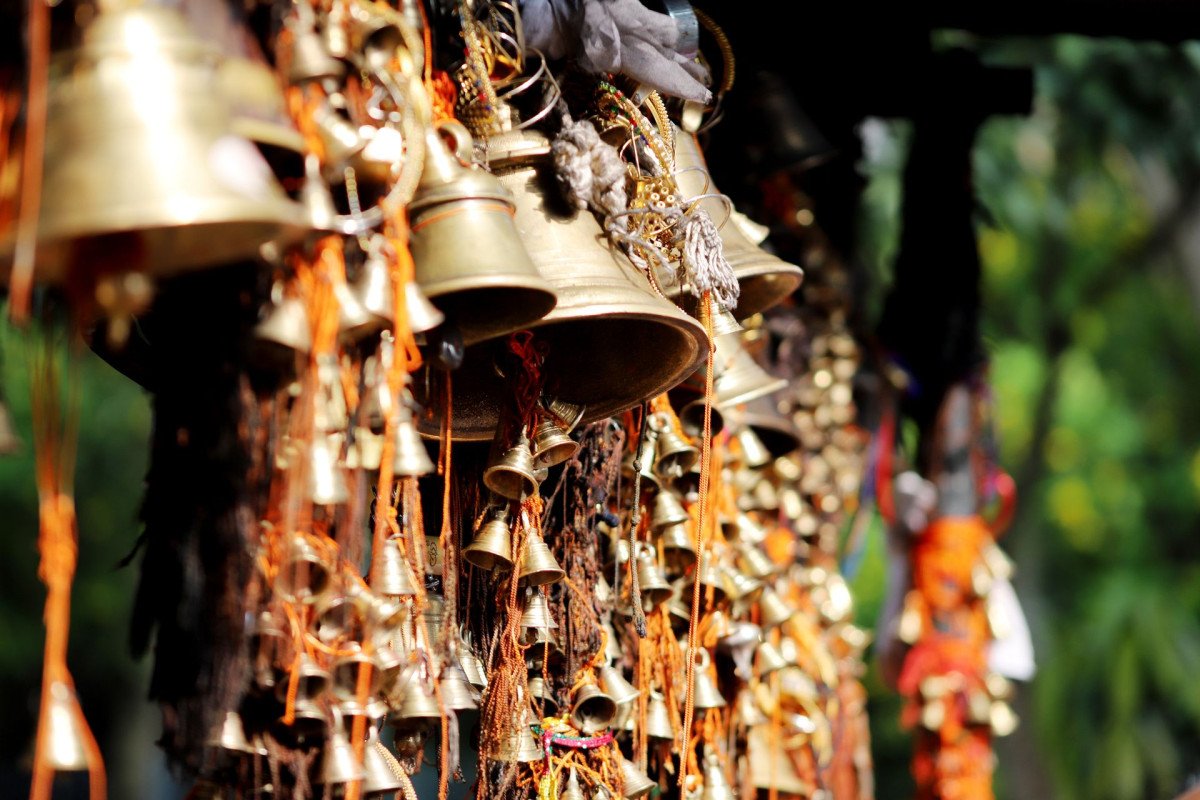
Nakuleshwara Temple
General information
-
Ideal Duration:
1-2 HoursPlace Type:
Religious, Historical, ArchitecturalEntry Fees:
No Fixed Entry Fee: As a functioning Hindu temple, there is no official entry fee.
Voluntary Donations: Devotees are encouraged to give a voluntary donation for the maintenance and daily rituals of the ancient temple.
Read MoreNo Fixed Entry Fee: As a functioning Hindu temple, there is no official entry fee.
Voluntary Donations: Devotees are encouraged to give a voluntary donation for the maintenance and daily rituals of the ancient temple.
Guide Fees: A local history or architecture enthusiast guide is highly recommended to fully appreciate the carvings, and their services would require a fee (negotiate in advance).
Camera Fee: There is generally no specific fee for photography, but always ask the priest before taking photos inside the main sanctum:Timing:
Regular Timings: The temple is generally open from 7:00 AM to 6:00 PM daily. It is not advisable to visit after sunset due to its secluded location.
Ideal Visit Time: The Ideal Visit Time is early morning (8:00 AM - 11:00 AM) for a quiet, s...Regular Timings: The temple is generally open from 7:00 AM to 6:00 PM daily. It is not advisable to visit after sunset due to its secluded location.
Ideal Visit Time: The Ideal Visit Time is early morning (8:00 AM - 11:00 AM) for a quiet, spiritual experience and the best light to examine the detailed carvings. The late afternoon is also peaceful but the sun angle might be challenging for photos.
Puja Times: Regular puja and aarti are performed in the morning and evening, generally around 8:00 AM and 5:
30 PM:Special Events:
Shivaratri Festivities: The main festival is Maha Shivaratri (February or March), during which the temple is decorated, special pujas are held, and the local community gathers for a small fair and spiritual observance.
Local Temple Anniversaries...Shivaratri Festivities: The main festival is Maha Shivaratri (February or March), during which the temple is decorated, special pujas are held, and the local community gathers for a small fair and spiritual observance.
Local Temple Anniversaries: Smaller, local annual events are celebrated based on the temple's specific calendar, often involving community meals (bhandara) and religious music (bhajans):Best Photo Spots:
The Khajuraho-Style Carvings: Close-up shots of the most intricate and well-preserved stone carvings, especially the figures of deities and celestial beings on the exterior walls, are essential.
The Temple Spire (Shikhara): A shot of the ent...The Khajuraho-Style Carvings: Close-up shots of the most intricate and well-preserved stone carvings, especially the figures of deities and celestial beings on the exterior walls, are essential.
The Temple Spire (Shikhara): A shot of the entire temple, highlighting the unique style of its spire and the complex carving work on the main structure.
The Sunlit Pillars: Capturing the morning sun illuminating the stone pillars and courtyard, emphasizing the ancient, weathered texture of the building:Photo Gallery
Things To Do
-
Architectural Study and Photography: Dedicate time to closely examine and photograph the intricate stone carvings on the temple walls, capturing the mythological figures and detailed artistic work. Bring a macro lens for close-up shots.
Worship: Offer prayers to the main deity, Lord Shiva, and light incense or candles in the sanctum for a peaceful, spiritual experience.
Historical Contemplation: Ponder the historical and mythological significance of the site, imagining the Pandava brothers building the shrine during their exile.
Picnicking and Rest: The surrounding area is relatively quiet and green, suitable for a peaceful rest or a small, humble picnic (ensure you leave no litter behind).
Engaging with Priests: Ask the residen...Architectural Study and Photography: Dedicate time to closely examine and photograph the intricate stone carvings on the temple walls, capturing the mythological figures and detailed artistic work. Bring a macro lens for close-up shots.
Worship: Offer prayers to the main deity, Lord Shiva, and light incense or candles in the sanctum for a peaceful, spiritual experience.
Historical Contemplation: Ponder the historical and mythological significance of the site, imagining the Pandava brothers building the shrine during their exile.
Picnicking and Rest: The surrounding area is relatively quiet and green, suitable for a peaceful rest or a small, humble picnic (ensure you leave no litter behind).
Engaging with Priests: Ask the resident priest for more details about the local legends, the Pandava connection, and the interpretation of the various carvings.
Exploring the Complex: Walk around the entire temple complex to find the smaller shrines and the different sculptural panels that may be missed on a casual visit:
Information
-
Why Famous:
Historical Link to Mahabharata: The primary fame of the temple comes from the local legend that it was built by the Pandava brothers, Nakul and Sahdev, giving it immense historical and mythological weight.
Intricate Stone Carvings: It is wid...Historical Link to Mahabharata: The primary fame of the temple comes from the local legend that it was built by the Pandava brothers, Nakul and Sahdev, giving it immense historical and mythological weight.
Intricate Stone Carvings: It is widely renowned as the Khajuraho of Kumaon due to its rich, intricate, and detailed stone carvings, which are considered to be some of the finest examples of ancient stone art in the region.
Devotion to Lord Shiva: As a shrine dedicated to Lord Shiva, it is an important pilgrimage spot, attracting a continuous flow of devotees, especially during festival seasons.
Architectural Study: The temple is a significant site for students of Indian temple architecture and archaeology due to its unique carving style and ancient provenance: -
Architecture:
Architectural Style: The temple follows a variation of the ancient North Indian Temple Architecture (Nagara style), often linked to the style of the Khajuraho temples, albeit on a smaller, regional scale. It is built predominantly of locally sourced, expertly carved stone. ...Architectural Style: The temple follows a variation of the ancient North Indian Temple Architecture (Nagara style), often linked to the style of the Khajuraho temples, albeit on a smaller, regional scale. It is built predominantly of locally sourced, expertly carved stone.
Carving Details: The 'architecture' is defined by its extensive and intricate stone carvings on the exterior walls. These carvings depict a wide array of Hindu gods and goddesses, celestial beings, mythological creatures, and scenes from ancient texts. The carving style is known for its fine detail and devotional themes.
Dimension and Scale: The complex is composed of a main shrine and several smaller, surrounding structures. The main temple is a modest single-story structure with a square plan, but the walls are dense with artistic detail. The main temple base is estimated to be around 15 x 15 meters.
Materials: The structure uses locally quarried grey and brownish stone, meticulously shaped and joined without mortar in the traditional manner: -
How To Reach:
By Air: Nearest is Pantnagar Airport (PGH) (approx. 222 KMS). From the airport, hire a taxi or bus to Pithoragarh.
By Train: Nearest major station is Tanakpur Railway Station (TPU) (approx. 160 KMS). From Tanakpur, take a shared taxi or ...By Air: Nearest is Pantnagar Airport (PGH) (approx. 222 KMS). From the airport, hire a taxi or bus to Pithoragarh.
By Train: Nearest major station is Tanakpur Railway Station (TPU) (approx. 160 KMS). From Tanakpur, take a shared taxi or bus to Pithoragarh.
By Road: Pithoragarh is well-connected. From the city, the temple (10 KMS) is a short drive. Hire a local taxi or shared jeep.
By Local Transport: Local shared jeeps or 'Vikrams' ply the route towards the Athgaon Shilling area, which is the most common and economical way to reach the temple.
It is a very short walk from the drop-off point: -
Weather and Best Time to Visit:
Different Types of Seasons: March to June (Summer/Spring) and September to November (Post-Monsoon) are the most comfortable seasons for a visit, with clear, pleasant weather. The monsoon (July to August) is challenging due to heavy rains and road conditions. Winter (Decemb...Different Types of Seasons: March to June (Summer/Spring) and September to November (Post-Monsoon) are the most comfortable seasons for a visit, with clear, pleasant weather. The monsoon (July to August) is challenging due to heavy rains and road conditions. Winter (December to February) is very cold but peaceful.
Different Parts of the Day: Morning offers the best light for photography of the carvings and a quieter atmosphere for worship: -
Near Tourist Places:
1. Kapileshwar Mahadev Cave (approx. 7 KMS), 2. Pithoragarh Fort (approx. 10 KMS), 3. Chandak Hill (approx. 18 KMS), 4. Dhwaj Temple (approx. 16 KMS), 5. Thal Kedar Temple (approx. 15 KMS), 6. Sor Valley (Viewpoint overlook), 7. Simalgair Market (approx. 11 KMS), 8. War Memorial (approx. 12 KMS), 9. Bhurmuni Waterfall (approx. 25 KMS), 10. Naya Bazar (approx.
10 KMS):
Tourism Tips
-
Health & Safety: The roads leading to the temple are winding; ensure the hired driver is experienced in hill driving. Be respectful inside the temple premises; maintain silence.
Packing: Carry a camera with a good zoom or macro lens to ca...Health & Safety: The roads leading to the temple are winding; ensure the hired driver is experienced in hill driving. Be respectful inside the temple premises; maintain silence.
Packing: Carry a camera with a good zoom or macro lens to capture the details of the carvings. Wear comfortable, easily removable footwear for entry into the shrine.
Accommodation: Secure accommodation in Pithoragarh town, as local lodging near the temple is very basic or non-existent.
Other Topics: Always seek permission before photographing the temple priest or any devotees performing rituals. Be mindful of the ancient structure and do not touch or disturb the delicate carvings:
Reviews
FAQs
Pithoragarh Itineray And Cost:-
Nakuleshwara Temple Tourism:-
Other Places In Pithoragarh :-
Other States In India :-
Information about New and Updated Locations() of Uttarakhand Has Been Added :-
Card subtitle
Note:-
Information provided here in good Faith and for reference only.
Near Places

Adi Kailash
Some quick example text to build on the card title and make up the bulk of the card's content.
Go somewhere
Askot Musk Deer Sanctuary
Some quick example text to build on the card title and make up the bulk of the card's content.
Go somewhere
Berinag
Some quick example text to build on the card title and make up the bulk of the card's content.
Go somewhere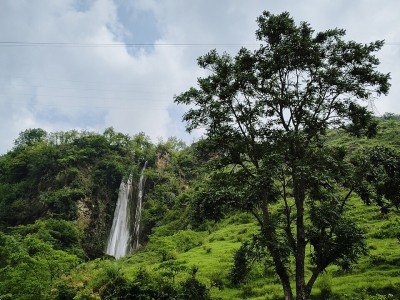
Bhurmuni Waterfall
Some quick example text to build on the card title and make up the bulk of the card's content.
Go somewhere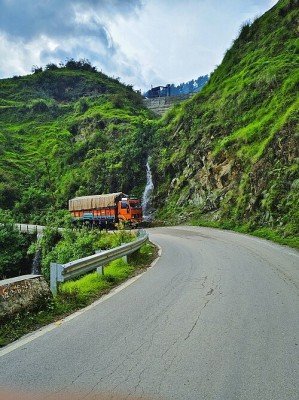
Chandak Hill
Some quick example text to build on the card title and make up the bulk of the card's content.
Go somewhere
Chaukori
Some quick example text to build on the card title and make up the bulk of the card's content.
Go somewhere
Dhwaj Temple
Some quick example text to build on the card title and make up the bulk of the card's content.
Go somewhere
Didihat
Some quick example text to build on the card title and make up the bulk of the card's content.
Go somewhere
Gangolihat
Some quick example text to build on the card title and make up the bulk of the card's content.
Go somewhere
Jauljibi
Some quick example text to build on the card title and make up the bulk of the card's content.
Go somewhere
Jhulaghat
Some quick example text to build on the card title and make up the bulk of the card's content.
Go somewhere
Kapileshwar Mahadev Cave
Some quick example text to build on the card title and make up the bulk of the card's content.
Go somewhere
Nakuleshwara Temple
Some quick example text to build on the card title and make up the bulk of the card's content.
Go somewhere
Narayan Ashram
Some quick example text to build on the card title and make up the bulk of the card's content.
Go somewhere
Om Parvat
Some quick example text to build on the card title and make up the bulk of the card's content.
Go somewhere
Patal Bhuvaneshwar
Some quick example text to build on the card title and make up the bulk of the card's content.
Go somewherein Other Cities