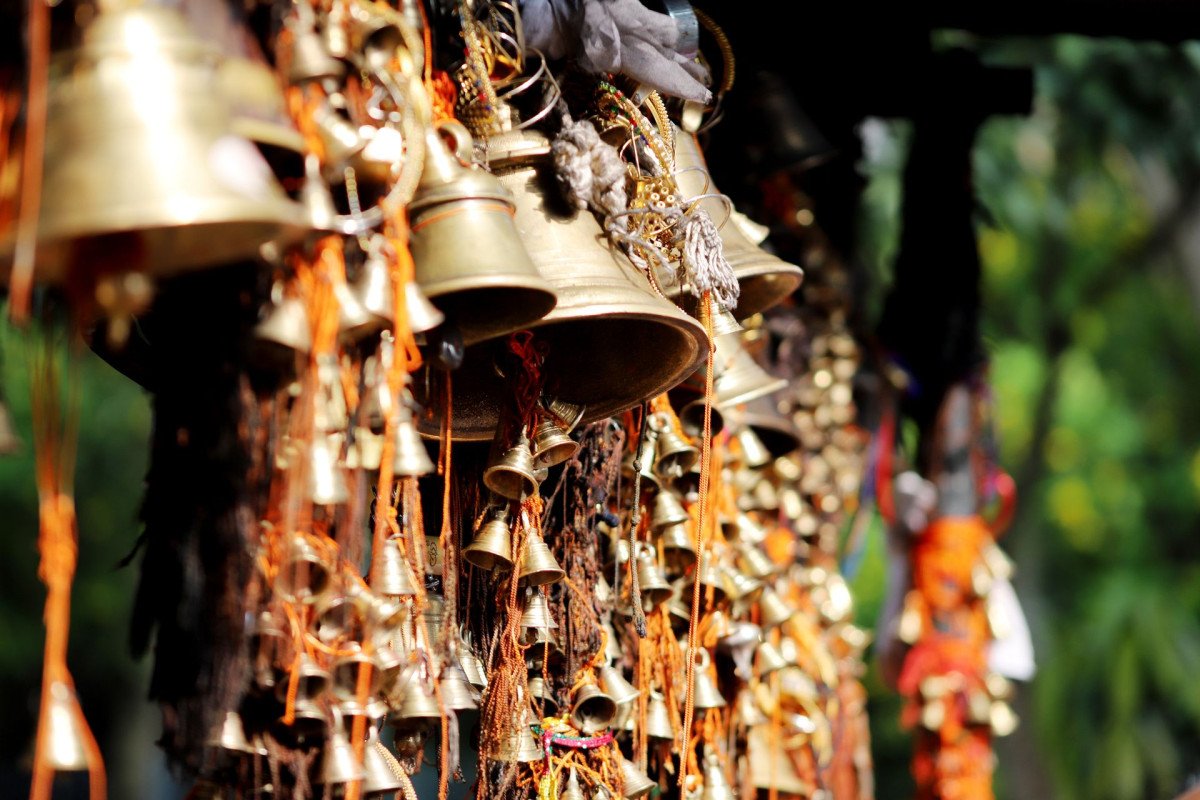
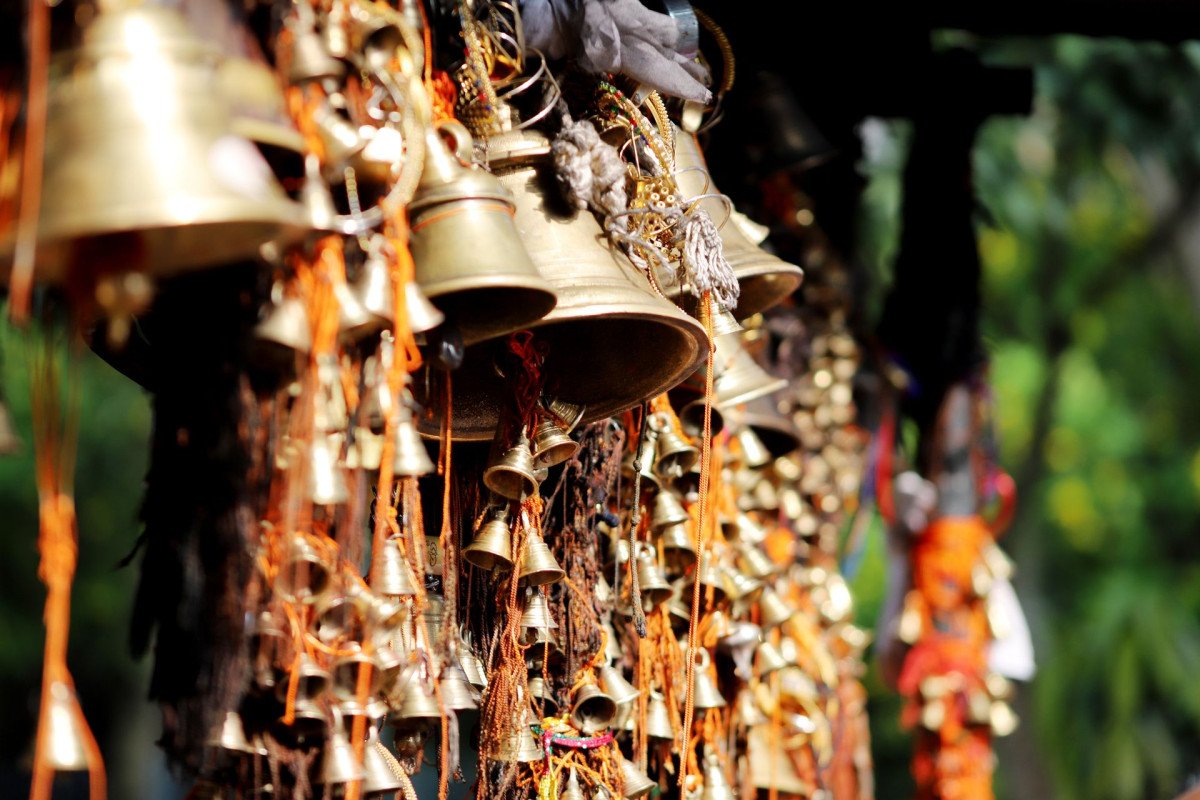
Kyunkaleshwar Mahadev Temple
General information
-
Ideal Duration:
1 to 2 Hours:Place Type:
Pilgrimage/History:Entry Fees:
Free Entry:There is No Entry Fee to visit the Kyunkaleshwar Mahadev Temple. It is a public place of worship, open to all devotees and tourists for free.
Donation Policy:Donations are voluntary and are used for the temple's maintenance, daily...Free Entry:There is No Entry Fee to visit the Kyunkaleshwar Mahadev Temple. It is a public place of worship, open to all devotees and tourists for free.
Donation Policy:Donations are voluntary and are used for the temple's maintenance, daily Puja expenses, and community services. There is no compulsion to donate, ensuring accessibility for all visitors.
Photography/Parking Fees:There are generally no separate charges for photography or parking near the temple, though parking space might be limited, encouraging walking or local transport. The principle is free access to the sacred space for all, with contributions being purely optional to support the shrine's upkeep for over :Timing:
Regular Timings:The temple is generally open from 6:00 AM to 7:00 PM daily, with flexibility during major festivals like Maha Shivaratri.
Ideal Visit Time:The Morning Hours (6:00 AM - 9:00 AM) are ideal for witnessing the morning Aarti and ex...Regular Timings:The temple is generally open from 6:00 AM to 7:00 PM daily, with flexibility during major festivals like Maha Shivaratri.
Ideal Visit Time:The Morning Hours (6:00 AM - 9:00 AM) are ideal for witnessing the morning Aarti and experiencing the calmest, most spiritual atmosphere before the crowds arrive.
Photography Time:The period around Sunrise and Sunset offers the best light for photography of the Himalayan ranges visible from the site. The months of September to November and March to May are best for clear views, offering a peaceful experience away from harsh midday sun for over :Special Events:
Maha Shivaratri Celebration:This is the most significant annual event, celebrated with great fervor in February or March. The temple is adorned with lights and flowers, and devotees queue up all night to offer prayers, milk, and water to the Shiva Lingam. Special Pujas and...Maha Shivaratri Celebration:This is the most significant annual event, celebrated with great fervor in February or March. The temple is adorned with lights and flowers, and devotees queue up all night to offer prayers, milk, and water to the Shiva Lingam. Special Pujas and Bhajans are held throughout the day and night.
Sawan Month Observances:During the holy month of Sawan (July-August), the temple sees a massive influx of Kanwariyas and devotees. Special Rudrabhishek and other rituals dedicated to Lord Shiva are performed daily, highlighting the monsoon season's spiritual importance.
Navratri Festival:The temple also celebrates the Navratri festival (September or October) with special prayers dedicated to Goddess Parvati, whose idol is also enshrined here, ensuring a vibrant calendar of spiritual activities for over :Best Photo Spots:
Himalayan Viewpoint:The open area just outside the main temple provides an unparalleled, wide-angle shot of the snow-capped Chaukhamba massif and other major peaks, especially beautiful at dawn.
Temple Facade and Deodar Backdrop:Capturing the...Himalayan Viewpoint:The open area just outside the main temple provides an unparalleled, wide-angle shot of the snow-capped Chaukhamba massif and other major peaks, especially beautiful at dawn.
Temple Facade and Deodar Backdrop:Capturing the intricate stonework of the temple's main entrance set against the backdrop of towering, ancient Deodar and Pine trees, emphasizing the solitude and historical setting.
Sunlight Through the Forest:Taking candid shots of the shafts of sunlight piercing the dense forest canopy on the path leading up to the temple, creating a mystical and serene atmosphere.
The Ancient Bell and Nandi Idol:Focusing on the close-up details of the temple bell and the seated Nandi idol, capturing the worn stone and the texture that speaks of centuries of devotion, providing stunning natural and architectural subjects for over :Photo Gallery
Things To Do
-
Spiritual Immersion:Attending the daily morning and evening Aarti (prayers) to experience the powerful spiritual atmosphere and the rhythmic chanting of hymns.
Nature Walk and Trekking:Enjoy a refreshing short trek (about 2 KMS) from the main Pauri town through the dense Pine and Deodar forests to reach the temple, embracing the crisp mountain air.
Photography and Vistas:Capturing the spectacular, uninterrupted views of the Himalayan peaks and the Alaknanda Valley from the temple premises, especially during sunrise or sunset.
Exploring the Pantheon:Taking time to respectfully observe and learn about the idols of Parvati, Ganesha, Kartikeya, and the Ram family within the complex.
Picnicking and Relaxation:The surrounding forested area...Spiritual Immersion:Attending the daily morning and evening Aarti (prayers) to experience the powerful spiritual atmosphere and the rhythmic chanting of hymns.
Nature Walk and Trekking:Enjoy a refreshing short trek (about 2 KMS) from the main Pauri town through the dense Pine and Deodar forests to reach the temple, embracing the crisp mountain air.
Photography and Vistas:Capturing the spectacular, uninterrupted views of the Himalayan peaks and the Alaknanda Valley from the temple premises, especially during sunrise or sunset.
Exploring the Pantheon:Taking time to respectfully observe and learn about the idols of Parvati, Ganesha, Kartikeya, and the Ram family within the complex.
Picnicking and Relaxation:The surrounding forested area offers tranquil spots for quiet contemplation or a spiritual picnic, respecting the sanctity of the location.
Local Interaction:Engaging with the temple priest and local devotees to hear more about the specific regional folklore and the unique rituals associated with Kyunkaleshwar Mahadev.
Bird Watching:The surrounding oak and pine forests are home to various Himalayan bird species, offering an excellent opportunity for birdwatching, making it a place of both reverence and natural exploration for over :
Information
-
Why Famous:
Adi Shankaracharya Connection:Its fame is largely due to its ancient origins in the 8th century, established by the influential Hindu philosopher-saint, Adi Shankaracharya, which lends it immense religious gravity and attracts pilgrims from across India.
Read MoreAdi Shankaracharya Connection:Its fame is largely due to its ancient origins in the 8th century, established by the influential Hindu philosopher-saint, Adi Shankaracharya, which lends it immense religious gravity and attracts pilgrims from across India.
Mythological Importance:The legend of Lord Yamraj performing penance here adds a mystical and unique layer to its spiritual significance. Devotees believe that a visit here brings liberation and divine blessings, especially during the holy month of Sawan.
Himalayan Views:The temple offers soul-stirring panoramic views of the magnificent snow-clad Himalayan ranges, including prominent peaks like Chaukhamba, and the picturesque Alaknanda Valley, making it a double attraction of spirituality and natural beauty, ensuring a rich historical and scenic experience for over :Architecture:
Architectural Style:The temple showcases traditional Garhwali hill temple architecture, bearing a distinct resemblance to the structure of the much larger and more famous Kedarnath Temple. This style typically uses local, dressed stone, featuring a tiered, sloping roof desi...Architectural Style:The temple showcases traditional Garhwali hill temple architecture, bearing a distinct resemblance to the structure of the much larger and more famous Kedarnath Temple. This style typically uses local, dressed stone, featuring a tiered, sloping roof designed to withstand heavy snowfall. The construction is solid and simple yet profound, emphasizing the spiritual function over elaborate ornamentation.
Key Features:The main shrine houses the Shiva Lingam and an ancient drum (Dhol), alongside an idol of Nandi, the sacred bull of Lord Shiva. The temple's exterior features modest but culturally significant carvings, often depicting various scenes and symbols from Hindu mythology. Its elevation allows it to serve as a vantage point. The main structure's dimensions are humble, likely around 15 feet by 15 feet at the base, with a height of approximately 30 feet, conforming to the Nagara-style Garhwali tradition. The materials used, primarily stone and wood, ensure its resilience in the Himalayan climate, offering at least :How To Reach:
By Air:The nearest airport is Jolly Grant Airport (DED) in Dehradun, approximately 128-130 KMS away. From the airport, hire a pre-paid taxi or take a bus to Pauri ( of detail will include the need to pre-book, approximate travel time of 5-6 hours, and the scenic route detai...By Air:The nearest airport is Jolly Grant Airport (DED) in Dehradun, approximately 128-130 KMS away. From the airport, hire a pre-paid taxi or take a bus to Pauri ( of detail will include the need to pre-book, approximate travel time of 5-6 hours, and the scenic route details).
By Train:The nearest major railway station is Kotdwara Railway Station (KTW), about 107 KMS away, or Rishikesh Railway Station (RKSH) at about 115 KMS. From either station, frequent buses (Uttarakhand Roadways) and shared taxis are available directly to Pauri. The journey takes around 3-4 hours from Kotdwara.
By Road:Pauri is well-connected by motorable roads. Regular bus services from Delhi (ISBT Kashmiri Gate), Haridwar, and Rishikesh are available. The temple is just 2 KMS from the Pauri town center, accessible by a short local taxi or an easy uphill walk through the forest.
By Local Transport:From the Pauri Bus Stand, one can hire a local cab, a shared jeep, or take the scenic forest path on foot. The walk is highly recommended for the natural beauty, providing a detailed travel guide covering air, rail, road, and local transport for over :Weather and Best Time to Visit:
Different Seasons:The Summer months (March to June) are ideal, offering pleasant weather (15°C to 25°C) for trekking and sightseeing. The Post-Monsoon season (September to November) is also excellent, with lush greenery and exceptionally clear, sharp views of the Himalaya...Different Seasons:The Summer months (March to June) are ideal, offering pleasant weather (15°C to 25°C) for trekking and sightseeing. The Post-Monsoon season (September to November) is also excellent, with lush greenery and exceptionally clear, sharp views of the Himalayas. The Winter (December to February) is very cold and may see occasional snowfall, making it suitable only for those who enjoy the extreme cold and snow.
Different Parts of the Day:Early Morning is the best time for photography, meditation, and catching the fresh mountain air, while the late afternoon provides soft light and clear sunsets. Avoid midday during the summer for intense sun, making the temple accessible year-round with clear seasonal advice for over :Near Tourist Places:
Kandoliya Devta Temple (2 KMS), Ransi Stadium (2. 5 KMS), Chaukhamba Viewpoint (4 KMS), Nagdev Temple (4. 5 KMS), Khirsu Village (15 KMS), Adwani Picnic Spot (17 KMS), Jwalpa Devi Temple (35 KMS), Tara Kund Lake (40 KMS), Devalgarh (38 KMS), Binsar Mahadev Temple (114 KMS):Tourism Tips
-
Health & Safety:Carry basic first-aid, wear comfortable trekking shoes as the path is uneven, and be mindful of monkeys. The altitude is not extreme, but keep hydrated.
Packing:Pack layers of clothing as mountain weather can change quickly. ...Health & Safety:Carry basic first-aid, wear comfortable trekking shoes as the path is uneven, and be mindful of monkeys. The altitude is not extreme, but keep hydrated.
Packing:Pack layers of clothing as mountain weather can change quickly. Include a light jacket even in summer. Carry water, some snacks, and a camera for the stunning views.
Accommodation:Stay options are primarily in Pauri town, ranging from basic guesthouses to hotels. Booking in advance is recommended, especially during the peak season (May to June). The nearby GMVN Tourist Bungalow is a reliable option.
Other Topics:Respect the sanctity of the temple; dress modestly (covering shoulders and legs); avoid littering in the surrounding forest; carry a local map or use GPS for the forest walk to ensure you stay on the path. Hire a local guide if venturing into deeper forest areas, covering essential advice for safety, packing, accommodation, and cultural sensitivity for over :
Reviews
FAQs
Pauri Itineray And Cost:-
Kyunkaleshwar Mahadev Temple Tourism:-
Other Places In Pauri :-
Other States In India :-
Information about New and Updated Locations() of Uttarakhand Has Been Added :-
Card subtitle
Note:-
Information provided here in good Faith and for reference only.
Near Places

Adwani
Some quick example text to build on the card title and make up the bulk of the card's content.
Go somewhere
Bhuvaneshwari Devi Temple
Some quick example text to build on the card title and make up the bulk of the card's content.
Go somewhere
Buda Bharsaar Temple
Some quick example text to build on the card title and make up the bulk of the card's content.
Go somewhere
Chaukhamba View Point
Some quick example text to build on the card title and make up the bulk of the card's content.
Go somewhere
Danda Nagraja Temple
Some quick example text to build on the card title and make up the bulk of the card's content.
Go somewhere
Darwan Singh Regimental Centre Museum
Some quick example text to build on the card title and make up the bulk of the card's content.
Go somewhere
Devprayag Sangam
Some quick example text to build on the card title and make up the bulk of the card's content.
Go somewhere
Jim Corbett
Some quick example text to build on the card title and make up the bulk of the card's content.
Go somewhere
Jwalpa Devi Temple
Some quick example text to build on the card title and make up the bulk of the card's content.
Go somewhere
Kaleshwar Temple
Some quick example text to build on the card title and make up the bulk of the card's content.
Go somewhere
Kandoliya Devta Temple
Some quick example text to build on the card title and make up the bulk of the card's content.
Go somewhere
Khirsu
Some quick example text to build on the card title and make up the bulk of the card's content.
Go somewhere
Khirsu Village
Some quick example text to build on the card title and make up the bulk of the card's content.
Go somewhere
Kyunkaleshwar Mahadev Temple
Some quick example text to build on the card title and make up the bulk of the card's content.
Go somewhere
Nagdev Temple
Some quick example text to build on the card title and make up the bulk of the card's content.
Go somewhere
Pauri Mahadev Temple
Some quick example text to build on the card title and make up the bulk of the card's content.
Go somewherein Other Cities