

Chathapurinathar Temple
General information
-
Ideal Duration:
1 Hour.Place Type:
Category: Hindu Temple, Paadal Petra Sthalam (miEntry Fees:
Temple Entry: Entry to the temple complex itself is generally Free of charge for all devotees and tourists. This is standard for most working Hindu temples in Tamil Nadu.
Puja/Ritual Fees: Specific archanas (individual prayers) or abhishekam...Temple Entry: Entry to the temple complex itself is generally Free of charge for all devotees and tourists. This is standard for most working Hindu temples in Tamil Nadu.
Puja/Ritual Fees: Specific archanas (individual prayers) or abhishekams (ritual bathing) for the deities will require a nominal fee, typically ranging from Rs.10 to Rs.100, depending on the complexity of the offering. Donations are accepted for the general maintenance and upkeep of the temple, but there is no mandatory entry ticket. :Timing:
Regular Timings: The temple usually operates with traditional timings: 6:00 AM to 12:00 PM in the morning and 4:00 PM to 8:30 PM in the evening. These timings ensure the proper ritualistic poojas (Kala Sandhi, Uchikalam, Sayarakshai, etc. ) are performed without interruptio...Regular Timings: The temple usually operates with traditional timings: 6:00 AM to 12:00 PM in the morning and 4:00 PM to 8:30 PM in the evening. These timings ensure the proper ritualistic poojas (Kala Sandhi, Uchikalam, Sayarakshai, etc. ) are performed without interruption. It is advisable to verify locally as timings can vary based on the day or festival.
Ideal Visit Time: The best time to visit is during the early morning hours (6:00 AM to 8:00 AM) or the evening Sayarakshai pooja (6:00 PM to 7:00 PM). The morning is cooler and allows one to participate in the first rituals of the day, while the evening is visually appealing with the lamps lit, creating a sacred, calm, and atmospheric experience. :Special Events:
Annual Brahmotsavam: The temple celebrates its annual Brahmotsavam (major festival) with great fanfare, usually held during one of the Tamil months like Vaikasi (mid-May to mid-June). This includes processions of the deities on different vahanams (mounts) and cultural progr...Annual Brahmotsavam: The temple celebrates its annual Brahmotsavam (major festival) with great fanfare, usually held during one of the Tamil months like Vaikasi (mid-May to mid-June). This includes processions of the deities on different vahanams (mounts) and cultural programs.
Navaratri Festival: The nine-day Navaratri festival, dedicated to the Goddess, is celebrated with special alankarams (decorations) and poojas for Osai Kodutha Nayagi. Each evening features unique devotional music and dance, drawing a large number of local patrons and music enthusiasts to the serene temple atmosphere.
Shivaratri: The annual Maha Shivaratri festival, usually in February or March, is celebrated all night with special Abhishekams and rituals for Lord Chathapurinathar, culminating in a massive early morning gathering. :Best Photo Spots:
Gopuram/Entrance View: The small, colorful entrance gopuram, framed against the morning sky, is an excellent spot for a focused shot of classic temple architecture without the massive scale of the main temple. Capture the sculpted figures on the tower.
Read MoreGopuram/Entrance View: The small, colorful entrance gopuram, framed against the morning sky, is an excellent spot for a focused shot of classic temple architecture without the massive scale of the main temple. Capture the sculpted figures on the tower.
Shrine Vimanam: The roof structure (Vimanam) over the main sanctum, often simpler but beautifully designed, offers an opportunity for close-up architectural photos, especially when the light falls on the stone carvings.
Temple Tank (if present): The temple tank area, often lined with steps and reflecting the temple structure, is a beautiful spot for both reflection and wide-angle shots, providing a sense of scale and serenity.
Pillared Hall Details: Focus on the intricately carved pillars in the mandapam, especially any unique sculptures or bas-reliefs related to the legend of Osai Kodutha Nayagi, allowing for detailed, historical photography of the stone masonry and its mythological significance. :Photo Gallery
Things To Do
-
Perform the Sacred Abhishekam: Participate in the Abhishekam (ritual bathing) ceremony for Lord Chathapurinathar and Goddess Osai Kodutha Nayagi early in the morning. This is a profound spiritual experience, especially for those seeking blessings related to speech and health. Witnessing the careful, traditional rituals is the primary activity.
Attend the Evening Deeparadhana: Be present during the evening Deeparadhana (waving of lamps) ceremony. The sight of the deities adorned with flowers and bathed in the light of the lamps, accompanied by traditional music, is deeply moving and photogenic.
Meditate in the Prakaram: Since this is a much quieter temple compared to the main one, utilize the peaceful prakarams (courtyards) for quiet meditation or simple reflection. The low crowds allow for a ge...Perform the Sacred Abhishekam: Participate in the Abhishekam (ritual bathing) ceremony for Lord Chathapurinathar and Goddess Osai Kodutha Nayagi early in the morning. This is a profound spiritual experience, especially for those seeking blessings related to speech and health. Witnessing the careful, traditional rituals is the primary activity.
Attend the Evening Deeparadhana: Be present during the evening Deeparadhana (waving of lamps) ceremony. The sight of the deities adorned with flowers and bathed in the light of the lamps, accompanied by traditional music, is deeply moving and photogenic.
Meditate in the Prakaram: Since this is a much quieter temple compared to the main one, utilize the peaceful prakarams (courtyards) for quiet meditation or simple reflection. The low crowds allow for a genuine spiritual connection.
Circular Walk (Circumambulation): Perform a devotional walk (or pradakshina) around the main shrines and the outer courtyard, observing the smaller subsidiary shrines and the inscriptions on the walls, paying attention to the details of the classic Dravidian masonry work.
Consult the Priests: Engage in a respectful conversation with the temple priests (Dikshitars) about the temple's specific legends, especially the story of Osai Kodutha Nayagi and the history of the Sthalam, which can provide a richer, localized understanding of the shrine's importance and the unique customs practiced here. :
Information
-
Why Famous:
Legend of the Goddess of Voice: The temple is most famous for its presiding Goddess, Osai Kodutha Nayagi ('Goddess who gave the sound'), whose legend recounts her miraculous power to restore a devotee's speech. This particular fame draws thousands of pilgrims suffering from...Legend of the Goddess of Voice: The temple is most famous for its presiding Goddess, Osai Kodutha Nayagi ('Goddess who gave the sound'), whose legend recounts her miraculous power to restore a devotee's speech. This particular fame draws thousands of pilgrims suffering from speech impediments or seeking blessings for their children's eloquence and knowledge, making it a unique pilgrimage spot in Chidambaram. The belief in the Goddess's power of healing speech is the primary reason for its sustained popularity among the local and regional populace.
Authentic Dravidian Worship: Its fame is also rooted in its genuine preservation of Dravidian Agamic rituals and a calm, traditional atmosphere. Unlike the major tourist centers, this temple is valued for its serene and less-commercialized environment, which devotees find conducive to meditation and focused prayer. The temple is celebrated locally for maintaining the purity of its ancient rituals and the warmth of its community-led worship, cementing its place as an important, revered local shrine. : -
Architecture:
Architectural Style and Dimension: The temple showcases the classic Dravidian style of architecture, characterized by its stone construction, mandapams (halls), and inner and outer prakarams (circumambulatory paths). While lacking the towering gopurams of the main city temp...Architectural Style and Dimension: The temple showcases the classic Dravidian style of architecture, characterized by its stone construction, mandapams (halls), and inner and outer prakarams (circumambulatory paths). While lacking the towering gopurams of the main city temple, it features a modest but beautifully sculpted entrance tower. The entire complex is smaller and more compact than the large temple complexes, covering an area of roughly an acre. The shrine of the main deity, Lord Chathapurinathar, is centrally located within the primary prakaram, and the shrine for Goddess Osai Kodutha Nayagi is positioned traditionally adjacent to it.
Key Features and Sculptures: The temple features a vimanam (roof over the sanctum) that adheres to traditional design principles. The walls of the prakarams and the mandapams contain intricate stone carvings and inscriptions, likely dating from the Later Chola or Pandya period renovations. The masonry work is clean and detailed, focusing on the representations of various deities and mythological scenes. The overall dimension emphasizes a traditional, intimate temple layout, designed for focused worship rather than grand public display, contrasting with the enormous scale of the nearby Nataraja Temple. : -
How To Reach:
By Air: The nearest airport is Chennai International Airport (MAA) at approximately 235 KM. From there, take an overnight bus or a hired car to Chidambaram. Puducherry Airport (PNY) at 78 KM is closer but has limited flight options.
By Train:By Air: The nearest airport is Chennai International Airport (MAA) at approximately 235 KM. From there, take an overnight bus or a hired car to Chidambaram. Puducherry Airport (PNY) at 78 KM is closer but has limited flight options.
By Train: Chidambaram Railway Station (CDM) is the main station, about 2-3 KM away. The temple is a short auto-rickshaw ride from the station, easily reachable in under 10 minutes. The station is connected well with Chennai, Tiruchirappalli, and other major towns.
By Road: The temple is located near the Vaitheeswaran Kovil Road on the outskirts of the central town area, making it easily accessible by the town's local transport network. Local buses and shared auto-rickshaws frequently ply the routes near the center. The town bus stand is also close by.
By Local Transport: An auto-rickshaw from the Nataraja Temple or the main market area of Chidambaram is the quickest way to reach the temple. It's close enough that walking is also possible from the central area in about 15-20 minutes. : -
Weather and Best Time to Visit:
Different Seasons: Winter (October to March) is the most comfortable period, with the mild climate being perfect for walking and spending time in the open temple courtyards. Monsoon (June to September) brings relief from the heat but can occasionally disrupt travel. Summer...Different Seasons: Winter (October to March) is the most comfortable period, with the mild climate being perfect for walking and spending time in the open temple courtyards. Monsoon (June to September) brings relief from the heat but can occasionally disrupt travel. Summer is best avoided due to extreme heat.
Different Parts of the Day: Early Morning is highly recommended to witness the start of the day's rituals and avoid the daytime heat. The peace and tranquility of the temple at dawn, between 6:00 AM and 8:00 AM, are spiritually uplifting and offer the best atmosphere for prayer and contemplation. Early Evening is also pleasant for a visit. : -
Near Tourist Places:
Chidambaram Nataraja Temple (~1. 5 KM); Government Museum (~2 KM); Annamalai University (~5 KM); Thillai Kali Amman Temple (~5. 5 KM); Kidangamuttaiyar Temple (~3 KM); Pichavaram Mangrove Forest (~18 KM); Tirunallurpperumanam Temple (~26 KM); Tiruvetkalam Temple (~4. 5 KM); Tirunelvayil Temple (~11 KM); Vaitheeswaran Koil (~50 KM).
Tourism Tips
-
Health & Safety: The temple is generally safe. Maintain respect for the local religious customs, especially during poojas. It is best to avoid going barefoot outside the temple complex due to the potentially rough roads.
Packing: Dress appr...Health & Safety: The temple is generally safe. Maintain respect for the local religious customs, especially during poojas. It is best to avoid going barefoot outside the temple complex due to the potentially rough roads.
Packing: Dress appropriately in traditional or modest Indian attire (covering shoulders and legs) as it is a conservative temple. Carry a small water bottle, especially if walking from the city center. Photography within the main sanctum is often strictly prohibited, so observe the rules.
Accommodation: This temple is close enough to the main town of Chidambaram that accommodation can be easily found near the Nataraja Temple area, which has numerous hotels and lodges catering to pilgrims and tourists.
Other Tips: Visit during a non-festival day for maximum peace and quiet. Try the prasadam offered after the pooja. Note that shoes must be removed and often left in a designated (paid) stand outside the main temple entrance. :
Reviews
FAQs
Chidambaram Itineray And Cost:-
Chathapurinathar Temple Tourism:-
Other Places In Chidambaram :-
Other States In India :-
Information about New and Updated Locations() of Tamil Nadu Has Been Added :-
Card subtitle
Note:-
Information provided here in good Faith and for reference only.
Near Places

Annamalai University
Some quick example text to build on the card title and make up the bulk of the card's content.
Go somewhere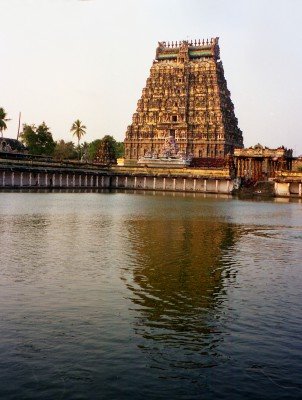
Bhuvanagiri Temple
Some quick example text to build on the card title and make up the bulk of the card's content.
Go somewhere
Chathapurinathar Temple
Some quick example text to build on the card title and make up the bulk of the card's content.
Go somewhere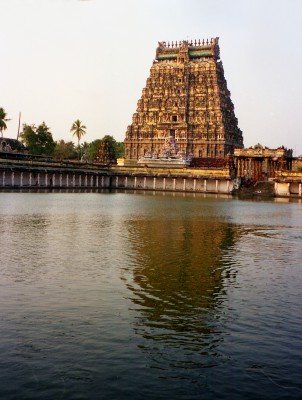
Chidambaram Nataraja Temple
Some quick example text to build on the card title and make up the bulk of the card's content.
Go somewhere
Gangaikonda Cholapuram
Some quick example text to build on the card title and make up the bulk of the card's content.
Go somewhere
Government Museum, Chidambaram
Some quick example text to build on the card title and make up the bulk of the card's content.
Go somewhere
Pichavaram Backwaters
Some quick example text to build on the card title and make up the bulk of the card's content.
Go somewhere
Pichavaram Mangrove Forest
Some quick example text to build on the card title and make up the bulk of the card's content.
Go somewhere
Poompuhar Beach / Town
Some quick example text to build on the card title and make up the bulk of the card's content.
Go somewhere
Silver Beach
Some quick example text to build on the card title and make up the bulk of the card's content.
Go somewhere
Sivakamiamman Temple
Some quick example text to build on the card title and make up the bulk of the card's content.
Go somewhere
Tharangambadi
Some quick example text to build on the card title and make up the bulk of the card's content.
Go somewhere
Thillai Kali Amman Temple
Some quick example text to build on the card title and make up the bulk of the card's content.
Go somewhere
Thillai Nataraja Temple
Some quick example text to build on the card title and make up the bulk of the card's content.
Go somewhere
Tirunallurpperumanam Temple
Some quick example text to build on the card title and make up the bulk of the card's content.
Go somewhere
Tiruvetkalam Temple
Some quick example text to build on the card title and make up the bulk of the card's content.
Go somewherein Other Cities